
The Hidden Geography Beneath the Haryana Horizon
In northwestern India, the Fatehabad district harbors a territory where the apparent monotony of the plains gives way to subtle yet decisive geological dynamics. Gorakhpur, situated within this vast Haryana landscape, does not rise upon towering mountain chains or snow-capped peaks, but rather upon an ancient sedimentary substrate that dictates the region’s rhythm. At an average altitude of approximately 218 meters above sea level, this enclave reflects a transition geography where alluvial terrain, shaped by seasonal river basins and ancient dry beds, defines the ecological limits of local flora and fauna. Understanding this territory requires looking beyond the cultivated surface and delving into the soil morphology, where sediment carried over centuries sustains a network of ecosystems adapted to water scarcity and extreme thermal fluctuations.
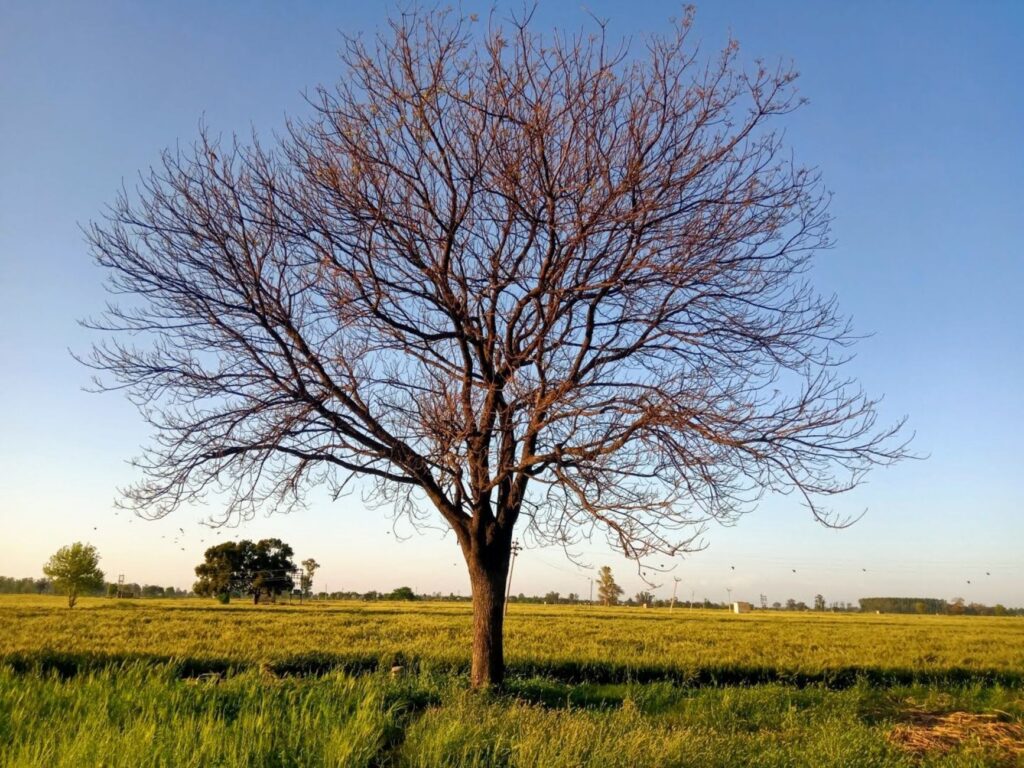
The geomorphological features of Gorakhpur are deeply tied to the Ghaggar River basin, an intermittent channel that funnels runoff from the northern foothills during the monsoon months. Although much of the surrounding landscape has now been transformed by intensive agricultural activity, the natural enclaves that persist on the margins preserve a representative sample of native Indo-Gangetic plain vegetation. Here, thorny scrub formations and trees adapted to arid soils act as the primary moisture retainers, preventing the wind erosion that periodically threatens these latitudes. The interaction between fluvial sedimentation and human action has sculpted a mosaic where each stratum of earth tells a story of climate adaptation and endurance.
Transition Ecosystems and Flora Adapted to Aridity
The vegetation surviving around Gorakhpur responds with millimetric precision to the climatic conditions of northern India, characterized by scorching summers and dry, cool winters. In this scenario, plant species have developed remarkable physiological adaptations to maximize water absorption and reduce transpiration. Legume family trees, alongside deep-rooted perennial shrubs, dominate the scarce wild patches that have not been converted into cultivated fields. These species not only fulfill a vital ecological function by stabilizing sandy soil, but also provide shelter and food for the minor fauna traveling through the area.
The study of these ecosystems reveals a discreet yet resilient biodiversity. Unlike the lush tropical forests of the country’s south or the high mountain forests of the Himalayas, Gorakhpur’s wildlife manifests in forms adapted to stealth and resource economy. Birds of prey, small burrowing mammals, and diverse reptile species configure a trophic web that makes the most of every available resource. Conserving these small green pockets is essential for maintaining overall ecological balance, as they act as biological corridors in a region heavily fragmented by human infrastructure and mechanized agriculture.
Wildlife in a Human-Modified Environment
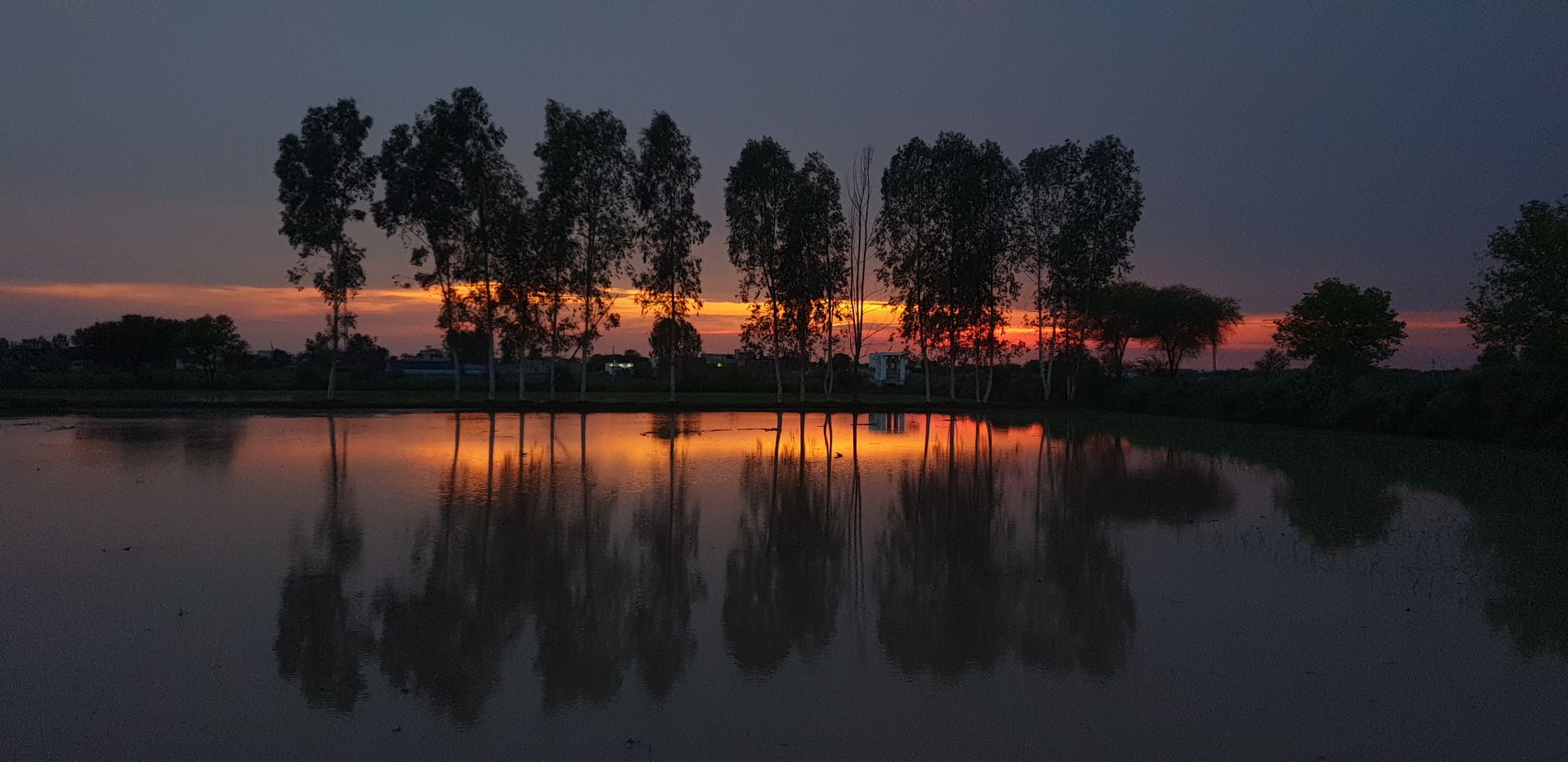
The fauna inhabiting the vicinity of Gorakhpur has had to learn to coexist with one of the highest population densities on the planet. Far from India’s large wildlife sanctuaries, nature here slips through the crevices left by civilization: along the edges of irrigation canals, in sacred groves protected by local communities, and on wasteland where native vegetation manages to regenerate after seasonal rains. Migratory bird species use the region’s temporary wetlands as stopover points during their long annual journeys, finding an indispensable temporary refuge in this agricultural landscape.
Medium-sized mammals, such as the golden jackal and various species of rodents and hares, display nocturnal habits to avoid human presence, turning darkness into their primary ally. Meanwhile, resident avifauna, composed of rock doves, turtle doves, cattle egrets, and several species of nocturnal and diurnal raptors, finds favorable nesting grounds in the mature trees of rural lanes and ancient groves. This everyday coexistence demonstrates that wildlife possesses a remarkable capacity for adaptation, provided a minimum of intact natural habitat is preserved and the systematic destruction of ecological margins is avoided.
Climatic Cycles and the Impact of Seasonal Winds
The climate of Gorakhpur is governed by the monsoon regime, a meteorological phenomenon that radically defines the territory’s biological cycle. During the summer months, temperatures can easily exceed forty degrees Celsius, rapidly evaporating surface moisture and subjecting flora and fauna to severe water stress. However, the arrival of rains between the months of June and September radically transforms the dusty landscape into an expanse of intense green tones, revitalizing underground aquifers and triggering an outburst of biological activity in plants and insects.

This extreme seasonal cycle also entails significant challenges in terms of erosion and water management. Dry winds originating from the west, locally known as loo, raise dust storms during the pre-monsoon season, reshaping fossil dunes and altering the topsoil layer. Traditional water management, based on the temporary retention of runoff and the moderate use of underground wells, has historically been the key to the survival of communities and surrounding ecosystems. Today, understanding these climatic cycles is indispensable for planning any conservation strategy seeking to mitigate the effects of global change in this strip of India.
Conservation Strategies and the Value of Natural Spaces
As demographic pressure and urban expansion continue to reshape the state of Haryana, the need to implement effective conservation measures becomes increasingly urgent in Gorakhpur. Unlike formally delimited national parks, nature protection in this area relies heavily on community-led initiatives and the preservation of small communally owned parcels that escape intensive development. These spaces act as outdoor laboratories where it is possible to observe the resilience of semi-arid ecosystems and their capacity for self-regeneration if the pressure of overgrazing and indiscriminate logging is reduced.
Local authorities and various environmental organizations have begun promoting reforestation programs using native species rather than fast-growing exotic varieties, a practice that previously proved detrimental to local water tables. These actions seek to restore ecological connectivity among scarce wild remnants, allowing local fauna to reclaim roaming territories and migratory birds to access safer environments. Valuing these landscapes not only benefits biodiversity, but also offers local inhabitants a tangible reminder of the importance of maintaining the environmental health of their immediate surroundings.
Responsible Exploration Practices and Respect for the Environment
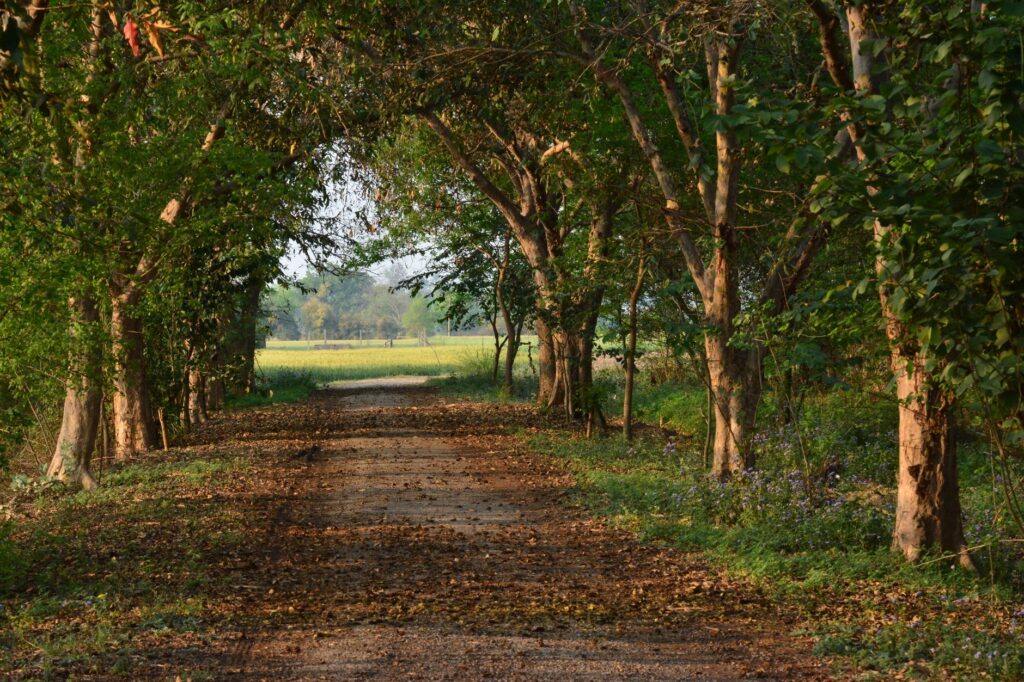
Exploring a flat and transitional territory like Gorakhpur requires adopting a leisurely and respectful travel perspective, far removed from mass tourist circuits. The traveler venturing into these Haryana settings must understand that the value of the place lies not in colossal monuments or alpine postcard landscapes, but in the subtle beauty of its ecology and the authenticity of its everyday rural life. Every rural path, every irrigation channel bordered by native vegetation, and every farming community holds stories of adaptation that deserve to be heard with attention and sensitivity.
To enjoy this region without disturbing its fragile equilibrium, following basic low-impact guidelines is essential. It is recommended to walk only on established paths, avoid disturbing wildlife in resting areas, and strictly respect private properties and crop zones. Likewise, the moderate use of local resources, such as water and energy, constitutes an elementary display of courtesy toward a community permanently living with the limitations of a semi-arid environment. The true traveler is one who leaves the place exactly as found, taking away only the knowledge and respect for a land that silently defies climatic adversities.
Practical guide
Getting there: Gorakhpur, in the Fatehabad district of Haryana, is accessible by road from major regional cities via the state bus network and private vehicles. The nearby railway station and road links connect the area with northern India’s urban centers.

Best time to visit: The months between October and March offer the most favorable weather conditions, featuring mild daytime temperatures and cool nights, ideal for walking rural paths and observing local avifauna.
Climate and equipment: Adequate sun protection, lightweight cotton clothing for daytime, and a light jacket for winter nights are essential. During summer months, temperatures are extremely high and require special precautions.
Accommodation and services: Lodging options are concentrated in the nearby urban centers of Fatehabad and other district localities, where basic accommodations and essential traveler services can be found.
Code of conduct: Respect local traditions, ask permission before photographing residents or their properties, and avoid littering in natural or agricultural zones to preserve environmental cleanliness.
Local conservation: Support rural community economies by purchasing local artisan products and assist in environmental preservation by minimizing disposable plastic use during your stay in the region.
The Silent Pulse of a Land in Equilibrium
At the heart of every apparent landscape lies a complex network of interactions sustaining life against all odds. Gorakhpur teaches us that nature does not flourish solely on the highest peaks or within the most remote jungles, but also in the interstices of the cultivated plain, where each resilient tree and migratory bird affirms the persistence of the wild. By looking beyond the surface, we discover that the true wealth of these places rests in their capacity to endure, adapt, and continue providing a home for those who know how to observe them with patience and respect.