
Origins and Geography in the Heart of Kanagawa
Located in Japan’s Kanagawa Prefecture and forming part of the Sagamihara district, the locality of Aihara unfolds a landscape where rolling topography and proximity to waterways shape a relaxed way of life. Unlike the hyper-dense centers of Tokyo, this residential sector maintains a very distinct human scale, characterized by quiet neighborhoods, traditional street layouts, and a close relationship with the surrounding natural environment. Visitors who approach this corner of the Kanto region discover a territory where the daily rhythm is dictated not by mass tourism, but by the unhurried flow of its residents, establishing a profound connection with the local rhythm.
The average elevation, situated around one hundred and fifty meters above sea level, fosters a temperate climate with distinct seasons that visually transform the landscape throughout the year. Water flows descending from the western mountains have historically shaped fertile valleys and small agricultural settlements that, over the decades, have integrated into the modern urban fabric without losing their essential identity. Walking through Aihara allows one to appreciate how Japanese urban planning achieves a delicate balance between modern transport infrastructure and the preservation of small green spaces and family gardens, ensuring that the ecological corridors remain intact and vibrant.
Residential Architecture and the Everyday Urban Landscape
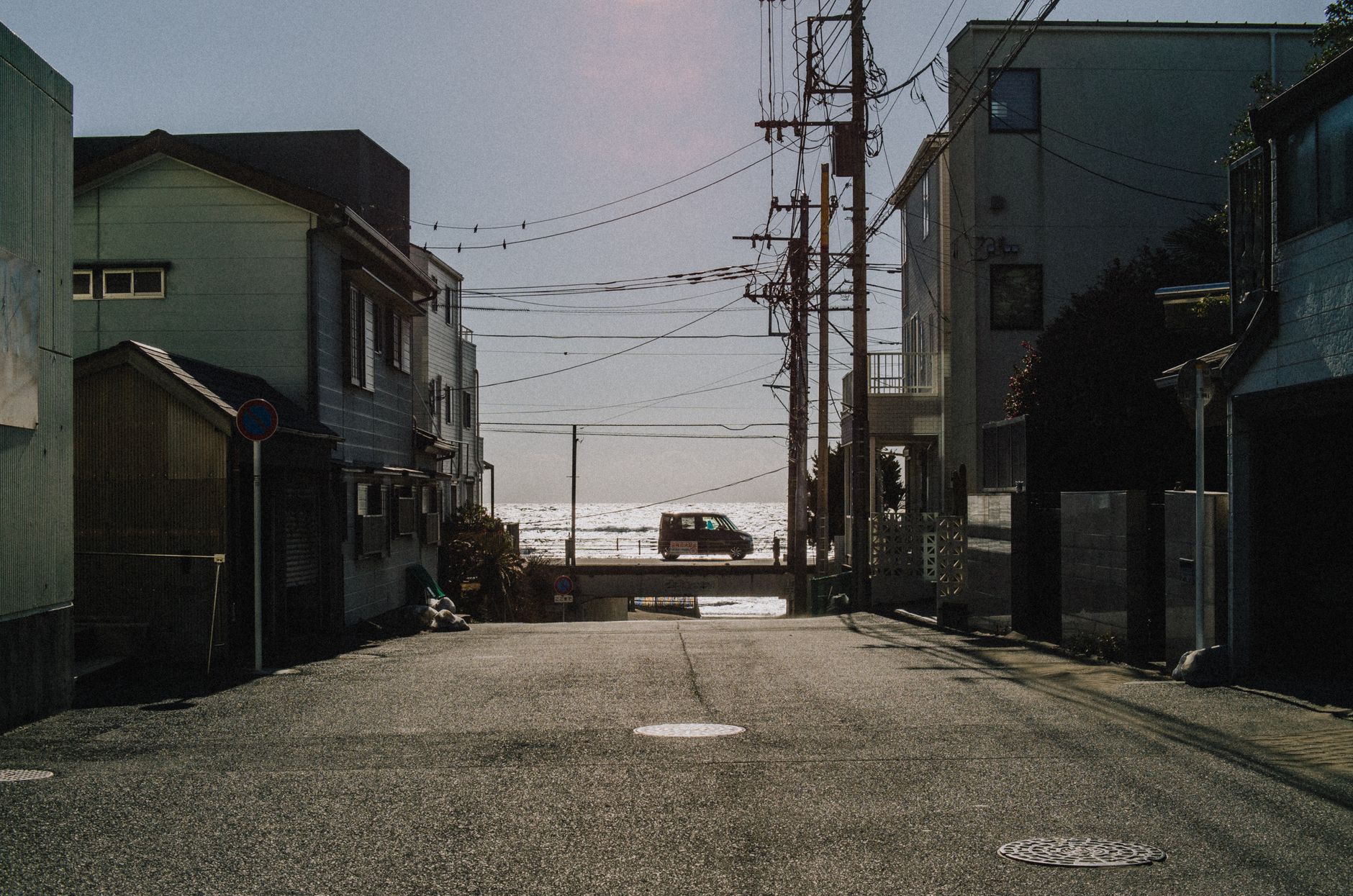
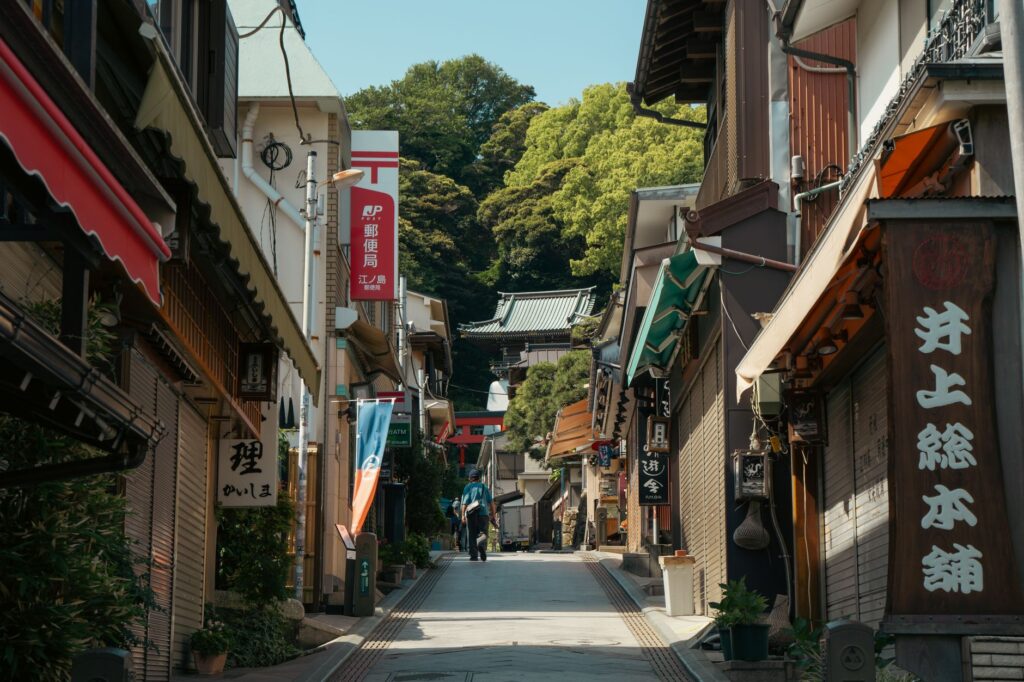
The urban network of Aihara is organized around a predominantly residential architecture, where low-rise single-family homes coexist with functional apartment blocks. The facades combine traditional elements of Japanese carpentry with contemporary materials, reflecting a clean, orderly aesthetic that prioritizes functionality and discretion. Secondary streets, free of major commercial crowds, invite unhurried strolls, allowing observers to notice everyday details such as the meticulous arrangement of potted plants at house entrances or the silent passage of local bicycles, reflecting a shared commitment to cleanliness and tranquility.

This small-scale urbanism fosters a strong sense of community and civic safety. Pedestrian movement and the use of local railway stations structure the daily mobility of residents, who commute to nearby employment centers while maintaining Aihara as their restful sanctuary. The absence of towering skyscrapers allows natural light to flood public spaces throughout the day, creating an open atmosphere where the sky and distant hilltops form a constant part of the visual landscape, reinforcing the deep bond between the inhabitants and their immediate geography.
Neighborhood Commerce and Proximity Markets
Far from impersonal shopping malls, commercial activity in Aihara revolves around small family-owned shops and proximity markets that supply the daily needs of neighbors. These businesses place a high value on the freshness of seasonal produce, from vegetables grown in Kanagawa Prefecture’s gardens to traditional Japanese culinary specialties. The local shopkeeper often acts as a social touchstone, exchanging brief conversations with every customer and weaving an invisible yet solid network of trust.
Local commerce constitutes the true thermometer of community life in Japanese residential neighborhoods.
This direct relationship among producer, merchant, and consumer minimizes intermediaries and reinforces a human-scale economy. For the curious traveler, visiting these small retail points offers a privileged window into the actual dietary habits of the population, far removed from the standardized menus of major international tourist routes. Purchasing local ingredients to prepare a simple meal in an environmentally responsible lodging is one of the most authentic ways to connect with the locality’s daily life, promoting a sustainable approach to daily consumption that respects the neighborhood’s delicate balance.

Local Traditions and Community Memory
Although Aihara does not boast major historical monuments of international fame, its heritage lies in the collective memory of its residents and the preservation of neighborhood seasonal celebrations. Temples and small shrines scattered throughout the area serve as meeting points during local festivals, where silence and respect for ancestral rituals are carefully observed. These celebrations reinforce social cohesion and allow younger generations to maintain a living bond with customs inherited from their ancestors.
Spiritual and community life in these enclaves is characterized by discretion and mutual care. Neighborhood associations play a fundamental role in organizing urban cleanliness, child safety, and cultural programming. Observing this dynamic reveals a deeply organized society that values collective harmony over individualism, an aspect that responsible visitors must approach with utmost respect and cultural empathy, ensuring that their presence remains harmonious and entirely unobtrusive.
Sustainable Mobility and Responsible Accessibility
Getting around Aihara and its surroundings requires understanding the operation of Japan’s public transport network, especially the local trains connecting the region to the main hubs of Kanagawa and Yokohama. The punctuality and efficiency of these services make it possible to explore the area without resorting to private vehicles, reducing the carbon footprint associated with conventional tourism. Railway stations function not only as transit nodes, but as hubs of social life where students, workers, and elderly residents converge.
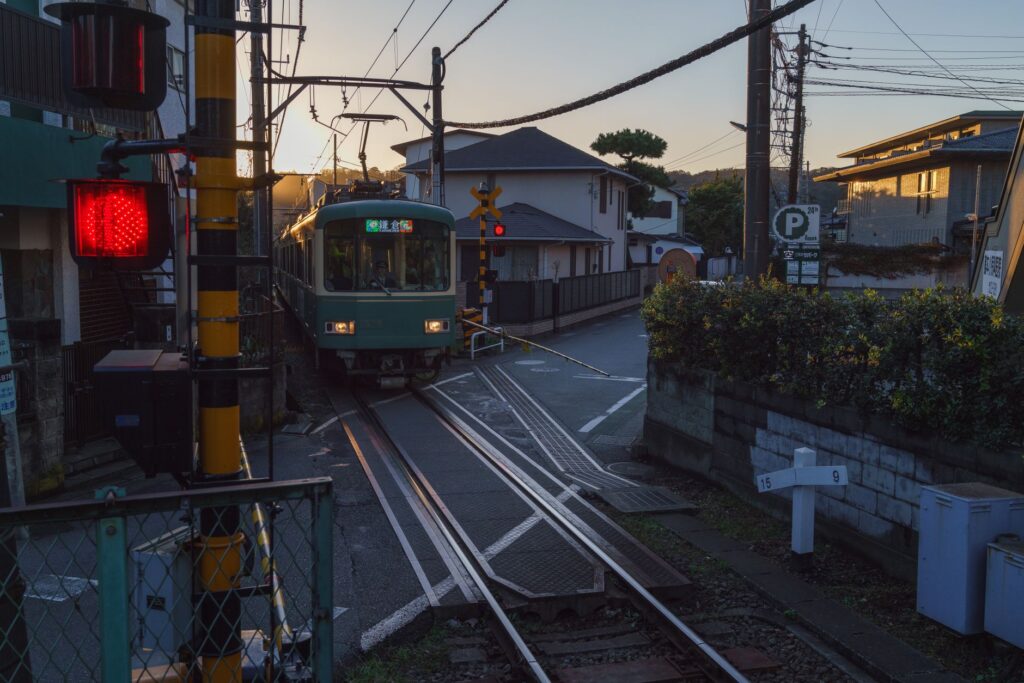
Bicycling and walking are highly recommended for discovering the less-traveled corners of the valleys. Local regulations regarding respect for public space, waste management, and quietness on public transport are unwritten rules that every visitor should immediately adopt. Traveling sustainably in this environment means integrating into the daily flow without disrupting it, showing consideration for the peace of those who permanently reside in the area and contributing to the preservation of local acoustic comfort.
Everyday Gastronomy and Seasonal Respect
The cuisine consumed in Aihara’s homes and small eateries reflects the deep seasonality of Japanese culinary culture. Ingredients change rigorously according to the time of year, prioritizing comforting broths and root vegetables in colder months, and fresh, lightweight products with the arrival of spring and summer. This respect for natural cycles translates into balanced dishes where the original flavor of each ingredient is enhanced without unnecessary artifices.
Dining in this context is an exercise in mindfulness. Small soba or udon noodle shops, as well as family-run neighborhood canteens known as izakayas, offer honest fare prepared from recipes passed down through generations. Sitting at the table in these spaces implies understanding that food is not merely physical sustenance, but a cultural act celebrating belonging to the territory and gratitude for the provisions it yields, anchoring the visitor in the culinary traditions of the region.
Practical guide
How to get there: Aihara benefits from excellent rail connections via Kanagawa’s regional transport network, allowing smooth and direct access from major urban centers in Tokyo and Yokohama without the need to rent cars.
When to go: Spring months (March to May) and autumn (September to November) offer the most pleasant weather conditions, alongside landscapes undergoing intense chromatic transformation thanks to blooming flora and changing foliage.
Getting around: The best way to explore residential neighborhoods and valleys is on foot or by bicycle, complementing longer journeys with local commuter trains.
Local etiquette: It is essential to maintain a moderate tone of voice in public spaces and on transport, as well as strictly follow local regulations for waste separation and recycling.

Accommodation: Travelers are advised to choose small locally managed establishments or residential lodgings that promote low environmental impact practices and respect for neighborhood coexistence.
Visual Reflection and Journey’s End
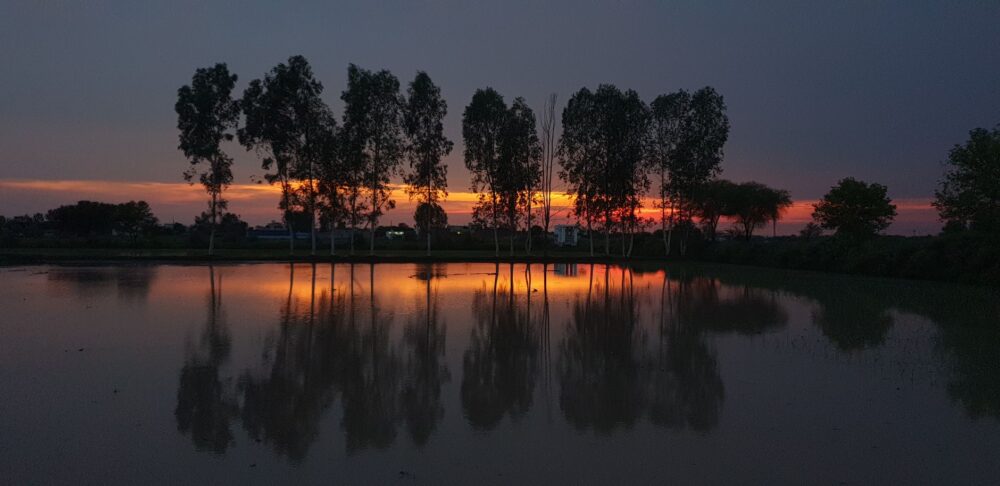
Sunset over the rooftops of Aihara bathes the Kanagawa hills in a golden, silent light that encapsulates the essence of this slow-paced journey. Watching the silhouette of local trains crossing the valley as home lights begin to flicker on invites deep reflection on the beauty of the everyday. This destination proves that the true richness of travel lies not in accumulating famous tourist attractions, but in the capacity to tune into the calm, respectful pulse of communities that preserve their identity with dignity and simplicity, leaving a lasting impression on the traveler’s soul.