
The Green Geography That Feeds Morning Life in San Carlos
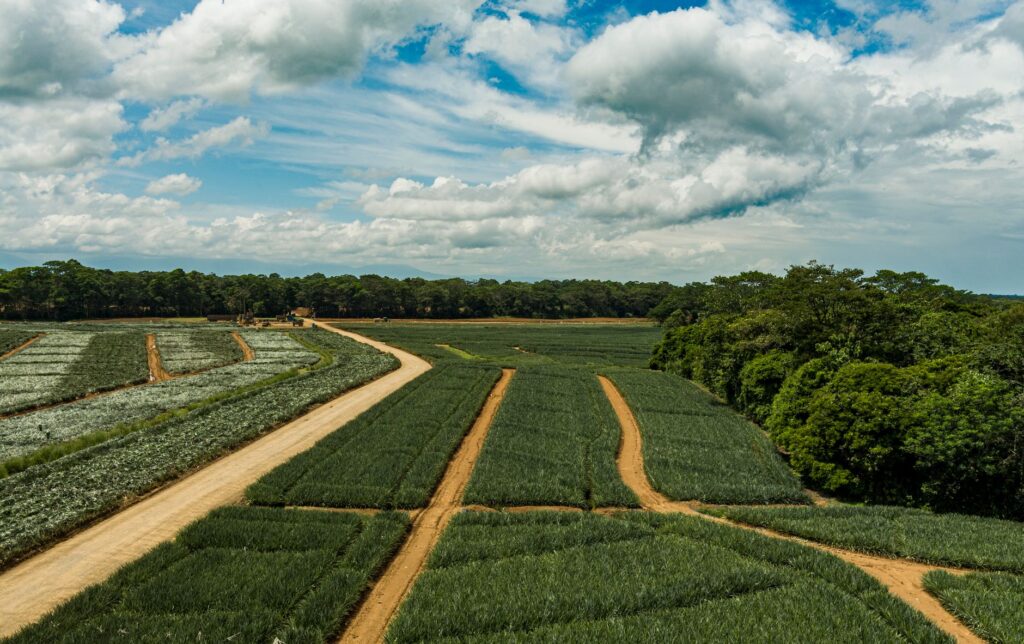
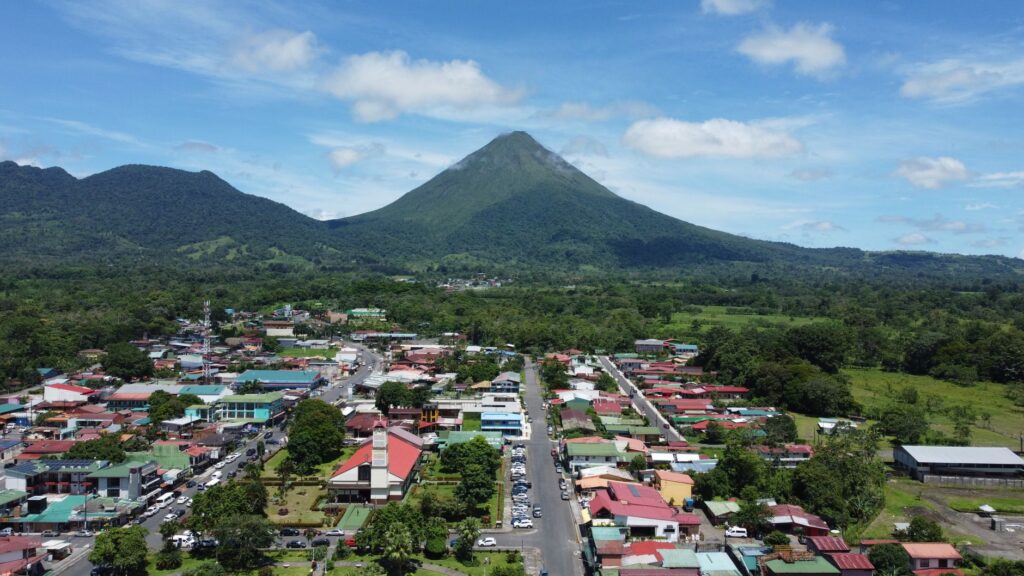
In the canton of San Carlos, within the province of Alajuela, Costa Rica, the day begins long before the sun breaks over the horizon. Quesada, its central district, stands at over six hundred meters of altitude, sheltered by a mountainous landscape where humidity and trade winds paint a scene of perpetual green. Here, daily life is inseparable from the volcanic soil that nourishes the surrounding valleys, creating optimal conditions for the subsistence and market agriculture that has supplied local pantries for generations.
The town’s streets reflect a steady, unhurried rhythm. Local families head early to traditional provisioning spots in search of the basic ingredients that sustain the daily diet. Amid wooden stalls and colorful tarps, commercial exchange relies on mutual trust and a deep understanding of agricultural cycles. Root vegetables, plantains, and fresh greens arrive straight from neighboring farms, transported along rural roads that connect outlying settlements with Quesada’s urban core.
The Pulse of Markets and the Memory of Provisioning
Walking through the urban center reveals how neighborhood commerce remains the backbone of the community. Unlike large retail chains, Quesada’s markets maintain a direct link with the producer. Each stall tells a story of family labor, where corn, beans, and coffee hold a central place. Vendors carefully select each grain and fruit, guided by criteria of ripeness and seasonality that respect the biological rhythms of the Central American tropics.
This commercial fabric fosters an uninterrupted dialogue between the countryside and the table. Shoppers do not seek imported rarities, but rather the consistency of familiar flavors. Daily offerings respond to what the land provides according to the rainy or dry season, giving local cuisine a dynamic character deeply rooted in collective memory. Commercial transactions are accompanied by conversations about the weather, pasture conditions, and the yield of recent harvests.
Furthermore, the physical arrangement of these marketplaces encourages a sense of belonging among residents. Neighbors greet one another across wooden crates filled with tubers and citrus fruits, exchanging news about family milestones and community events. This social interaction reinforces the cultural identity of Quesada, turning a routine chore into an essential ritual of community cohesion. The preservation of these spaces acts as a bulwark against homogenization, ensuring that culinary traditions survive not as museum pieces, but as active expressions of daily existence.
Corn and the Golden Grain on the Daily Table
If two elements summarize the food identity of this Costa Rican region, they are undoubtedly corn and coffee, popularly known as the golden grain. In home kitchens and small local eateries, corn dough is worked daily to make fresh tortillas that accompany virtually every meal. The process of nixtamalization and grinding is passed down through generations, ensuring the flavor retains its rustic authenticity and unmistakable texture.
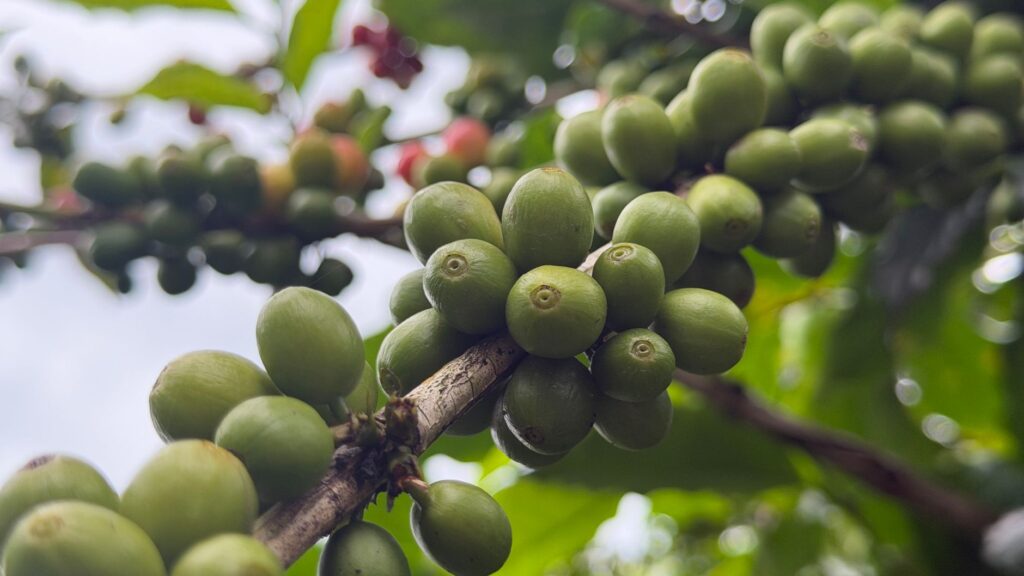
Meanwhile, coffee defines the mandatory pauses of the workday. The plantations carpeting the slopes of San Carlos produce high-altitude beans characterized by balanced notes and a bright acidity. Enjoying a cup of coffee in the morning is not a routine act, but a ritual of belonging that brings neighbors and visitors together around simple wooden tables. This product, fundamental to the country’s historical economy, is consumed here with everyday simplicity, roasted and ground in local establishments that preserve traditional methods.
The preparation of these staple foods involves specific domestic labor that structures the morning routine. Hand-pressing tortillas requires a precise touch and an intimate knowledge of dough consistency, acquired through years of practice in family kitchens. Similarly, the aromatic scent of freshly brewed coffee permeates the air of residential neighborhoods at dawn, signaling the transition from rest to daily labor. These sensory markers anchor the residents of Quesada in a shared heritage that resists the fast pace of modern urban life.
The Influence of Altitude and Climate on the Pantry
The climatic characteristics of Quesada dictate a specific way of cooking and preserving food. Fresh mornings and afternoons prone to showers invite the preparation of comforting dishes, where vegetable broths, beef soups, and legume stews hold a privileged place. The availability of water and the richness of the volcanic soils allow for the cultivation of a wide variety of tubers, such as yucca and tiquisque, which add body and texture to home-cooked meals.
This natural environment also favors the production of artisanal dairy goods. The green pastures where dairy cattle graze in the higher zones of the canton yield fresh cheeses and mild butter consumed within hours of production. Local cheese makers combine techniques inherited from agricultural colonization with modern sanitary controls, achieving products that stand out for their purity and mild aging, ideal for accompanying the morning gallo pinto.

The interplay between altitude and rainfall patterns also determines the seasonal availability of wild greens and forest herbs used in traditional remedies and regional gastronomy. Cooks must adapt their repertoires to the ebb and flow of the weather, utilizing preservation techniques such as salting, drying, or fermenting when surplus crops demand it. This intimate adaptation to the environment ensures that every meal tells a story of ecological attunement.
Sustainability and Responsible Visitor Choices
In recent years, the region’s growth has posed new challenges in environmental conservation and responsible tourism. For those visiting Quesada, understanding the value of local resources implies adopting practices respectful of the rural environment. This translates into supporting farmer markets, choosing lodgings managed by local families, and minimizing the use of disposable plastics while traveling along nearby trails and nature reserves.
The relationship between the inhabitants and their surroundings is based on careful land stewardship. Local authorities and community organizations promote initiatives to protect water sources and encourage small-scale organic agriculture. The conscious traveler plays an active role by taking an interest in the origin of the products they consume and respecting community rules in rural areas, helping preserve natural and cultural heritage for future generations.
Responsible travel in this context also means recognizing the limits of natural ecosystems and avoiding disruptive activities in sensitive watershed areas. Visitors are encouraged to engage with local guides who possess deep knowledge of the flora and fauna, fostering an educational exchange that benefits both the traveler and the host community. By prioritizing slow travel and mindful consumption, visitors help maintain the ecological balance that sustains life in the foothills.
The Invisible Heritage of Traditional Recipes
Behind every dish served in Quesada lies a network of invisible knowledge that sustains social cohesion. Recipes are not found in glossy international cookbooks, but in the practical memory of those who cook daily for their families. From the preparation of potato picadillo to the exact timing of arroz con pollo, each culinary technique reflects an intelligent adaptation to resources available in the immediate environment.
This intangible heritage survives thanks to the daily effort of local canteens, sodas, and markets that refuse to standardize their gastronomic offerings against global trends. Sitting down to eat in this corner of Alajuela is, ultimately, an exercise in attention to detail, where the traveler discovers that a territory’s true wealth lies in the dignity of its daily chores and the honesty of its simplest flavors.
Furthermore, these recipes act as vehicles for storytelling across generations. Elders pass down instructions not through written measurements, but through sensory cues such as color, aroma, and sound during the cooking process. This oral and experiential transmission ensures that the culinary identity of Quesada remains vibrant, dynamic, and deeply connected to the social fabric of the canton.
Practical guide
- How to get there: Quesada can be reached by road from San José using regular buses or private vehicles, traveling along the route that crosses Braulio Carrillo National Park or the Vara Blanca area, a journey offering panoramic views of the mountainous landscape.
- When to visit: The months of the dry season, from December to April, facilitate travel and outdoor walks, although the rainy season, from May to November, displays the most intense green of the valleys and coffee plantations.
- Recommended markets: The municipal market and local farmers’ fairs are ideal spots to observe commercial dynamics and purchase fresh produce directly from San Carlos producers.
- Accommodation: Small family-run hotels and rural cabins on the outskirts of the urban core predominate, ideal for those seeking tranquility and direct contact with the region’s nature.
- Recommended gastronomy: Be sure to try the handmade corn tortillas, artisanal fresh cheeses from the area, and coffee grown on the canton’s slopes.
- Responsible practices: Visitors are advised to purchase seasonal products at local shops, respect natural trails, and support the economy of small farmers and artisans in the community.
The day comes to an end in the mountain foothills, and the golden evening light filters through corrugated tin roofs and tree canopies, bathing the valley in profound calm. In the homes of Quesada, kitchens fire up once more to prepare dinner, closing a daily cycle where earth, human labor, and the simplicity of everyday food merge into a single identity that endures unaltered.