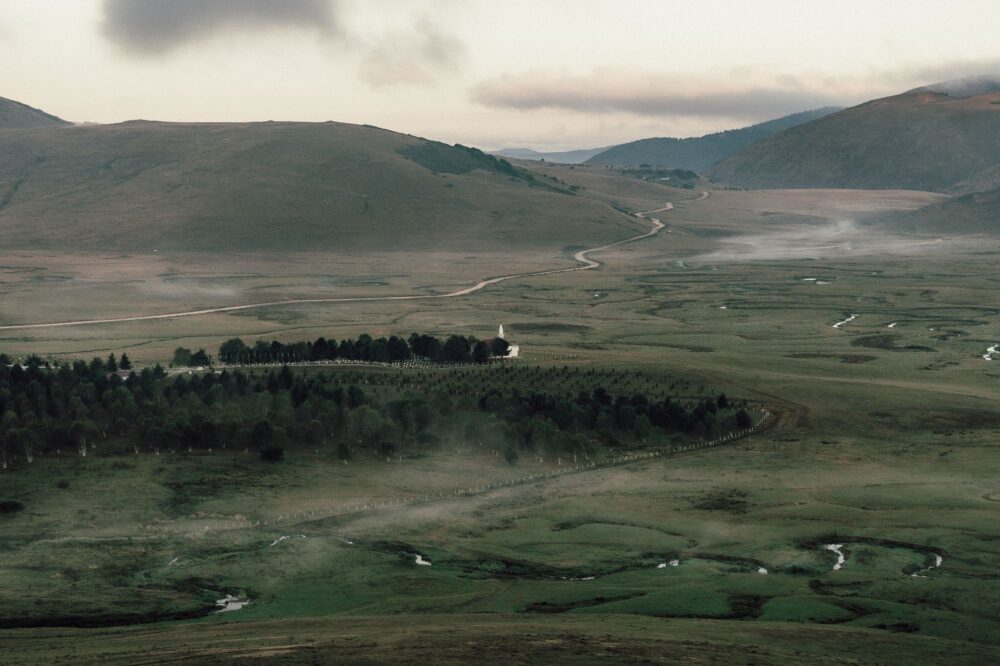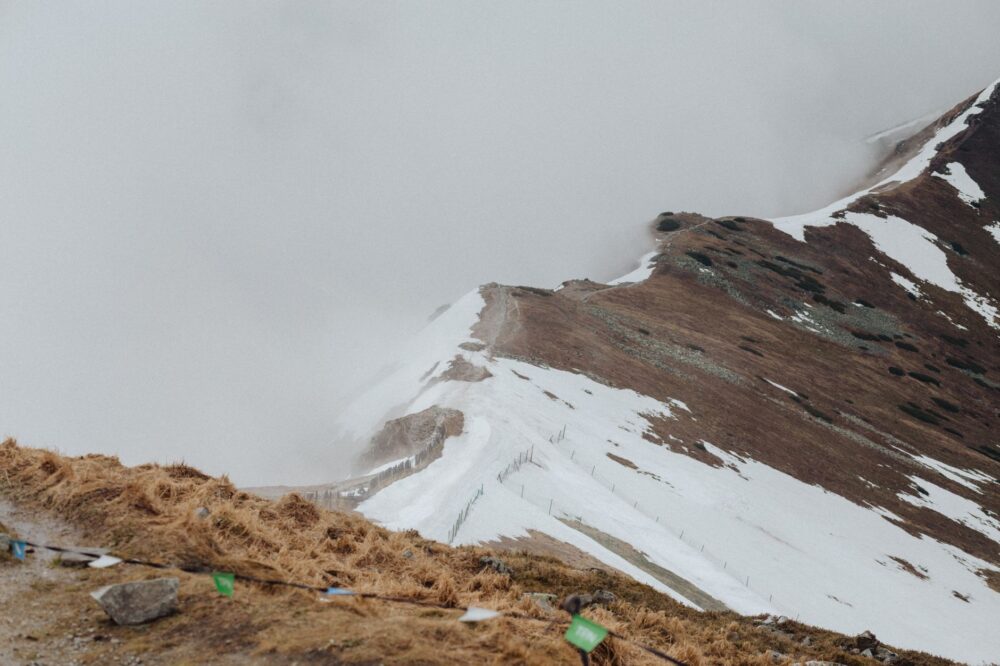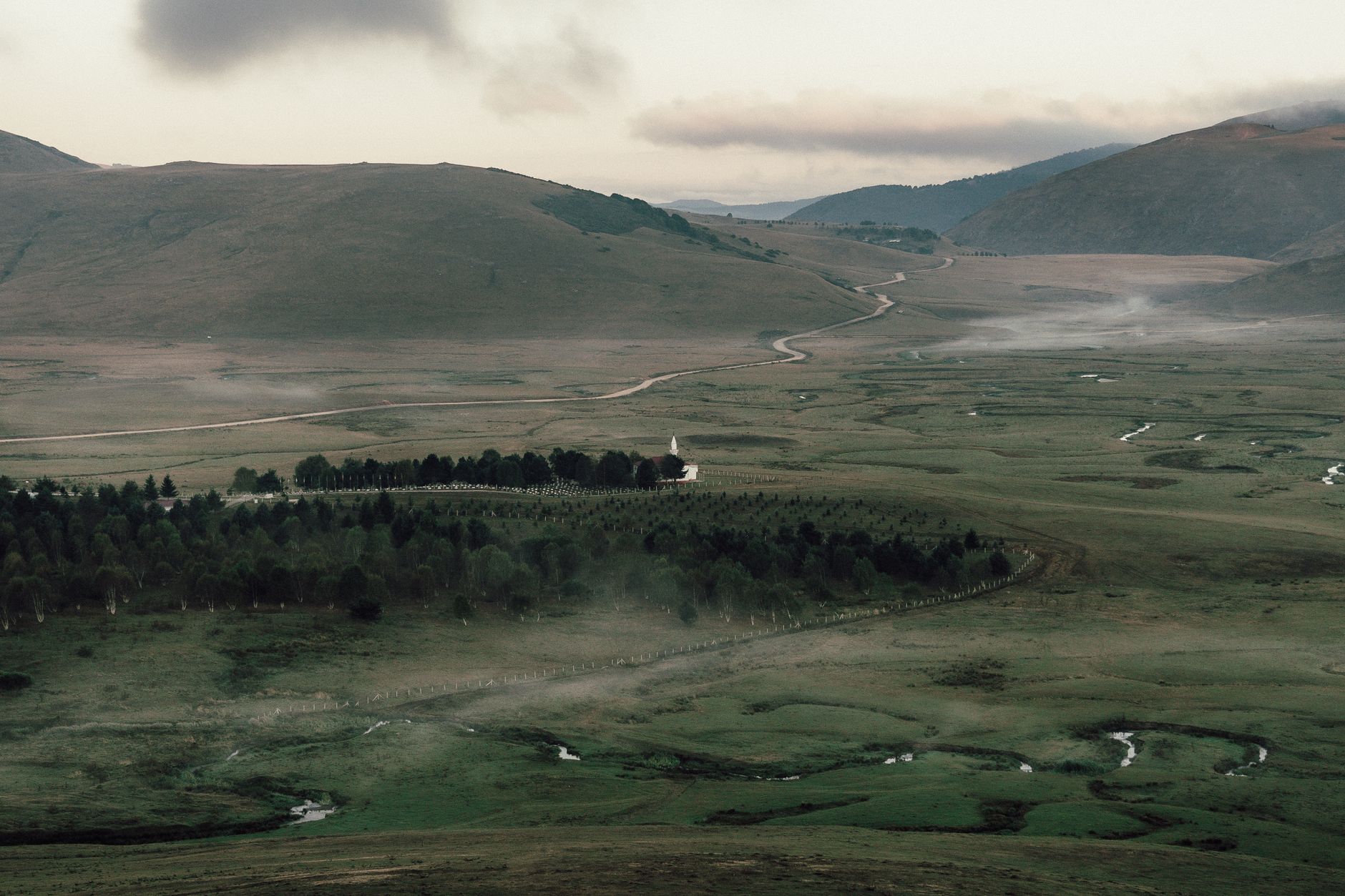

There are places whose primary value does not lie in what they display at first glance, but in the silent persistence with which they guard the past. Amid deep valleys, steep slopes, and open plateaus, ancient paths continue to trace discreet lines across the land. They are neither mere communication routes nor utilitarian shortcuts designed to accelerate transit; they are authentic physical archives where human effort, climate, and time have sculpted their own grammar. Traveling them today demands a particular disposition of spirit, a conscious renunciation of the haste that defines our time, and an acceptance of the human scale of walking.
The Geography of Permanence Versus Modern Vertigo
We live in an era obsessed with speed, where movement has become an exercise in the suppression of distance. Major transport axes, elevated highways, and aerial routes pursue absolute efficiency, reducing travel to a mere formality between two points. Yet the traveler who chooses secondary routes and traditional paths experiences the world in a radically different way. Distance ceases to be an obstacle to overcome and becomes the very substance of the experience. Each curve of the trail, each dry-stone wall, and each ancient milestone remind us that territories are not known simply by visiting them, but by temporarily inhabiting them through physical effort and sustained attention.
The Layout as Witness to Everyday History
Unlike official monuments, conceived for posterity and the praise of power, rural paths are the result of everyday necessity. They stem from steps repeated for centuries by shepherds, local merchants, pilgrims, and farmers seeking the safest passages between neighboring communities. In this sense, walking these routes is an act of territorial reading. The stones worn down by use, the watering troughs built at the bends of the path, and the remains of forgotten old hermitages form a fragile heritage that is not protected behind museum glass, but exposed to the elements. Their preservation depends entirely on our continuing to travel them with respect and curiosity.
The Hospitality of the Landscape and the Pace of the Traveler
The unhurried pace imposed by the traditional path also transforms our relationship with hospitality and welcome. Those who travel on foot or at a reduced speed are perceived differently by the communities they pass through. This reestablishes a natural bond based on simple exchange, unhurried conversation, and mutual recognition. Villages that were once left on the margins of major modern routes often retain a form of human attention that has vanished in large urban centers. Listening to local stories, sharing a simple meal, or simply pausing to converse under the shade of a centennial tree are inseparable parts of this journey toward the essence of places.
The Responsibility of Looking Without Altering
Approaching these landscapes demands a profound ethical responsibility. Mass tourism tends to consume destinations, transforming authenticity into a disposable product. Against that extractive impulse, a cultured and respectful gaze seeks to understand rather than to appropriate. Ancient paths teach us the remoteness of arrogance: they show us that nature and rural culture have coexisted for generations through a delicate balance that tolerates neither indifference nor excess. Caring for these trails also means caring for our own capacity for wonder and our collective memory.
Toward a New Culture of Slow Travel
Ultimately, recovering the pulse of forgotten paths is an exercise in cultural health. It allows us to rediscover that the world remains vast and complex, replete with nuances that reveal themselves only to those willing to walk with awakened senses. May this journey serve to remind us that the most valuable trip is not the one that takes us farthest, but the one that restores our ability to look with attention, respect, and gratitude upon everything that sustains and precedes us.