Chautara, Nepal: The Mountain Sanctuary Where Daily Life Is Woven Between Terraced Fields and Community Memory
Nestled in the heights of Bagmati Province, Chautara unfolds a landscape of stepped hillsides, ancient trails, and a daily rhythm where local heritage and hospitality guide every passing day.
A Vantage Point in the Heart of the Nepalese Hills
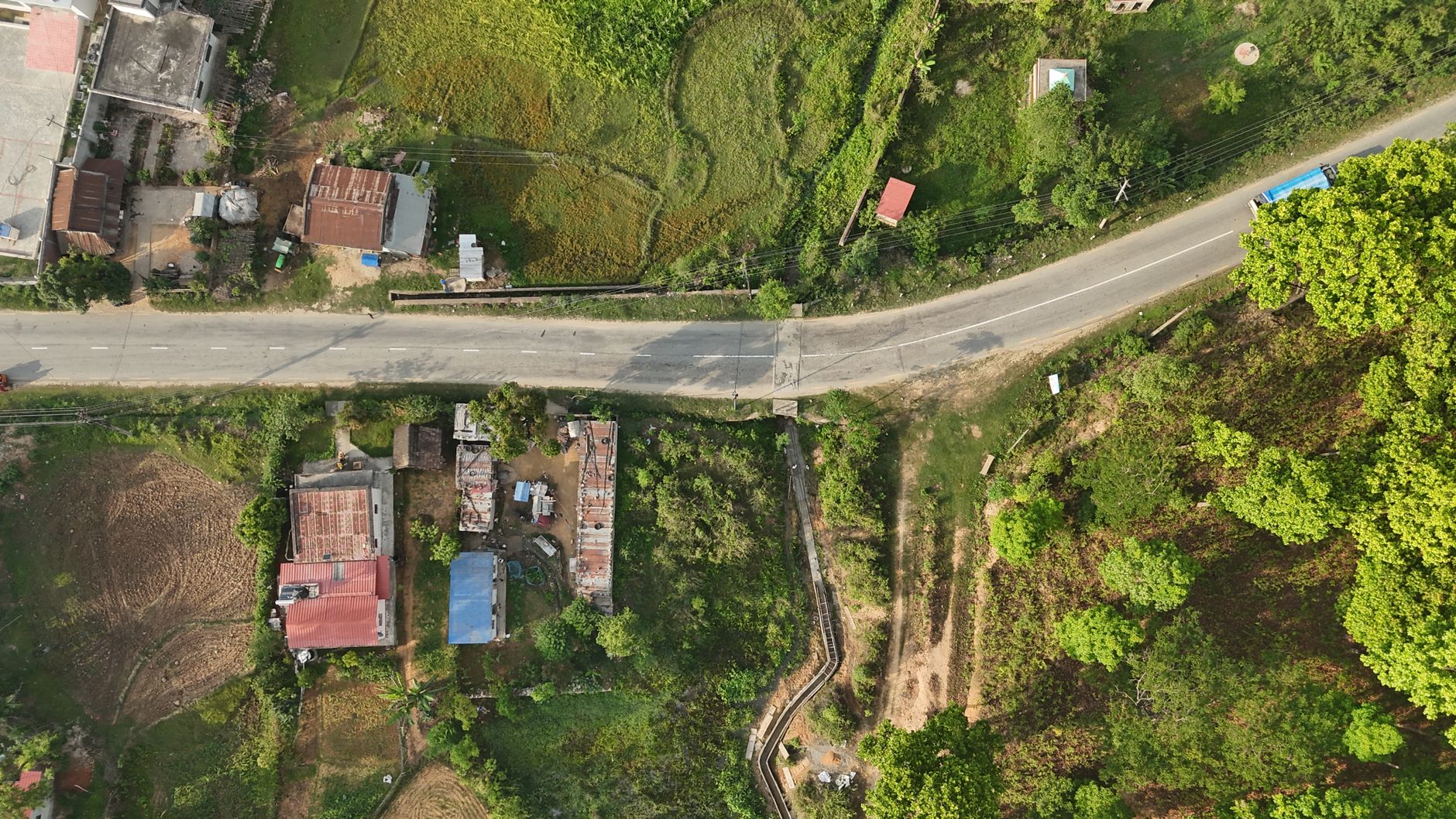
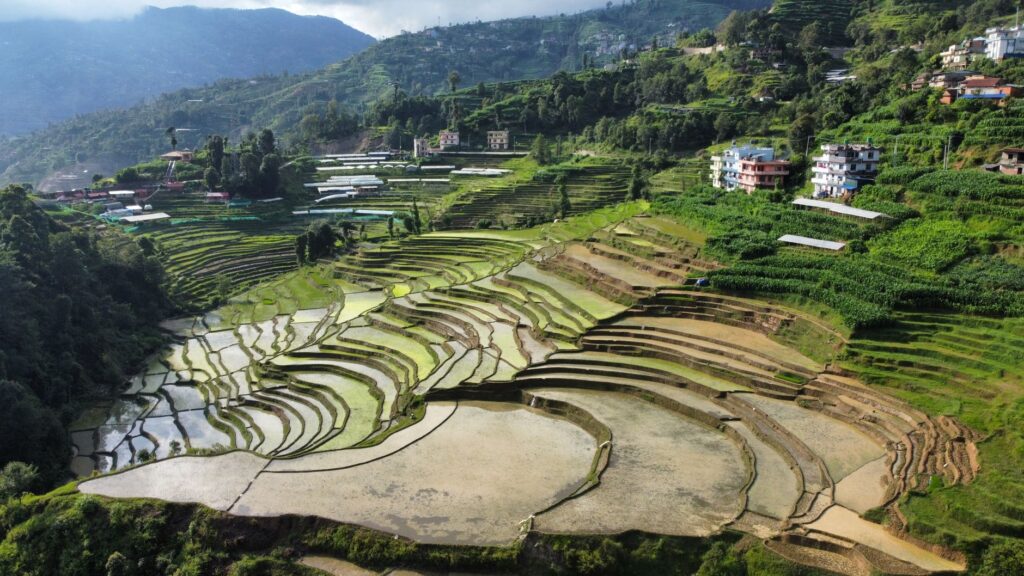
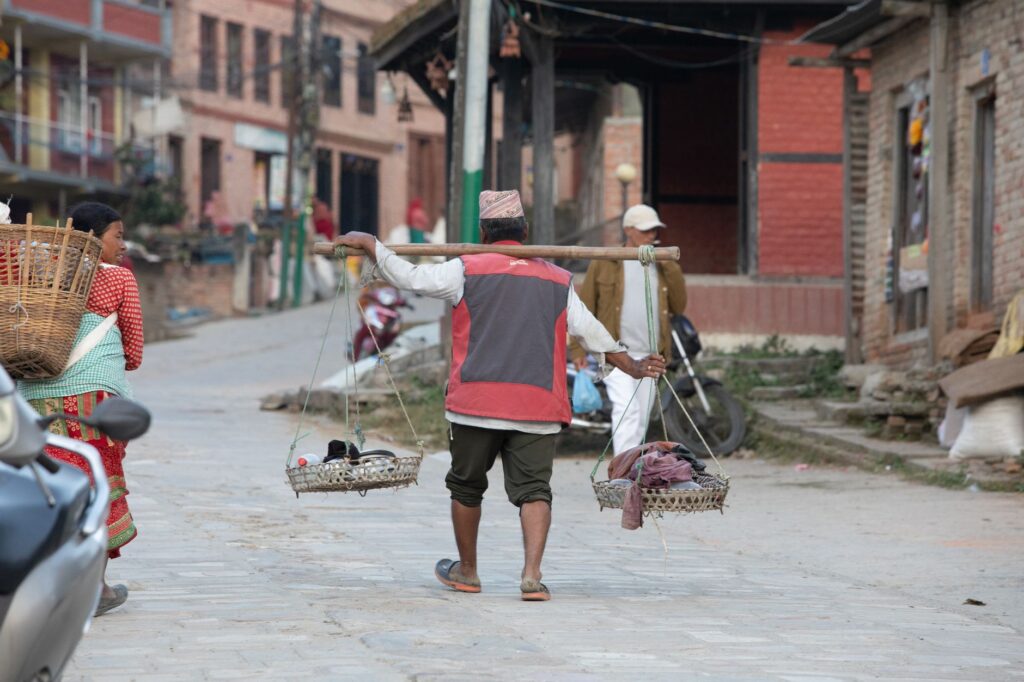
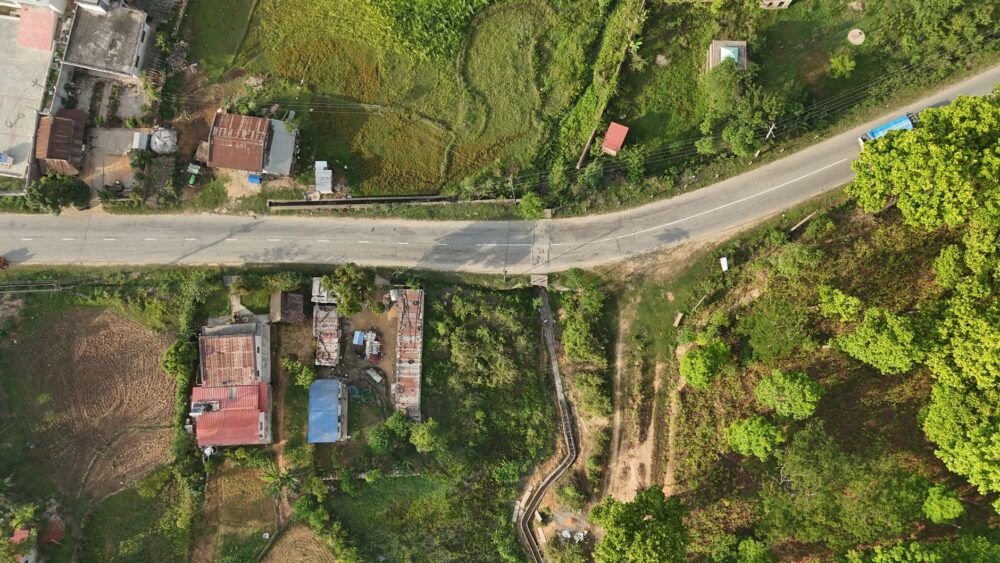
Situated at an elevation of approximately one thousand four hundred and fifty meters above sea level, the municipality of Chautara—located in the Sindhupalchowk district within Nepal’s Bagmati Province—stands as a fundamental enclave for understanding the human geography of the country’s central region. Far from the mass-marketed trails that draw crowds toward the highest peaks of the Himalayas, this settlement of over fifty thousand residents maintains a measured pace, dictated by the abrupt topography of the hills and the proximity of river valleys descending from the roof of the world. The morning light, which typically appears shortly after six o’clock local time, gradually illuminates the corrugated metal roofs and traditional masonry facades climbing the hillsides. Days begin with the steady movement of locals transporting goods on foot, utilizing the network of trails that for centuries have connected agrarian communities with regional markets. Here, the territory is not merely a transit corridor, but an intensely inhabited space where every terraced field tells a story of climatic adaptation and economic resilience.
The geographical position of Chautara within the Bagmati Province places it at a vital intersection of cultural convergence and traditional pathways. Descending from higher Himalayan passes or ascending from the lower river basins, travelers and traders have historically traversed these exact slopes. The local geography demands a profound understanding of natural dynamics, where communities must continually adapt to seasonal shifts, monsoon rains, and the inherent challenges of steep agricultural cultivation. This constant interaction between human habitation and demanding topography has shaped a distinct local identity deeply rooted in the preservation of ancestral land-use techniques and mutual community support systems.
Vernacular Architecture and the Pulse of Traditional Squares
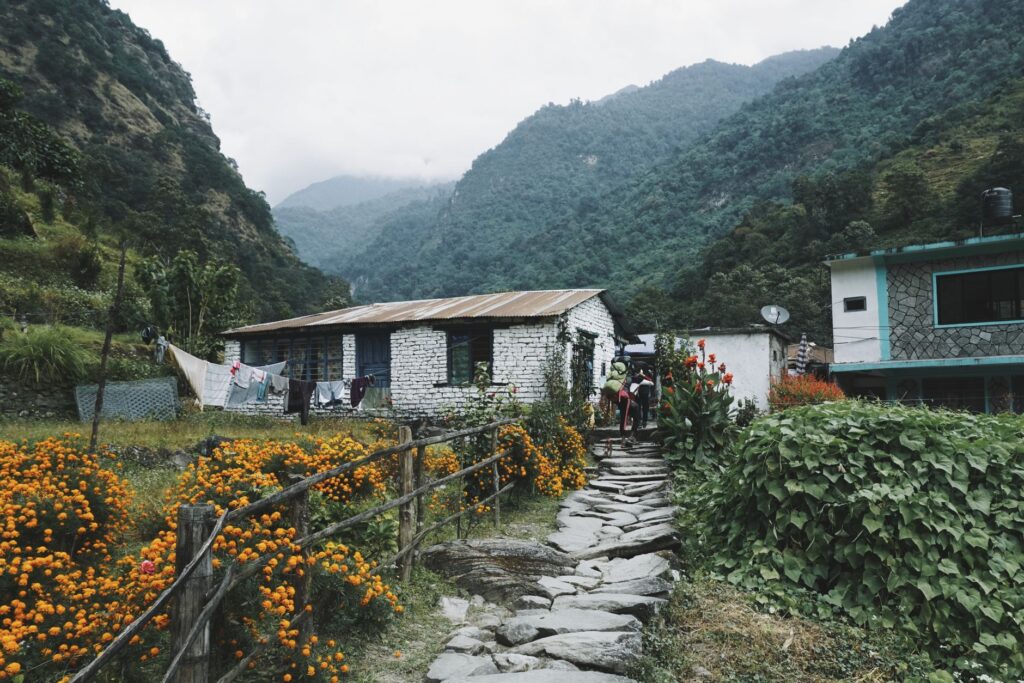
The urban and rural layout of Chautara reflects an ancient logic of making the most of available space on sloping terrain. Traditional dwellings combine local stone, carved wood, and slate or clay tile roofs, structured across two or three levels where the ground floor is usually reserved for sheltering animals or farm tools, while upper stories house family living quarters. Community gathering spaces, historically known in the Nepalese context as chautaris—circular stone structures sheltered by the shade of centenarian trees such as the peepal or banyan—continue to fulfill their original social function. At these resting points, walkers and farmers pause to exchange news, share a break during the workday, and reflect on weather conditions that will determine the rice, maize, or millet harvest. The area’s architecture, although having incorporated contemporary materials following post-earthquake reconstruction processes over the past decade, retains an artisanal imprint visible in window frames and wooden balconies oriented toward the surrounding valleys.
The meticulous craftsmanship involved in constructing these hillside homes speaks volumes about the technical expertise passed down through generations of local builders. Using locally sourced slate and timber, carpenters and masons ensure that structures remain resilient against both seismic activity and seasonal weathering. The courtyards and open terraces connected to these dwellings serve as communal extensions of the household, functioning as open-air workshops for grain drying, food preservation, and social gatherings during the temperate afternoon hours. Through these architectural choices, the built environment of Chautara remains inextricably linked to the rhythm of rural life and ecological preservation.
Subsistence Economy and High-Altitude Local Markets
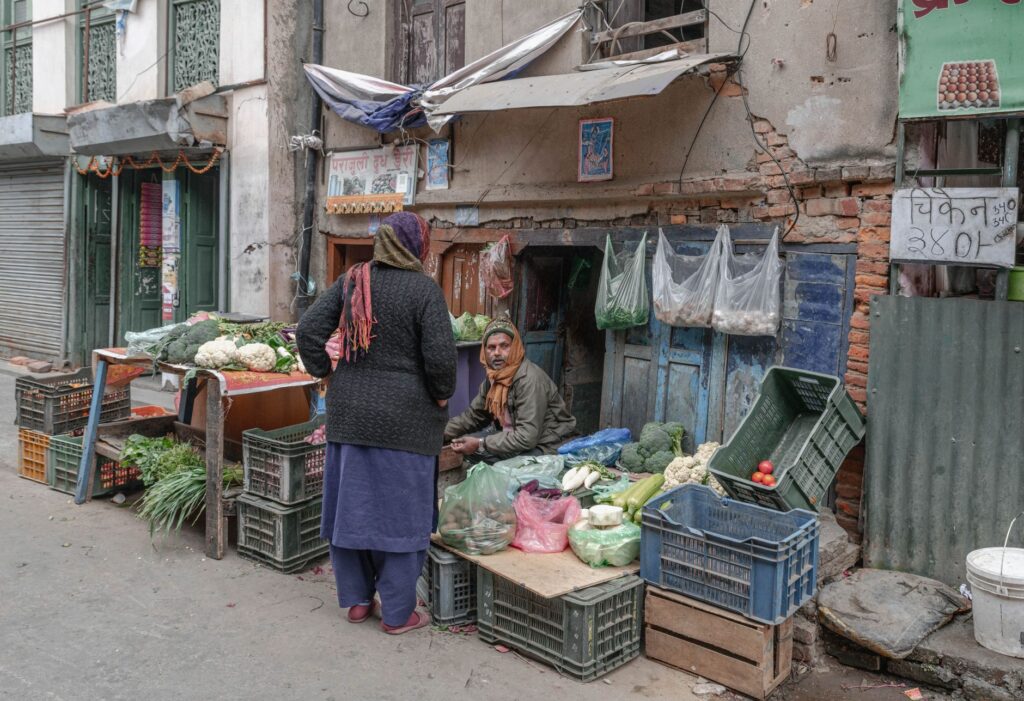
The economic life of this Nepalese municipality revolves around highly specialized hillside agriculture and neighborhood commerce. Local markets form the true circulatory system of the town, where producers from neighboring villages descend at dawn to offer seasonal vegetables, legumes, and grains cultivated without heavy industrial technological inputs. This commercial exchange is not limited to monetary transactions; it acts as a space for social cohesion where local seed varieties are preserved and knowledge passed down through generations is shared. As the day progresses, grocery shops along the main streets open their doors to supply both urban residents and inhabitants of more isolated rural settlements. Utilitarian craftsmanship, particularly basketry and the crafting of basic agricultural tools, continues to occupy numerous family workshops that supplement income from agricultural plots. The responsible management of these local resources has become a priority for authorities and community associations, who are well aware of the fragility of the mountain environment in the face of erosion and changing monsoon precipitation patterns.
Market days in Chautara offer a vivid snapshot of regional trade networks, bringing together farmers from diverse altitudinal zones to barter or sell their harvests. From temperate valley produce to highland grains, the diversity of goods reflects the microclimatic range of the Sindhupalchowk district. Local vendors take pride in offering naturally grown crops, emphasizing sustainability and traditional farming methods that prioritize soil health over short-term yield maximization. This commitment to traditional agricultural practices safeguards agrodiversity and reinforces the economic autonomy of rural households against external market fluctuations.
Natural Heritage and Low-Intensity Hiking
For travelers seeking to understand the reality of Nepal beyond extreme mountaineering, Chautara offers a natural environment of high landscape and botanical value. Trails starting from the urban center toward minor summits and rhododendron and pine forests allow visitors to observe a rich biodiversity adapted to the subtropical and temperate altitudinal belts of the range. Unlike heavily commercialized trekking routes, walking through these landscapes requires a disposition toward slow observation and respect for local environmental conservation regulations. District authorities promote sustainable rural tourism initiatives that seek to directly involve local families in visitor lodging and catering, ensuring that the economic benefits of the activity are distributed equitably within the welcoming community. The surrounding forests not only fulfill a crucial ecological role in regulating the hydrological cycle, but also harbor medicinal flora species traditionally harvested by local healers under ancestral and sustainable use criteria.
Exploring these verdant paths provides a profound appreciation for the subtle ecological transitions occurring across the Himalayan foothills. Birdwatchers and nature enthusiasts can encounter numerous avian species inhabiting the dense canopy of pine and oak woodlands. By maintaining low-impact recreational use, visitors help preserve the pristine condition of these habitats, ensuring that future generations can continue to experience the untouched natural beauty and botanical richness that characterize the rural landscapes of Nepal.
Education, Oral Traditions, and Community Life
Social life in Chautara is deeply intertwined with the festive calendar and local educational institutions, which act as pillars of cohesion for the various ethnic and linguistic communities present in the area. The municipality’s schools play a fundamental role in transmitting both official curricula and practical knowledge linked to the rural environment and respect for Nepalese cultural diversity. During major festivals such as Dashain and Tihar, the town’s streets and squares transform through the installation of traditional bamboo swings and musical gatherings where percussion instruments and choral singing reinforce collective identity. Oral traditions, passed down by elders in household courtyards or beside hearths during winter afternoons, preserve local myths concerning the origin of springs and the protection of sacred forests. This rich community life offers visitors a genuine perspective on the resilience and adaptability of mountain societies facing contemporary socioeconomic challenges.
Furthermore, local educational initiatives increasingly incorporate environmental stewardship and cultural heritage preservation into their programs. Students engage in community-led conservation projects, learning firsthand the importance of safeguarding local water sources and maintaining traditional agricultural knowledge. This integration of formal education with community wisdom ensures that the younger generations remain connected to their cultural roots while acquiring the skills necessary to navigate modern opportunities sustainably.
The true value of a journey to the highlands of Nepal lies in the ability to observe without altering the daily rhythm of those who have made the slope their home.
Practical guide
How to get there: Access to Chautara is primarily by road from Kathmandu using local buses or shared off-road vehicles traversing the Bagmati Province road network. It is advisable to check road conditions before starting the journey, especially during the monsoon season.
When to go: The months between October and May offer the most stable weather conditions, with clear skies ideal for hiking and moderate daytime temperatures, avoiding the heavy rains of the summer months.
Accommodation and dining: Facilities consist of small family-run lodges and local guesthouses (teahouses). The diet is centered on traditional dal bhat (rice with lentils and vegetables), prepared with fresh produce from local gardens.
Etiquette tips: It is essential to respect local customs, dress modestly, ask permission before photographing residents, and support the local economy by purchasing goods directly from the municipality’s artisans and farmers.
Final Reflections on the Nepalese Horizon
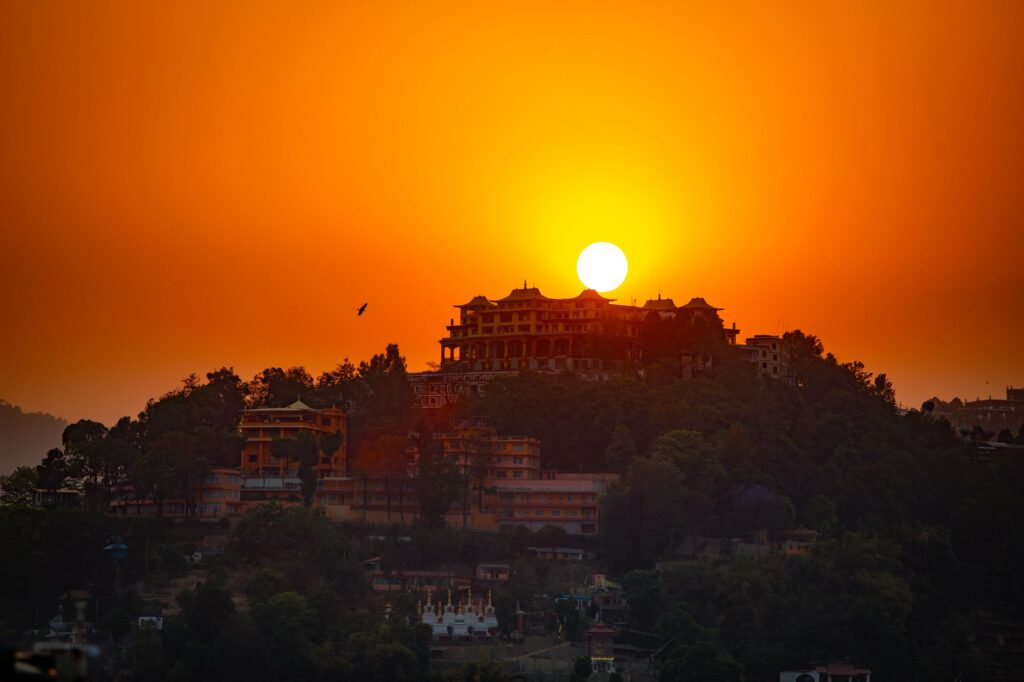
Contemplating the sunset over the hills of Sindhupalchowk, as the sun dips behind the mountain folds around seventeen hours local time, invites an introspective pause on the value of slowness and authenticity in contemporary travel. Chautara reveals itself not as a prefabricated postcard destination, but as a living territory that demands respectful attention and sincere curiosity. Along its stone paths, in the quiet hospitality of its residents, and in the endurance of its agrarian traditions, this corner of Nepal reminds us that the true wealth of geographical exploration lies in a deep understanding of the communities that sustain life in the heights, day after day.