
Coastal Origins and Topographical Transformations
At the southeastern edge of Singapore’s main island, the district of Marine Parade unfolds across a strip of land radically shaped by human hands. Unlike traditional mountain formations or the inland volcanic massifs of the Malay Archipelago, this territory represents a unique geomorphological landmark: a flat landscape, elevated barely sixteen metres above mean sea level, whose very existence stems from decades of land reclamation projects. The original topography, characterized by tidal mangroves, fine sandy beaches, and low coastal hills, was systematically reconfigured during the second half of the twentieth century to meet the growing demographic and urban demands of the city-state.
This relief modification process not only altered the original coastline but entirely redefined the interaction between the terrestrial substrate and the oceanic dynamics of the Singapore Strait. Dredged sands and compacted fill materials spread over former seabeds, creating a stable yet ecologically fragile platform. Today, geologists and hydrologists studying the area analyze how this artificial ground responds to extreme weather phenomena, spring tides, and the persistent challenge of global sea-level rise. The absence of steep slopes or natural peaks in Marine Parade is offset by profound engineering and landscape work aimed at maintaining the subsurface hydrological balance.
High-Altitude Ecosystems and Biodiversity in the Urban Strip
Despite the intense urbanization defining Marine Parade’s contemporary landscape in Singapore, the microhabitats integrated within its parks and green spaces harbor surprising specimens of flora and fauna adapted to coastal tropical environments. Although alpine peaks and high-altitude cloud forests are absent here, the verticality of the environment manifests in urban ecological corridors, high-rise gardens of residential complexes, and mature tree vegetation mitigating the urban heat island effect. Migratory and resident bird species find refuge in the green strips flanking main thoroughfares, demonstrating that local wildlife is capable of readapting to an intensively modified environment.
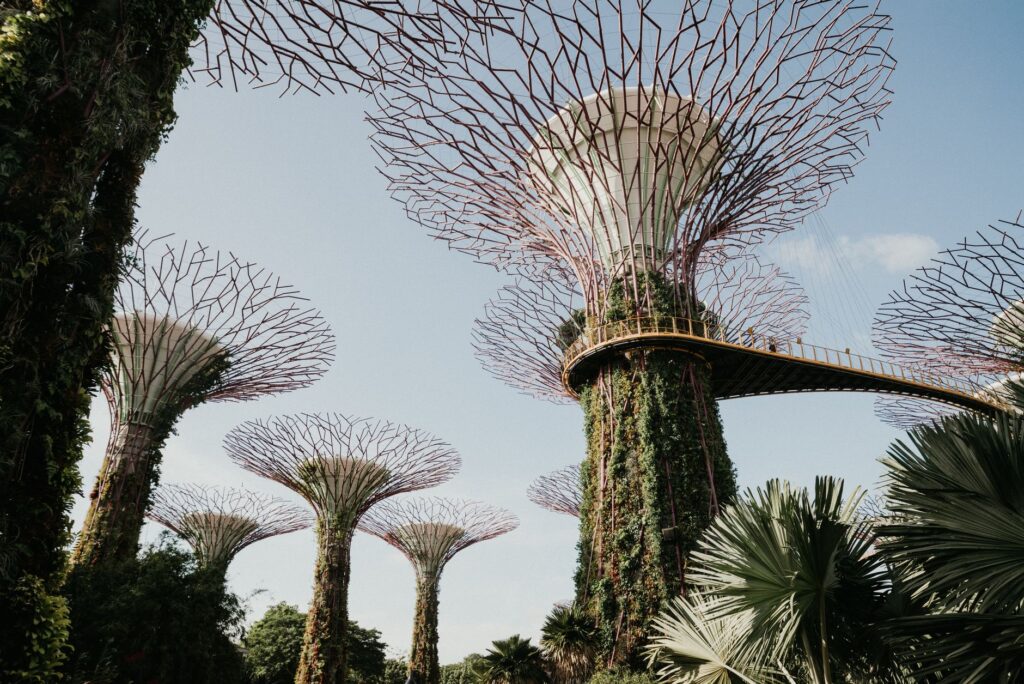
Environmental authorities and local conservation groups closely monitor the health of these natural patches, acting as small-scale laboratories for understanding ecological resilience. Native palms, ferns adapted to saline soils, and various species of pollinating insects form discreet yet essential trophic webs. Biodiversity conservation in these compact spaces depends directly on careful soil management and the reduction of chemical fertilizers in public areas. This approach allows urban nature to maintain a baseline of self-sufficiency against the pressures of the surrounding metropolitan environment.
Oceanic Dynamics and Water Safety
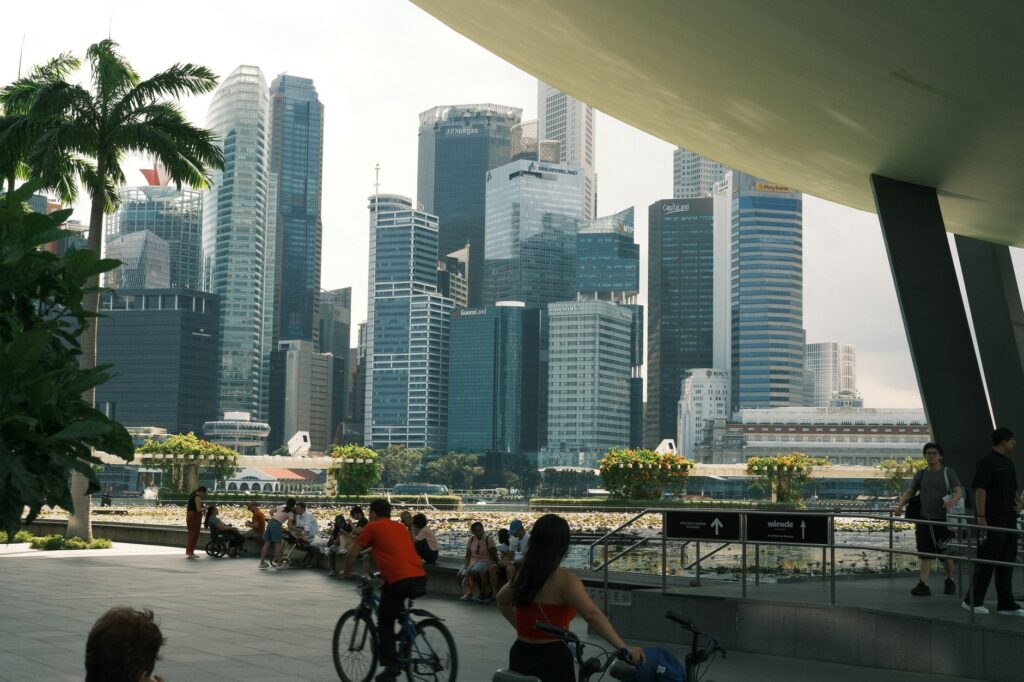
The geographic location of Marine Parade, bordering the busy waters of the Singapore Strait, demands constant attention to meteorological and oceanographic conditions. Astronomical tides, combined with frequent episodes of intense monsoon precipitation, test the district’s underground drainage systems and coastal defenses. Municipal engineers and urban planners have developed complex water management protocols combining open channels, retention basins, and seawalls designed to cushion the impact of tropical storms without destroying the coastal landscape.
The safety of residents and visitors in this sector of Singapore relies on real-time weather monitoring and an early warning infrastructure managed by national agencies. During the monsoon transition months, when winds shift direction and rains become unpredictable, authorities advise avoiding seaside walking areas most exposed to direct wave action. Understanding the vulnerability of this littoral strip allows the community to anticipate climate risks and appreciate the importance of keeping drainage channels clear. The relationship between the population and the sea is thus governed by mutual respect grounded in scientific observation and institutional prudence.
Optimal Seasons and Visit Planning
Planning a journey through Marine Parade requires considering Singapore’s equatorial climate, characterized by consistently warm and humid temperatures year-round with minimal seasonal thermal variation. The four traditional seasons of temperate zones do not exist here; instead, periods are influenced by the northeast monsoons, which tend to bring more frequent rains between November and January, and the southwest monsoons, dominating from June to September with moderate rainfall and brief afternoon thunderstorms. For travelers interested in exploring the district’s architectural heritage and natural spaces without enduring prolonged downpours, the dry and transitional months are most advisable.
Early mornings, before the sun reaches its peak midday intensity, offer the ideal time to walk along landscaped trails and cultural sites without the fatigue imposed by tropical heat. It is essential that visitors respect local environmental protection regulations, wear appropriate footwear for paved surfaces and coastal paths, and carry sufficient water to stay hydrated. The experience of exploring this urban and natural territory is greatly enriched when adopting a leisurely pace, paying attention to architectural details and vegetation that stitch the area’s history into its present.
Architectural Heritage and Community Memory
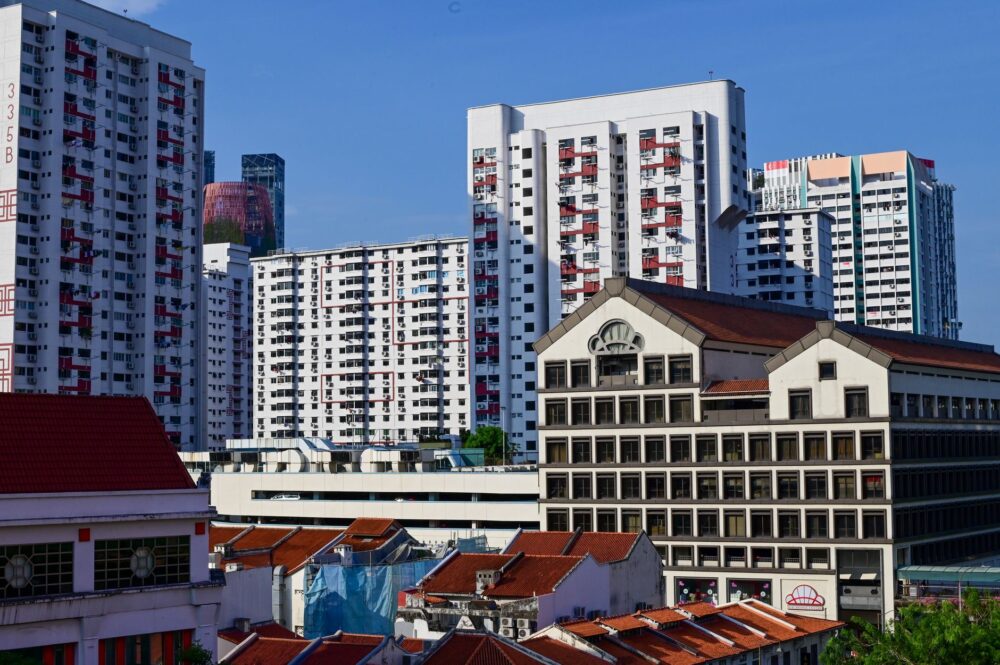
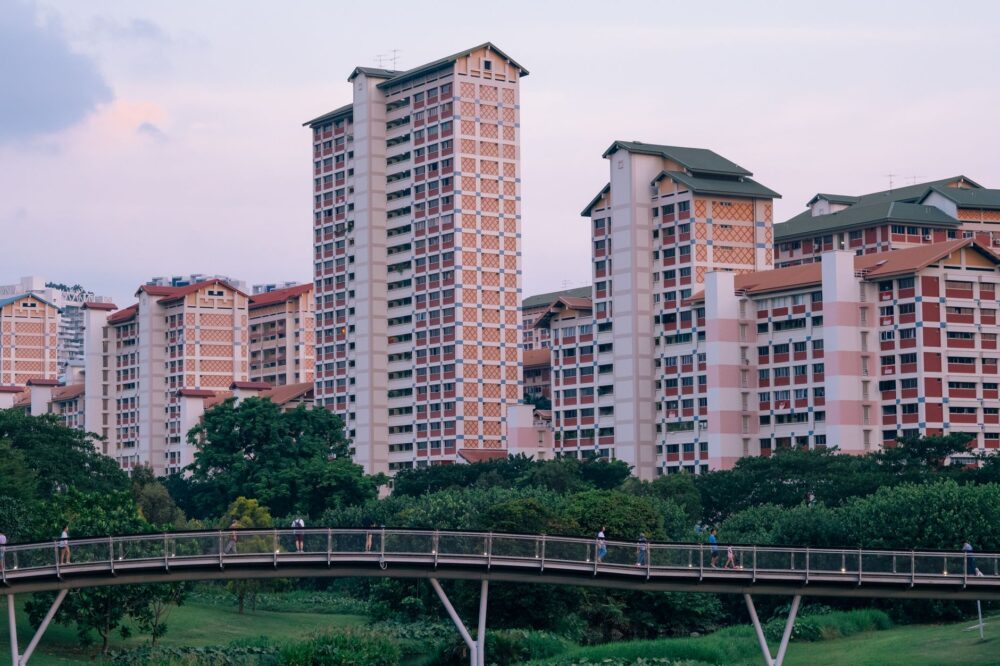
The urban landscape of Marine Parade in Singapore cannot be understood without its particular architectural evolution, reflecting various stages of housing development promoted by the government over recent decades. High-rise public housing blocks, popularly known as HDB flats, coexist with preserved examples of early twentieth-century residential architecture and community spaces designed to foster social cohesion among a multicultural population. This superimposition of styles turns the district into a living testament to the accelerated modernization of the Asian country.
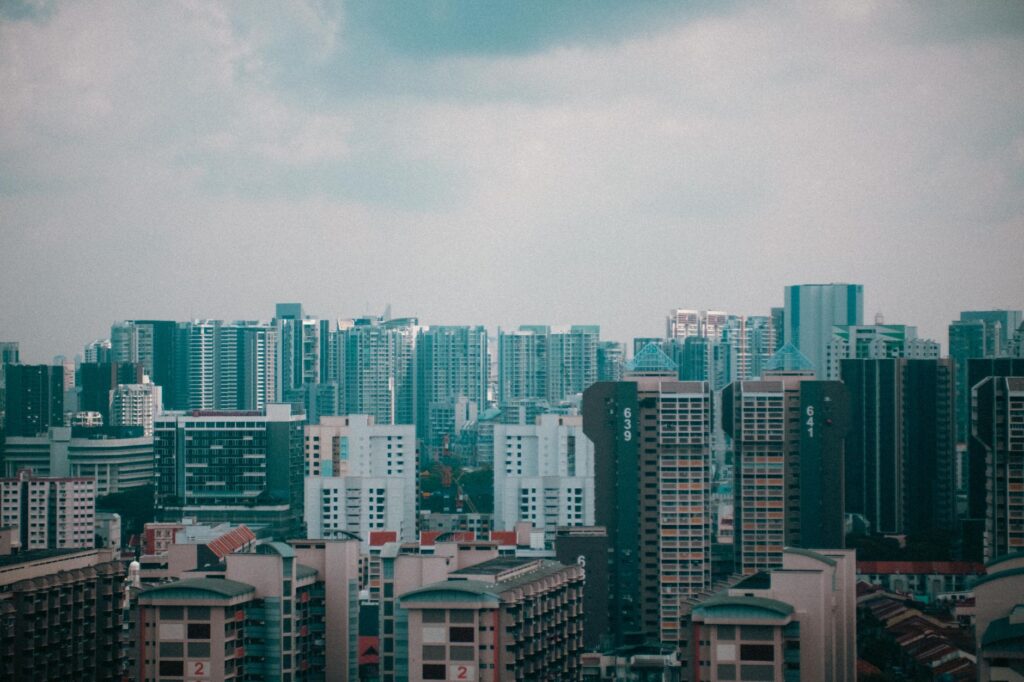
The architecture of Marine Parade is a mirror of our capacity to build community on land reclaimed from the sea, where each residential block tells a story of planning and neighborly coexistence.
Civic centers, traditional markets, and waterfront promenades act as intergenerational meeting points. In these spaces, collective memory is transmitted through culinary customs, shared festivities, and community care for green spaces. Local historians note that Marine Parade’s identity lies precisely in this capacity to integrate architectural modernity with respect for the cultural roots of the diverse communities making up the Singaporean mosaic.
Preserving the identity of our coastal neighborhoods requires both the maintenance of physical heritage and respect for the social dynamics giving life to every street and square.
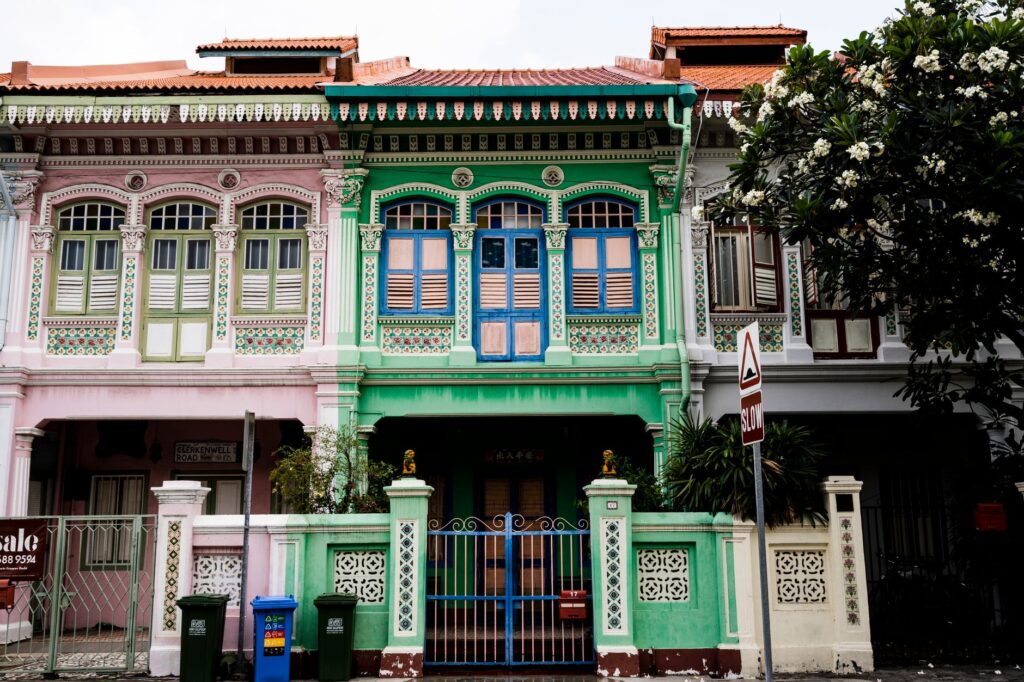
Walking through its streets allows one to appreciate how rigorous urban planning has successfully left room for daily life, avoiding the disconnection between concrete and nature often characterizing large contemporary metropolises. The harmony between residential spaces and seaside recreation areas constitutes the greatest achievement of this Singaporean enclave.
Conservation Practices and Local Sustainability
The future of Marine Parade, much like that of Singapore’s broader coastline, depends on implementing rigorous policies for environmental sustainability and climate change adaptation. Local initiatives are not limited to waste management or energy efficiency in public buildings, but encompass ambitious projects in urban reforestation, creation of ecological corridors for minor fauna, and implementation of advanced technologies for rainwater and wastewater purification.
Educational programs promoted in schools and community centers seek to raise awareness among younger generations about the fragility of artificial coastal ecosystems. Youth are taught the importance of not altering native flora, reducing single-use plastic consumption, and participating in clean-up drives for beaches and green spaces. These collective actions demonstrate that environmental protection is not solely the task of institutions, but a shared commitment involving every resident in preserving their own habitat.
Practical guide
Practical guide for visiting Marine Parade, Singapore:
- Getting there: The district is seamlessly connected via Singapore’s public transport network, including numerous bus routes and nearby metro stations facilitating access from anywhere in the city.
- When to go: Any time of year is viable due to the stable equatorial climate, though avoiding midday hours for outdoor walks is recommended, along with paying attention to weather advisories during the monsoon season.
- Entry requirements: General immigration regulations currently in force for entering the Republic of Singapore apply, including a valid passport and prior completion of arrival cards required by local authorities.
- Health and safety: Singapore is an extremely safe destination; however, adequate sun protection, insect repellent, and caution along seaside walks during strong wave episodes are advised.
- Local regulations: Strict adherence to public cleanliness laws, prohibitions against smoking in enclosed and specific areas, and nature conservation regulations in parks and reserves is essential.
Visual Epilogue on the Singaporean Coast
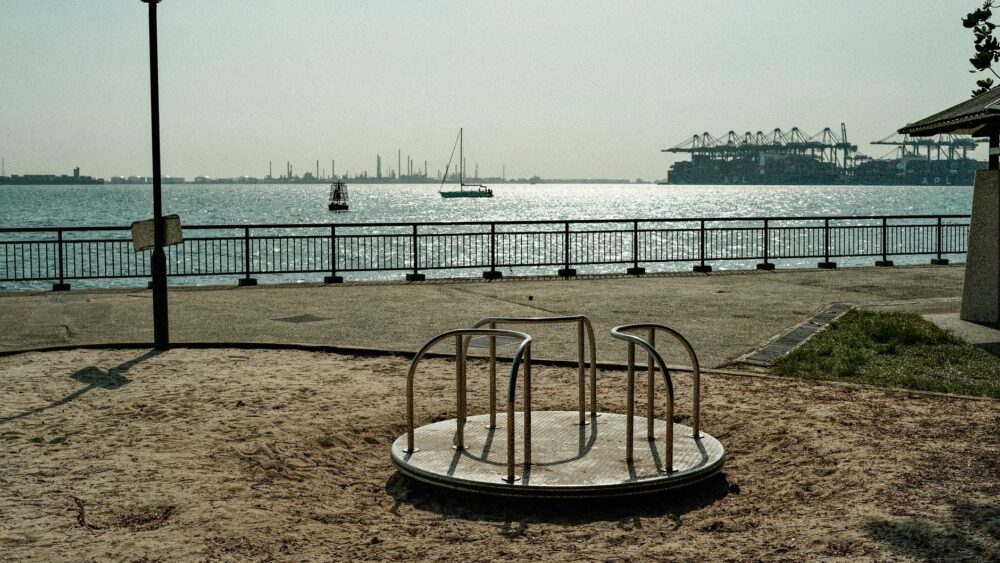
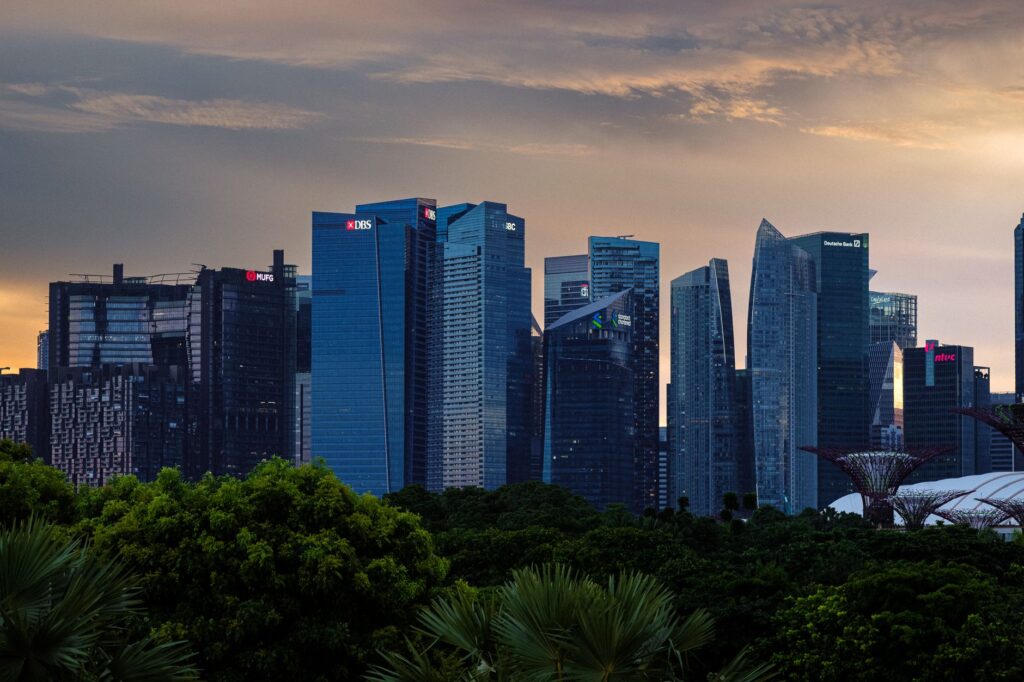
As dusk falls, the golden light of sunset reflects upon the calm waters of the Singapore Strait, illuminating the silhouettes of cargo ships anchored on the horizon and the treelined boundary of the Marine Parade promenade. In this moment of stillness, the metropolis’s hustle and bustle seem to fade away, giving way to the contemplation of a landscape where human action and the persistence of nature have found a fragile yet admirable point of equilibrium. Residents walk slowly along the shore, enjoying the sea breeze rustling through tree canopies, thereby closing a daily cycle of coexistence between the great city and the sea that embraces it.