
The Geography of a Capital on the Río de la Plata in Argentina
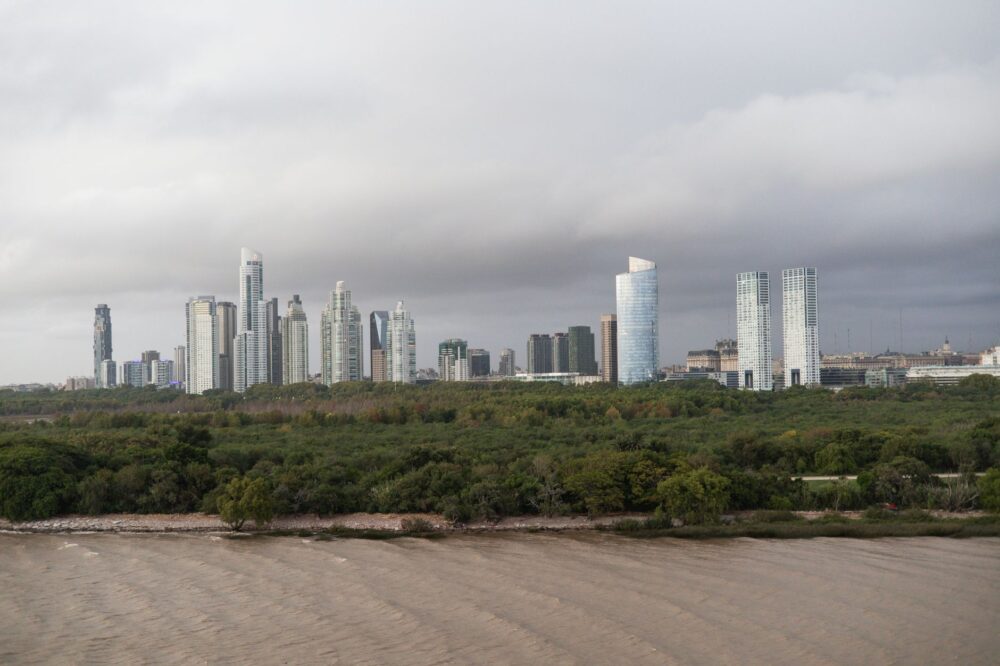
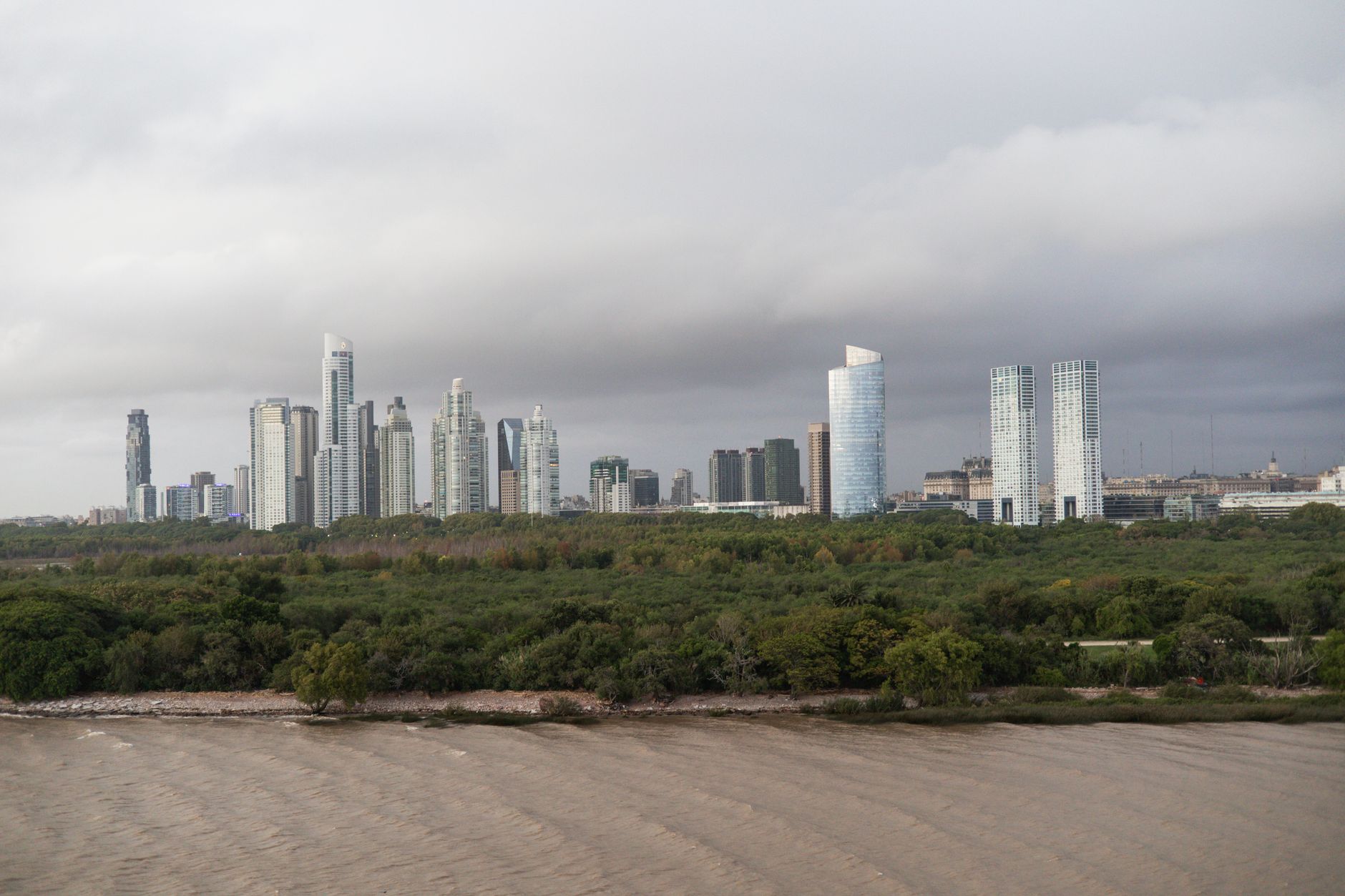
The Autonomous City of Buenos Aires spreads along the western bank of the Río de la Plata in Argentina, forming a territory where more than two million eight hundred thousand residents inhabit its central core, alongside a significantly larger metropolitan population. This geographic scale determines a distinct daily rhythm, where mornings begin early with the aroma of roasted coffee in corner shops and the constant flow of commuters heading toward bus stops and subway stations. The urban layout follows a colonial grid that, over centuries, has expanded outward with wide avenues and diagonals that break the geometric monotony.
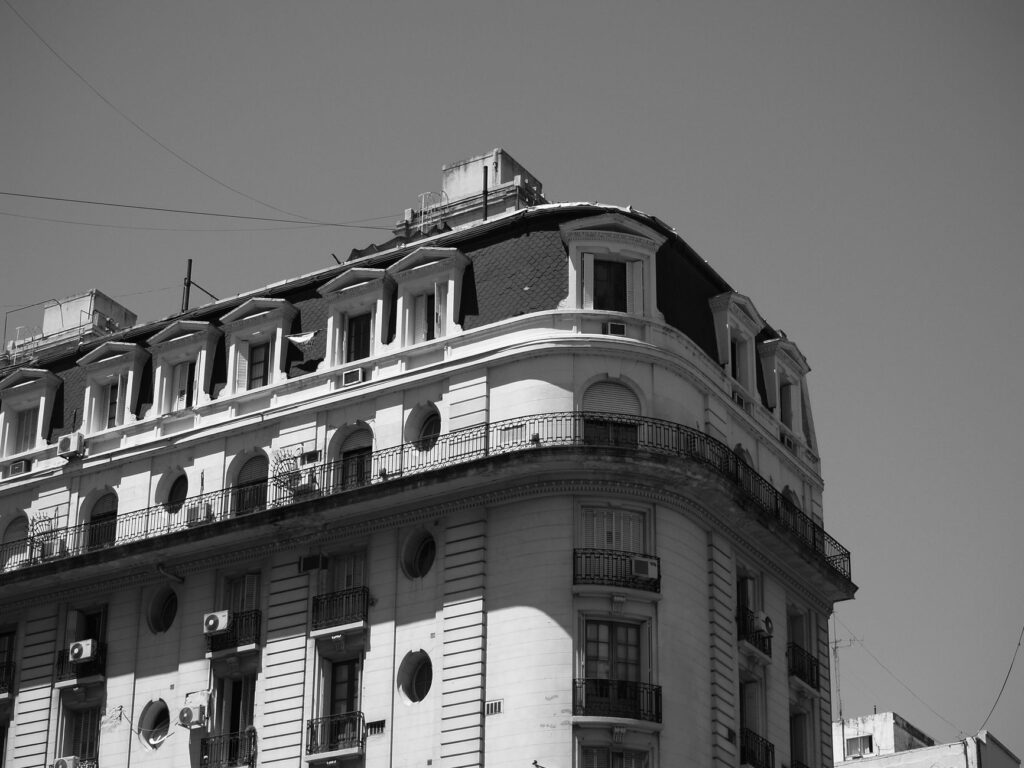
Walking through the Argentine capital involves deciphering layered strata of architectural history. From the Italianate facades and wrought-iron balconies in San Telmo to the imposing rationalist and academic buildings of the financial district, the urban landscape functions as an open archive. Granite setts, locally known as cobblestones, still endure on numerous secondary streets, forcing vehicular traffic to slow down and allowing pedestrians to perceive the sounds of restored tenement houses and open hallways.
The dense transport network and street arrangement invite a meticulous observation of urban architecture, where each facade tells stories of migration and neighborhood transformations. Open hallways allow glimpses into internal courtyards that retain cisterns and native vegetation, offering a haven of tranquility amid the metropolitan hustle.
Similarly, proximity to the river imbues the atmosphere with a distinct humidity that defines local sunsets, painting the sky with orange and pink tones that contrast with the silhouette of modern buildings and historic domes.
Beyond the immediate visual impact, the urban fabric reveals how communities organize their daily public life. Sidewalks become stages for social encounters, where neighbors pause to exchange greetings or discuss the events of the day under the shade of mature tipa and plane trees. This constant street-level interaction reinforces a collective identity rooted in urban proximity and shared neighborhood spaces, reminding every visitor that the true essence of the city lies in its pedestrian scale.
Furthermore, municipal efforts to maintain public squares and civic meeting points ensure that historical continuity is preserved not only in museums, but in the living experience of everyday citizens. The architectural diversity acts as a visual testimony of successive waves of immigration that shaped the cultural landscape of the region, inviting thoughtful exploration.
Literary Heritage and Paper Sanctuaries
The relationship between the inhabitants of Buenos Aires and reading possesses deep roots that transcend mere commercial habit. Boasting one of the highest concentrations of bookshops per capita in the world, the city in Argentina has turned the book into a daily and social object of reverence. Secular establishments coexist with independent spaces in neighborhoods as diverse as Palermo, Almagro, and Villa Crespo, where dark wood shelves hold both first editions of Río de la Plata poetry and contemporary essay releases.
In these paper sanctuaries, time seems to suspend itself. Readers leaf through volumes while booksellers, true neighborhood chroniclers, recommend local authors with encyclopedic knowledge. This atmosphere encourages literature to remain unconfined by academic libraries, instead forming an integral part of the urban landscape, directly dialoguing with the street corners once walked by foundational figures of Latin American letters.

Many of these bookstores also function as cultural centers hosting book launches, open debates, and small acoustic concerts, consolidating a unique community fabric in the region.
The habit of leafing through pages at sidewalk tables fosters a constant generational exchange, where youth and older adults share an interest in discovering new voices in contemporary and classical narrative.
Within these intimate settings, literary enthusiasts often engage in long conversations about poetry, philosophy, and local history. The preservation of antique shelving and vintage lighting fixtures creates an atmosphere of timeless reflection that shields visitors from the rush of contemporary urban life. Independent publishers find in these spaces a vital platform to showcase avant-garde works, ensuring that literary innovation continues to thrive alongside established classics.
Ultimately, these bookstores function as cultural anchors that reinforce the intellectual identity of the community, offering a quiet refuge for contemplation and discovery.
Notable Cafes and the Geography of Conversation
The concept of the pause finds an unrepeatable setting in the capital’s historic and notable cafes. Protected by municipal ordinances that safeguard their patrimonial and cultural value, these venues preserve oak wood paneling, tin counters, and waiters who have spent decades attending the same tables. Ordering a cortado coffee accompanied by medialunas is the starting point for observing the flow of local sociability in Argentina.
Unlike other megalopolises where eating is a purely functional act, here the gastronomic space functions as a modern agora. Neighboring tables discuss football, politics, art, or the details of the weather with a vehemence that is, above all, a form of affection. The responsible traveler who sits on these benches participates in a social choreography where time is not measured in saved minutes, but in the quality of shared conversation.
The preservation of these historic establishments requires the commitment of both owners and regular patrons, who defend the authenticity of their interiors against global commercial standardization trends.
Sitting down to write or read in these parlors becomes an exercise in integration with the local pace, respecting the traditions that have given identity to the city’s daily life.
Waiters move with practiced grace between closely spaced wooden tables, carrying trays laden with porcelain cups and freshly baked pastries. These routines establish a sense of continuity that anchors the neighborhood in its historical traditions. Regular patrons claim specific tables for their daily gatherings, turning the cafe into a second home where friendships are forged and civic matters are debated with passion and respect.
This enduring social ritual highlights the importance of preserving spaces that prioritize human connection over speed and efficiency.
Green Spaces as Lungs of Neighborhood Life
Despite its status as a major financial and political center, Buenos Aires integrates within its urban fabric a network of parks, squares, and ecological reserves that interrupt the asphalt. The Palermo Woods, with their artificial lakes and rose gardens, bring together families, athletes, and street musicians every weekend, transforming public space into a vast open-air drawing room.
Toward the east, the Costanera Sur Ecological Reserve offers a natural counterpoint by the river, protecting wetlands where native birds, pampas grass, and dirt trails coexist. This balance between building density and the preservation of wild spaces demonstrates a continuous will to maintain contact with the natural environment, an aspect that residents deeply value in their daily routines.
These green lungs allow citizens to temporarily disconnect from the fast pace of main avenues, offering a conducive space for contemplating the local flora and fauna of the Río de la Plata region.
Responsible use of these natural spaces involves minimizing waste generation and respecting conservation rules to protect the habitat of the species living there.
Park benches host readers seeking solitude under the canopy of native trees, while grassy expanses accommodate children playing and friends sharing mate infusions during weekend afternoons. Botanical diversity within these urban parks provides a vital sanctuary for migratory birds and local wildlife, creating small ecosystems amidst the concrete expanse. Community volunteers and park rangers work collaboratively to maintain trails and educate visitors on the importance of native biodiversity.
These natural refuges remind inhabitants and travelers alike of the fragile balance between urban expansion and ecological preservation.
The Identity of Neighborhoods and Artisan Fairs
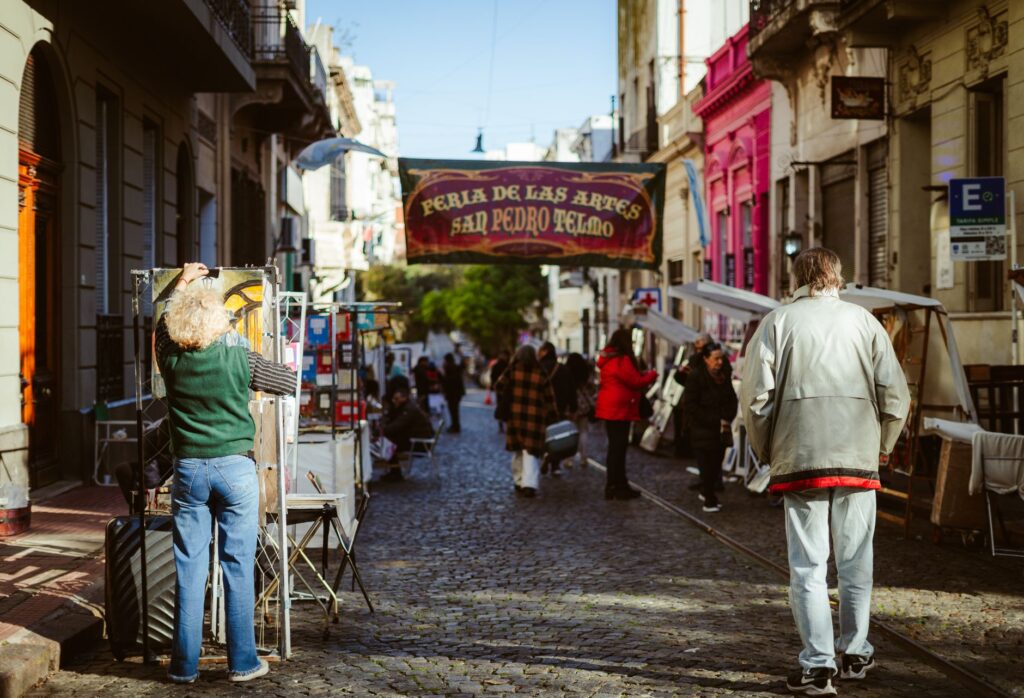
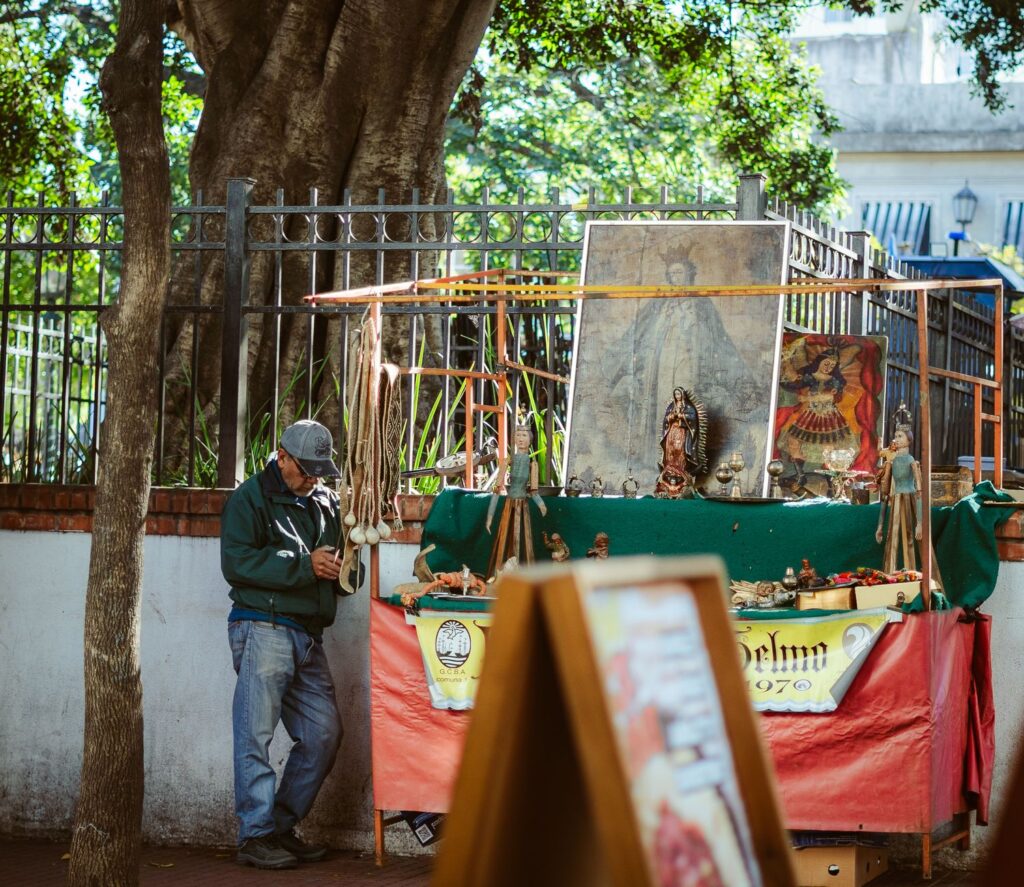
Each neighborhood in Buenos Aires possesses a distinct legal and cultural personality that sets it apart from its neighbors. While Monserrat preserves the institutional solemnity of government buildings, La Boca displays the tradition of its corrugated metal tenements painted with leftover shipyard paint and a strong grounding in popular visual arts. Meanwhile, fairs like Mataderos or San Pedro Telmo celebrate traditional craftsmanship, folklore, and creole silversmithing.
These community expressions are not mere tourist attractions, but spaces where knowledge passed down from generation to generation is preserved. Leather goods workshops, stringed instrument crafting, and regional cuisine find a legitimate channel of subsistence and visibility in these markets, resisting global commercial standardization.
Exploring these fairs allows visitors to understand the cultural diversity that shapes the identity of the Argentine capital, valuing manual labor above mass production.
Direct interaction with artisans fosters fair and transparent commerce, where each acquired piece carries a history of dedication and cultural heritage.
Artisans meticulously shape leather, silver, and wood in front of curious onlookers, explaining the techniques inherited from their forebears. The melodic sounds of traditional folk music drift across the crowded plazas, inviting passersby to pause and observe folkloric dances performed in traditional attire. Stalls laden with homemade preserves, textiles, and ceramic artifacts reflect the rich tapestry of regional traditions preserved within the urban environment.
Engaging with these markets offers a profound appreciation for the creativity and resilience of local artisans who sustain their ancestral crafts in the face of industrial mass manufacturing.
Urban Mobility and the Challenge of Walking the City
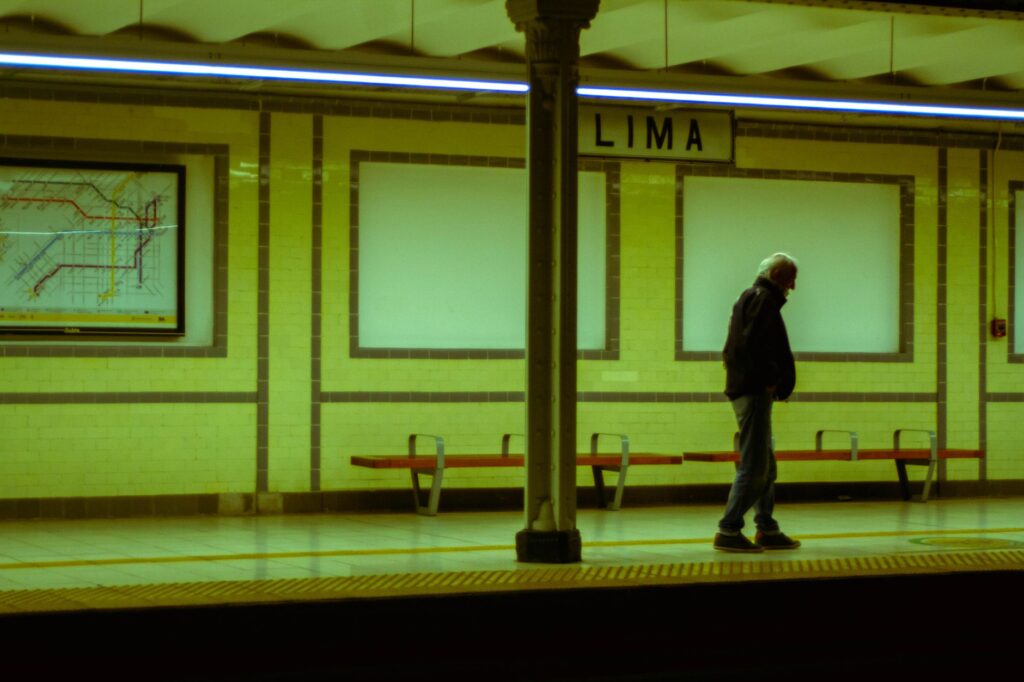
Getting around Buenos Aires requires understanding a multimodal transport system that combines Latin America’s oldest subway network with an extensive bus fleet and a constantly expanding bike lane network. The use of the SUBE card unifies access to these modes, facilitating efficient mobility for both residents and visitors who travel with sustainability criteria.
Nevertheless, the best way to understand the human scale of the capital is through walking. Strolling through the corners that characterize the urban layout allows one to discover small shoe repair workshops, secondhand bookshops, and neighborhood grocery stores that preserve personalized attention. The pedestrian infrastructure, though challenged by vehicular volume, invites leisurely exploration respectful of the daily rhythm.
Walking along tree-lined sidewalks also reveals minor architectural details that often go unnoticed from motorized transport, such as old enameled signs and fine ironwork on entrance doors.
Opting for walking or cycling contributes to reducing the urban carbon footprint, promoting a more harmonious and quiet relationship with the built environment.
Navigating the streets on foot reveals the subtle shifts in neighborhood character as one transitions from bustling commercial arteries to quiet residential blocks. Shopkeepers sweep their thresholds in the morning light, greeting familiar faces with warmth and customary hospitality. This intimate pace encourages sensory awareness, allowing pedestrians to notice the scent of roasting coffee, the sound of leaves rustling overhead, and the intricate details of nineteenth-century ironwork on residential balconies.
Embracing pedestrian mobility transforms transit from a utilitarian chore into an exploratory journey of discovery.
Responsible Practices for the Mindful Visitor
Contemporary tourism in the capital demands adopting an ethical stance that minimizes environmental impact and boosts the local economy. This translates to preferring accommodations integrated into residential neighborhoods, consuming at local shops, and using public transport instead of private vehicles. Likewise, the care of architectural heritage and respect for civic coexistence rules guarantee that the travel experience remains harmonious.
The informed traveler understands that knowing Buenos Aires goes beyond visiting landmark monuments; it requires the ability to integrate respectfully into the daily flow of its residents. Supporting independent cultural projects, attending off-theater performances, and consuming locally denominated products are decisions that enrich the journey and ensure the preservation of the social fabric giving life to this great metropolis.
This participatory approach encourages respectful tourism that values the authenticity of daily life over purely commercial circuits, directly benefiting the resident community.
Empathy with local customs and a readiness to learn from community dynamics are essential tools for a transformative and sustainable journey.
Mindful visitors recognize that every purchasing decision and interaction affects the delicate balance of the neighborhoods they explore. By choosing family-run fondas over chain restaurants and participating in neighborhood walking tours led by local historians, travelers contribute directly to the grassroots economy. Respecting local quiet hours, minimizing single-use plastic waste, and learning basic conversational customs demonstrate a genuine commitment to harmonious coexistence.
Ultimately, conscious tourism fosters mutual respect and cultural exchange, ensuring that future generations can continue to enjoy the authentic character of the destination.
Practical Guide
How to get there: Ministro Pistarini International Airport, located in Ezeiza, receives most international flights, while Jorge Newbery Airpark, situated by the river within the city, manages domestic and regional connections.
When to go: Autumn (March to May) and spring (September to November) offer mild temperatures ideal for exploring the city on foot, avoiding the peak heat and humidity of summer.
Internal transport: Acquiring a SUBE card is essential to use the subway and buses. The bicycle lane network allows for short trips efficiently.
Accommodation: It is recommended to choose boutique hotels or apartments in residential areas such as Palermo Soho, San Telmo, or Almagro to experience authentic neighborhood life.
Gastronomy and shopping: Prioritize local fresh markets, neighborhood artisanal bakeries, and independent bookshops to support the proximity economy.
Urban Epilogue Under the Plata Sky
As evening falls, the golden twilight over the Río de la Plata tints the city’s domes and balconies with a melancholic palette that has inspired poets and composers for generations. Buenos Aires continues its relentless march, masterfully balancing its cosmopolitan vocation with the inextinguishable warmth of its neighborhood traditions across Argentina.