As Salt, Jordan: The Golden Stone Terraces Where Memory Meets Valley Rhythm
An in-depth exploration of the Jordanian city of As Salt, examining its sandstone architecture, heritage of coexistence, and the responsible choices of its visitors.
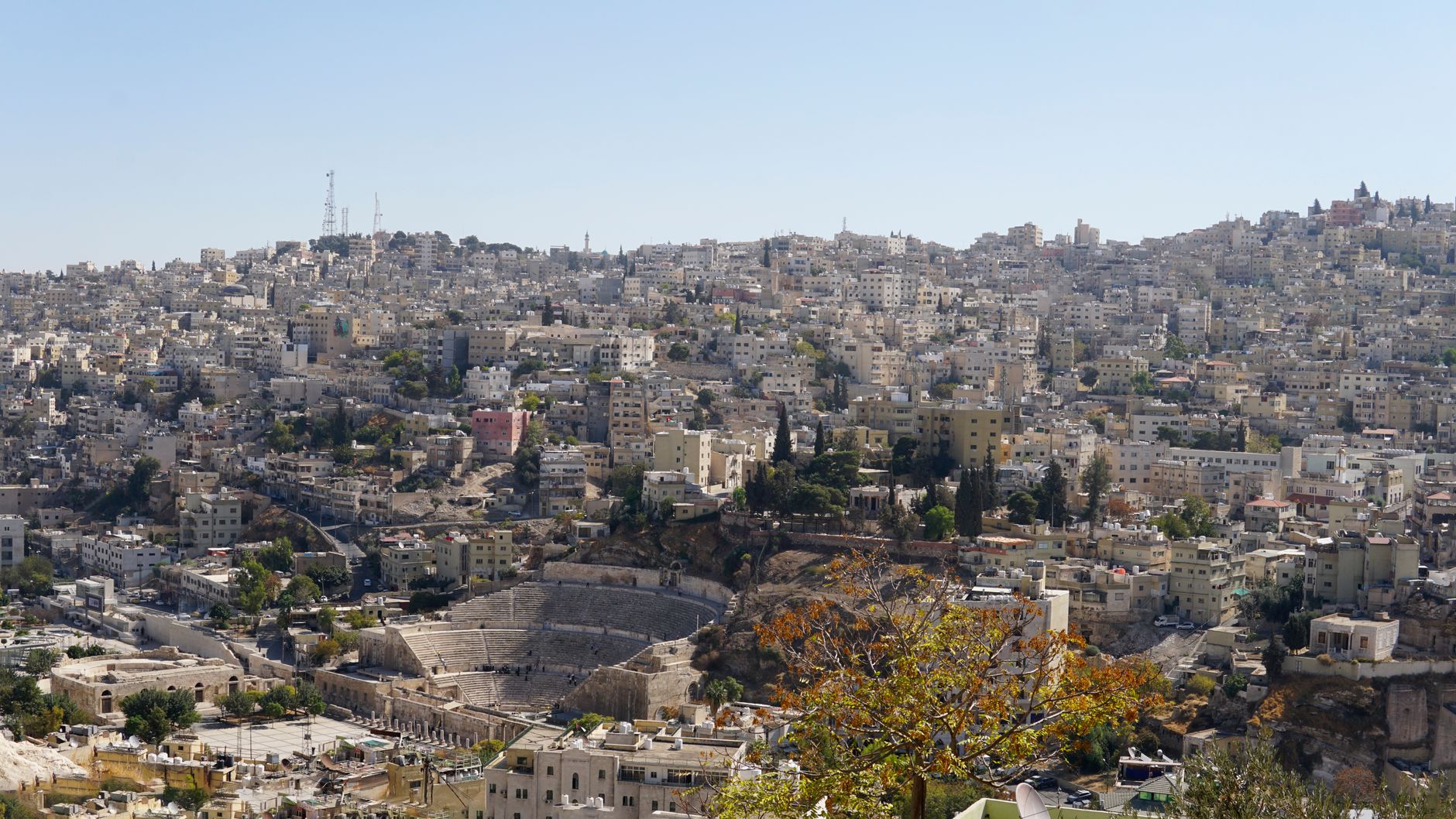
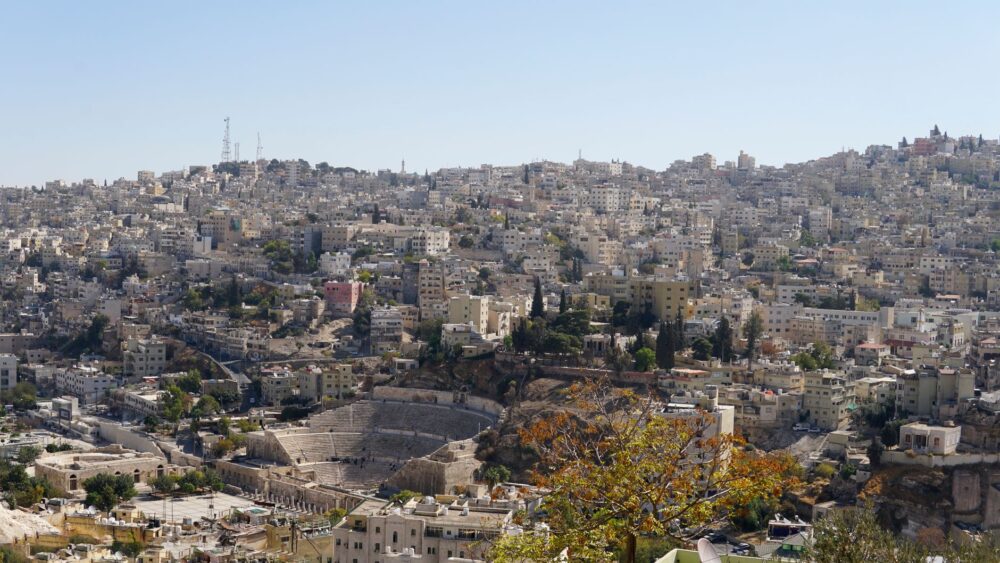
In the heart of the Balqa highlands, upon a natural amphitheater sculpted by three main hills, stands the city of As Salt. This historic Jordanian enclave, situated roughly eight hundred meters above sea level, has served for centuries as a crossroads where trade routes from the eastern desert and the Jordan Valley converge. Far from the accelerated pace of contemporary metropolises, the town displays an urban fabric characterized by yellow limestone and sandstone facades, whose blocks were quarried locally to form buildings with solid walls and arched windows.
Walking through its main streets demands a constant pause. The steep slopes and pedestrian passageways connecting different neighborhoods reveal a layout where public space is shared organically among neighbors, merchants, and visitors. The local altitude fosters a temperate climate for much of the year, although mornings often welcome a crisp breeze descending from the surrounding ridges, setting the rhythm of a day that begins with the opening of small traditional shops and the aroma of cardamom coffee permeating doorways.
The local identity of As Salt rests on a long history of cultural and religious exchange. Unlike other urban centers in the region, its social fabric has traditionally been characterized by close coexistence among communities of different beliefs, a trait directly reflected in domestic architecture and the arrangement of public squares. Historic residences, many built in the late nineteenth and early twentieth centuries thanks to the prosperity of agricultural and financial commerce, combine Ottoman influences with local stonemasonry techniques.
Architectural Heritage and the Use of Local Materials
Examining the architecture of As Salt provides an understanding of the direct relationship between environmental resources and residential design. The city’s most emblematic buildings stand out for their use of transverse arches, vaulted ceilings, and interior courtyards that act as thermal regulators against seasonal variations. The stone utilized in construction not only imparts notable durability against the passage of time but also grants the entire urban ensemble a characteristic golden hue when the sun strikes obliquely at dusk.
The artisans and builders who raised these properties integrated discreet yet expressive ornamental elements, such as carved wooden lattices on balconies and cornices sculpted with geometric motifs. These details evidence a technical mastery transmitted from generation to generation, where each stone block was carefully dressed to fit without complex binders. Today, the conservation of this architectural legacy represents a constant challenge for local authorities and owners, who seek to balance the modernization needs of homes with the preservation of their historic value.
The maintenance of these structures requires specialized labor and deep knowledge of the properties of limestone. Recent interventions prioritize traditional materials and reversible techniques to avoid altering the visual authenticity of the ensemble. Thus, the alleys retain their original appearance, allowing the contemporary visitor to perceive the atmosphere of an era when craftsmanship responded directly to the rugged topography of the terrain.
Daily Life in Markets and Public Squares
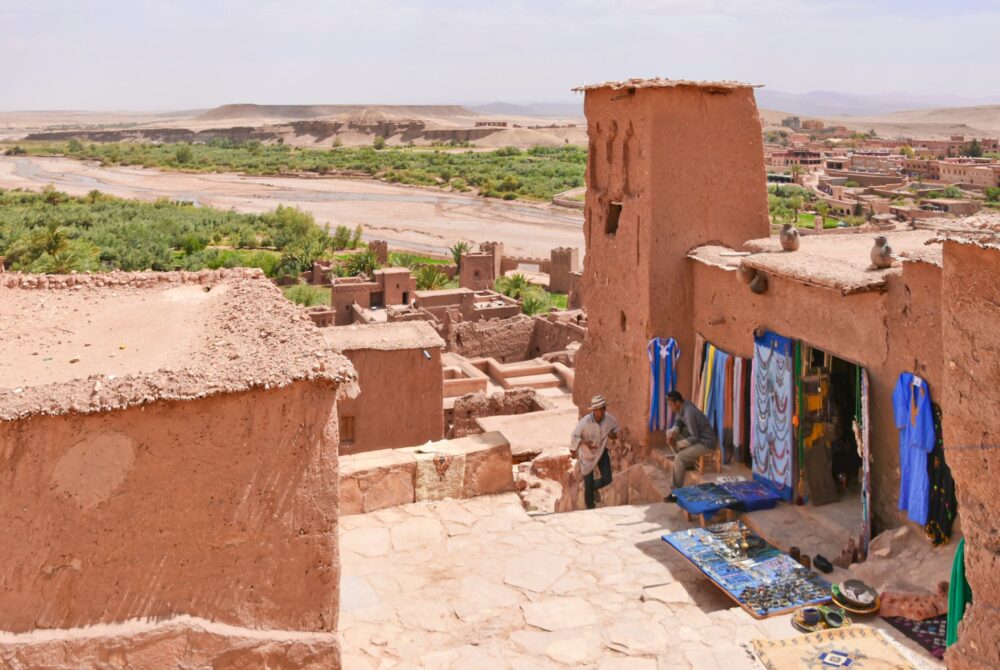
Daily activity in As Salt is concentrated around its traditional markets and small plazas, spaces where agricultural products from nearby valleys, textiles, and everyday goods are traded. The central market, known locally as the souk, constitutes the commercial lung of the city. There, stalls of fresh vegetables, spices, and dried fruits succeed one another without interruption, reflecting the agricultural wealth of the Balqa Governorate and its capacity to supply both residents and travelers interested in regional gastronomy.
Daily interactions in these spaces are governed by a deep-rooted hospitality that forms an inseparable part of Jordanian culture. Merchants typically greet those who stop at their counters with unhurried conversation, offering tea or detailed explanations of their goods’ origins. This community dynamic contrasts with the commercial standardization of other latitudes, reminding visitors that local trade continues to fulfill a fundamental cohesive function for the city’s social fabric.
Beyond food stalls, the souk houses small artisan workshops where it is still possible to observe the crafting of traditional utensils and the repair of metal objects. These trades, though threatened by mass industrial production, survive thanks to the dedication of families who keep their shops open in the oldest alleys, ensuring the transmission of practical knowledge that enriches the cultural experience of the place.
Responsible Choices for the Visitor
Approaching As Salt from a perspective of responsible tourism implies adopting a series of guidelines designed to minimize impact on the urban environment and host communities. Given that much of the historic zone is pedestrian and consists of narrow, steep streets, traveling on foot is essential. Wearing appropriate footwear for uneven surfaces and respecting residents’ privacy in residential areas are basic premises for harmonious coexistence during the stay.
Likewise, travelers can contribute to the local economy by opting for human-scale accommodations, authorized local guides, and dining establishments that use proximity ingredients. These choices reinforce the destination’s sustainability, allowing economic benefits derived from tourism to be distributed equitably among the families who inhabit and care for the city’s historical heritage.
The true value of a historic territory lies in the capacity of its inhabitants to keep their daily memory alive while welcoming the traveler with mutual respect.
Heritage care also encompasses waste management and the rational use of water, an especially valuable resource in the Middle East context. Local initiatives promote awareness among both visitors and resident populations about the importance of preserving natural resources, ensuring that tourism development does not compromise the quality of life or the ecological balance of the region.
Community Fabric and Shared Memory
Behind the stone and historic facades, the dynamism of As Salt is sustained by community associations and cultural centers. These organizations play a key role in safeguarding oral traditions, organizing educational workshops, and promoting activities that involve younger generations in preserving local heritage. Through community restoration projects and outreach programs, a sense of belonging is fostered that transcends the mere ornamental value of buildings.
Local archives and photographic collections safeguarded by area families allow researchers to trace the urban evolution of the city over the past century. These graphic and written documents show how As Salt has adapted to administrative and demographic changes without losing its singular character. The population, currently exceeding one hundred thousand inhabitants, maintains a constant balance between respect for ancestral customs and the integration of modern digital and educational tools.
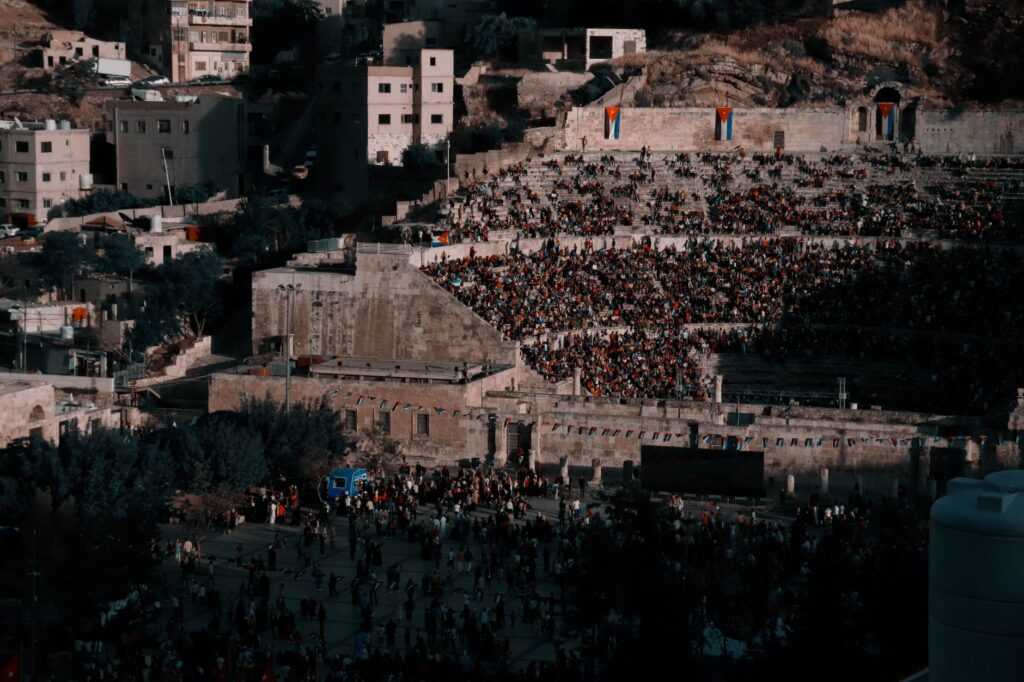
This intergenerational dialogue manifests in local festivities and the way community events are celebrated. Gatherings in squares and public spaces serve as convergence points where daily matters are discussed and collective initiatives to improve the urban environment are planned, consolidating a cohesive and participatory community.
Practical guide
How to get there: As Salt is located about thirty kilometers northwest of Amman. It is accessible via regular public transport, such as buses and shared taxis departing from the Jordanian capital, or by private vehicle via the main road crossing the Balqa hills.
When to go: The spring months (March to May) and autumn (September to November) offer the most favorable weather conditions for exploring the city on foot, featuring moderate temperatures and lower probability of heavy rainfall.
Where to stay: Accommodation options include small restored traditional guesthouses within the historic center, as well as mid-range hotels in newer urban expansion zones.
Recommended gastronomy: It is advisable to try dishes prepared with local products such as regional olive oil, nuts, and traditional culinary specialties of Jordanian cuisine in family-run restaurants downtown.
Requirements and recommendations: Visitors are advised to wear modest clothing covering shoulders and knees, comfortable footwear with non-slip soles for steep streets, and carry local currency (Jordanian dinar) for small transactions in the markets.
The Final Glow Over the Balqa Hills
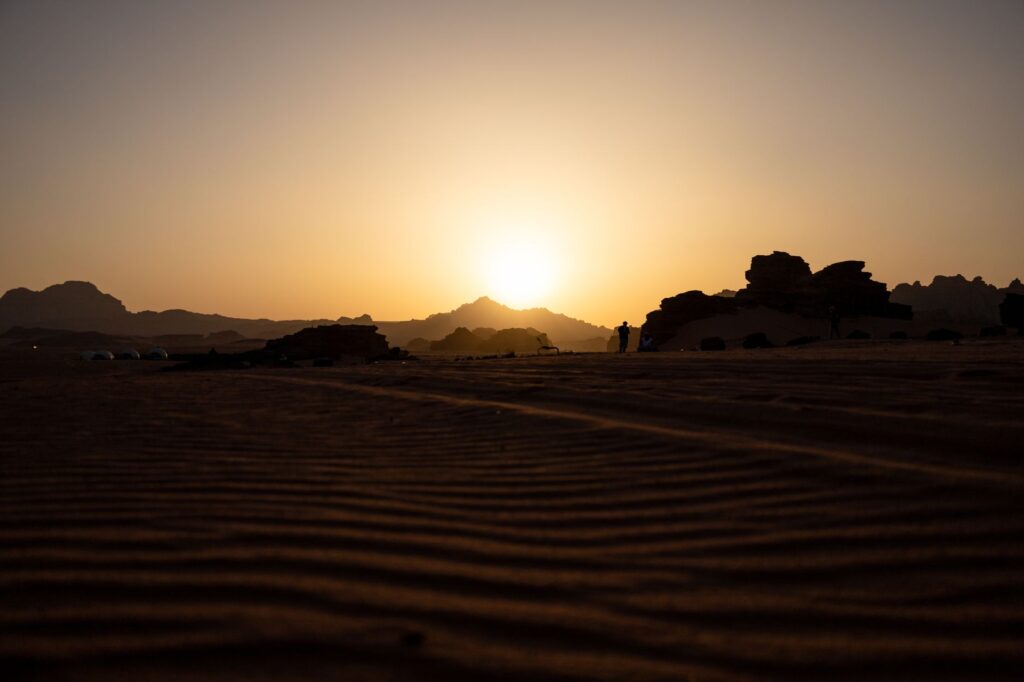
As evening begins to fall over the hills of As Salt, sunlight acquires a golden intensity that completely transforms the appearance of the limestone walls. At that moment, the contours of historic buildings stand out sharply against the clear sky, while activity in the alleys gradually decreases to give way to nighttime calm. It is the moment when the city recovers its most intimate silence, the one that has accompanied its inhabitants across centuries.
Observing this sunset from one of the elevated viewpoints allows one to appreciate the harmony with which human settlement integrates into the natural topography of the land. Far from mass-marketed commercial routes, As Salt remains an eloquent testament to human capacity for building a durable habitat respectful of its environment, inviting all who stop to contemplate it to reflect on the value of memory and permanence in a constantly transforming world.