
The Urban Genesis of a Residential Landscape
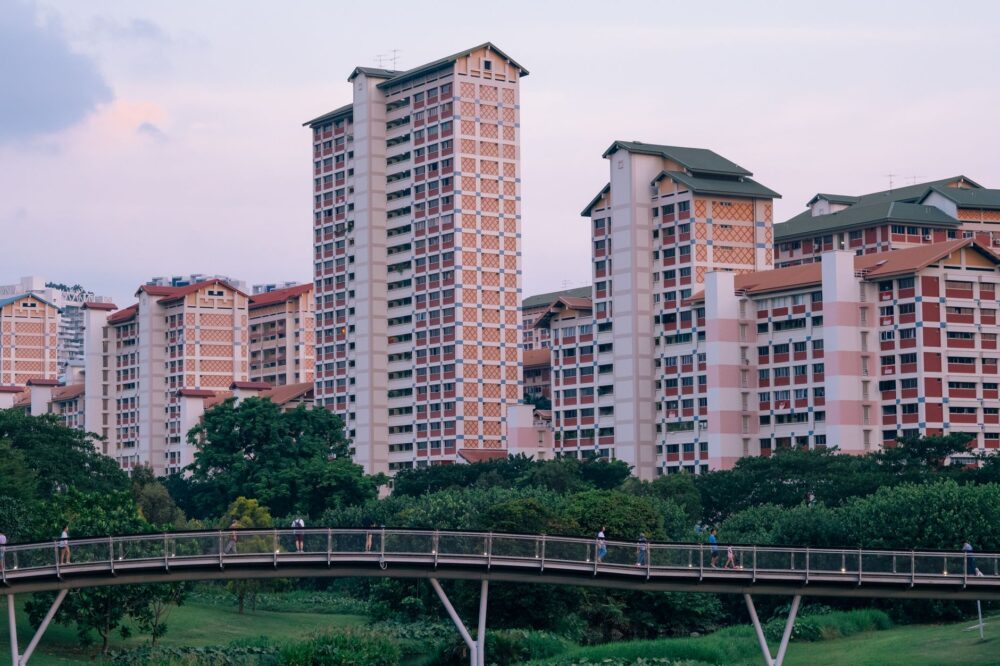
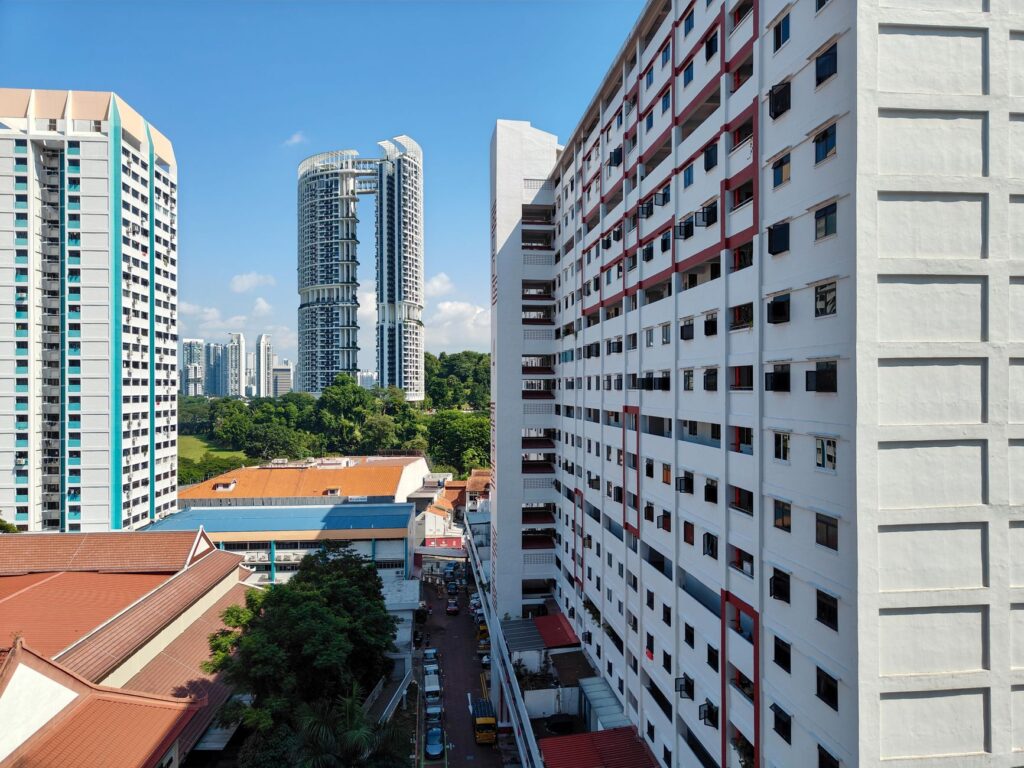
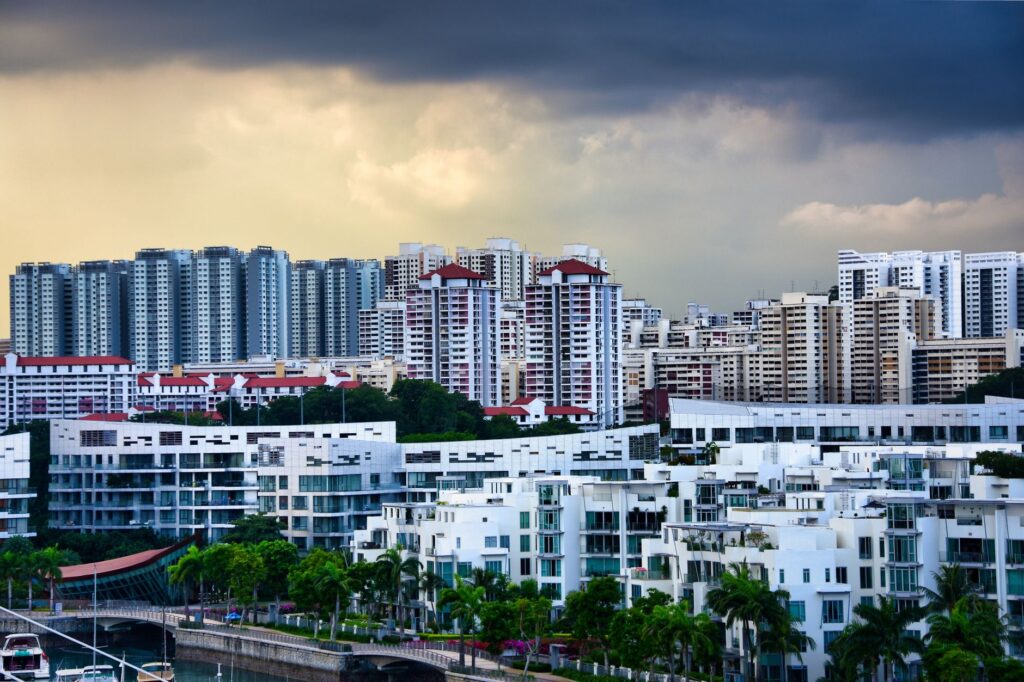
The urban layout of Ang Mo Kio New Town in Singapore reflects methodical planning conceived in the late 1970s. Its high-rise residential blocks, arranged in numerical neighborhoods, not only optimized available space on the island but integrated a network of public spaces from their original design where communal dining serves as the backbone of daily coexistence. Unlike purely commercial enclaves, this district maintains a structure where the concrete of HDB blocks coexists harmoniously with tree-lined squares and open ground-floor galleries.
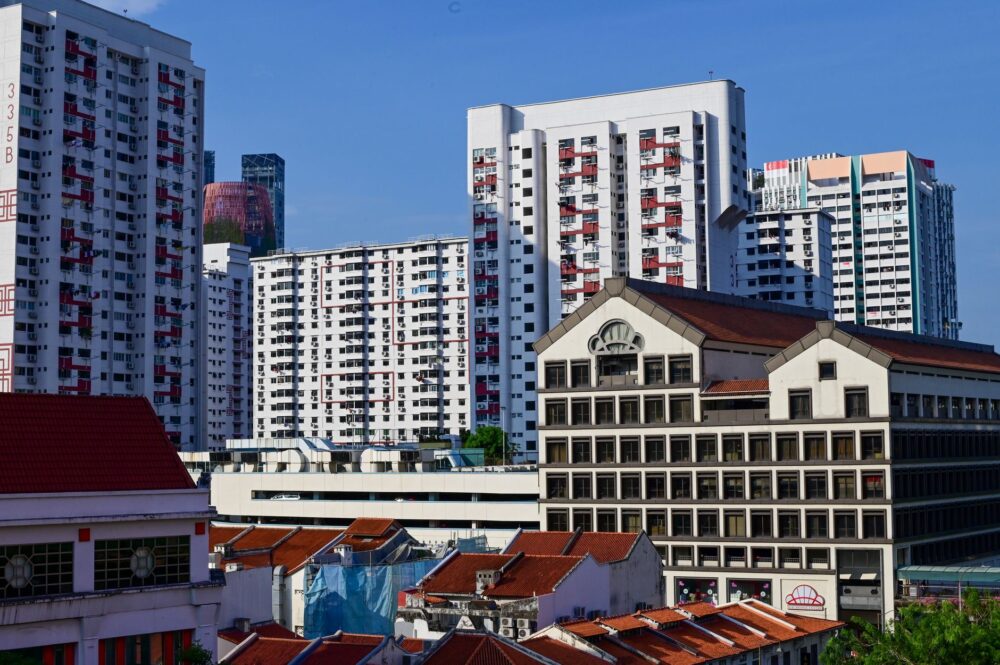
Walking along the pavements of this sector of the island reveals utilitarian architecture endowed with deep social cohesion. Covered walkways protect against both tropical downpours and equatorial sun, creating a cool twilight that invites constant pedestrian traffic. In this environment, local residents walk each morning toward wet markets and popular food centers, establishing routines that have repeated with millimeter precision for decades. The height of the buildings contrasts with the low scale of the food stalls, generating a visual duality characteristic of Singapore’s urban landscape.
The collective memory of the inhabitants is woven around these shared spaces. Each block functions as a small vertical village where neighborhood knowledge is transmitted in hallways, elevators, and above all, in front of the stainless steel counters where traditional dishes are prepared. The transformation of former orchards and rural settlements into a modern satellite city did not erase culinary customs; on the contrary, it concentrated and organized them into roofed complexes designed to guarantee hygiene and universal accessibility.
The Morning Ritual at Food Centers
Activity in the hawker centers begins long before dawn. Cooks ignite gas burners and prepare base broths that will serve as the foundation for noodle soups and flavored rices. In Ang Mo Kio, these spaces are not mere provisioning zones, but the true civic heart of the neighborhood. Neighbors gather at communal formica tables to read the morning newspaper while sharing a cup of local coffee infused through cloth filters, traditionally accompanied by sliced toast spread with coconut jam and cold butter.
The murmur of conversations in local dialects and English blends with the clatter of ladles and the sizzle of cast-iron skillets. The culinary offering reflects Singapore’s demographic plurality, with Chinese, Malay, and Indian influenced recipes coexisting under one roof. Each stall features a specialty perfected over generations, a culinary legacy kept alive thanks to the loyalty of a clientele that visits the same counters daily seeking consistent, comforting flavors.
The responsible management of these food venues involves strict cleanliness regulations and rigorous tracking of ingredient traceability. Local authorities permanently supervise the facilities, ensuring that the street food tradition evolves without compromising public health. For the visitor, observing this daily machinery requires an attitude of respect and observation, understanding that each dish served represents a synthesis of migratory history and urban adaptation.
Culinary Heritage and Multicultural Legacy
Everyday cooking in this sector of Singapore is a living archive of the country’s multicultural diversity. The aromas emanating from the stalls combine pandan leaves, coconut milk, tamarind, and fermented fish pastes. Far from international fine dining proposals, the value of this gastronomy lies in its accessibility and the technical mastery required to balance complex dishes in a matter of minutes. Dishes like hokkien mee or roti prata are crafted with precise gestures that betray years of trade behind the stoves.
The popular table in the island’s residential neighborhoods does not seek aesthetic surprise, but the permanence of a shared flavor linking the agricultural past with the metropolitan present.
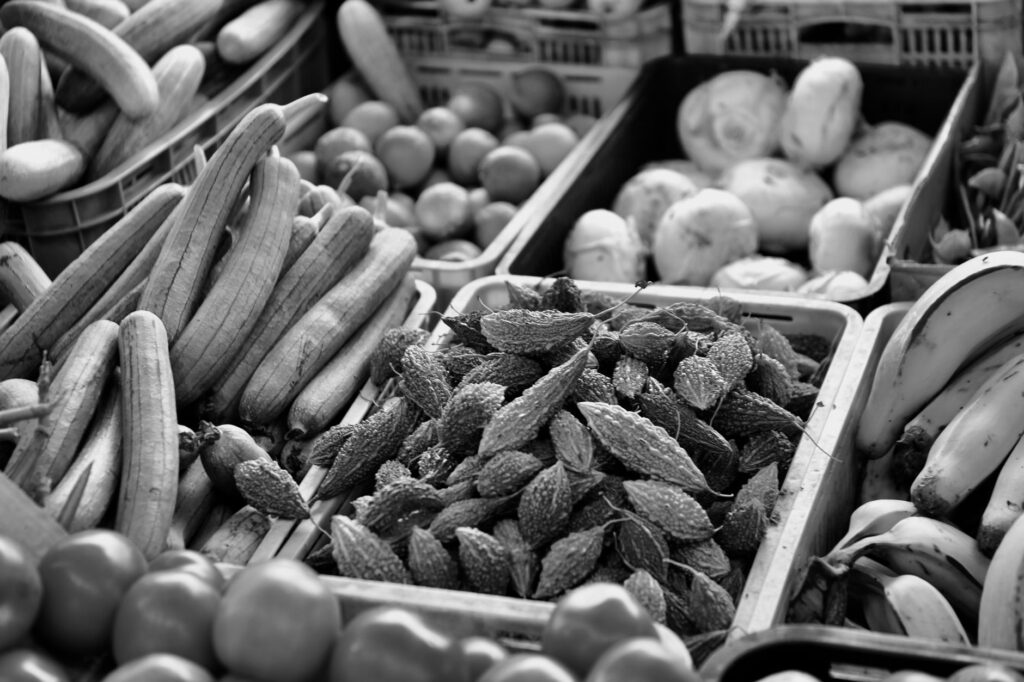
This culinary heritage is sustained by a highly efficient supply chain that daily supplies local markets with fresh produce imported from the region and grown in specialized urban farms. Traditional vegetable and meat stalls operate in direct symbiosis with the food center cooks, ensuring raw materials retain optimal properties. This direct relationship between market and dish fosters a neighborhood economy of scale that resists the pressures of excessive commercial modernization.
Respect for original recipes is often transmitted within the family sphere, although the scarcity of generational renewal poses new challenges for the continuity of older stalls. However, the arrival of new profiles of young cooks brings renewed dynamism, reinterpreting classics without altering the essence that defines the gastronomic identity of the area. This creative tension enriches the everyday offering and keeps public spaces active as intergenerational meeting points.
Residential Architecture and Meeting Spaces
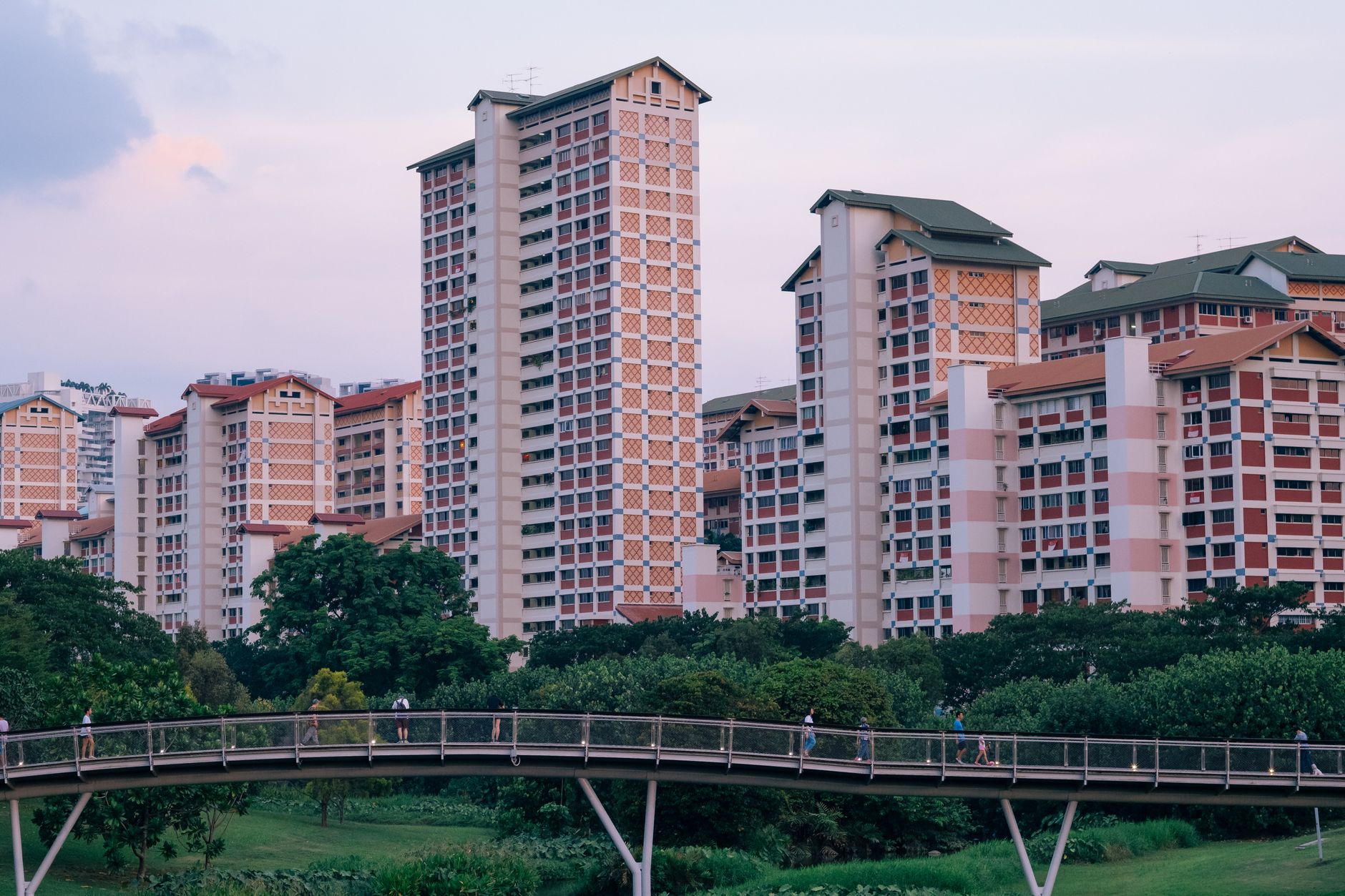
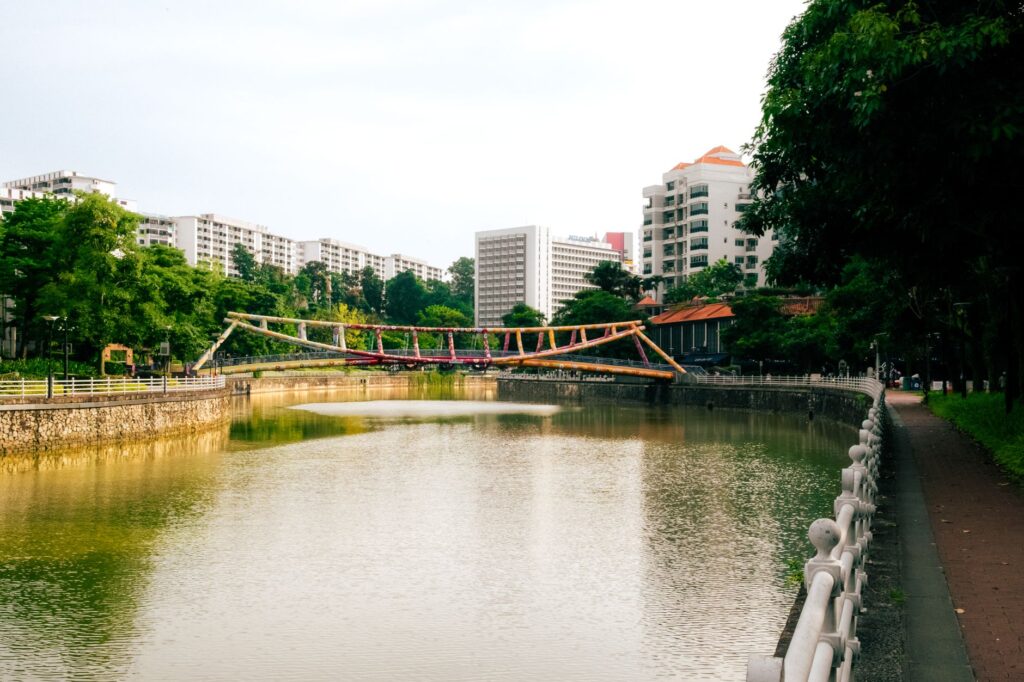
The urban morphology of Ang Mo Kio stands out for its integration of green areas and elevated walkways connecting residential blocks with nearby shopping centers and markets. This urban design, promoted in the early decades of state development, prioritized the creation of urban microclimates where mature trees provide shade and coolness for pedestrians. Central squares act as focal points where community festivities and temporary agricultural markets are held.
Among the corridors of apartment blocks, life unfolds at a leisurely pace that contrasts with the frenzy of the central financial district. Older residents practice morning exercises in linear parks, while children play in recreational areas protected from the sun by dense tropical vegetation. This community-oriented architecture fosters a strong sense of belonging, where shared spaces are cared for and respected as an extension of one’s own home.
The coexistence of different ethnic groups in these public housing buildings has generated a unique model of social integration. Celebrations of Chinese New Year, Hari Raya, or Deepavali are held jointly in common areas, where food acts as the primary element of cohesion. The open corridors of the buildings facilitate neighborhood exchange, allowing aromas and greetings to cross dwelling doors without artificial barriers.
Responsible Visitor Decisions
Exploring a densely populated residential district like this requires adopting behavioral guidelines respectful of residents’ daily lives. Unlike purely tourist zones, here the traveler steps into a fully functioning neighborhood ecosystem. It is essential to follow basic rules such as returning trays used in food centers to designated return points, respecting queues at popular stalls, and avoiding obstructing traffic in narrow commercial galleries.
Conscious consumption also involves valuing the artisanal work behind each dish, avoiding food waste and opting for adequate portions. Supporting small shopkeepers and independent cooks helps preserve the local economy against the homogenization of large restaurant chains. The responsible traveler understands that their presence should integrate discreetly into the daily routine, observing without disrupting the delicate social and cultural balance of the neighborhood.
Likewise, the use of public transport, such as the MRT metro system and local buses, facilitates travel without saturating the urban space with private vehicles. Walking along covered walkways and using shared bicycles allows visitors to discover architectural details and small shops that escape conventional tourist routes, enriching the travel experience from a sustainable and respectful perspective.
Practical guide
How to get there: Ang Mo Kio New Town is seamlessly connected to central Singapore via the North-South Line metro (NS16 Ang Mo Kio Station) and an extensive network of urban buses operating with daily frequency.
When to visit: The early morning hours, between 07:00 and 10:00, offer the best opportunity to observe the hustle and bustle of wet markets and enjoy traditional breakfasts. Sunset is also ideal for exploring public spaces when temperatures drop.
Where to eat: The hawker centers located next to block 724 and nearby markets concentrate dozens of historical stalls where you can taste local specialties prepared with traditional recipes.
Local etiquette: It is an indispensable custom to deposit used trays and tableware on the return shelves provided in food centers. Additionally, occupying a table with a pack of facial tissues is the accepted traditional method to indicate reservation while ordering at the stalls.
Visual and Human Epilogue in the Neighborhood
As evening falls, the golden tropical light filters through the crowns of mature trees flanking the residential blocks, casting long shadows over light-tiled pavements. At the communal tables, the weather-beaten faces of older neighbors light up with quiet end-of-day conversation, while ceiling fans turn lazily over the heads of those sharing a final steaming tea. This daily sunset encapsulates the essence of Ang Mo Kio New Town: an indestructible human fabric where functional architecture and culinary memory embrace to keep Singapore’s most authentic soul alive.