
The Silhouette of the Strait and the Patagonian Horizon
At the southern tip of Chile, where the American continent begins to fracture into an archipelago of channels and fjords, stands Punta Arenas. This city in the Magallanes and Chilean Antarctica Region deploys its urban layout across natural terraces facing directly onto the Strait of Magellan. With a population exceeding one hundred seventeen thousand residents, the locality serves as a neuralgic hub connecting the continental ice fields with the vastness of the Pacific and Atlantic Oceans. Its location is far from accidental; it responds to a history of maritime routes and international navigation that predated the opening of the Panama Canal.
The southern wind, popularly known as the Patagonian wind, imposes a distinct rhythm on urban mobility. The streets of Punta Arenas are explored with attention focused on the architectural details that reveal its golden age in the late nineteenth and early twentieth centuries. The galvanized iron shingle facades and noble timber mansions recall the economic boom generated by sheep farming and coal mining. Far from being an open-air museum, the city maintains a very active commercial and port dynamic where locals walk between tree-lined squares and open viewpoints overlooking the channel.
Muñoz Gamero Plaza: The Historic and Social Heart
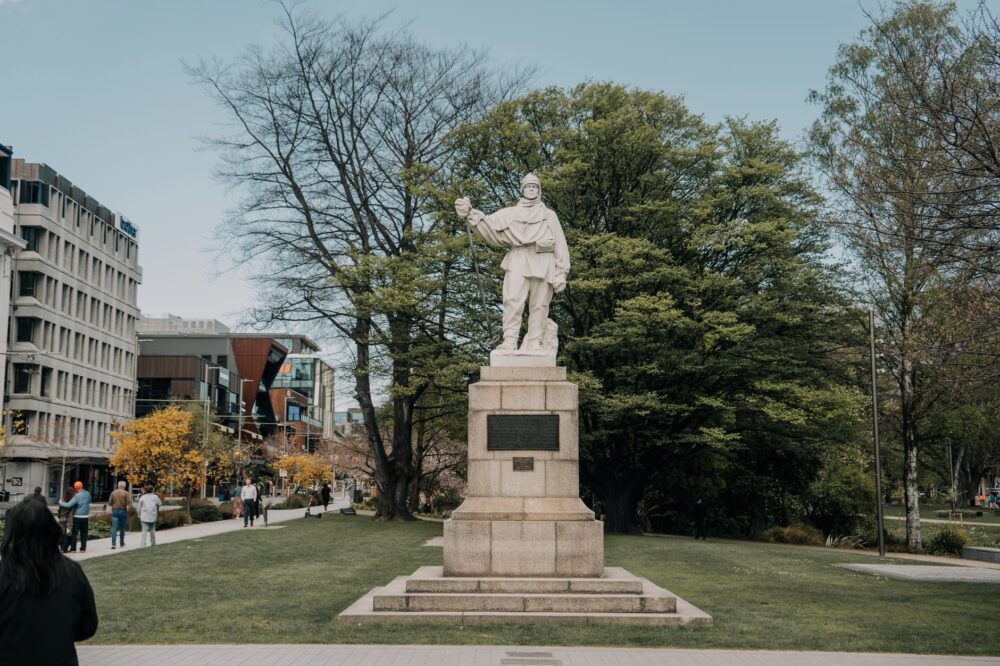
The neuralgic center of Punta Arenas revolves around the Muñoz Gamero Plaza, a public space sheltered by tall native trees that cushion the force of the wind. In the center of this urban quadrangle stands the monument dedicated to Ferdinand Magellan, surrounded by figures of indigenous peoples who form part of the region’s heritage. Local residents cross the plaza daily to run errands, meet in traditional cafes, or simply observe the flow of community life beneath the changing light of the Magallanes sky.
A few steps from the plaza, institutional buildings and former palaces of the livestock-farming families display European-influenced architecture adapted to the extreme southern climate. The Sara Braun Palace, now converted into a cultural center and hotel, showcases the luxury and refinement with which the pioneers ornamented their residences. The commercial galleries and traditional bookstores in the surrounding area offer a warm refuge against weather variations, making it clear how the city’s social life always finds a space for shelter and neighborhood gathering.
The Municipal Cemetery: Memory, Cypresses, and Funerary Architecture
Considered one of the most beautiful cemeteries in South America, the Sara Braun Municipal Cemetery in Punta Arenas constitutes a true historical journey through its sculpted cypress-lined avenues. Founded in the late nineteenth century, this enclosure brings together monumental pantheons of Croatian, British, Spanish, and Chilean families who arrived to forge the future of Patagonia. The geometric arrangement of its pathways invites a silent walk where funerary architecture dialogues with the migratory history of the territory.
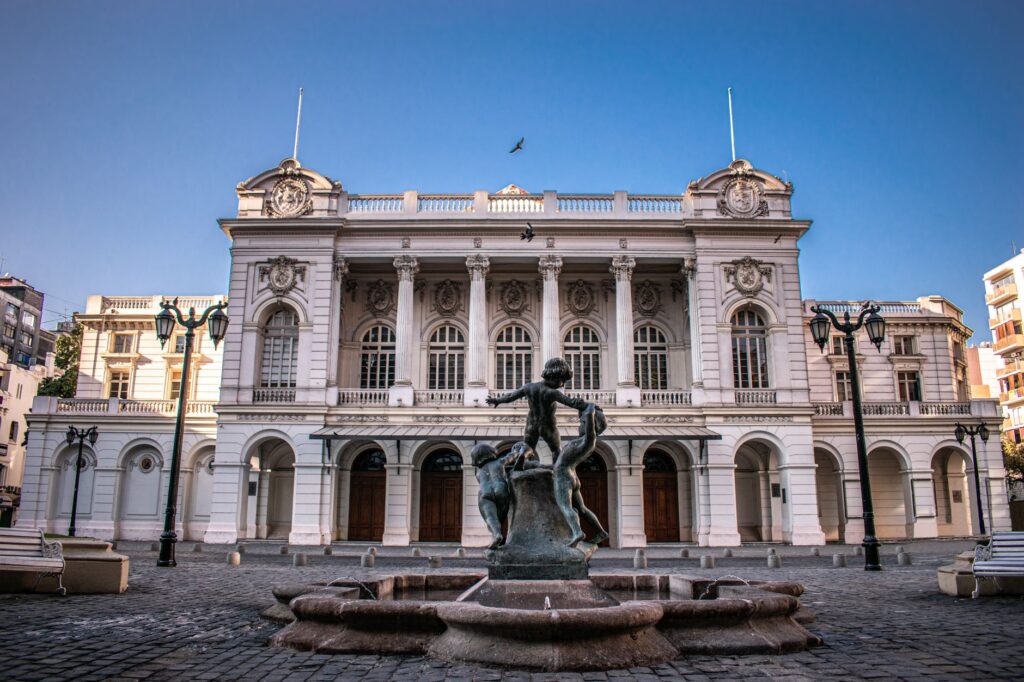
Each mausoleum tells a part of the social fabric that shaped the current community. From sailors who navigated the most dangerous waters on the planet to European immigrants who established the region’s first businesses, the cemetery functions as a three-dimensional open-air archive. The conservation of this green and architectural heritage depends on the joint effort of the municipality and the citizens, who value the site not only as a resting place, but as a fundamental testimony of their collective identity.
Costanera del Estrecho: The Daily Encounter with the Sea
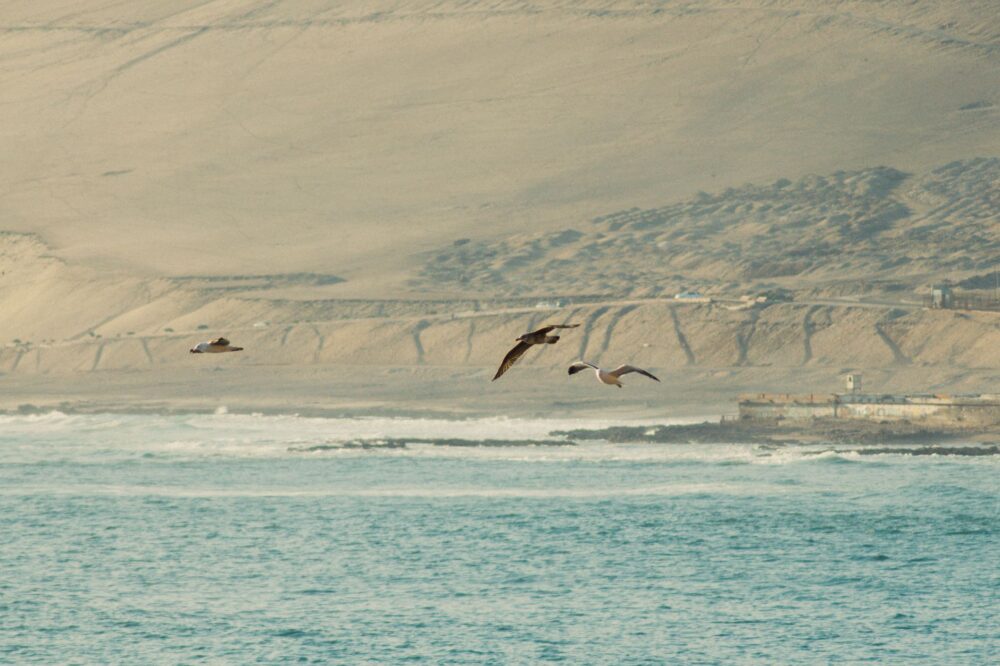
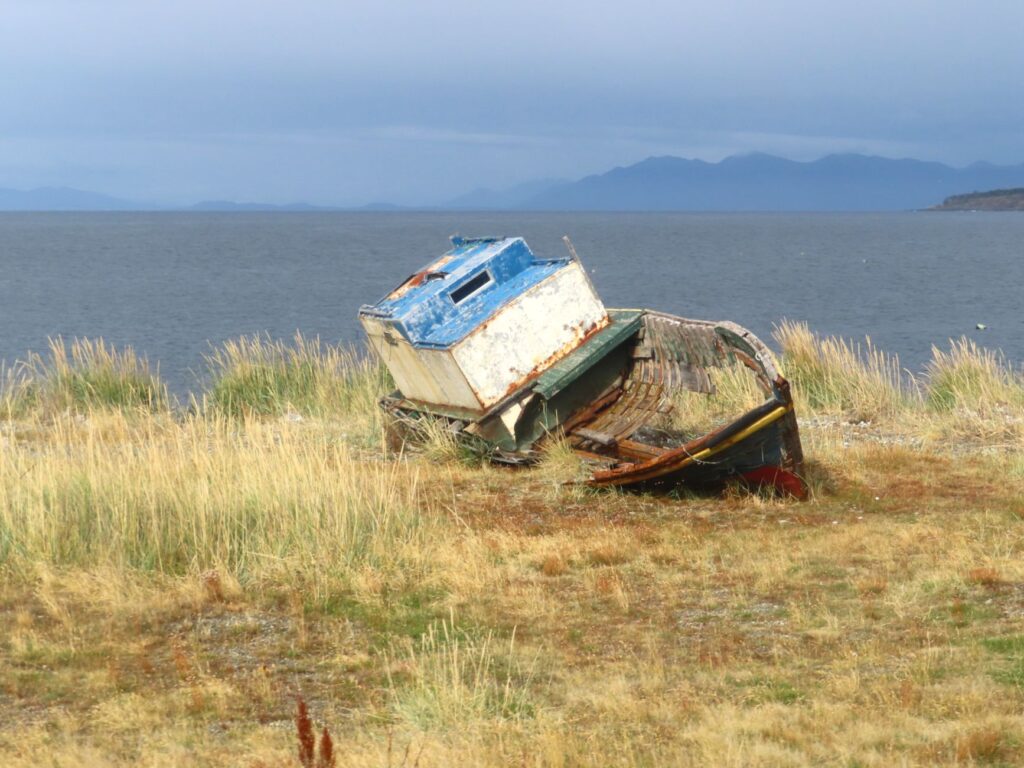
The Costanera of the Strait of Magellan defines the maritime facade of Punta Arenas, offering a pedestrian and vehicular promenade running parallel to the dark, deep waters of the channel. From this coastal edge, it is possible to observe the constant transit of fishing vessels, scientific research ships, and international cruise liners heading toward Antarctica. Sunsets over the strait offer reddish and golden tones reflecting on the water, creating an atmosphere of great visual beauty for those walking along the area.
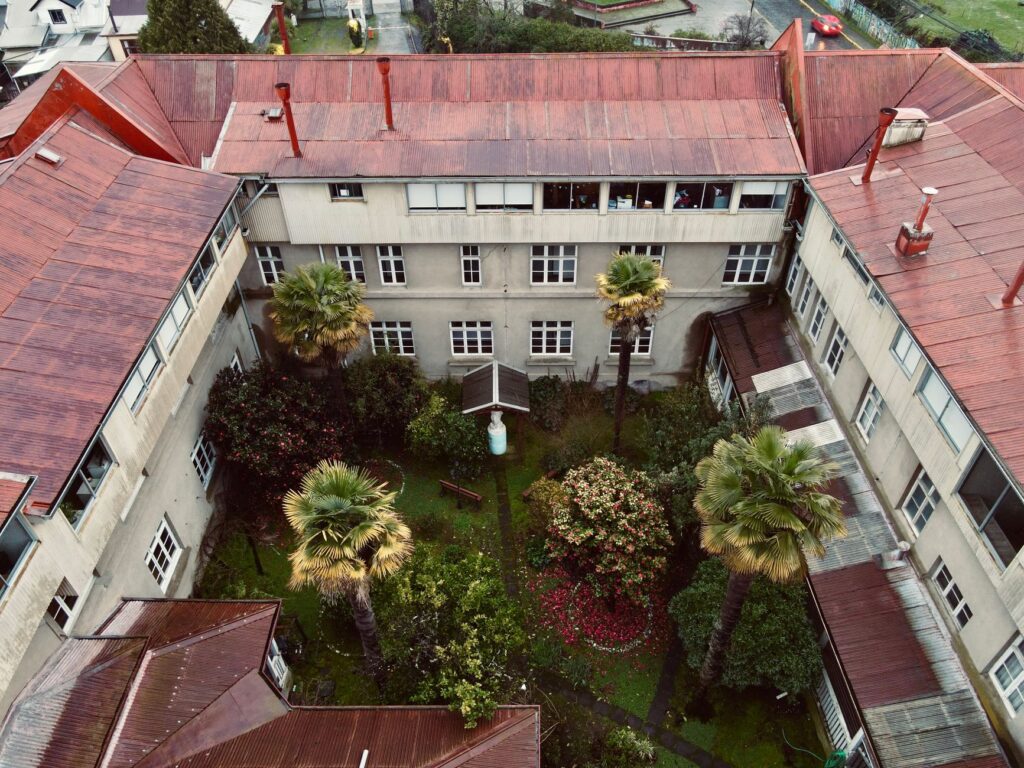
Along the coastal avenue, monuments and resting areas are distributed to commemorate milestones in world navigation and historic shipwrecks near Cape Horn. Residents use this coastal corridor for physical exercise or to observe local marine fauna, including the occasional presence of coastal birds and aquatic mammals. This constant dialogue between the urban fabric and the marine ecosystem reinforces the regional capital’s port and maritime identity.
Traditional Neighborhoods and Local Commerce
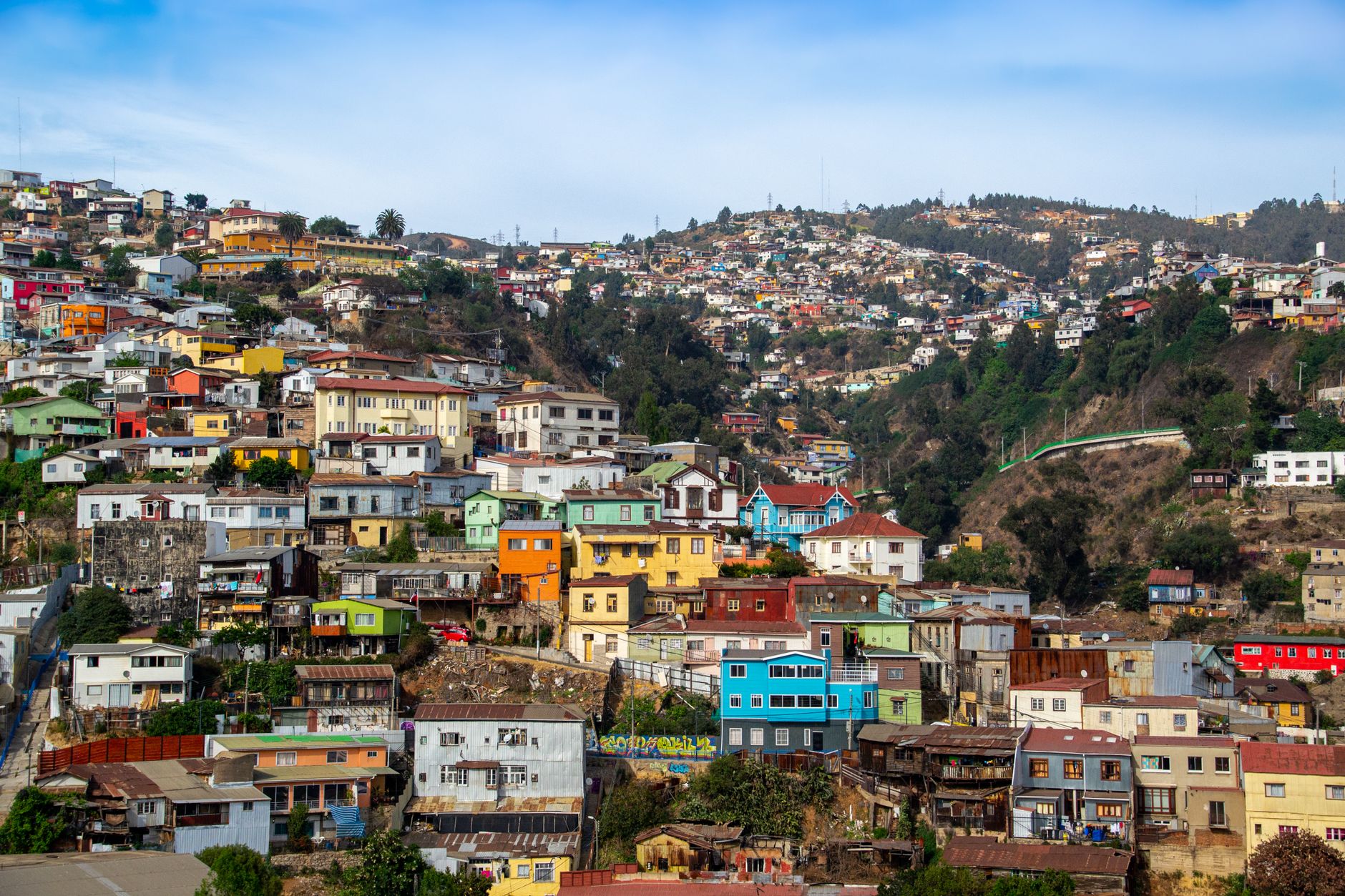
Beyond the historic center, the residential neighborhoods of Punta Arenas display an urban fabric characterized by single-family wooden homes painted in bright colors that contrast with cloudy days. Sloping streets descend toward the sea, creating open perspectives over the strait from almost any point in the city. Local commerce is sustained by small markets, woolen craft shops, and dining establishments offering fresh products from the sea and the Patagonian steppe.
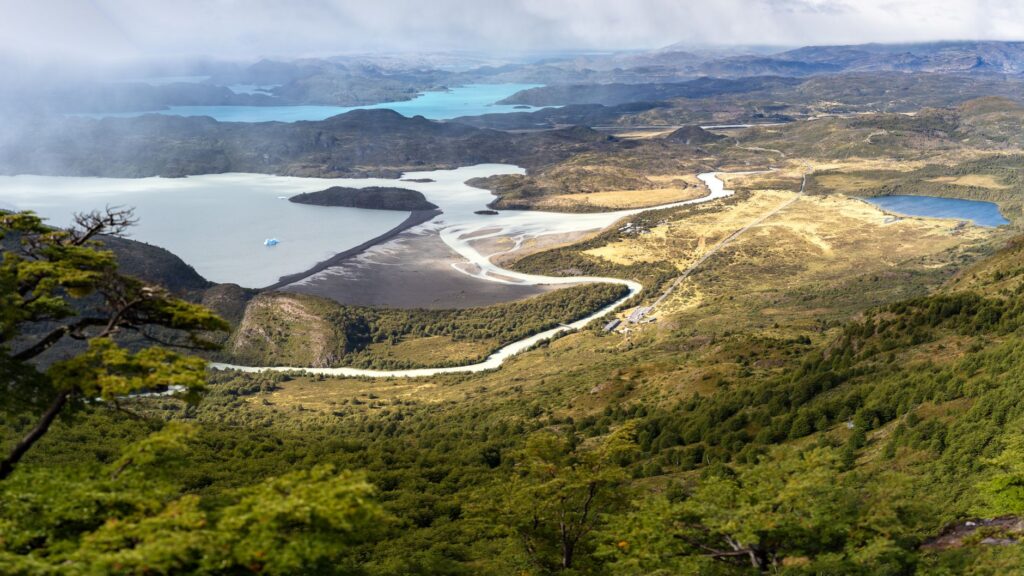
The wind is not an obstacle to life in Patagonia, but the invisible pulse that orders the rhythm of each day and sculpts the character of its people.
The relationship between merchants and visitors is based on the traditional hospitality of southern Chile. Municipal markets are essential meeting points to discover the culinary offerings based on southern king crab, calafate berries, and mutton. Walking through these sectors provides an understanding of the economic and cultural self-sufficiency of a community that has learned to thrive in such a unique and demanding geographic environment.
Urban Nature Reserves and the Steppe Environment
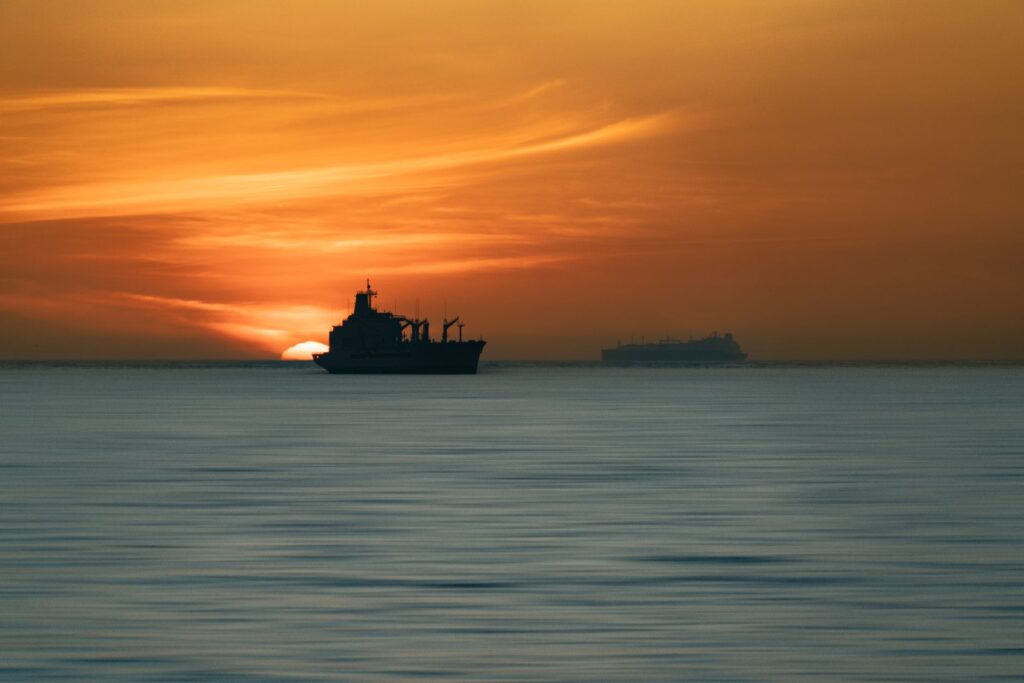
Just minutes from the urban core, the Magallanes National Reserve offers a refuge of native forests composed of lenga, coigüe, and ñirre trees. This protected space constitutes a green lung and a conservation area for local biodiversity, where well-marked trails allow for low and moderate-difficulty hikes. From the reserve’s viewpoints, a privileged perspective is obtained of the city, the Strait of Magellan, and the high peaks of the Andes mountain range descending southward.
The surrounding environment is dominated by the Patagonian steppe, an open grassland landscape where the horizon seems endless. The transition between the Andean-Patagonian forest and the steppe generates microclimates that harbor characteristic fauna, including red foxes, guanacos, and numerous species of birds of prey. Local authorities and community organizations promote responsible nature tourism, emphasizing the importance of preserving these ecosystems in the face of increasing domestic and international visitors.
Practical guide
- How to get there: Punta Arenas has the Carlos Ibáñez del Campo International Airport, which receives daily flights from Santiago de Chile operated by various national airlines.
- Local transport: The city center is easily explored on foot. For trips to the periphery or nature reserves, urban taxi services and regular local buses are available.
- Climate and equipment: Weather conditions are variable. Dressing in layers, wearing an impermeable windbreaker, and having comfortable shoes with slip-resistant soles for walking are strongly recommended.
- Official currency: Chilean peso. Credit cards are accepted in most commercial establishments, though carrying cash for minor purchases is useful.
- Recommended gastronomy: Try the Magallanes king crab, Patagonian spit-roasted lamb, and desserts made with wild fruits such as calafate.
- Responsible tourism: Respect native flora and fauna in natural reserves, leave no litter, and support local artisanal and fair-trade commerce.
The journey to Punta Arenas concludes with the certainty of having traveled through a land where historical memory merges with the indomitable force of the southern landscape. Every corner of this Patagonian city leaves an indelible mark on the traveler, reminding them of the human capacity to inhabit the edges of the planet with dignity and beauty.