
Introduction to the Urban Landscape of Charlotte in the United States
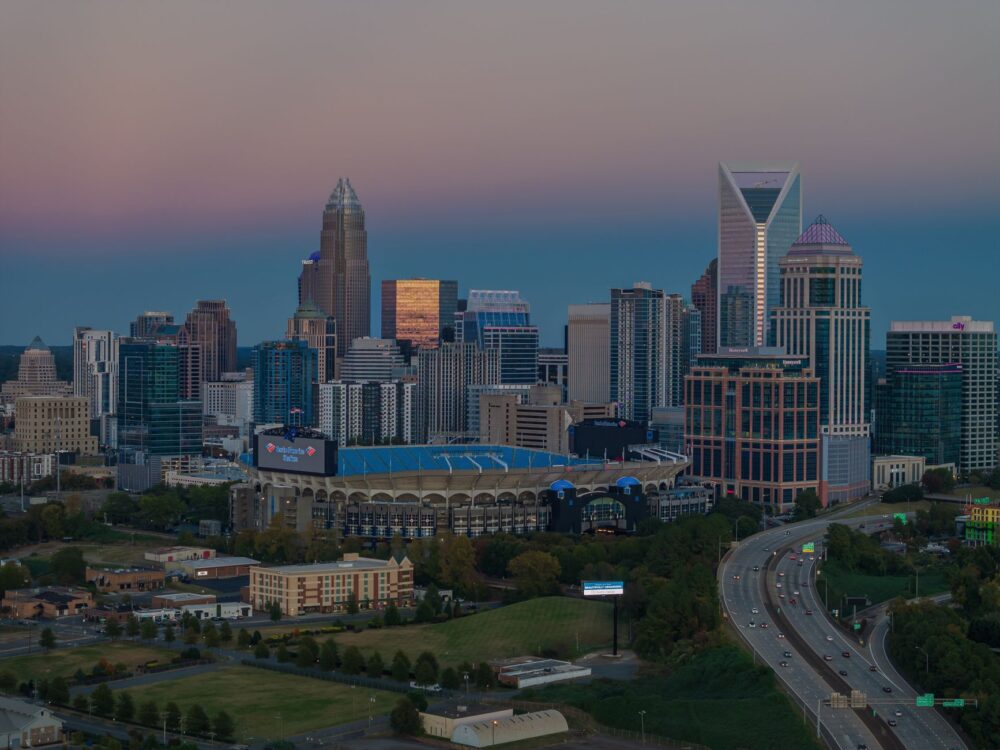
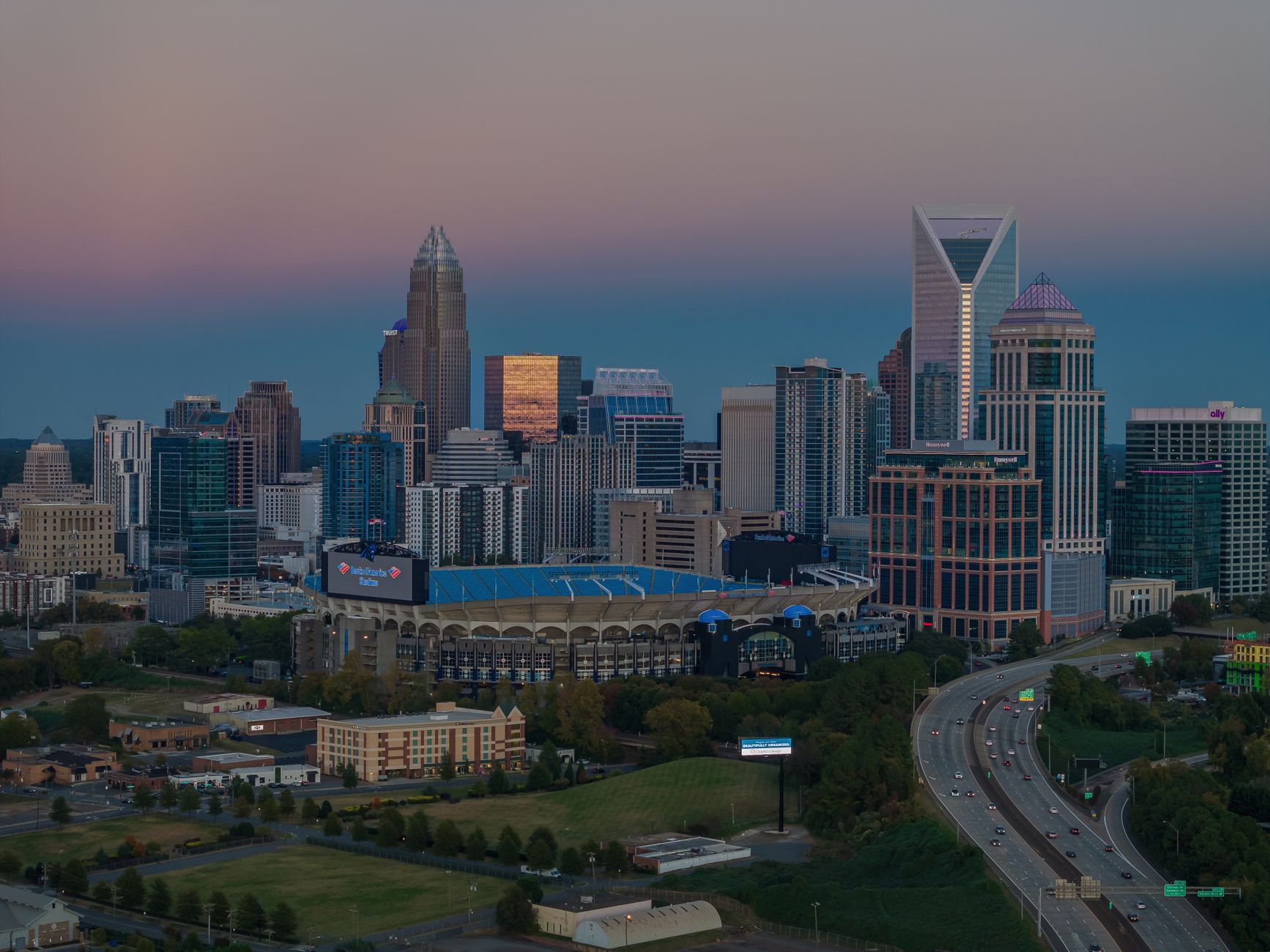
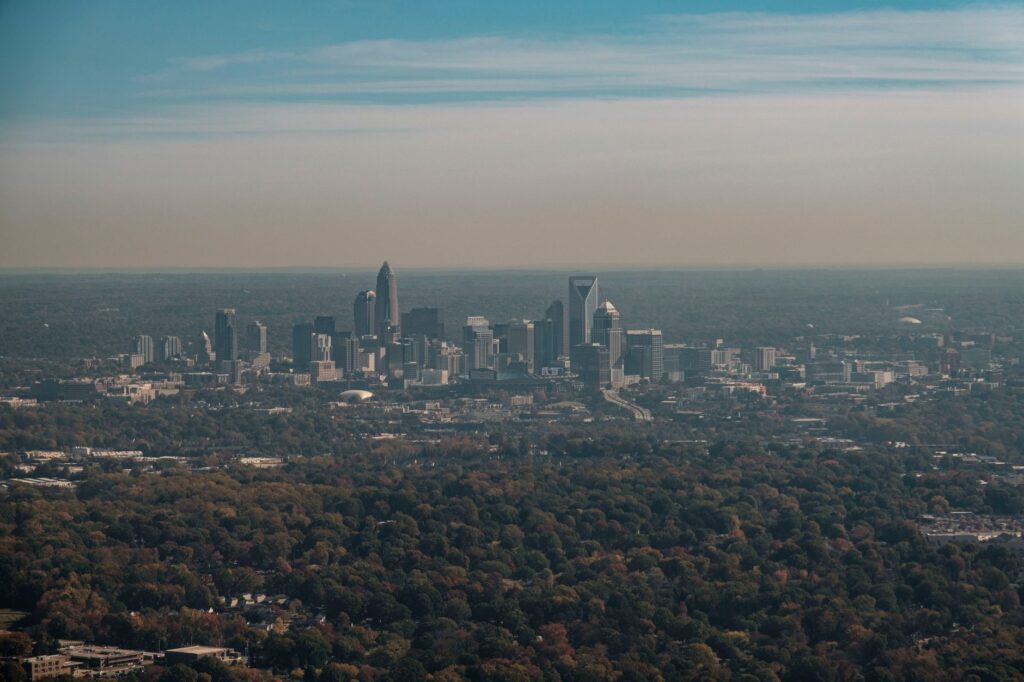
In the heart of the Piedmont hills, within the state of North Carolina in the United States, the city of Charlotte unfolds a complex network of residential neighborhoods, traditional commercial centers, and dense groves that define its urban silhouette. Far from responding to a single metropolitan mold, this American city balances its financial vocation with a neighborhood structure where the shade of oaks and pines accompanies every daily commute.
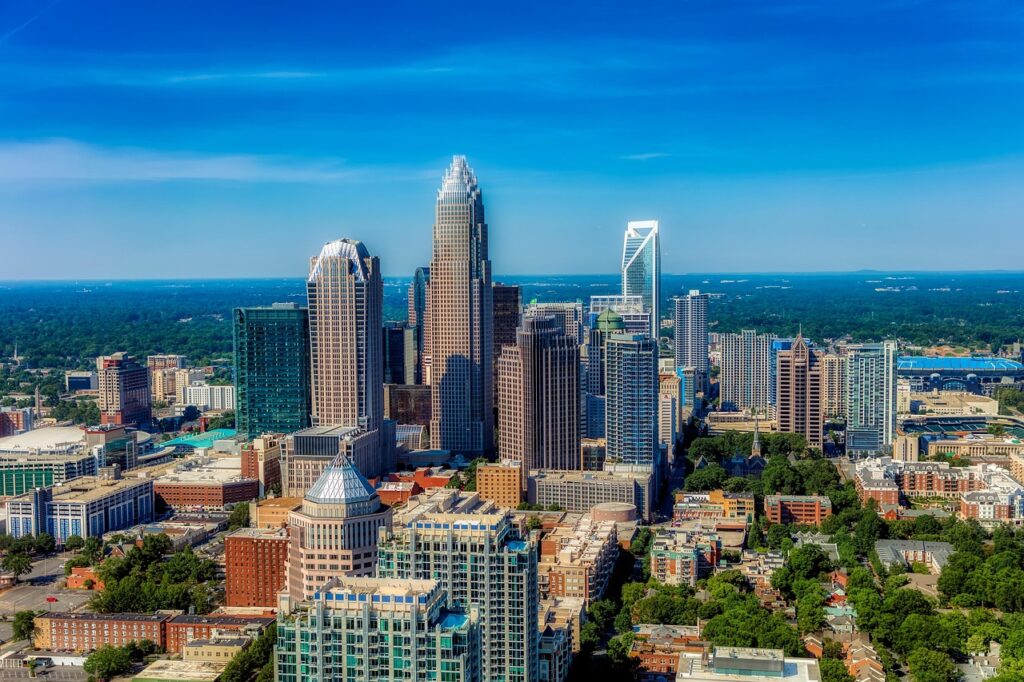
Understanding Charlotte’s identity requires paying close attention to the contrasts between its central districts and peripheral communities. While office towers set the economic pace, residential spaces preserve a human scale based on local parks, tree-lined sidewalks, and intense citizen participation in managing natural resources.
The steady demographic growth of recent decades has transformed the region’s physiognomy, forcing local administrations and community groups to rethink urban development models. In this context, the preservation of interconnected natural spaces has become an absolute priority to ensure that population growth does not dilute the traditional character defining the city’s various neighborhoods.
Tree Heritage and Green Spaces
One of Charlotte’s most distinctive aspects is its generous urban forest canopy. Unlike other major metropolises in the southeastern United States, local planners have historically insisted on integrating green corridors and public parks within the residential fabric. This commitment to nature is not merely aesthetic, but fulfills a vital ecological function by regulating the local microclimate and mitigating the impact of high summer temperatures.
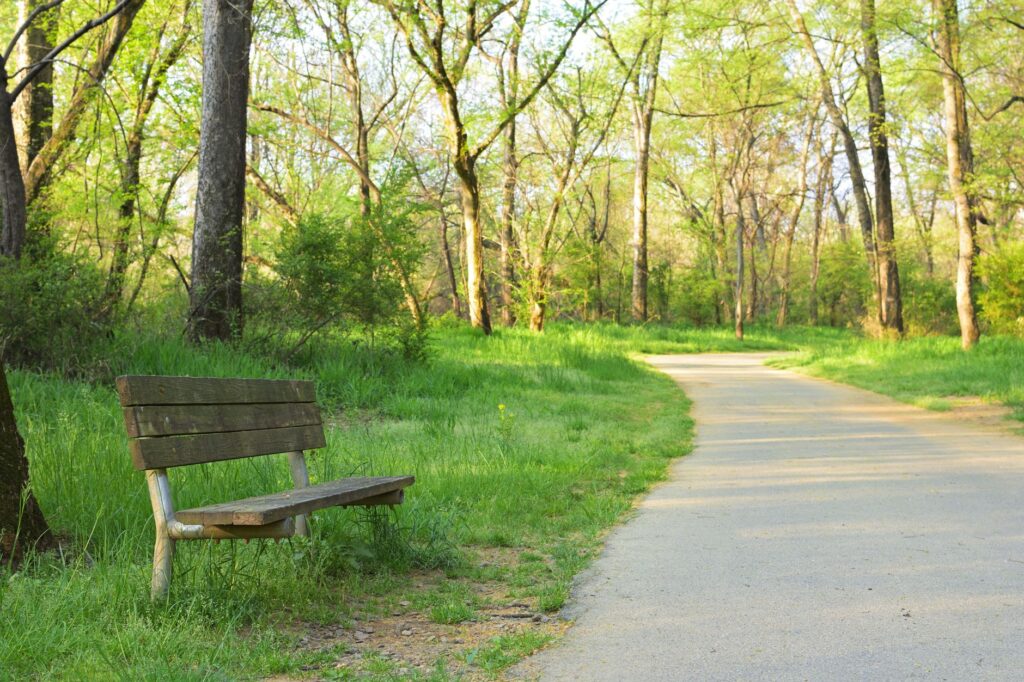
Urban parks function as intergenerational meeting points where residents practice sports, walk with their families, or simply enjoy native biodiversity. Preserving these spaces requires a constant effort by municipal authorities and neighborhood associations watching over the health of centenarian trees and the cleanliness of the streams crossing the city.
Likewise, urban reforestation programs driven by non-profit organizations seek to raise citizen awareness about maintaining a dense tree canopy. These community initiatives promote planting native species that require fewer water resources and offer adequate habitats for local fauna, reinforcing ecological resilience against contemporary climate challenges.
Daily Life in Historic Neighborhoods
Beyond the central financial district, known locally as Uptown, surrounding neighborhoods preserve early 20th-century architectural vestiges. Neighborhoods like Dilworth or Myers Park display a varied sample of single-family homes with broad porches, winding streets, and a layout originally designed to encourage neighborhood coexistence on foot or by streetcar.
In these enclaves, daily routine proceeds at a leisurely pace. Small local businesses, independent bookstores, and neighborhood coffee shops act as nodes of social cohesion. Residents actively participate in farmers markets where goods from farms located in neighboring Mecklenburg counties and surroundings are sold, thus fostering a sustainable proximity economy.
The conservation of these residential areas is not free from tensions against real estate pressure, but heritage protection regulations and neighborhood associationism act as effective barriers against sterile homogenization. Walking through these streets allows one to appreciate the evolution of domestic American architecture and understand the value of preserving neighborhood memory against accelerated modernization.
Sustainable Mobility and Urban Transport
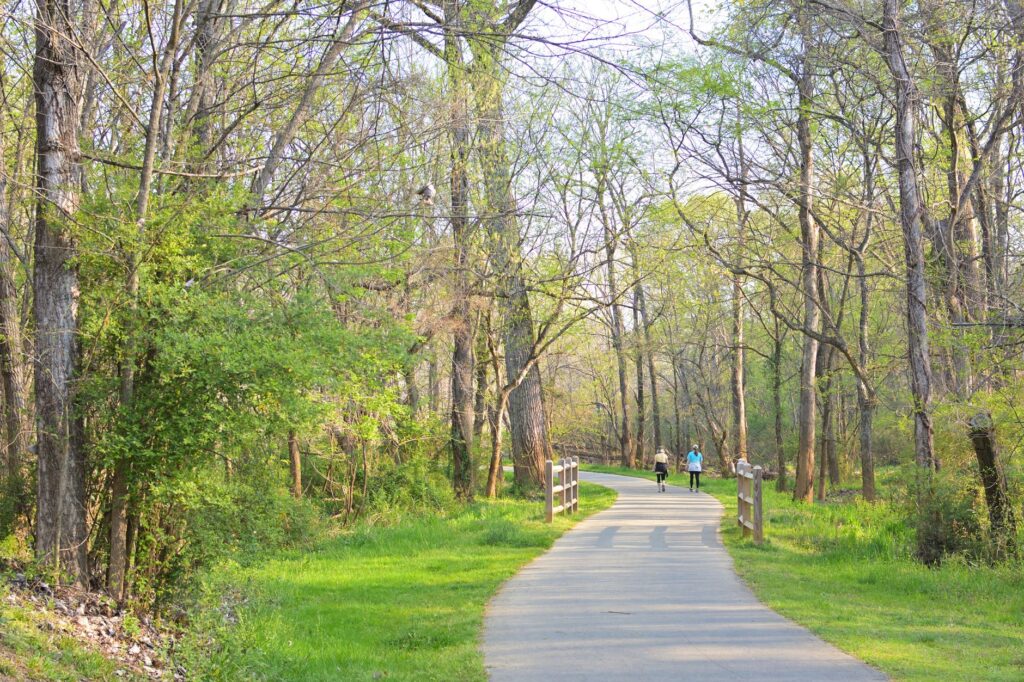
Mobility in a city experiencing constant demographic growth poses complex challenges. In recent decades, Charlotte has expanded its public transport network to reduce dependence on private automobiles, incorporating light rail lines known as the LYNX Blue Line system, alongside exclusive bicycle lanes and rapid transit buses.
This effort to diversify commuting options efficiently connects peripheral suburbs with the city center. Nonetheless, urban planners insist that the true challenge lies in designing neighborhoods where essential services are within short walking distance, reducing unnecessary travel and improving air quality.
Integrating cycling infrastructure with multimodal transport nodes fosters a culture of active mobility among residents of all ages. Road safety awareness campaigns and the continuous improvement of pedestrian trails complement these measures, consolidating a gradual shift in daily travel habits within the American metropolis.
Gastronomy as a Cultural Reflection
Charlotte’s culinary scene reflects North Carolina’s demographic and cultural evolution. While southern roots remain present through traditional recipes based on local products, the arrival of new communities has diversified the offering with international flavors from Latin America, Asia, and Europe.
Gastronomic markets and community festivals celebrate this culinary diversity, allowing visitors and residents to explore distinct traditions through seasonal ingredients. Local chefs prioritize collaboration with regional agricultural producers, consolidating a model where gastronomy acts as an identity and environmental education tool.
This cultural exchange around the table promotes greater mutual understanding among the diverse groups composing the city’s demographic fabric. The conscious consumption of local food and appreciation of inherited culinary traditions strengthen the sense of community and reaffirm the bond between land and table in everyday life.
Responsible Decisions for the Visitor
Exploring Charlotte from a responsible perspective involves adopting habits that minimize environmental impact and respect neighborhood coexistence. Using public transport or the pedestrian trail network to tour different districts is recommended, prioritizing consumption in local establishments and supporting community initiatives dedicated to historical and natural heritage conservation.
Likewise, travelers can contribute by informing themselves about local recycling and water conservation regulations, demonstrating active respect toward the environment hosting their visit. Sustainability in this American destination is built through the sum of small daily actions by both permanent inhabitants and those arriving temporarily.
Conscious tourism in this region of North Carolina invites slowing down the pace, choosing prolonged stays in residential neighborhoods, and fostering respectful dialogue with local communities. Thus, the visitor’s temporary presence aligns with the preservation and well-being goals promoted by the residents themselves.
Residential Architecture and Environment Preservation
Architectural preservation in the city’s historic neighborhoods constitutes a fundamental pillar for maintaining collective memory. Local ordinances and neighborhood associations work jointly to protect facades and characteristic structural elements of homes built in the early decades of the 20th century. This care for aesthetic details prevents visual homogenization and reinforces pride of belonging among long-term residents and newcomers.
The balance between downtown skyscraper modernity and low-density landscaped suburbs generates a very particular visual transition. Zoning regulations seek to limit the visual impact of new commercial constructions in residential zones, ensuring that the leafy and quiet character of interior streets remains intact despite the region’s demographic dynamism.
This meticulousness in urban design demonstrates that economic growth can be accommodated without sacrificing human scale or built heritage. Traditional materials, front garden integration, and maintaining low heights in residential sectors contribute to consolidating a coherent and enduring visual identity.
Community Participation and Social Fabric
Charlotte’s dynamism is not limited to its economic activity, but manifests in the rich network of civic organizations and volunteering operating across different districts. Citizens actively participate in urban reforestation programs, riverbank cleanups, and educational workshops aimed at promoting ecological awareness among younger generations.
These initiatives strengthen the social fabric and allow cultural venues, public libraries, and community centers to function as true agoras of debate and artistic expression. Visitors interested in local life find in these spaces an authentic reflection of contemporary American society, removed from conventional tourist circuits.
Citizen involvement in local governance guarantees that decisions regarding urban development respond to the real needs of inhabitants. This participatory model fosters solid social cohesion and turns each neighborhood into an active custodian of its own cultural and environmental future.
Practical Guide
How to Get There: Charlotte-Douglas International Airport (CLT) is one of the country’s main air transport hubs, with direct domestic and international connections. From there, public transport connects to the urban center.
When to Visit: Spring months (March to May) and autumn (September to November) offer moderate temperatures ideal for touring parks and neighborhoods on foot.
Getting Around: The combination of the LYNX light rail system and urban bus routes facilitates access to main points of interest without needing to rent a vehicle.
Accommodation: Various options range from central hotels in Uptown to historic inns in surrounding residential neighborhoods.