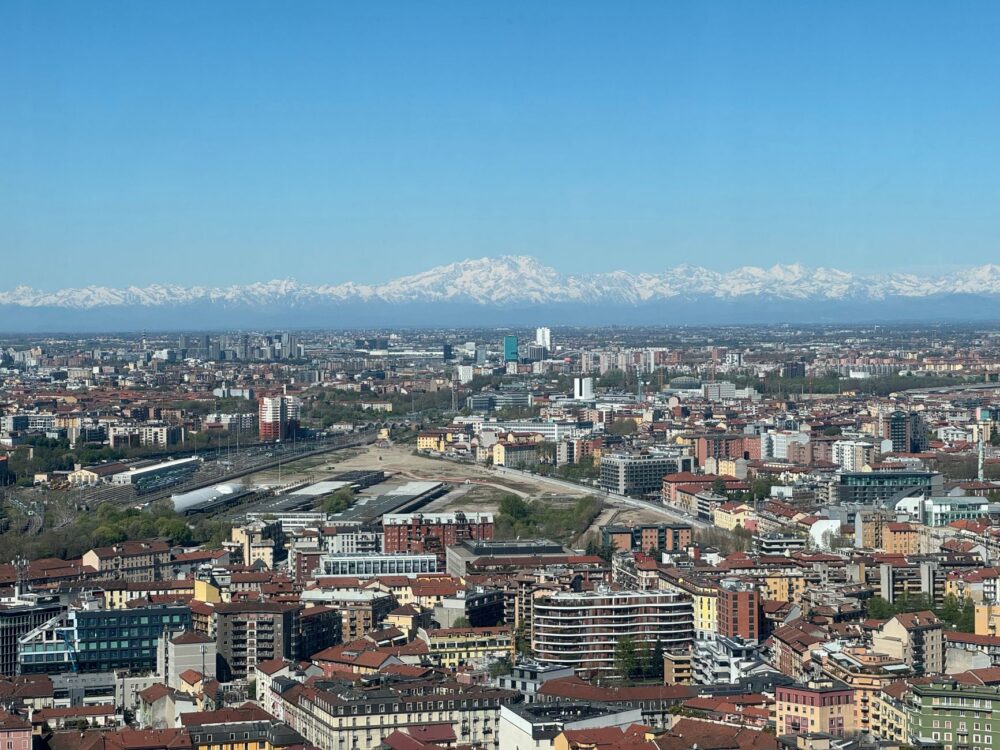
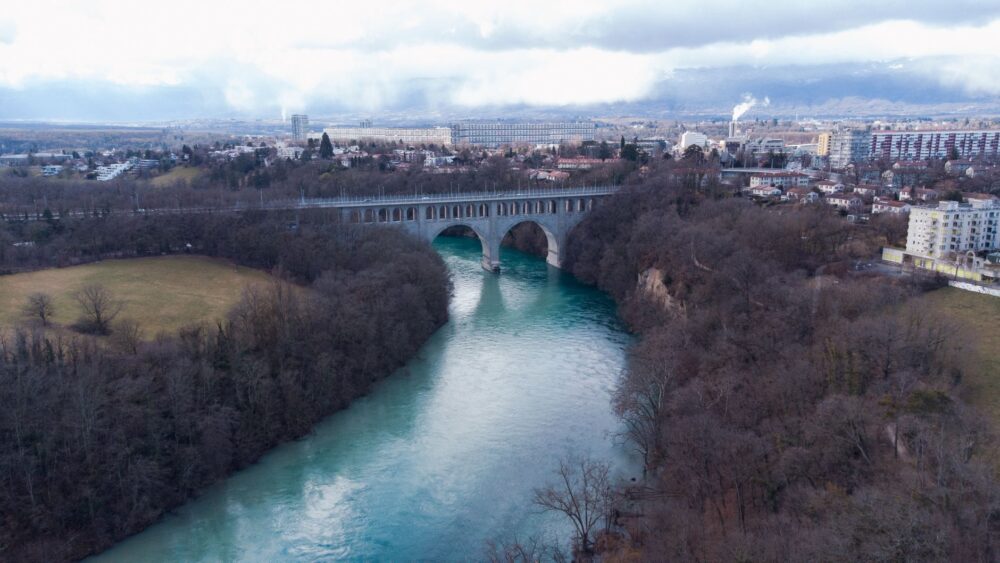
Among Stone Bell Towers and Centuries-Old Bread Aromas
In the heart of St. Gallen, located in the Swiss canton of the same name, everyday cooking is not viewed as a mere exercise in survival, but as the direct result of centuries of alpine isolation and commercial openness. The streets of the old town, paved with cobblestones and guarded by characteristic carved wooden bay windows projecting from sixteenth and seventeenth-century facades, retain the pulse of a city that grew around its famous Benedictine abbey. Here, the breeze descending from the heights of Appenzell carries the scent of damp pastures and raw milk used to make mountain cheeses, while neighborhood ovens keep alive the custom of dark bread kneaded with sourdough. The urban layout, structured around pedestrian squares where local markets set up their stalls each week, reveals a community that protects its agricultural heritage with an almost devout rigor. This is not a staged performance for the casual visitor, but an unalterable routine that defines the character of its inhabitants, known for their proverbial meticulousness and attachment to the land.
The rhythm of the day in St. Gallen aligns with the first light illuminating the rooftops at about 684 meters above sea level, where the crisp air of the pre-alpine plateau awakens the display counters of traditional bakeries. Far from the large industrial routes of globalized gastronomy, local restaurateurs and fresh produce artisans maintain a constant dialogue with shepherds from neighboring valleys and community gardens situated on the urban periphery. This close relationship guarantees that every ingredient reaching the table retains absolute traceability, reflecting the identity of a territory where historical winter scarcity forced the perfection of preservation techniques, from lactic fermentation to the smoking of river fish and meats.
The Monastic Legacy and the Pantry of the Swiss Valleys
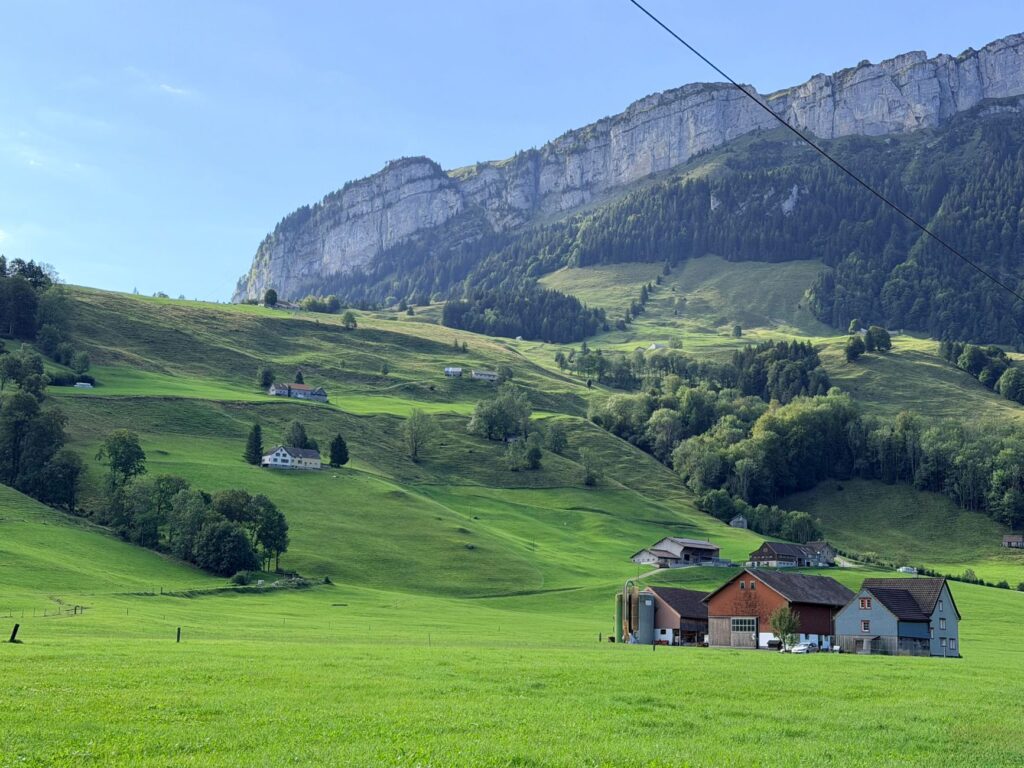
The gastronomic history of St. Gallen cannot be understood without the monumental weight of its abbey, declared a UNESCO World Heritage site. During the Middle Ages, Benedictine monks not only compiled classical knowledge in their mythical library but also introduced advanced techniques of cultivation, arboriculture, and medicinal garden management that transformed the surrounding agrarian landscape. That monastic rigor laid the foundations for a cuisine based on patience, the comprehensive use of harvests, and absolute respect for seasonal cycles. Today, restaurants honoring this tradition use root vegetables, wild herbs foraged in high-altitude meadows, and native cereals that withstand the region’s harsh winter conditions with resilience.
In the weekly markets set up next to historic churches, direct-sale stalls proudly display a variety of dairy products from the eastern Swiss Alps. Local cheesemakers cut wheels aged for months in natural stone cellars, where humidity and constant temperature impart complex notes ranging from fresh butter to toasted nuts. This artisanal care contrasts with the speed of modern life, offering the diner a temporal anchor that connects directly with the flavors that once sustained canons and textile artisans of past centuries.
The cuisine of St. Gallen is the living archive of a community that learned to extract wealth from stone and alpine cold through perseverance and respect for collective memory.
The Invisible Thread Between Textile Industry and Neighborhood Table
During the nineteenth and twentieth centuries, St. Gallen achieved global fame thanks to the excellence of its cotton embroidery and textiles, an industry that attracted merchants from across Europe and turned the city into a prosperous hub of economic and cultural exchange. This steady flow of people subtly influenced local eating habits, introducing Central European influences that fused with hearty eastern Swiss cuisine. The former mansions of textile magnates, now converted into shops, cafes, and family-run restaurants, preserve within their interiors the elegance of a golden era when good food was also a space for negotiation and social prestige.

Despite economic modernization, traditional taverns and small neighborhood dining rooms have resisted the temptation of tourist standardization. These establishments serve comforting recipes such as St. Gallen-style veal stew, accompanied by essential rösti golden-browned in clarified butter, or thick onion soups gratinated with local cheese that warm the body during heavy snow months. The loyalty of the local clientele to these traditional formulas ensures that timeless flavors remain relevant in daily life.
Bread, Broths, and the Liturgy of Local Produce
Bread occupies a central place at the everyday table in the city’s homes and taverns. Artisanal bakeries produce loaves with firm crusts and dense crumbs using flour milled in watermills from nearby valleys, a product designed to last and accompany homemade stews. Alongside bread, clear broths made from bones and seasonal vegetables act as the indispensable foundation upon which main dishes are built, demonstrating that popular haute cuisine always rests on rigorous and patient culinary techniques.

Restaurants committed to local identity work hand in hand with small producers practicing regenerative, low-intervention agriculture. This network of mutual trust allows menus to change almost imperceptibly at the pace set by early autumn frosts or the green burst of the alpine spring. For the curious visitor, sitting down to table in St. Gallen means participating in a tacit pact of sustainability and respect for the natural environment surrounding the valley.
Life in the Squares and Old Square Trade
The social pulse of St. Gallen beats strongly in its arcaded squares, especially on market days when neighbors reunite to buy fruits, vegetables, cured sausages, and pastry specialties like the famous local almond cake. This daily commercial exchange fosters a solid community fabric where the shopkeeper knows each customer’s preferences and produce is sold with a detailed explanation of its geographical origin and production method.

This neighborhood commerce is the true lung of urban gastronomy, shielding the community from exclusive dependence on large commercial centers. Walking among the stalls, one can observe how conversation flows around crop quality or weather forecasts for the harvest, recalling that food is, above all, a social bond connecting people to their everyday landscape.
Visitor Responsibility and Conscious Choices
Contemporary tourism in St. Gallen faces the challenge of preserving its authenticity against pressure from international flows. For the responsible traveler, the decision to support independent establishments, consume seasonal produce, and explore the historic center on foot without disrupting neighborhood tranquility constitutes an essential contribution to local heritage conservation. Respecting the city’s quiet hours, valuing artisanal work without seeking commercial shortcuts, and prioritizing unhurried dialogue with residents are attitudes that define the mindful traveler.
Adopting these guidelines ensures that the tourist experience does not distort the pre-existing social fabric, allowing the city to maintain its balance between openness to the world and fidelity to its deepest roots. Gastronomy thus becomes a tool for ethical and cultural learning.
Guía práctica
How to get there: St. Gallen has excellent rail connections from Zurich and other major Swiss cities, with frequent trains providing fast and efficient access to the center.
When to visit: Spring and autumn months offer pleasant weather to explore the historic center on foot and enjoy local markets at their seasonal peak.
Where to eat: It is recommended to prioritize traditional taverns in the old town and restaurants specifying the alpine origin of their meats, cheeses, and vegetables.
Etiquette tip: It is customary to greet shopkeepers when entering small local shops and bakeries, maintaining a moderate tone of voice in shared dining spaces.
True luxury in St. Gallen lies not in excess, but in the ability to savor honest produce that tells the story of an unalterable alpine valley.