
The Geometry of Water and Brick
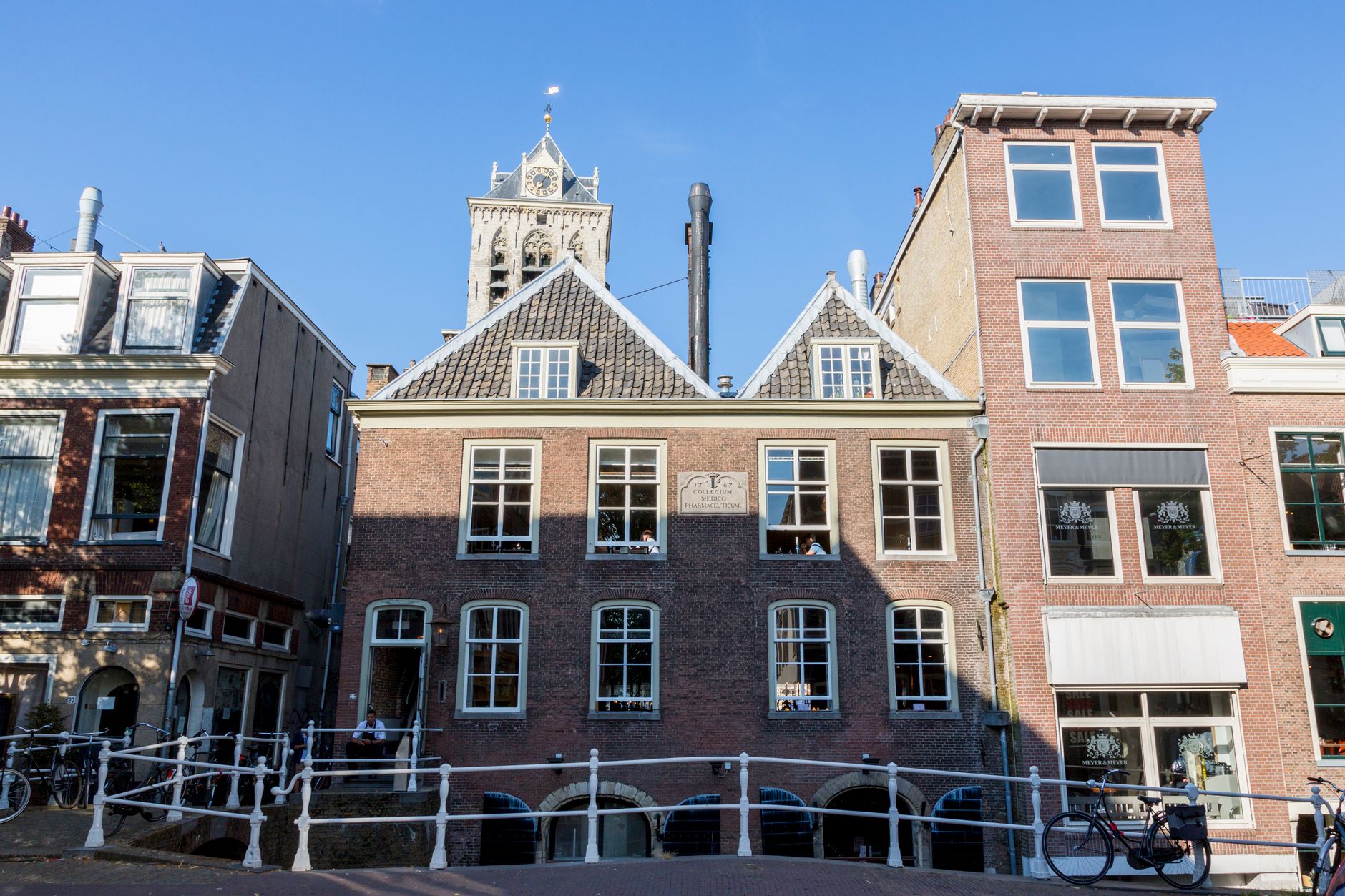
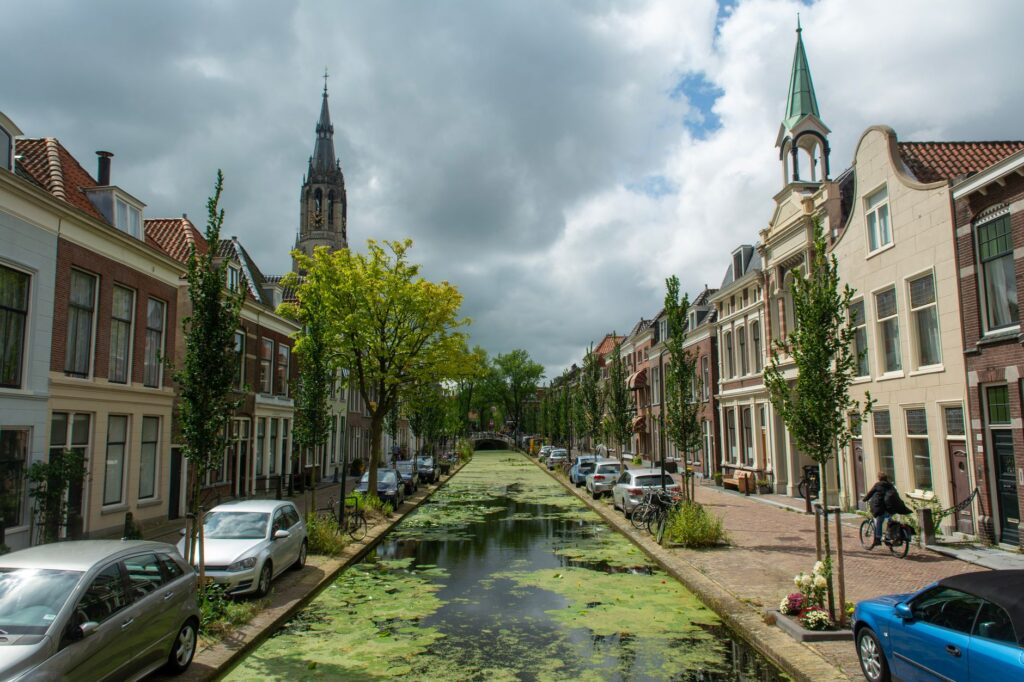
At the heart of the South Holland province, the city of Delft unfolds like a map where time appears measured with a square and compass. Canals, traced with geometric precision, divide the urban fabric into compact blocks where red brick and limestone converse without dissonance. Unlike neighboring metropolises that have sacrificed human scale for automobile traffic, this enclave of just over ninety-five thousand inhabitants has decided its greatest asset is calculated slowness. Here, walking along the Oude Delft canal is not merely an act of transit, but an immersion in a historical urbanism prioritizing the pedestrian and the cyclist above all other forms of transport.
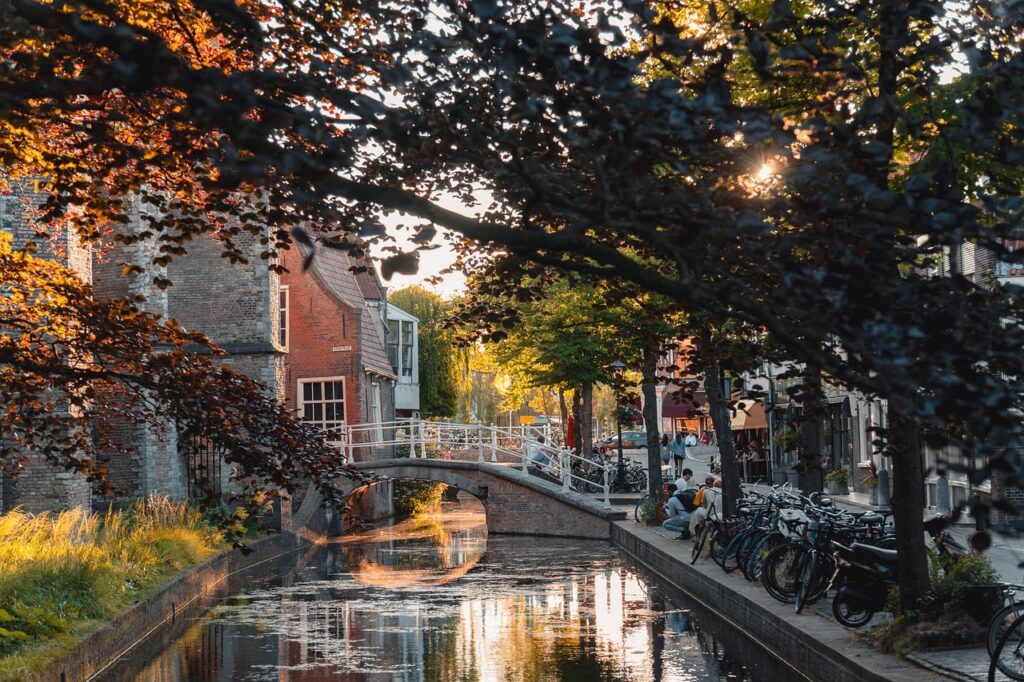
The urban layout responds to centuries-old planning that successfully integrated defensive functionality with commercial aesthetics. The stepped gables of former merchant houses reflect in the quiet water, creating a visual symmetry defining the daily landscape. Each stone bridge and cobbled corner demonstrates that urban design is not a modern imposition, but an accumulation of wise decisions made over centuries. Residents traverse this space with a naturalness evidencing a profound sense of belonging, turning public space into an extension of their own living rooms.
The Artisan Pulse of Blue Pottery
The visual identity of the city is inextricably linked to its pottery tradition. Far from being a mere commercial attraction for fast visitors, the manufacture of celebrated Delft blue ceramics survives in local workshops keeping seventeenth-century techniques alive. In these workspaces, artisans continue applying mineral pigments by hand onto raw clay before the second firing, a process requiring years of apprenticeship and unwavering patience. This living craft demonstrates how cultural heritage can sustain itself in the present without becoming a sterile museum piece.
The value of this tradition lies in its capacity for adaptation. Contemporary area designers collaborate with master ceramicists to reinterpret classic forms, introducing minimalist lines and geometric patterns dialoguing with historical legacy. This coexistence between guild heritage and aesthetic innovation permeates shop windows in the historic center, where hand-painted porcelain shares space with independent bookstores and graphic design studios. The result is a vibrant yet respectful local market where consumers can trace the exact origin of every acquired object.
The authentic design of a city resides not in its most photographed monuments, but in the silent way its inhabitants care for small things every morning.
Daily Life Under the Shadow of the Oude Kerk
Community life revolves around major architectural landmarks, whose monumental presence amiably contrasts with the intimacy of residential streets. The leaning tower of the Oude Kerk, defying verticality for centuries over water-reclaimed marshland, acts as a civil beacon for orientation in the fluvial labyrinth. In its shadow, squares fill mornings with local markets trading proximity goods, seasonal flowers, and regional cheeses, fostering direct social exchange between producers and neighbors.
This social fabric is sustained through a network of accessible, well-maintained public spaces. Municipal libraries, neighborhood cultural centers, and rehabilitated industrial warehouses function as intergenerational meeting points. In these places, students from the prestigious Delft University of Technology mingle with lifelong residents, generating a constant flow of ideas nourishing the municipality’s cultural life. Modern architecture and historic buildings weave together coherently, proving urban density can be synonymous with well-being and tranquility.
Sustainable Mobility as a Collective Decision
Moving through the municipality constitutes a lesson in responsible urban planning. Bicycles dominate main routes with absolute authority, relegating automobiles to a secondary, strictly regulated role. Underground parking facilities situated on the edges of the historic center prevent visual and acoustic saturation of primary streets, allowing the prevailing sound to be the soft rolling of tires on asphalt and the murmur of water in the canals. This priority granted to active mobility is not the result of a recent fad, but the culmination of decades of municipal policies aimed at reducing carbon footprint.
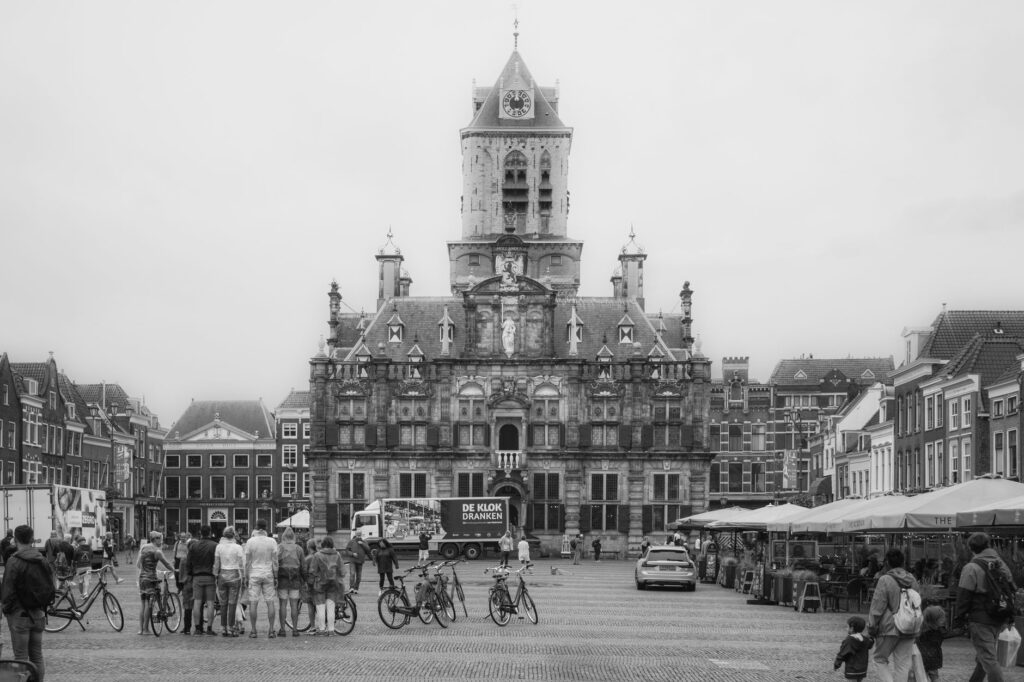
Visitors arriving by train at the modern central station—an outstanding example of contemporary railway architecture integrating glass ceilings with sculpted timber roofs—experience exemplary transition toward the urban core. From platforms to the first canal takes mere minutes on foot or rented bicycle, eliminating polluting vehicles. This fluid connectivity reinforces the thesis that sustainable travel begins by offering real, comfortable, and environmentally respectful alternatives for those arriving from outside.
Green Heritage and Spaces for Pause
Among canals and cobbled squares, Delft reserves numerous green lungs inviting pause and contemplation. Urban parks and community gardens situated in former defensive fortifications act as biodiversity refuges where native flora coexists with the historical trace of military bastions. These spaces are not merely ornamental elements, but essential components of the city’s landscape design, conceived to mitigate summer heat impact and offer neighbors open-air recreation areas.
Maintenance of these green zones relies on strictly ecological criteria, avoiding aggressive chemical products and fostering habitats for urban pollinators. On weekends, local families gather in these parks to walk, read, or share a picnic, consolidating a leisure culture valuing direct contact with nature. This harmonious integration between built environment and natural landscape defines the welcoming, balanced character travelers perceive from their first contact with the municipality.
Visitor Responsibility in the Local Environment
The rise of international tourism poses a constant challenge for mid-scale cities: how to preserve identity without succumbing to mass touristification. In Delft, local authorities and merchants have committed to a low-intensity tourism model inviting visitors to integrate into local routines rather than consuming them as a superficial spectacle. Respect for neighborhood rest hours, use of neighborhood shops, and hiring local guides explaining history from a rigorous, sustainable perspective are actively encouraged.
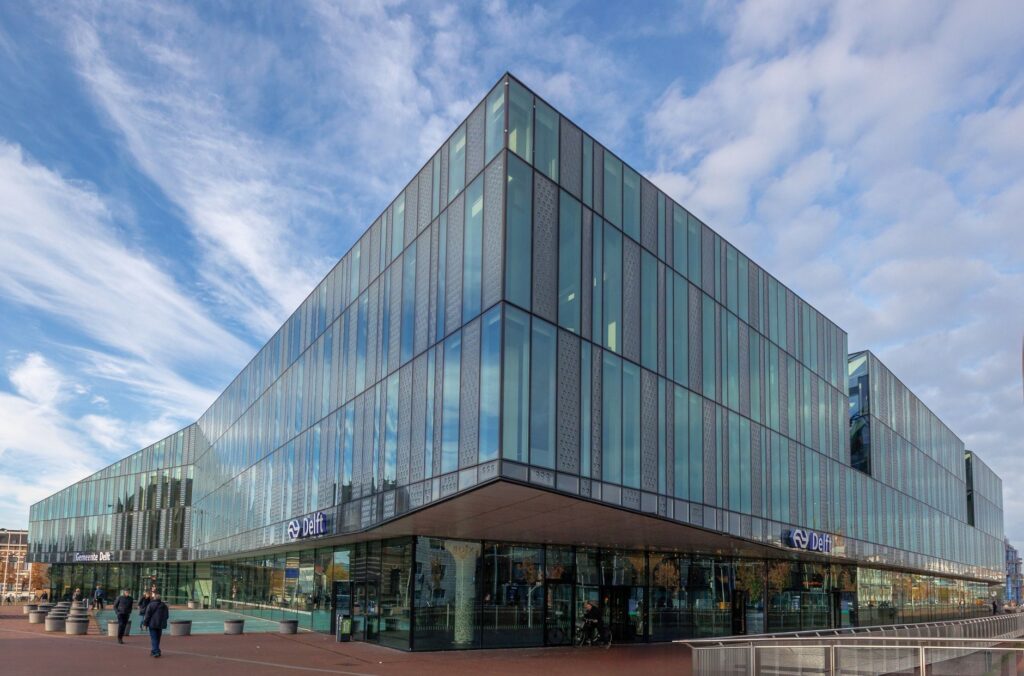
This conscious approach demands a receptive, collaborative attitude from travelers. Walking without haste, consuming seasonal produce, avoiding overcrowding at popular points, and supporting independent artisan workshops are gestures guaranteeing the survival of the local cultural fabric. The travel experience thus ceases to be mere photograph collection, becoming respectful exchange with a community opening doors proudly, keeping daily authenticity intact.
True luxury in contemporary travel consists not of exclusive access, but in the capacity to integrate respectfully into the daily pulse of a living community.
Practical guide
How to get there: The city features excellent direct rail connections from Amsterdam, Rotterdam, and The Hague. Delft central station places travelers within a short walk of the historic center.
When to visit: Spring and early autumn months offer mild weather ideal for exploring canals on foot or by bicycle, avoiding peak summer tourist concentrations.
Where to stay: Opting for small boutique hotels situated in rehabilitated historic buildings in the center or independent accommodations managed by local residents is strongly recommended.
Interior mobility: The best way to explore the municipality is on foot or by renting a traditional bicycle at establishments near the train station.
Crafts and shopping: To acquire authentic ceramics, look for the guarantee seals of authorized traditional workshops and avoid mass-imported industrial souvenirs.
Local gastronomy: Enjoy morning street markets and historic cafés serving traditional Dutch specialties crafted with ingredients from regional producers.
Coexistence rules: Respect private residential spaces, keep bicycle lanes free of pedestrian obstacles, and support proximity businesses during your stay.
Visual Epilogue by the Canal
At dusk, when northern European golden light reflects on brick facades and canal water acquires a copper tone, Delft recovers its purest silence. Last rays illuminate stone bridge silhouettes as neighbors return home by bicycle, closing the cycle of a day where design, history, and daily life marched in unison. It is in this quiet moment the city reveals its true face: a refuge where beauty is not tourist artifice, but the constant result of respectful, harmonious coexistence.