An Aerial Horizon in the Heart of Queensland, Australia
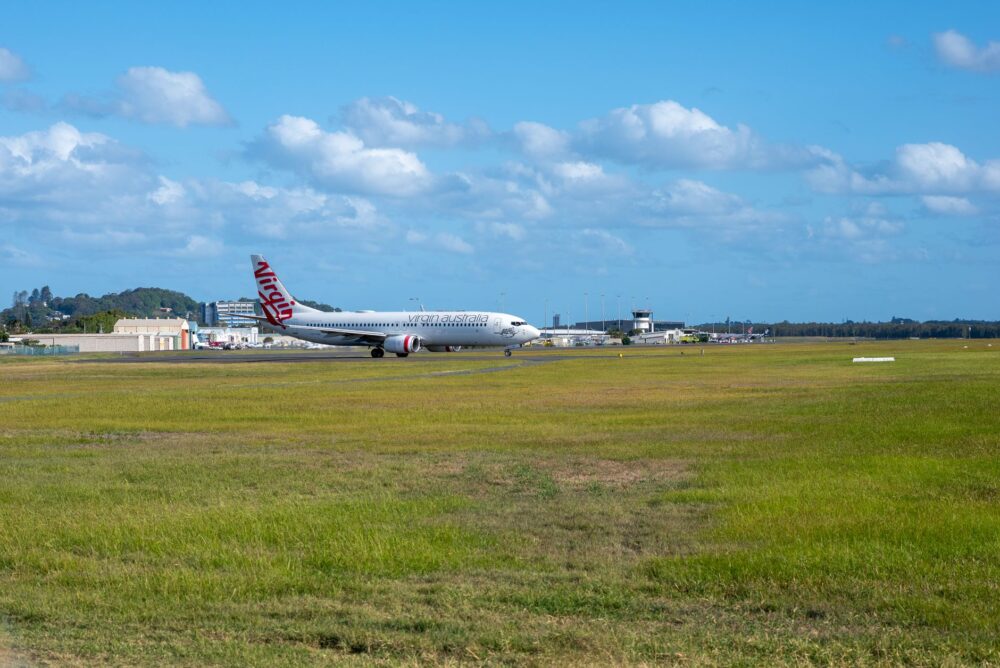
Located in the Wide Bay-Burnet region, the Australian city of Bundaberg spans a territory where agricultural production and proximity to the coral reef shape a unique identity. A few kilometres from the urban centre, the local airfield serves as the meeting point for residents, seasonal workers and travellers seeking to explore the landscapes of eastern Australia. Far from major metropolitan agglomerations, this medium-sized infrastructure maintains a steady flow of operations that sustains the regional cohesion of the area.
The demographic growth of the locality, which now exceeds seventy thousand inhabitants according to official records, has been accompanied by a gradual transformation in its access routes and transport services. The runway and airport facilities are not mere transit spaces, but vital nodes that help overcome the enormous geographical distances characteristic of Australia. From the first morning flights until dusk, the flow of light aircraft and scheduled services reflects the need to keep medium-sized urban centers connected with major capitals like Brisbane.
Regional mobility in Australia relies heavily on these secondary nodes to maintain economic activity and social cohesion across vast distances. In Bundaberg, the integration of the transport network facilitates not only personal travel but also the smooth distribution of regional goods. This synergy between local production and aerial connectivity underpins the daily routines of the community, ensuring that distance does not become an insurmountable barrier for commerce or healthcare access.
Airport Architecture and Human Scale
Bundaberg’s terminal stands out for its functional and accessible design, conceived to streamline passenger flow without the long waiting times typical of major international mega-airports. The structure combines open elements that harness the subtropical luminosity of Queensland, allowing natural light to flood the boarding lounges and baggage claim areas. This architectural approach prioritises comfort and intuitive wayfinding, making it easy for both frequent flyers and casual visitors to orient themselves from the moment of arrival.
Outside, parking lots and road access zones integrate harmoniously with the surrounding wooded environment. The regional airlines operating at the airfield maintain daily connections that prove essential for the professional mobility and healthcare needs of the local population. The efficient management of airport space demonstrates how a mid-sized city can maintain service standards comparable to those of larger urban enclaves.
Natural ventilation principles and shaded outdoor walkways complement the interior design, adapting directly to the climatic conditions typical of eastern Australia. Passengers waiting for departures can observe ground operations directly from the main concourse, enhancing the sense of transparency and connection with the operational environment.

Architectural details within the terminal reflect the regional identity, utilizing local materials and understated decorative elements that mirror the natural landscape of Australia. By avoiding excessive ornamentation, the design achieves a timeless quality that prioritizes utilitarian efficiency and welcoming warmth for all travelers passing through its gates.
The Passenger Experience Between Cane Fields and Runways
Traveling through Bundaberg offers a singular perspective on domestic aviation in Oceania. Passengers stepping off commercial aircraft immediately perceive a shift in pace: the warm tropical air, the horizon dominated by sprawling sugar cane plantations and the proximity of the marine coast create a welcome that contrasts with the anonymity of major global terminals. Check-in counters, security checkpoints and waiting areas operate with a deliberate yet rigorous cadence.
For residents, this aerial link represents a direct pathway to access specialized services, higher education or professional commitments in larger urban centers without losing the tranquility of residing in a coastal community. Airlines coordinate arrival and departure times to maximize connecting options, turning the airfield into an indispensable facilitator of daily life in this part of Australia.
Air transport in Australia’s outer regions is not a holiday luxury, but the invisible thread uniting communities with the rest of the country.
Likewise, the regional tourism sector benefits from this direct gateway. Those planning excursions toward the Great Barrier Reef or nearby natural reserves find the airport an optimal starting point. The ease of renting vehicles or connecting with local buses completes an intermodal mobility system that respects the traveler’s time and encourages unhurried exploration of the surrounding territory.
The tactile experience of walking across the tarmac during boarding connects passengers directly with the elements, fostering a sense of involvement in the journey that is often lost in massive modern hubs. This unpretentious approach to air travel resonates with visitors seeking an authentic introduction to regional Australia.
Furthermore, terminal amenities are designed to offer a seamless transition between the relaxed coastal atmosphere outside and the efficient processing required for flight departures. Signage is clear and intuitive, guiding passengers effortlessly through security checkpoints and waiting lounges without unnecessary complications.
Local staff members often provide personalized assistance, embodying the welcoming spirit of Queensland communities. This direct human touch helps alleviate travel stress, ensuring that every passenger feels valued regardless of whether they are commuting for business or embarking on a leisurely holiday.
Sustainability and Future Challenges in Regional Mobility
As Bundaberg’s population continues to expand, local authorities and transport operators face the challenge of modernizing infrastructure without disrupting the balanced character of the environment. Improvement projects focused on terminal energy efficiency and the optimization of approach routes reflect a growing sensitivity toward environmental sustainability. Reducing the carbon footprint in regional aviation remains a shared priority for operators and public administrations.
Planned investments for coming years focus on updating navigation systems, moderately expanding aircraft parking aprons and improving intermodality with road transport. Ensuring that air traffic growth does not saturate operational capacity is key to preserving the quality of service that defines this Australian enclave.
The balance between maintaining competitive fares and ensuring the economic viability of scheduled routes continues to be an ongoing debate between airlines and state governments. However, constant demand for connectivity from key sectors such as agribusiness and tourism ensures that the airfield will maintain its strategic relevance in the immediate future.
Environmental management plans also incorporate native landscaping around the perimeter, ensuring that infrastructure upgrades harmonize with local flora and fauna preservation efforts across the broader Australian landscape.
Efforts are also underway to explore renewable energy sources to power terminal operations, aligning local aviation infrastructure with broader national emission-reduction goals. Waste reduction and water conservation measures inside the facility further demonstrate a commitment to ecological stewardship.
Collaboration between regional councils and aviation stakeholders ensures that future expansion plans remain transparent and sensitive to community feedback, safeguarding both economic progress and environmental integrity.
Historical Ties Between the Sky and Australian Soil
Bundaberg’s aeronautical history is deeply intertwined with the development of Australian aviation. From early pioneer flights landing on improvised fields to the consolidation of modern infrastructure, the municipality has consistently valued the strategic role of open skies. This collective memory is reflected in the way the community embraces air transit as part of its daily heritage and its outward projection.
Local chronicles recall how mail and urgent supplies once depended on small light aircraft that braved the region’s adverse weather conditions. Today, although technology has radically transformed safety and travel comfort, that respect for the unifying role of wings over the territory persists. Contemporary passengers continue to value the punctuality and proximity of a service that has grown alongside the city.
The preservation of this aviation heritage serves as a reminder of how isolated communities across Australia overcame geographical barriers through sheer perseverance and mechanical innovation, laying the groundwork for the reliable networks enjoyed today.
Historical photographs displayed in local cultural centers often depict early aviators standing proudly beside their biplanes, reminding visitors of the courage required to chart these remote routes in decades past. These narratives enrich the cultural fabric of the region.

Education programs in local schools frequently incorporate aviation history to illustrate how transport networks shaped the economic foundation of modern Queensland, inspiring younger generations to appreciate their regional roots.
Practical Guide for Travelers
How to get there: Bundaberg Airport is located about six kilometres southeast of the urban centre. Regular taxi services and car rental options are available directly at the terminal.
Main connections: The most frequent route connects directly with Brisbane Airport, operated by regional airlines with multiple short-duration daily flights.
Trip planning: Booking in advance is recommended during Queensland school holiday periods and peak tourist seasons toward the coast.
Terminal services: The facility features airline counters, a cafeteria, accessible restrooms, air-conditioned waiting areas and tourist information points.
Local mobility: To travel from the airfield to the city or nearby beaches, private vehicles or on-demand transport services are the most efficient alternatives due to urban dispersion.

Luggage and check-in: Passengers are advised to arrive at least one hour before scheduled domestic departures to ensure smooth processing through security and baggage drop counters.
The Final Pulse of a Connected Community
As evening falls, the lighting of Bundaberg’s runway marks the final beat of a day where passenger and aircraft movement has sustained the region’s rhythm. Outside, the surrounding fields regain their calm beneath the Australian sky, while inside the terminal the final travelers complete their boarding procedures. This constant coming and going encapsulates the essence of an enclave that relies on its air connection to project its future without renouncing the tranquility of its coastal landscape.
Ultimately, the enduring presence of this regional airfield symbolizes the resilience and adaptability of a community that looks firmly toward the horizon, confident in the continuous thread that links its local soil to the wider expanse of Australia.
The subtle hum of descending aircraft engines signals the end of another active day, blending harmoniously with the natural sounds of the surrounding countryside. It is a daily reminder of how deeply integrated aviation has become in the fabric of regional life.
Residents watching the evening departures from nearby vantage points share a quiet appreciation for the steady lifeline that keeps them linked to the nation’s economic and cultural centers, preserving their unique lifestyle.