
Between Asphalt and the Sea of Finland
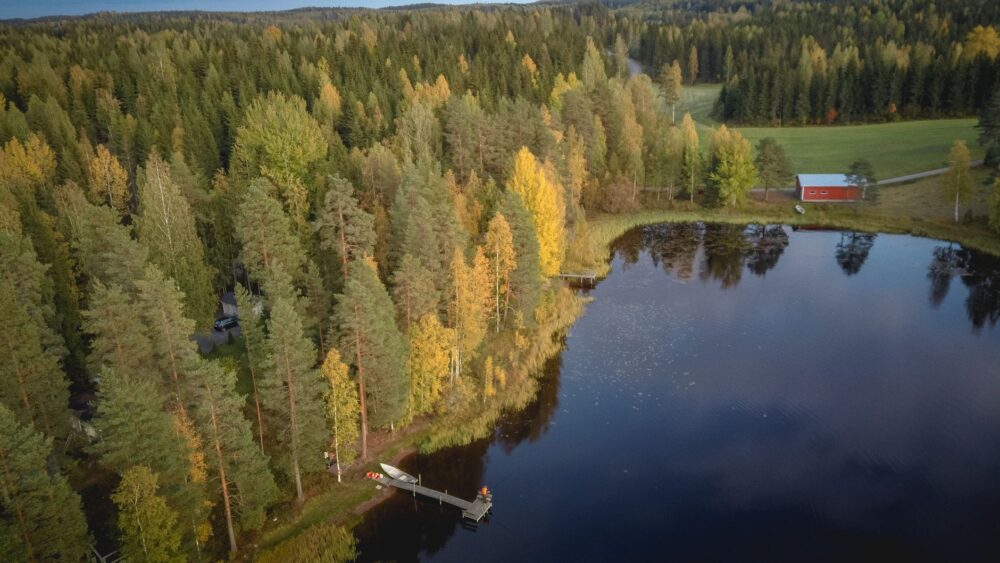
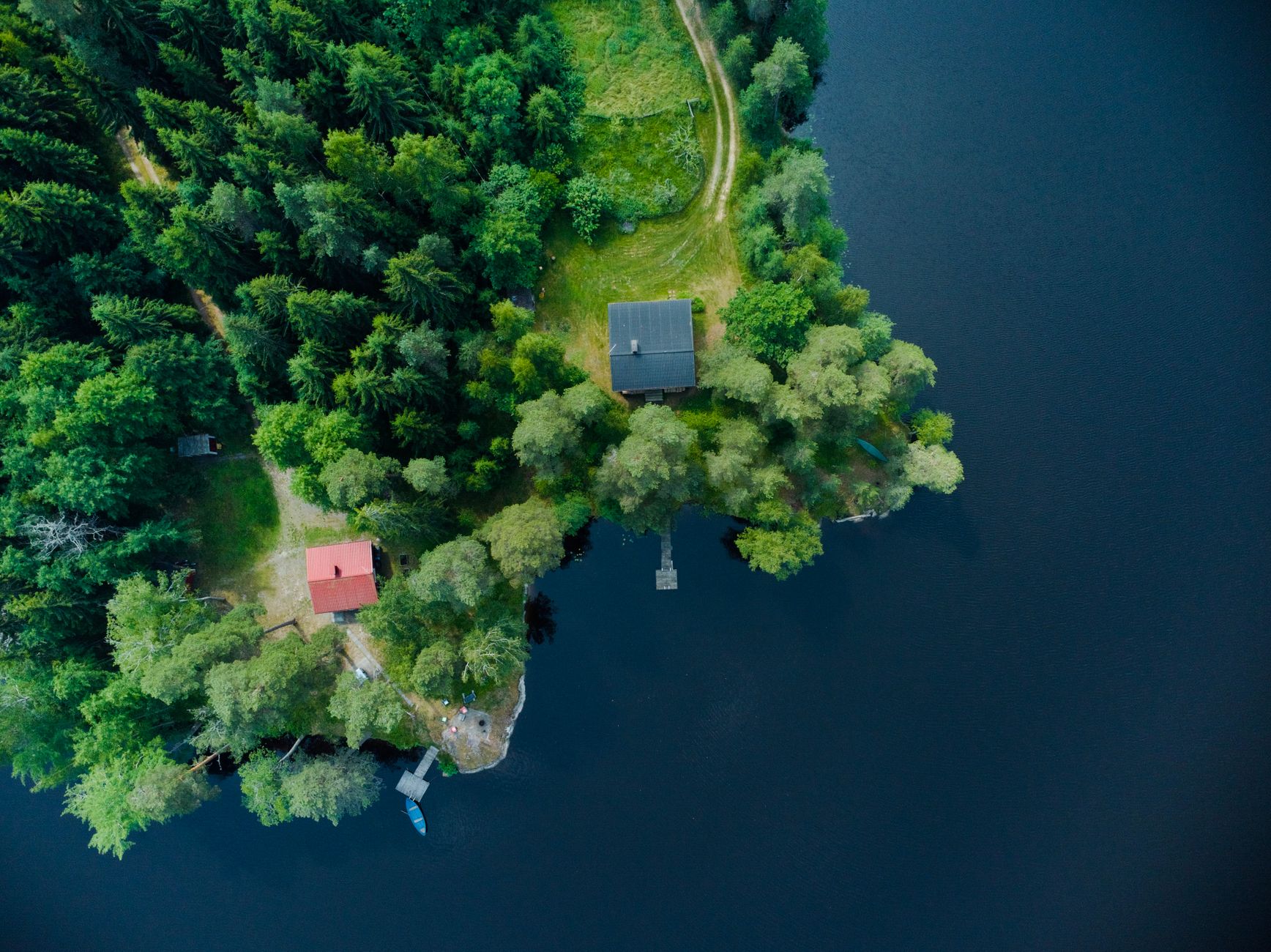
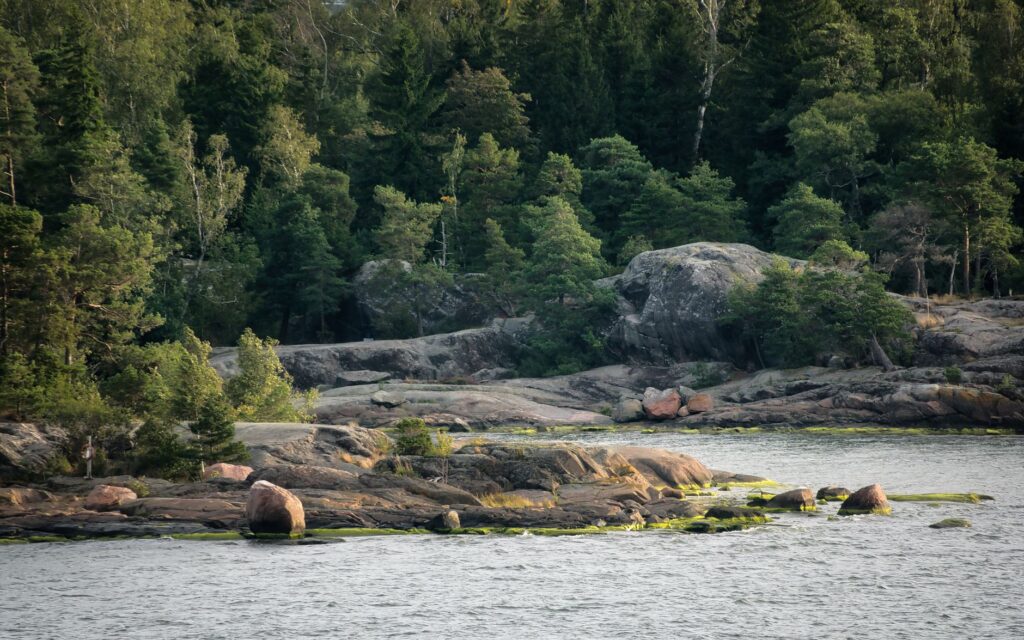
At the eastern edge of Finland’s capital, the urban geography gradually gives way to a mosaic of forested strips, inlets, and coastal wetlands. East Helsinki, known locally as Itä-Helsinki or Östra Helsingfors, is not only a residential and historic conglomerate of over 170,000 residents, but also an ecological corridor of invaluable worth for boreal wildlife. Here, the waters of the Gulf of Finland penetrate in the form of sheltered bays and shallow channels that serve as temporary and permanent refuges for numerous migratory birds and mammals adapted to the cold.
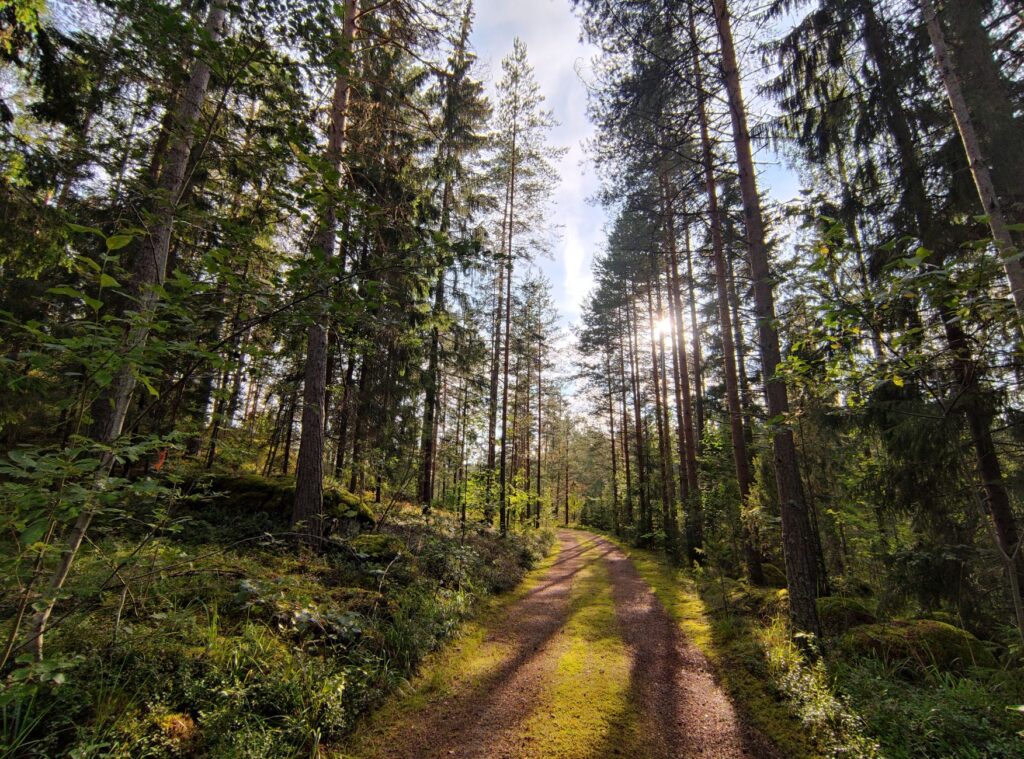
The average elevation of the area, situated a mere fourteen meters above sea level, conditions a precipitation and temperature regime marked by the direct proximity of the Baltic Sea. Long winters and reduced daylight hours during the coldest months contrast sharply with the explosion of life experienced during the boreal summer. Far from constituting a fully domesticated environment, this sector of Finland preserves patches of native vegetation where Scots pine, Norway spruce, and birch trees coexist with a network of pedestrian trails designed to allow respectful contact with nature without disrupting the delicate seasonal balances of local wildlife.
The Migratory Pulse of Coastal Bays
The protected waters of Helsinki’s eastern coastline act as a key station for waterfowl traversing the northern European migration corridor. During spring and autumn, the surface of these bays fills with mallards, coots, and various wading species that find the necessary food and rest in local reed beds and marshes to continue their journeys north or south across the continent. The preservation of these wetlands has become a scientific priority to prevent urban expansion from further fragmenting available biological corridors.
Fieldwork conducted by local biologists and environmental protection associations demonstrates that coexistence between metropolitan development and the conservation of wild habitats is possible as long as temporary exclusion zones are established during nesting periods. These measures protect both resident birds and small mammals, such as arctic hares and red foxes, which find a conducive environment for survival on the fringes of urban parks and peripheral forests. Responsible observation of these species requires a deep understanding of their life cycles, avoiding any undue approach during critical phases of the year.
Boreal Forests and Biodiversity Refuges
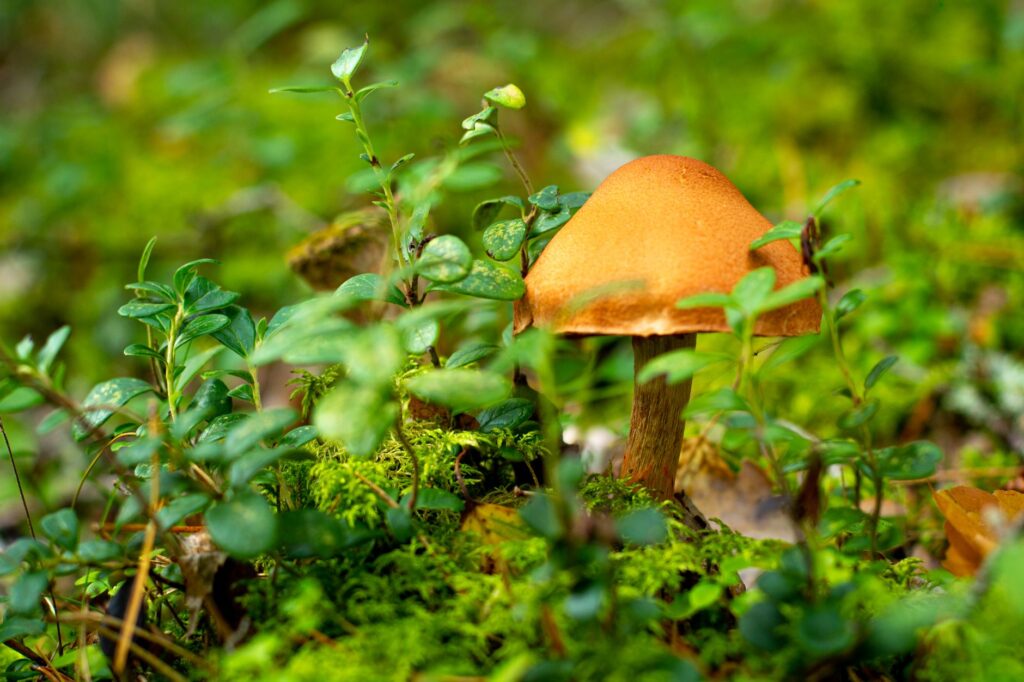
Beyond the coastal strips, the landscape of East Helsinki reaches into forest formations typical of the southern Finnish taiga. These mixed forests, where the undergrowth is dominated by mosses, lichens, and small wild berry bushes, support a complex trophic web ranging from pollinating insects to medium-sized predators. The presence of standing and fallen dead wood, managed through ecological conservation criteria, favors the proliferation of saprotrophic fungi and insectivorous birds such as woodpeckers, considered true indicators of the ecosystem’s environmental health.
The trails winding through these forests allow visitors to understand the dynamics of natural cycles without needing to venture into restricted protected areas. Local cartography and informational panels installed by municipal authorities persistently remind visitors of the importance of staying on marked paths and respecting the basic principle of leaving no trace. In this way, visiting communities assume an active role in preserving a natural heritage that belongs both to resident wildlife and future generations.
Community Work and Local Territory Management
Nature conservation in East Helsinki does not rest exclusively on government institutions; rather, it relies on strong involvement from neighborhood groups and non-governmental organizations. Various volunteer programs actively participate in periodic cleanups of coastline lines, the removal of invasive plant species, and the monitoring of bird populations through seasonal censuses. This citizen participation fosters a deep sense of belonging and respect toward the immediate surroundings, turning the inhabitants of the eastern neighborhoods into daily guardians of their own biodiversity.
Furthermore, local schools frequently integrate environmental education activities into their curricula, using the surrounding natural spaces as outdoor classrooms. Practical workshops on tracking identification, studying water quality in local streams, and understanding seasonal cycles allow new generations to grow with an ecological awareness firmly rooted in the reality of their landscape. This educational approach ensures that the preservation of the natural environment is understood not as a limitation, but as a fundamental part of urban quality of life.
Flora Adapted to the Rigors of the Nordic Climate
The vegetation in this region of Finland represents a genuine exercise of biological resistance against the harshness of the continental and maritime climate. The plants blanketing the forest floor and wetland shores have developed specific morphological adaptations to withstand prolonged frosts, acidic soils, and extremely variable insolation throughout the year. Spruces and pines maintain their evergreen foliage to make use of any available sunlight during short winter days, while herbaceous species complete their life cycles remarkably fast during the intense and uninterrupted light of the boreal summer.
The study of these botanical adaptations offers valuable clues on how boreal ecosystems respond to global climate change. University researchers collaborating with environmental monitoring centers in Helsinki continuously analyze the behavior of local flora facing thermal alterations and changes in precipitation regimes. These scientific data are indispensable for anticipating the future evolution of habitats and designing management strategies that reinforce the ecological resilience of the entire metropolitan region.
Green Infrastructures and Ecological Connectivity
To prevent urban growth from completely isolating the natural spaces of East Helsinki, territorial planning has decisively focused on creating and maintaining green corridors. These ecological pathways connect large forest parks with the coast, allowing the free movement of wildlife and genetic flow among populations of animals and plants that would otherwise remain confined to reduced habitat islands. The planting of native species and the restoration of canalized watercourses form part of this strategy aimed at returning the territory to its original ecological functionality.
The true wealth of a large metropolitan area is not measured solely by its concrete infrastructures, but by its capacity to keep intact the corridors where wildlife continues its journey without interference.
These landscape restoration interventions also directly benefit citizens, who gain healthier recreational spaces aesthetically integrated with the natural surroundings. The harmonization between urban mobility, residential areas, and wildlife refuges constitutes one of the greatest achievements of Nordic sustainable urbanism, demonstrating that demographic expansion and nature conservation can advance hand in hand when there is firm political and social will.
The Cycle of the Seasons on the Baltic Coast
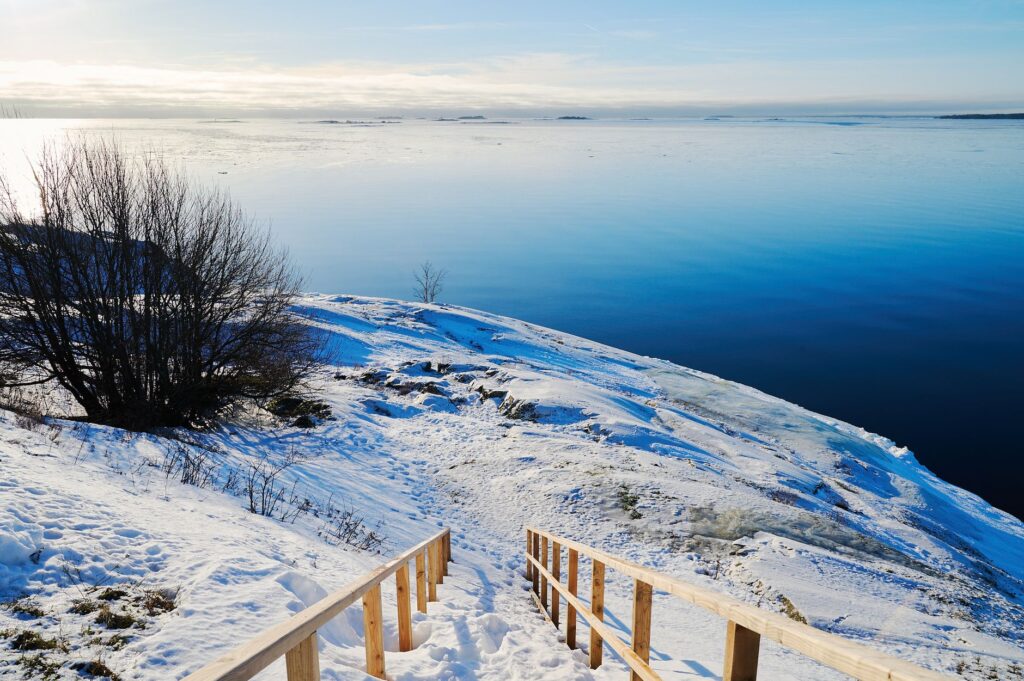
The changing of seasons in East Helsinki radically transforms the landscape and the routine of its wildlife. With the arrival of winter, the surface of the bays often partially freezes, forcing waterfowl to concentrate in areas where marine currents or human action maintain pools of open water. During this period, animal survival depends largely on body reserves and food availability in shore areas not covered by thick layers of ice. Terrestrial mammals, meanwhile, reduce their metabolic activity or adopt shelter strategies in deep burrows.
In contrast, the arrival of spring unleashes frantic activity throughout the ecosystem. The thaw releases streams and sea shores, allowing the massive return of migratory birds and the initiation of mating rituals in the vast majority of resident species. This seasonal dynamism demands maximum caution from visitors, as any human disturbance during spring months can seriously compromise the reproductive success of local wildlife. Observing these changes patiently and from an adequate distance is the best way to appreciate the true essence of Baltic nature.
Practical guide
How to get there: The East Helsinki district is perfectly connected to the center of the Finnish capital via the metro network and multiple urban bus lines operating with high frequency. From Helsinki Central Station, the metro journey to the various eastern neighborhoods takes between fifteen and twenty-five minutes.
When to go: Summer months (June to August) offer optimal conditions for hiking and bird watching with extended daylight. Spring (April to May) is ideal for witnessing the arrival of migratory birds, though it requires greater caution due to nesting periods.
Observation recommendations: Always use long-range binoculars to view aquatic fauna without approaching protected shores. Strictly obey signs prohibiting entry into temporary nature reserve areas and keep dogs on leashes at all times during walks on forest trails.
Suggested equipment: Waterproof clothing and sturdy mountain footwear are essential due to the constant humidity of the terrain. Bringing light warm layers is recommended even in summer, as the breeze coming from the Gulf of Finland can sharply chill the environment unexpectedly.
Silence and the Memory of the Coastal Landscape
As a final reflection, the contemplation of East Helsinki reveals that nature is not an element alien to urban life, but its most faithful counterpart and support. On cold mornings when morning mist rises over the Baltic waters and coastal pine forests, the bustle of the big city seems to vanish entirely, leaving room only for the whistling of wind through treetops and the distant call of seabirds. It is in those moments that the visitor understands the magnitude of the collective effort required to protect these fragile balances.
The conservation of biodiversity in a peri-urban environment like this demonstrates that respect for the environment does not necessarily require vast unexplored reserves, but rather the constant will to care for every small green corner surviving alongside our streets. Keeping this relationship of mutual respect alive ensures that future generations can also hear the wild pulse of the Baltic beating strongly at the gates of the big city.