
Origins and Evolution of a Planned Community in the Insular Core
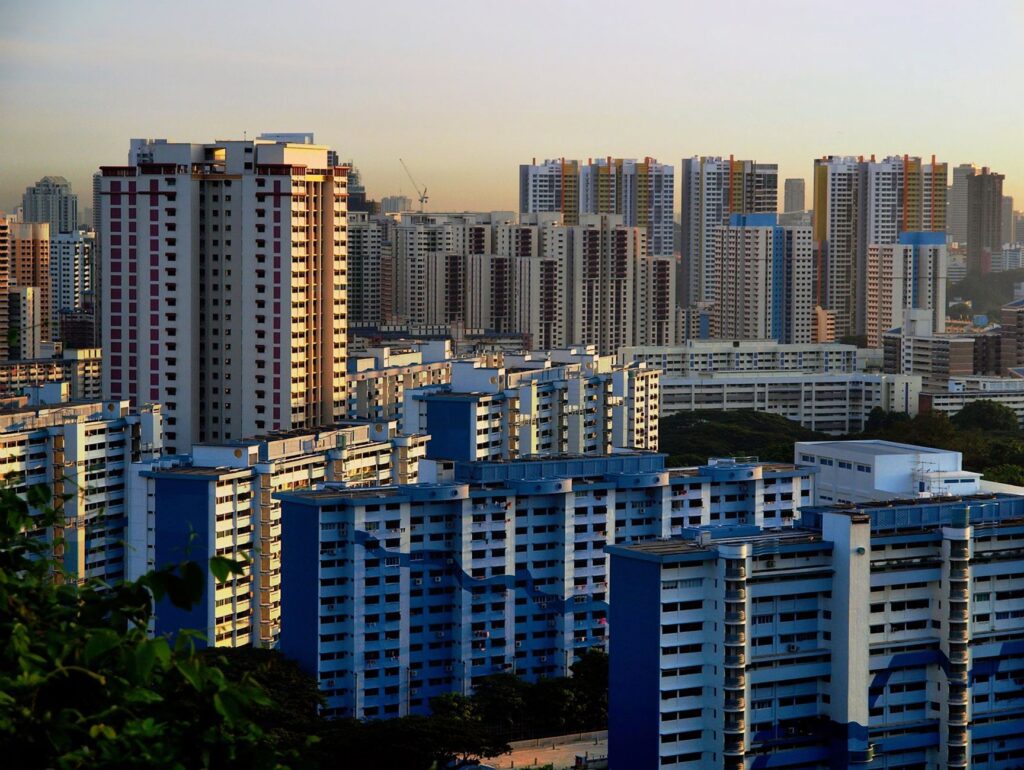
Bishan New Town, located in Singapore’s Central Region, represents one of the most remarkable examples of urban planning in Southeast Asia. What was once land tied to the funerary history of the local Cantonese community transformed, starting in the 1980s, into a modern residential enclave that now houses tens of thousands of people. The transition from those former cemeteries to the current fabric of public housing blocks—locally known as HDB flats—demonstrates how the city-state has optimized every square meter without sacrificing social cohesion or architectural identity.
The urban design of Bishan was structured from the outset around the principle of relative self-sufficiency. Rather than turning the sector into a mere peripheral dormitory town, planners integrated neighborhood shops, prestigious educational institutions, and sports complexes directly into pedestrian pathways converging at the neighborhood’s core. This layout drastically reduces the need for long commutes to cover daily necessities, fostering a lifestyle where the neighborhood regains a prominence unusual in contemporary Asian megalopolises.
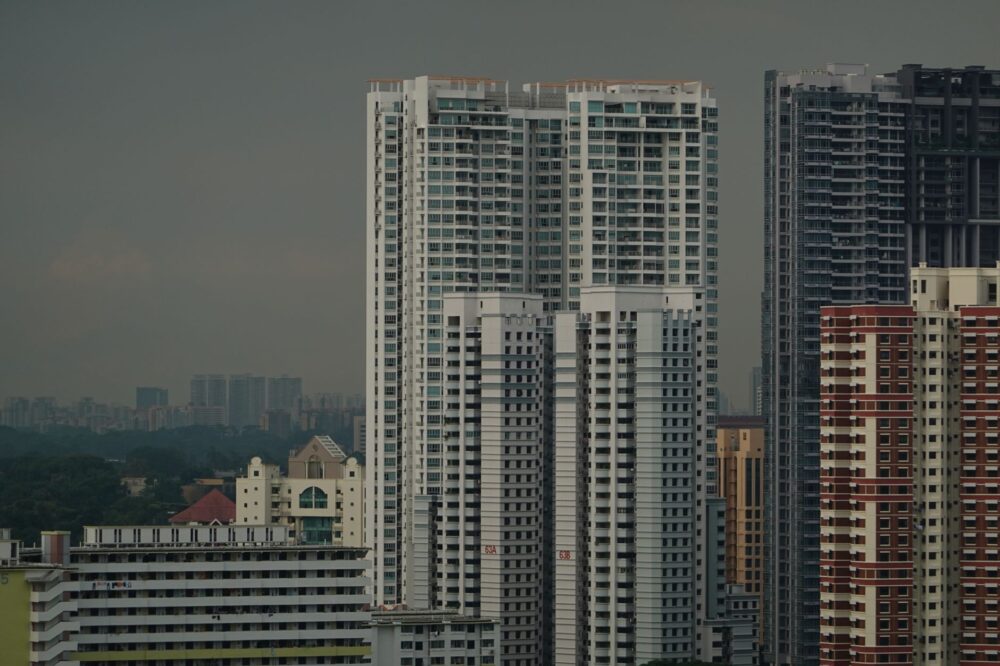
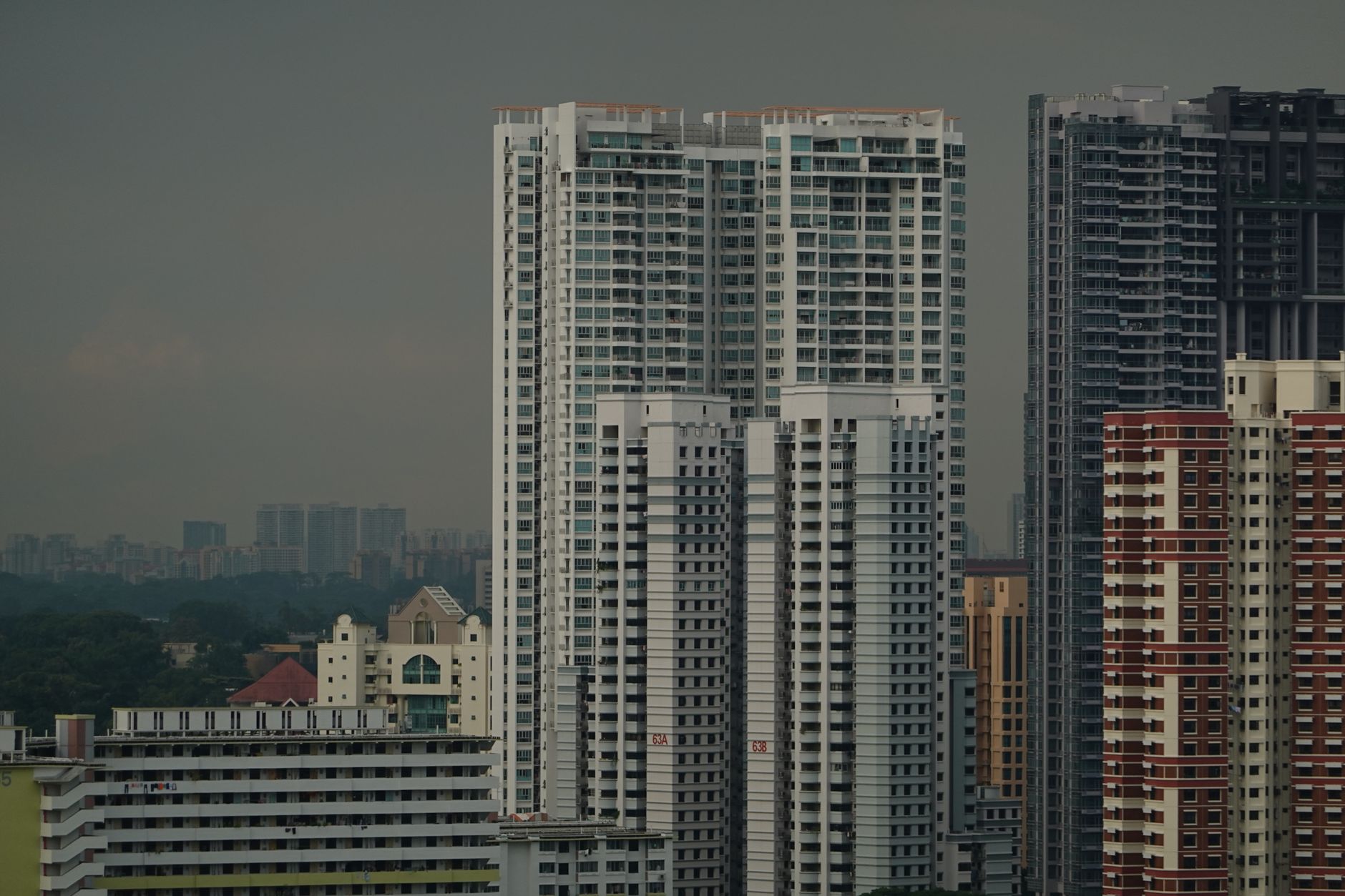
Walking through the streets of this urban sector reveals a vertical residential architecture that has successfully evolved over the years. The initial buildings, characterized by austere functionality, now coexist with contemporary design towers incorporating ecological criteria, cross-ventilation, and elevated sky gardens. This constructive diversity reflects Singapore’s economic growth, but also its capacity to adapt shared spaces to the climatic demands of the tropics, where shade and air circulation are as important as building materials.
Bishan Station and the Rail Network as the Backbone
If there is one element defining Bishan New Town’s daily dynamism, it is its underground transport node. Bishan MRT station, situated at the intersection of two major lines of Singapore’s metro system—the North South Line and the Circle Line—operates as the true engine synchronizing the commutes of thousands of workers, students, and visitors toward the financial district and other key points of the island territory.
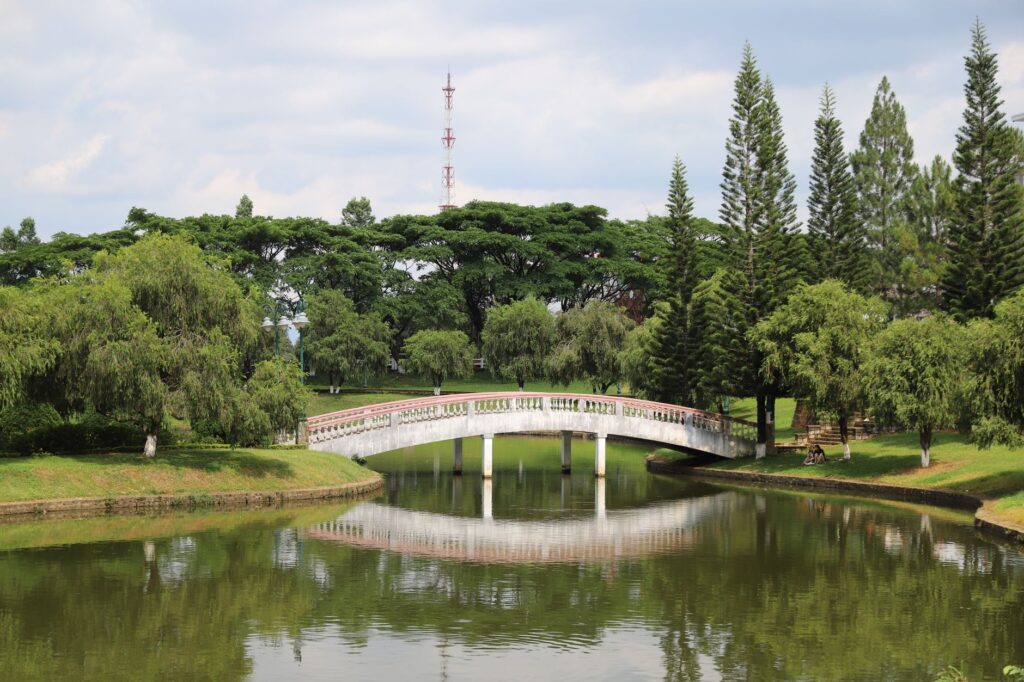
Passenger flow at this station stands out for its precision and order, intrinsic characteristics of Singapore’s public transport system. Platform transitions, integrated retail access, and multilingual signage are designed to minimize friction during peak hours. For the Bishan resident, descending the escalators underground equates to instantly connecting with a network that erases geographic distances across the island, allowing neighborhood life to coexist seamlessly with labor activity in the financial center.
At surface level, connectivity is complemented by an urban bus network constantly feeding the rail interchange. These services circulate along wide, tree-lined roadways, prioritizing punctuality and accessibility for passengers with reduced mobility. The widespread use of public transport, encouraged through government policies and integrated fares, turns Bishan into a model of sustainable mobility where private vehicles take a back seat to collective and pedestrian transit.
The Bishan-Ang Mo Kio Park and Environmental Renaturalization
One of the greatest landscape and environmental achievements of Bishan New Town is its famous linear park, developed in collaboration with the nation’s water management authorities. Formerly, the Kallang River flowed through this sector confined within a straight, utilitarian concrete channel, designed solely to drain monsoon rainwater efficiently while devoid of ecological or aesthetic value.
The transformation of this riverbed into a naturalized waterway marked a radical shift in residents’ relationship with their surroundings. Today, Bishan-Ang Mo Kio Park seamlessly integrates water infrastructure with native vegetation meadows, wooden boardwalks, and bioengineering zones that naturally filter water before it reaches reservoirs. This approach proves that managing water resources in densely populated environments can be successfully combined with creating high-visual-and-environmental-quality recreational spaces.
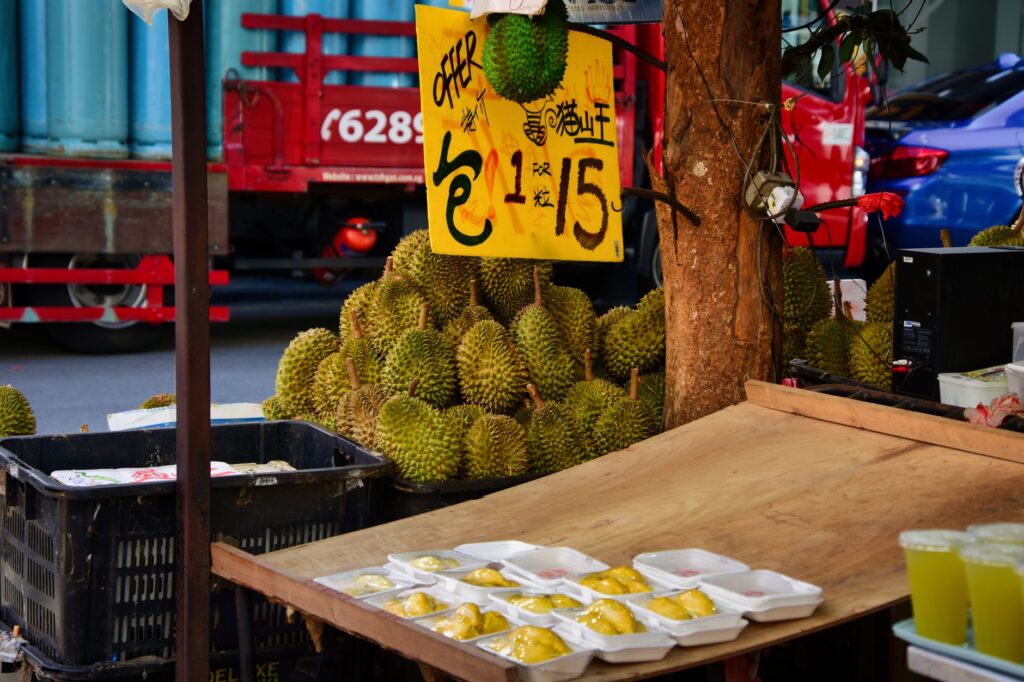
Water is no longer an element to be hidden behind cement walls, but rather the guiding thread that restores biodiversity and tranquility to daily urban life.
For neighborhood residents, this green corridor serves as the lung where daily activities unfold, such as morning tai chi practice, family strolls at dusk, or urban birdwatching. Integrating nature into the residential fabric not only improves the local microclimate by reducing the urban heat island effect, but also reinforces the emotional well-being of a community deeply valuing open, clean spaces.
Daily Life at the Heart of the Housing Blocks
Bishan’s daily pulse is clearly experienced in its neighborhood shopping centers and traditional food markets known as hawker centres. These public spaces act as intergenerational meeting points where residents from diverse ethnic backgrounds share breakfasts, lunches, and conversations about everyday topics, reflecting the multicultural mosaic characterizing Singaporean society.
In these markets, spatial organization follows a highly precise community logic. Food stalls offer culinary specialties from Chinese, Malay, and Indian cuisines, arranged so visitors can traverse centuries of Asian gastronomic tradition within a few meters. Rigorous cleanliness, universal accessibility, and efficient waste management are normalized aspects ensuring a comfortable, safe experience for all users.
Around the food centers, elevated plazas and HDB building void decks house small neighborhood shops, community medical clinics, and gathering spaces for seniors. This decentralization of essential services prevents residents from traveling long distances to resolve daily matters, consolidating a sense of neighborhood belonging that contrasts with the fast pace of major global metropolises.
Heritage, Memory, and Landscape Transformation
Understanding Bishan New Town requires looking beyond its evident modernity to explore the layers of memory shaping its identity. Although current development completely transformed land use, local associations and community archives preserve the footprint of former rural settlers and the cemeteries occupying the area before state planning arrived.
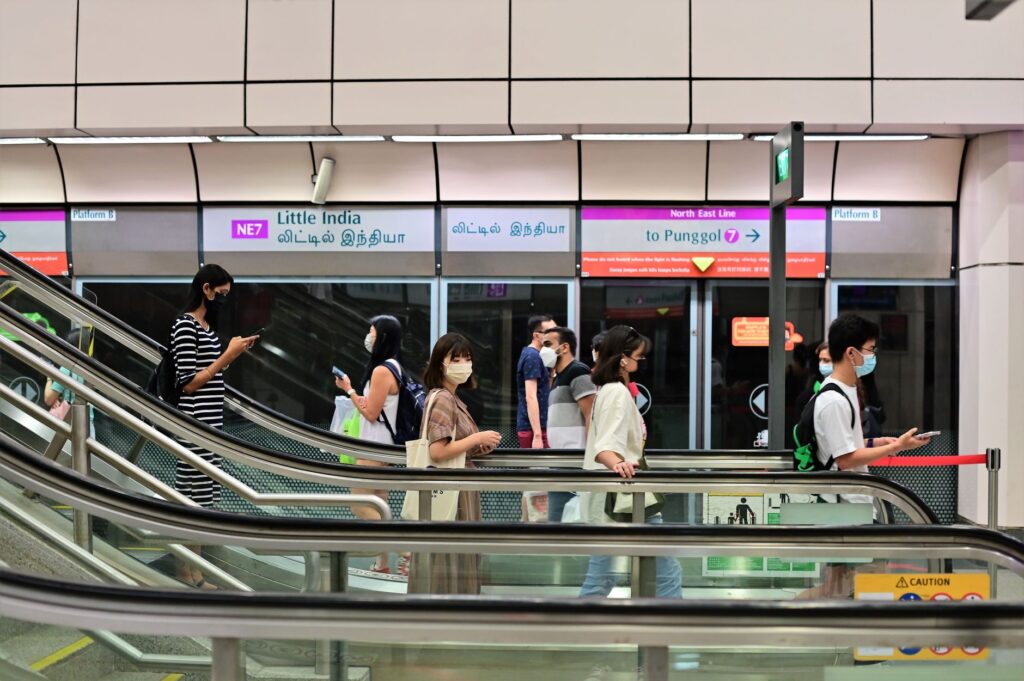
This coexistence between past and present manifests in minor architectural details, the conservation of certain century-old trees, and the naming of streets and community centers honoring historical regional figures. Respect for collective memory pairs with a clear future-oriented vocation, visible in the constant integration of smart technologies in public lighting management, park irrigation, and traffic monitoring.
Visitors exploring this district discover an environment where technological innovation does not clash with the tranquility of residential spaces. The absence of massive tourist crowds allows observers to calmly examine Singapore’s contemporary reality, far from standard postcard clichés and closer to the genuine experience of those who inhabit and transit this territory daily.
Responsible Visitor Decisions in Bishan
Touring Bishan New Town as a traveler demands adopting an attitude respectful of local regulations and the dynamics of a community prioritizing harmonious coexistence. Unlike purely tourist enclaves in the city-state, this district functions primarily as a residential space, requiring visitor behavior to integrate discreetly into the neighborhood’s daily rhythm.
Using public transport constitutes the primary fundamental rule for anyone wishing to explore the area responsibly. Avoiding private vehicles and opting for the metro and bus network reduces local congestion and aligns travelers with urban sustainability goals promoted by Singapore. Likewise, respecting public cleanliness regulations, strict prohibitions on smoking in unauthorized areas, and caring for parks and water zones are inescapable civic duties.
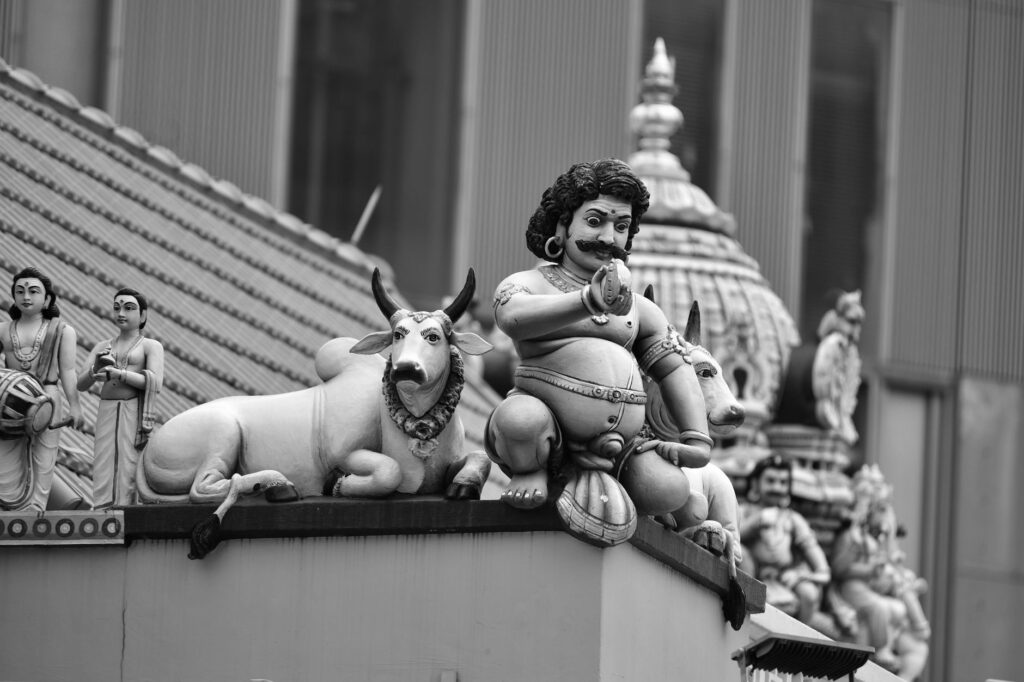
When interacting in food markets and local shops, visitors should observe resident customs, such as tray return at designated hawker centre stations or moderating voice tones in enclosed spaces and metro cars. Thus, travelers not only enjoy an authentic immersion in Singaporean daily life but also help preserve the social and environmental equilibrium defining this model community.
Practical guide
How to get there: Bishan New Town is seamlessly connected to the rest of Singapore via the MRT system. Bishan station sits on the North South Line (NS17) and the Circle Line (CC15), allowing fast access from the financial center (Raffles Place or City Hall) in approximately 15 to 20 minutes.
When to visit: Any time of year suits touring the district, though early morning hours (between 7:00 and 9:00 AM) and late afternoons (from 5:30 PM onward) offer the most pleasant times to stroll through Bishan-Ang Mo Kio Park and observe local life without intense midday heat.
Where to eat: Popular food centres located beside main residential blocks offer a wide variety of local dishes at highly accessible prices. Trying regional specialties in a clean, orderly environment frequented by neighborhood residents is highly recommended.
Code of conduct: Smoking is strictly prohibited in most enclosed public spaces and around transport stations. Visitors must maintain civic behavior, use selective waste bins, and comply with tray return regulations in food establishments.
Final Reflection on Urban Balance
Bishan New Town successfully synthesizes the complex equation of dense urban development, environmental sustainability, and neighborhood quality of life in contemporary Singapore.
Through flawless connectivity, restored natural spaces, and a robust community identity, this district proves that material progress can march hand in hand with residents’ daily well-being and rigorous respect for the natural environment.