
Between the Waters of the Gulf and Ancient Stone
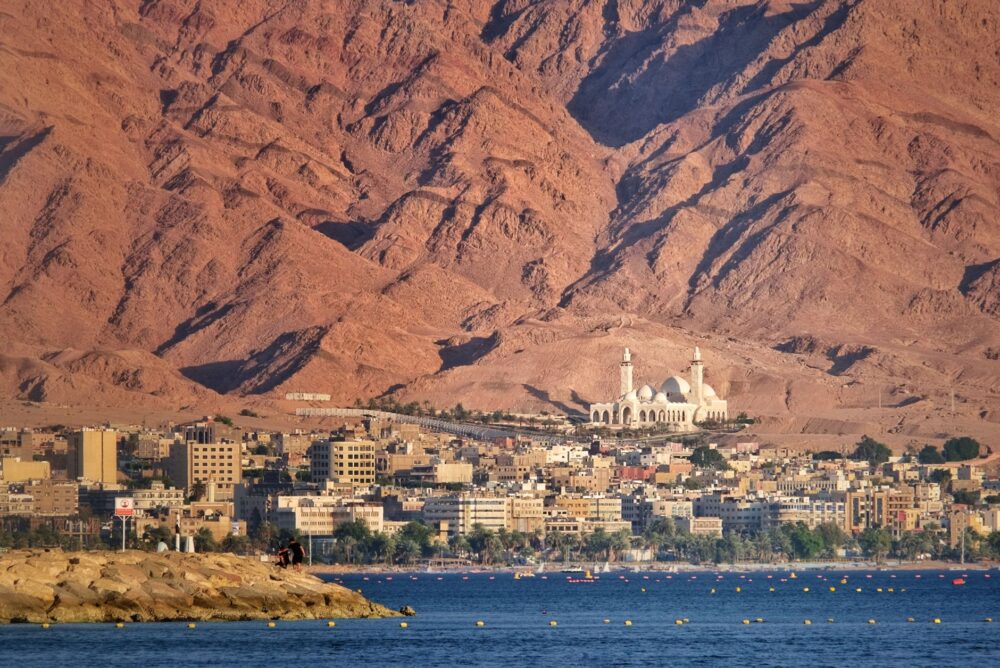
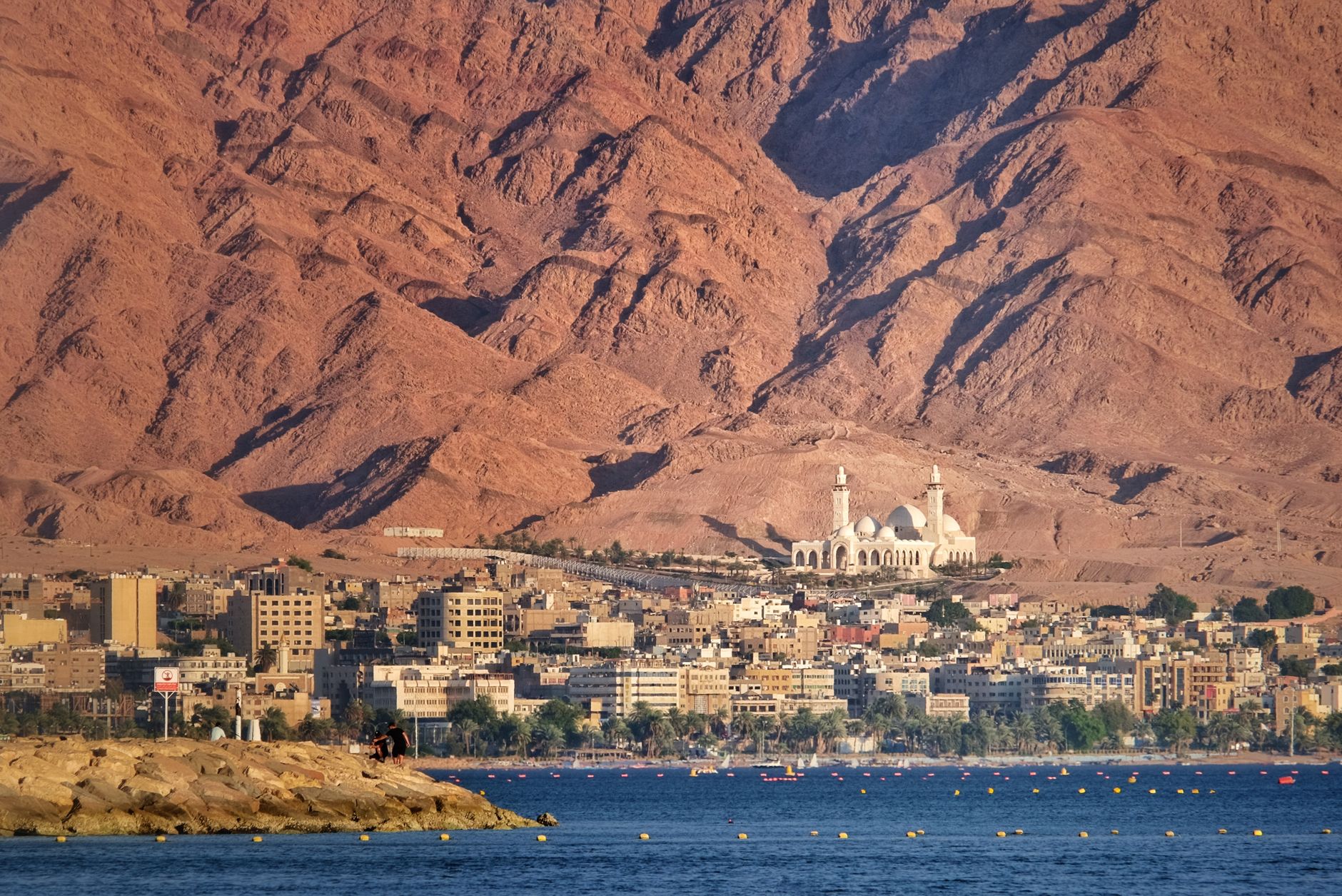
In the southern extremity of Jordan, where the arid geography of the desert converges with the warm, crystalline waters of the Gulf of Aqaba, stands a city whose existence has been tied for centuries to commerce and caravan transit. Far from the stridency of major tourist metropolises, Aqaba maintains a steady, unhurried pulse felt in every residential street and along its bustling seafront promenade. Situated near sea level, its altitude generates a unique microclimate that shapes the daily activities of its inhabitants, who have successfully balanced maritime tradition with the administrative modernity of an ever-evolving governorate.
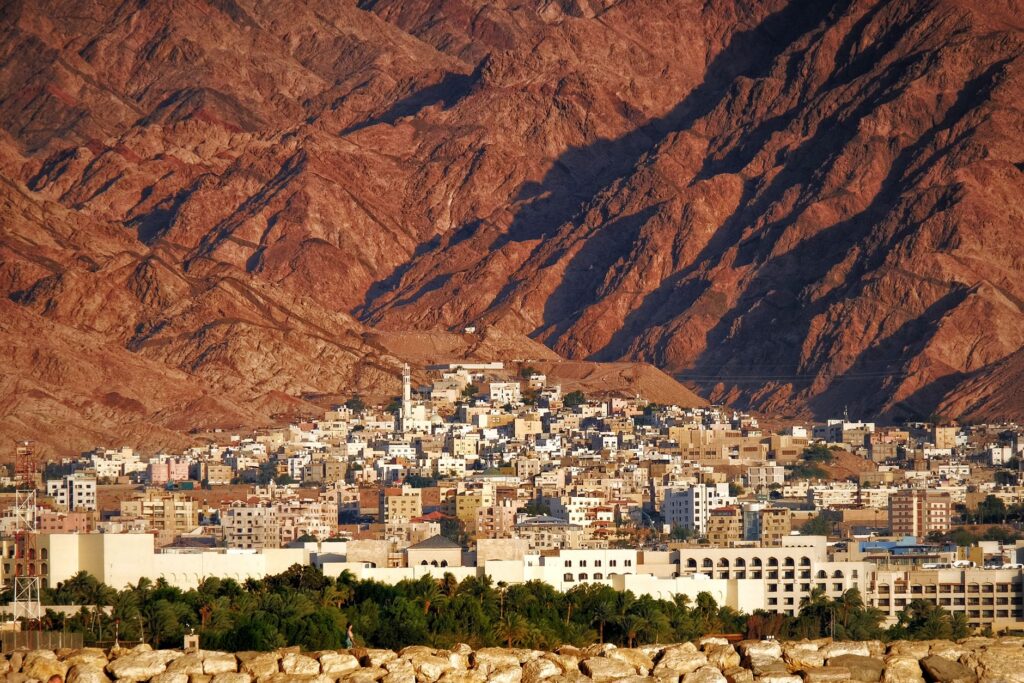
Human presence in this enclave dates back millennia, as evidenced by archaeological remains discovered near Ayla, the medieval Islamic settlement that preceded the modern city. Today, exploring the interior neighborhoods reveals low-rise architecture where internal courtyards and the ochre tones of limestone converse continuously with the intense blue of the Red Sea. Community life unfolds to the rhythm of the tides and sea breezes, offering visitors a genuine perspective of the Jordanian coast where hospitality is not a promotional tool, but an unwritten norm of social coexistence.
Daily Life in the Markets and Squares of the Old Town
The commercial heart of Aqaba beats strongly in its central market and the alleys adjacent to the historic quarter, where aromas of local spices, roasted coffee, and fresh fish define the daily atmosphere. Merchants and neighbors gather from early morning to provision themselves with agricultural produce from inland valleys and daily catches brought in by local fishermen working the gulf waters. This commercial dynamic reflects an economy deeply rooted in local exchange, where small family-owned shops remain the fundamental pillar of the social fabric.
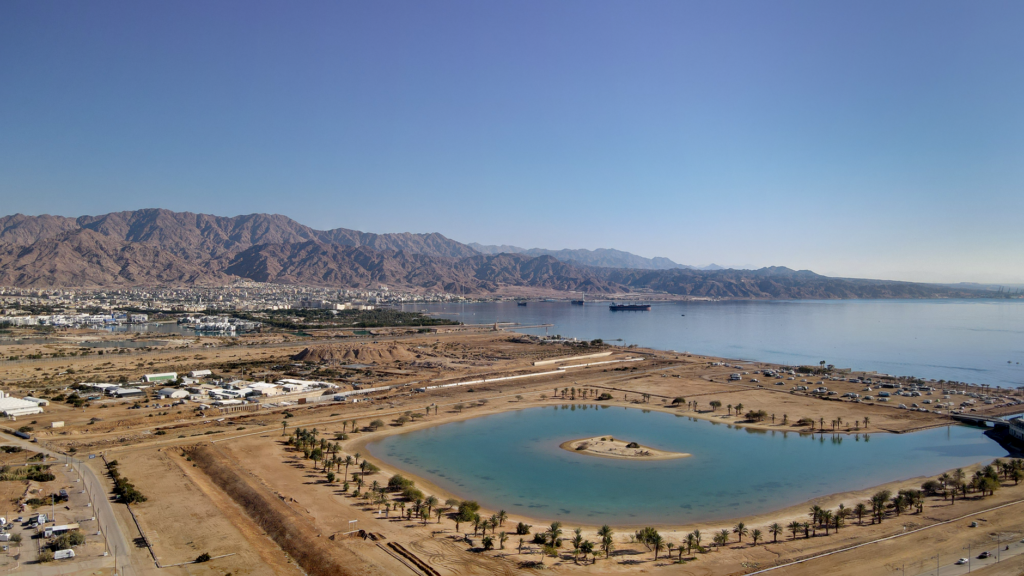
In public squares, the shade of date palms offers respite from midday temperatures. Here, casual encounters between neighbors and unhurried conversations about daily affairs form an endearing human landscape. Unlike saturated tourist enclaves, Aqaba’s daily life hides behind no artifices; it is transparent in fishing net repair workshops, small teahouses where regional futures are debated, and the constant coming and going of a community that deeply values its cultural roots and ancestral tranquility.
Architectural and Defensive Heritage Along the Coast
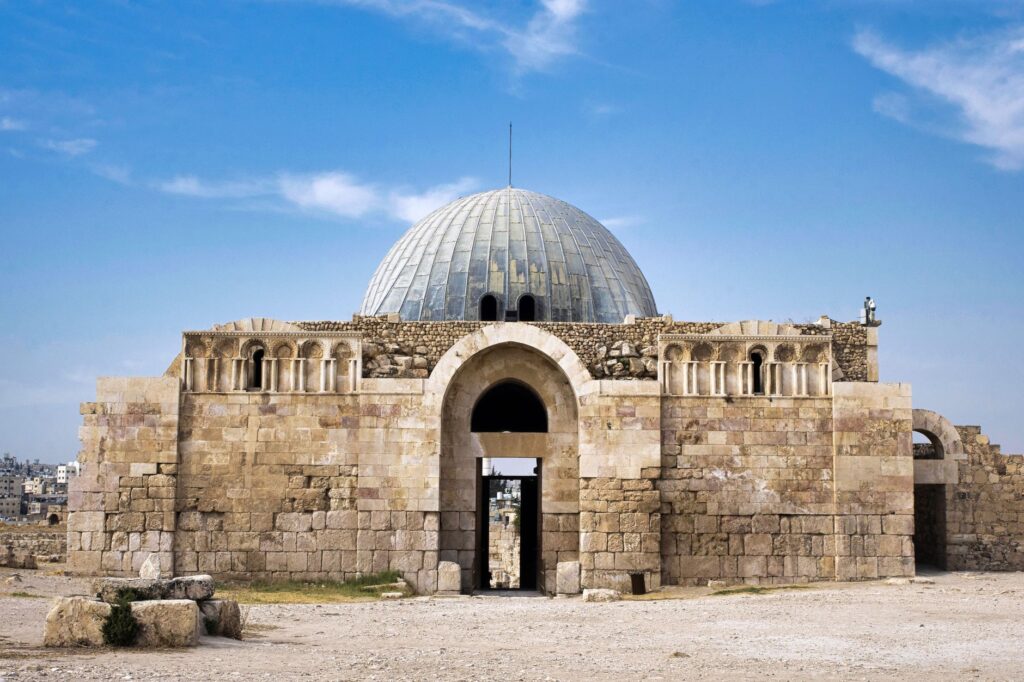
Aqaba’s monumental heritage finds its highest expression in the Mamluk Castle, also known as Qal’at al-Aqaba, an imposing stone structure located steps from the shoreline. Originally built in the fourteenth century and later expanded, this fortress played a key role in controlling pilgrimage routes to Mecca and defending the port against external incursions. Its robust walls and watchtowers recall the strategic importance this Red Sea corner held for successive empires and dynasties throughout the centuries.
A short walk from the fortified enclosure, the Aqaba Archaeological Museum houses a collection of artifacts narrating the region’s rich history, spanning from the Bronze Age to the Islamic and Ottoman eras. The layout of these cultural spaces invites slow reflection on how civilizations adapted to a geographically demanding environment rich in maritime resources. The preservation of these monuments responds not merely to tourist interest, but to a collective desire to protect historical memory against contemporary urban advancement.

Maritime Culture and the Symbiotic Relationship with the Red Sea
The Red Sea is not merely a scenic backdrop in Aqaba; it serves as the backbone of its cultural and economic identity. Local fishing communities, organized around traditional cooperatives, maintain knowledge passed down through generations regarding marine currents, lunar cycles, and the benthic biodiversity of the gulf. This intimate relationship with the aquatic environment demands deep respect for the fragile coral ecosystems bordering the coast, which are vital for both marine fauna and regional environmental stability.
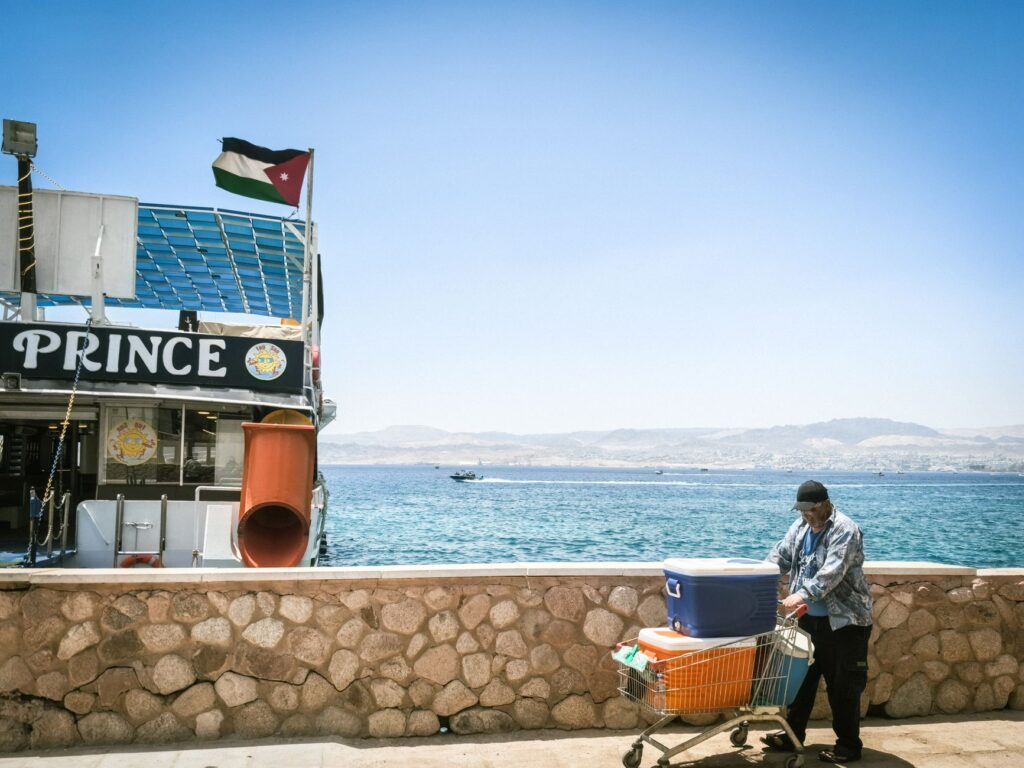
At traditional docks, sunset marks the end of the maritime workday and the beginning of a peaceful ritual where boats remain moored until dawn. Families gather by the coast to enjoy the evening breeze while younger generations practice traditional water sports. This constant bond with the water permeates local cuisine, characterized by the preparation of fresh fish seasoned with indigenous spices, olive oil, and lemons harvested in nearby oases.
The Role of the Community in Environmental Conservation
Faced with the challenges of demographic growth and sustainable tourism expansion, neighborhood associations and local authorities in Aqaba have promoted various initiatives aimed at protecting natural and urban heritage. Beach cleanup programs, awareness campaigns on efficient water use, and the recovery of green public spaces are tangible measures demonstrating citizen commitment to their surroundings. Active resident participation ensures that city development does not compromise the natural resources upon which its livelihood depends.
This community effort extends to preserving oral traditions and local handicrafts, preventing modernization from diluting the area’s cultural singularity. Basketry workshops, textile production, and the transmission of traditional recipes form part of an invisible curriculum taught within families. The community understands that protecting its identity is the only path to facing the future securely, maintaining harmonious balance between historical past and present demands.
Responsible Travel Practices on the Jordanian Coast
Travelers arriving in Aqaba have the opportunity to engage in conscious tourism respectful of the host community. Adopting responsible practices means prioritizing purchases in local markets and shops, using public transport or walking through the historic quarter to reduce environmental footprints, and respecting local dress codes and cultural decorum. Furthermore, minimizing single-use plastics and supporting marine conservation initiatives directly contributes to the destination’s sustainability.
The true value of travel lies in the capacity to listen to the unhurried rhythm of those who inhabit the land, understanding that every corner holds a history woven with patience and mutual respect.
Respect for natural spaces, especially in coral reef zones and terrestrial protected areas, requires strict adherence to instructions from local guides and current environmental regulations. Responsible tourism in this region is not limited to observing landscapes, but actively participating in their preservation, ensuring future generations can enjoy the same authenticity and environmental richness defining this coastal city today.
Practical guide
How to get there: Aqaba is served by King Hussein International Airport, located a few kilometers from the city center, receiving regular and charter flights. Additionally, road connections are available via long-distance buses and shared taxis from Amman and other major Jordanian locations.
When to travel: Spring months (March to May) and autumn (September to November) offer mild temperatures ideal for exploring the city and enjoying outdoor activities, avoiding the extreme heat of summer months.
Recommended gastronomy: It is essential to try local fresh fish dishes, the classic sayadieh (spiced rice with fish and caramelized onions), and traditional sweets made with regional dates and nuts.
Accommodation: Hotel options range from small family-run guesthouses in the old town to resorts in the southern coastal zone, with advance booking recommended during national holiday periods.
Local respect guidelines: Visitors are advised to dress modestly when walking through residential areas and traditional markets, greet cordially, and ask permission before photographing local residents.
Final Reflection on Aqaba’s Living Memory
As evening falls, the golden light of the desert bathes Aqaba’s facades and reflects softly on the gulf, creating an atmosphere of serene timelessness. The streets regain a restorative calm as the echoes of the day slowly fade. This Jordanian city, rooted in its ancient history and openly dignified toward the future, proves the true essence of a place lies in the authenticity of its people and fidelity to daily roots.