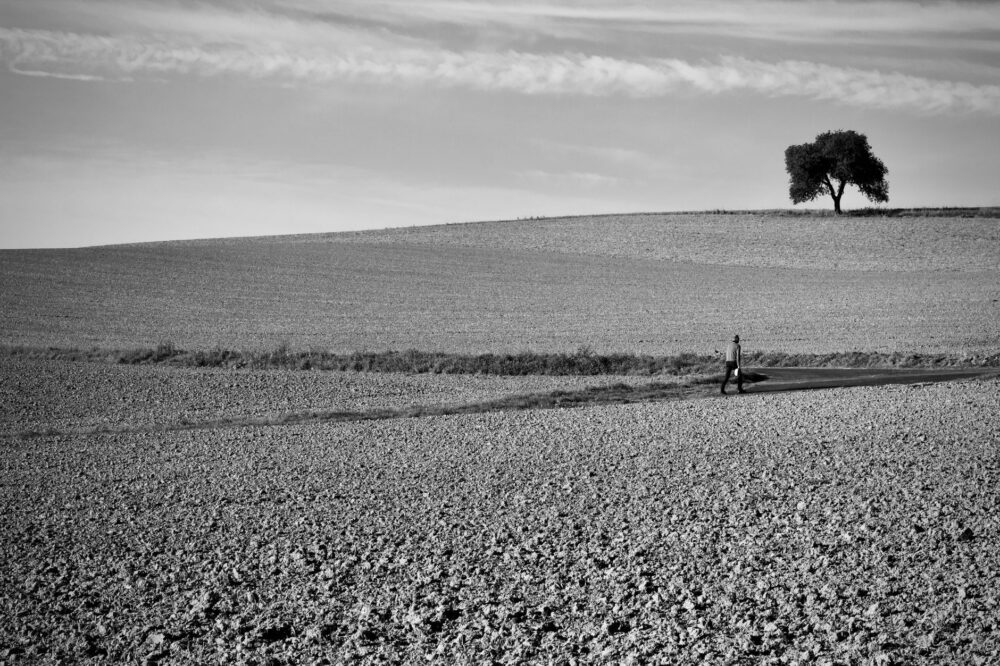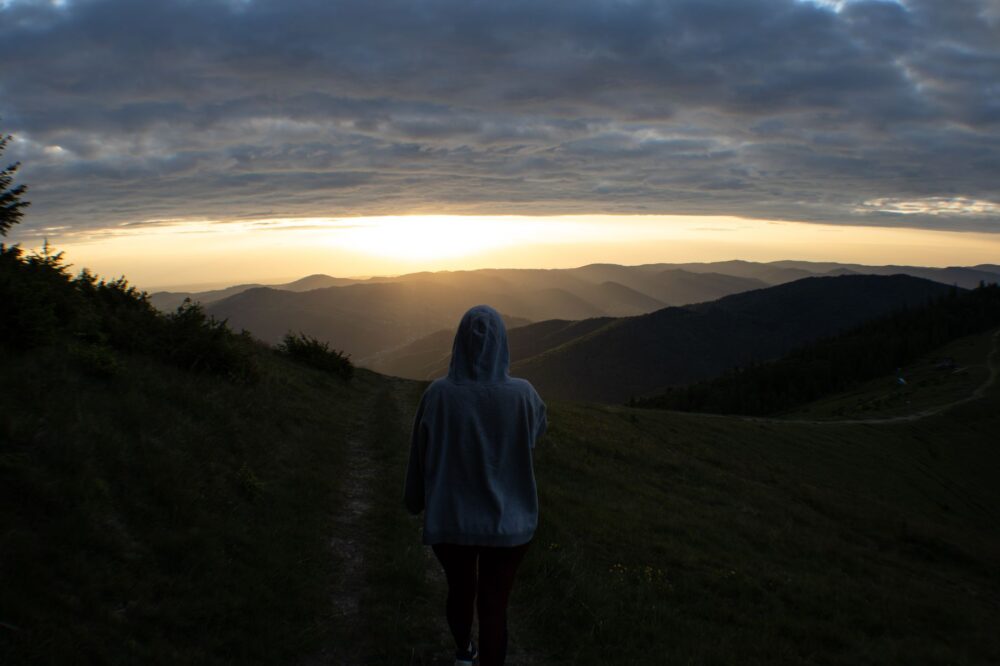

We live in an era that has confused movement with understanding. We have been sold the idea that covering vast distances and accumulating images on glowing screens is equivalent to comprehending the complexity of the world. Yet accumulation rarely yields depth. On the contrary, constant haste blurs the contours of places, reduces cultures to decorative prints, and turns the territory into a mere backdrop for personal consumption. Against this inertia, the experience of traveling with meaning demands a profound review of our rhythms and our emotional disposition before the unknown.
Speed as a Form of Blindness
The accelerated pace with which we move today is not merely a matter of logistics or time-saving; it is, fundamentally, a form of voluntary blindness. When everything flashes past us through a window or a screen, nuances vanish. Landscapes become interchangeable, cities lose their voice, and people turn into fleeting shadows. The hurried traveler seeks to confirm preconceived expectations rather than allow themselves to be transformed by the reality they encounter. Speed anesthesizes the capacity for wonder and shields us from the discomfort inherent in a true encounter with otherness.
Recovering the Weight of Steps
Faced with the tyranny of chronometric time, the act of walking emerges as a form of cultural and spiritual resistance. Walking demands slowness, physical effort, and constant attention to the ground beneath one’s feet. Each step establishes a tactile and direct relationship with the earth. In that daily friction with the terrain, the territory ceases to be a cartographic abstraction and becomes a living presence. The stones, the scents of vegetation, the dust of the road, or the distant murmur of a square remind us that we inhabit a real space, populated by others who have built their memory there over centuries.
Hospitality as Attentive Listening
Traveling is not solely about looking; it is, above all, learning to be received and accepting our status as guests. True hospitality is not exhausted by formal reception or flawless service; it requires an attitude of deep listening from the arriving guest. Listening to a language one does not fully master, accepting the rhythms of a local kitchen that knows nothing of immediacy, or respecting the invisible rules of a community requires humility. The mature traveler understands they are not the center of the scene, but a temporary guest who must appreciate the privilege of sharing, even briefly, the daily pulse of an unfamiliar place.
Nature and Silence as Teachers
In this journey of attention, nature holds an irreplaceable place. The point is not to seek mere aesthetic evasion or a photographic backdrop for isolation within natural spaces, but to reconnect with scales of time that escape human control. Ancient forests, tide-swept coasts, or high peaks expose our smallness while simultaneously restoring a serene sense of belonging. In those spaces, silence ceases to be the absence of sound and becomes a dense presence, a propitious space where the mind can settle and the gaze becomes clearer.
The Responsibility of Looking Without Possessing
Every movement leaves a trace, whether material or symbolic. The responsibility of the traveler lies in minimizing the impact of their passage and transforming curiosity into a form of respect. Looking at the world without the temptation to appropriate it, commercialize it, or reduce it to a digital trophy is the great ethical challenge of our time. When we understand that landscapes, languages, and traditions do not belong to us, we begin to relate to them through care. Travel then ceases to be an act of consumption and becomes an exercise in gratitude, reminding us that the world is a fragile legacy we must traverse with the utmost delicacy.