
The Southern Highlands of Tanzania
Nestled at nearly seventeen hundred metres above sea level, Mbeya unfolds in southwestern Tanzania as a geographical and historical crossroads where volcanic slopes meet the trade routes connecting East and Central Africa. The city, home to over half a million residents, rises against a backdrop of rugged peaks, fertile valleys, and an altitude that tempers the equatorial tropical climate, providing cool mornings and a crisp light that defines the rhythm of its markets.
The urban and intercity layout of this region does not follow a linear plan, but rather a constant adaptation to mountainous relief. The roads and paths descending from the volcanic foothills to the central district channel a steady flow of agricultural produce, coffee, and tea, turning daily movement into a reflection of the area’s economic self-reliance. Geography shapes every journey, requiring both transporters and travelers to maintain a deep understanding of distances and the travel times imposed by terrain elevations.
Beyond the immediate municipal limits, the routes extend toward neighboring administrative divisions, linking remote settlements with the bustling commercial core. This vast network of pathways acts as a vital lifeline for families residing in the higher altitudes, ensuring that essential goods reach even the most isolated communities.
Volcanic Topography and the Agrarian Landscape
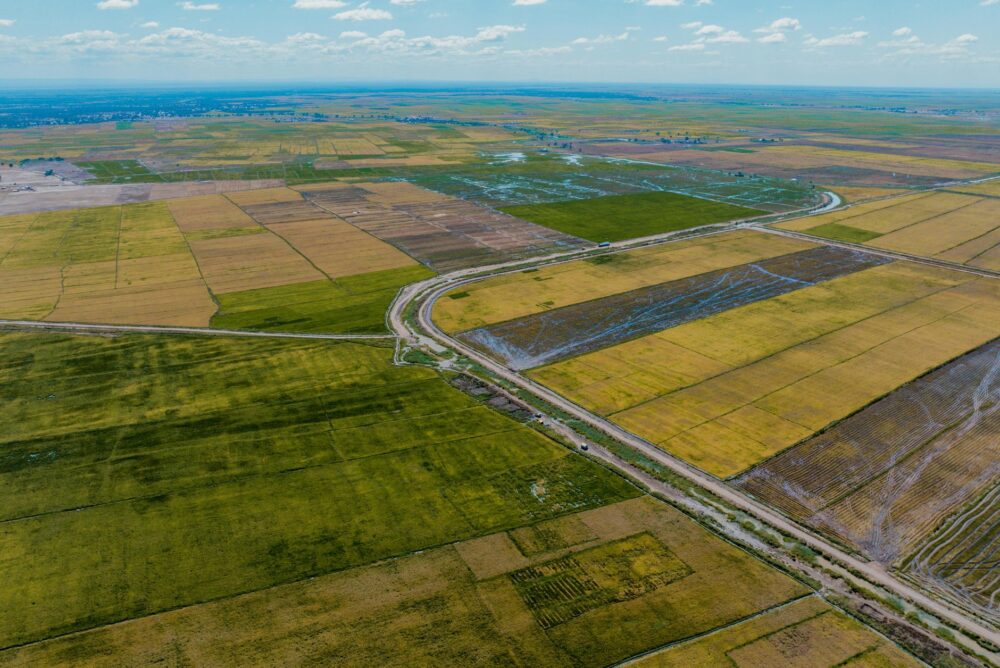
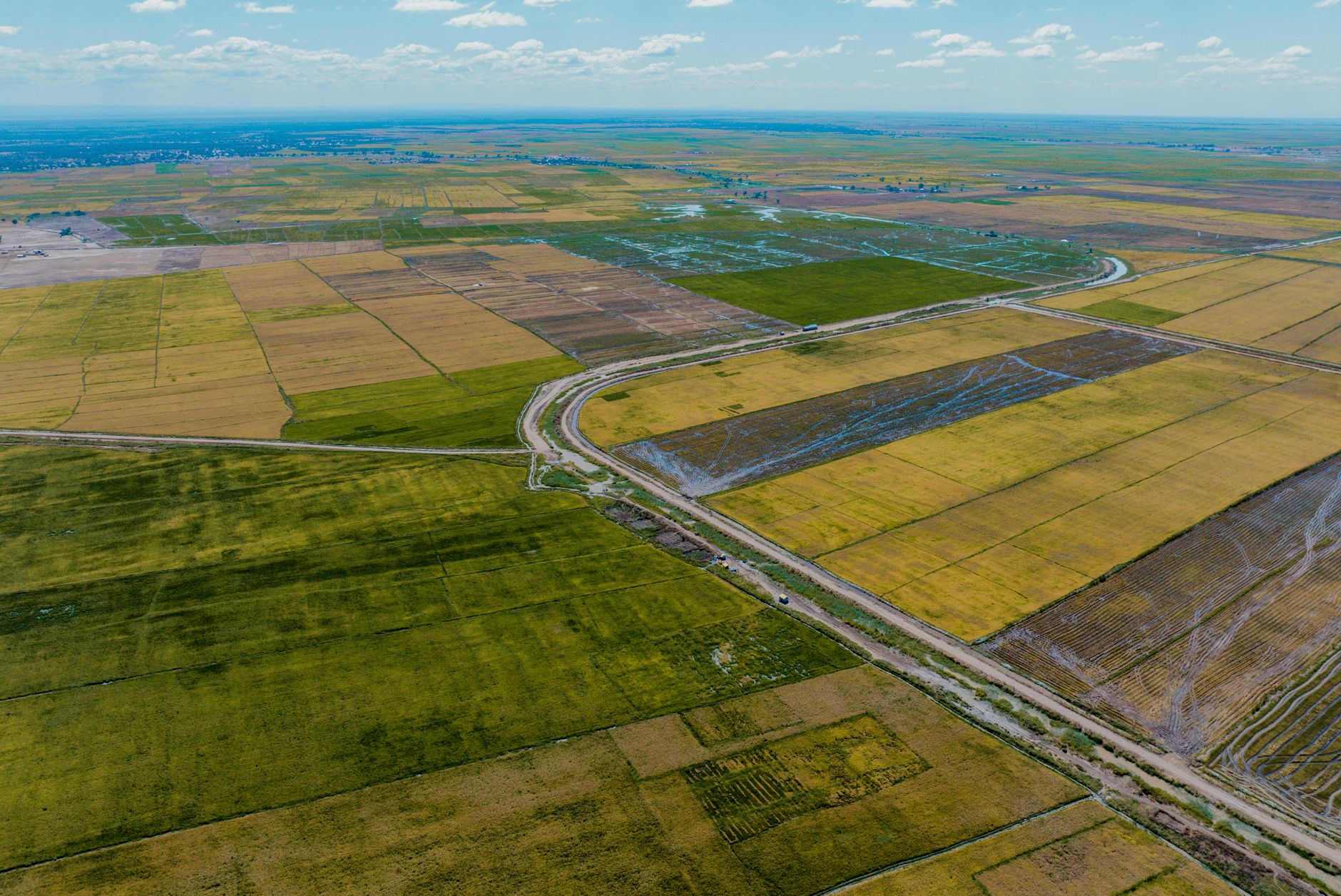
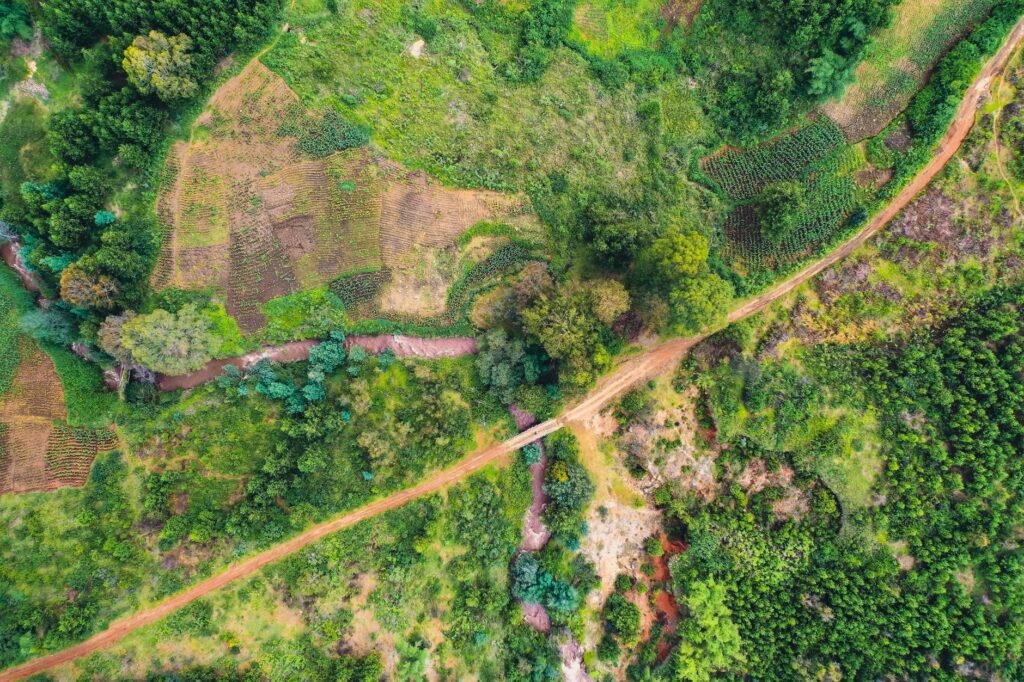
Mbeya’s natural environment is dominated by volcanic formations and geological faults that have shaped soil of extraordinary fertility. The slopes surrounding the urban area are cultivated with terraced farms producing vegetables, maize, and vast plantations of coffee, a crop sustaining much of the rural economy. This agricultural landscape is far from static; its hues shift with the rainy season, turning the hills into blankets of intense green that contrast with the reddish earth.
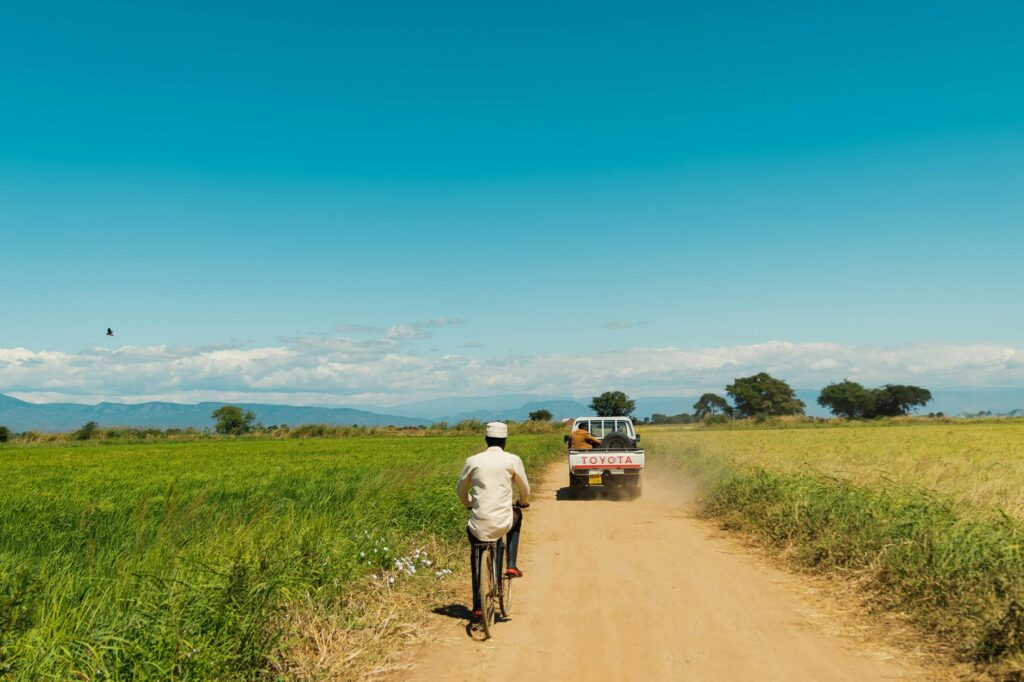
Walking through the outskirts of local markets reveals how subsistence agriculture and small-scale trade sustain community life. Local farmers transport their harvests using secondary road networks and local hauling methods, connecting mountain villages with the urban core. This constant exchange serves as the region’s true engine, where each traded commodity tells a story of collective effort and adaptation to the environment.
The preservation of these fertile terraces relies on ancestral knowledge passed down through generations. Farmers carefully manage soil retention and water runoff to prevent erosion during heavy downpours, demonstrating a deep respect for the ecological balance of the southern highlands.
Local Transport and Daily Mobility
Mobility in and around Mbeya relies on a highly dynamic passenger transport network, consisting of minibuses known as daladalas and motorcycles that act as indispensable links between peripheral neighborhoods and the administrative center. These vehicles navigate the main arteries with regular frequency, adapting to the demands of traffic composed of pedestrians and heavy cargo vehicles traveling toward national borders.
The local transport system reflects the vitality of a population in constant motion. Students, merchants, and workers share these daily transit spaces, creating an environment where cooperation and patience are essential to overcome logistical challenges posed by steep slopes and weather variations. Accessibility to the region’s various points of interest depends on this flexible network, operating much like a circulatory system that keeps human and commercial connections alive.
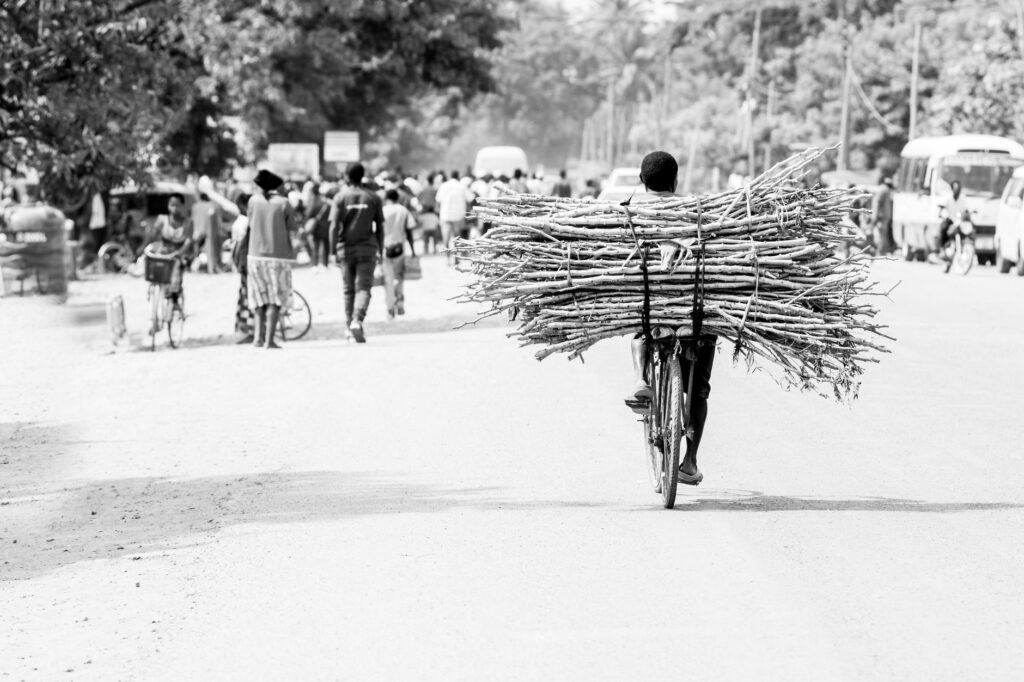
Navigating these transit lines offers travelers an authentic perspective of daily life. The shared rides foster spontaneous conversations and provide a tangible sense of the social bonds that unite urban commuters with rural growers.
Cultural Heritage and Community Coexistence
Mbeya’s richness lies not only in its natural setting but also in the coexistence of diverse communities that have found a shared space for development in these highlands. Local traditions manifest in low-rise urban architecture, open-air markets, and community celebrations marking agricultural cycles. The influence of historical trade routes has left an imprint of cultural diversity visible in gastronomy and traditional artisanal crafts.
Respect for the environment and cooperation between rural and urban communities are fundamental pillars for the region’s sustainability. Local initiatives focused on responsible tourism aim to highlight cultural heritage without disrupting residents’ daily lives, promoting respectful and enriching exchanges. Mbeya’s authenticity is preserved through these everyday practices, which prioritize collective memory over commercial artifice.
Artisans passing down traditional weaving, pottery, and woodworking techniques play a vital role in keeping this heritage alive. Their workshops, tucked away along secondary streets, invite visitors to appreciate craftsmanship rooted in local materials and ancestral motifs.

Life in the Markets and the Commercial Pulse
The economic and social heart of the city beats strongly in its main markets, where goods ranging from grains and fruits harvested on volcanic slopes to textiles and local handicrafts are traded. These meeting places function as true community information hubs, where prices are negotiated, news is exchanged, and the solidarity networks supporting families in the region are woven.
The spatial arrangement of stalls and the spontaneous organization of vendors display a rigorous internal order perfected over decades. Each dawn, activity restarts with the arrival of trucks and local transport loaded with merchandise from surrounding rural areas. This uninterrupted flow of goods confirms Mbeya’s strategic position as an essential enclave for southern Tanzanian domestic trade.
Wandering through these bustling commercial sectors exposes the visitor to a symphony of vibrant colors, fragrant spices, and lively bartering. It is an immersive experience that highlights the industrious spirit of the local merchants and their commitment to sustaining family enterprises.
Urban Architecture and Adaptation to Relief
Mbeya’s architectural profile bears direct witness to its history and the climatic and geographical conditions of the highlands. Buildings combine traditional structures with masonry works and sheet-metal roofs designed to withstand seasonal rainfall. Streets, sometimes laid out in stepped formations to overcome steep inclines, offer changing perspectives toward the surrounding valleys.
Unlike the country’s large coastal metropolises, Mbeya retains a human scale that facilitates walking through its main neighborhoods. Sidewalks and pedestrian paths intertwine with small shops and craft workshops, creating a continuous urban fabric where private and public life converge naturally. This architectural configuration fosters a strong sense of belonging among residents.
The preservation of older edifices alongside newer constructions reflects a community mindful of its historical roots. These structural choices ensure that the town maintains its distinctive character amidst ongoing modernization and demographic shifts.
Sustainability and Future in the Highlands
Faced with the challenges of population growth and pressure on natural resources, Mbeya is moving toward a development model that seeks to balance environmental conservation with socioeconomic progress. Local authorities and community organizations promote projects aimed at sustainable agricultural soil management, the protection of water sources, and the improvement of basic transport infrastructure.
The future of this southern Tanzanian region depends largely on its capacity to maintain social cohesion and protect its valuable landscape heritage. Responsible tourism and the enhancement of local identity stand out as key tools to ensure that development does not dilute the essence characterizing these highlands for generations.

Environmental education programs in local schools further reinforce this forward-looking vision. By instilling conservation values in younger generations, the community ensures that stewardship of the volcanic landscape remains a top priority for years to come.
Practical guide
Practical guide for exploring Mbeya and its surroundings in southern Tanzania with a responsible and slow-paced approach.
- How to get there: Mbeya features road connections from Dar es-Salaam and other major cities in the country, alongside long-distance bus services and flight connections via the local airport.
- Local transport: Use authorized daladalas and mototaxis to travel between the urban center and surrounding agricultural points of interest, always agreeing on fares in advance.
- Climate and best time to visit: The highlands enjoy a temperate climate due to their altitude. The dry season, from June to October, is the most favorable period for walking and exploring natural trails.
- Accommodation: The city offers a variety of small, locally run hotels and guesthouses, ideal for supporting the community economy.
- Cultural respect: Visitors are advised to ask permission before photographing individuals in local markets and to dress modestly as a sign of respect for local customs.
Final Reflection on Landscape and Community
At dusk, when sunlight filters through the volcanic peaks and bathes the city rooftops, Mbeya reveals its most tranquil face. In that moment, the distance between the bustle of the markets and the quiet of the surrounding slopes dissolves into an atmosphere of profound calm. The communities inhabiting this territory continue writing their history day by day, certain that the true value of their land lies in the simplicity of their bonds and the dignity of their daily efforts.