
A Territory of High Density and Unexpected Green Spaces
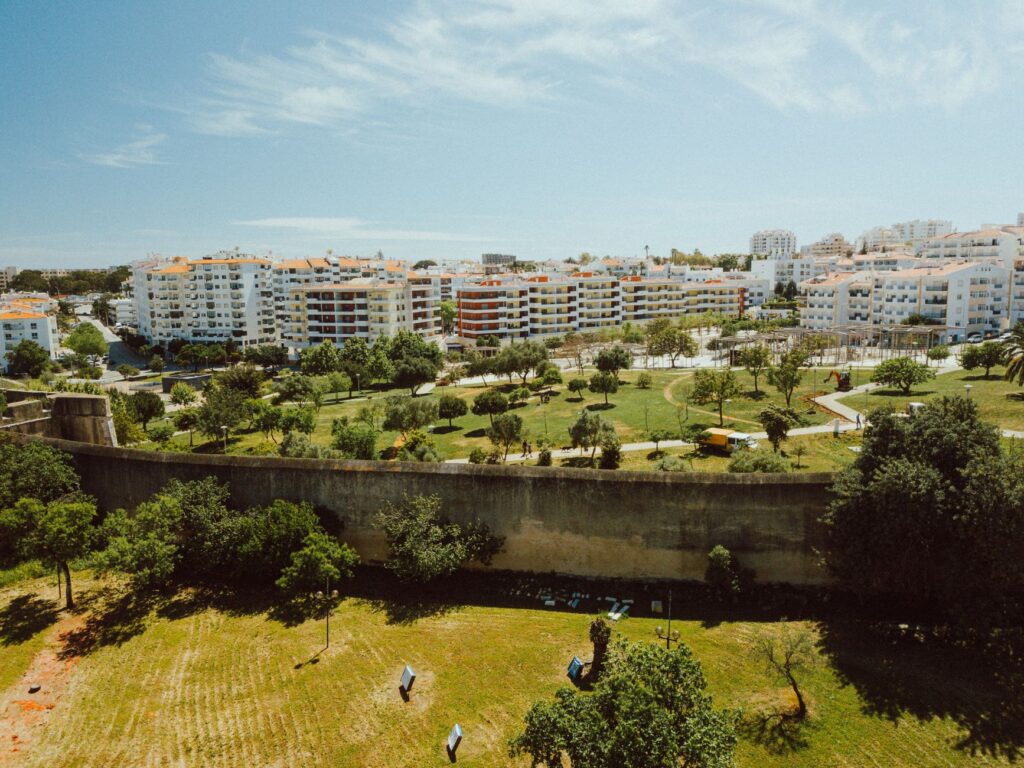
Amadora stretches across the Lisbon metropolitan area as one of the most densely populated municipalities in Portugal. With a compact surface area and a history marked by rapid urban growth during the twentieth century, this locality often goes unnoticed by traditional tourist itineraries. Yet beneath its industrial and residential profile lies a steady effort to balance concrete with ecological infrastructure. Managing this territory demands rigorous solutions to protect the small green lungs scattered throughout the neighborhoods.
The urban parks in the area are not merely recreational grounds, but fundamental ecological corridors for local flora and fauna. Municipal authorities and neighborhood associations collaborate in monitoring these areas, applying strict conservation regulations. The primary goal is to prevent the total fragmentation of habitat in an environment where real estate pressure has historically been very high. Every square meter of permeable soil and every preserved tree represents a victory against the uncontrolled expansion of asphalt.
The transition toward more sustainable urban models in Amadora relies on technical data and proximity governance. Unlike the country’s large natural reserves, conservation here is fought at the neighborhood scale, where every civic intervention counts. Environmental education programs are developed in schools and community centers, fostering an ecological awareness rooted in the daily lives of its more than 170,000 residents.
Local Governance Confronts the Demographic Challenge
Governing a municipality with Amadora’s population density requires rigorous planning tools and constant investment in environmental services. The local administration works on optimizing water resources and managing municipal solid waste efficiently. These measures seek to reduce the ecological footprint of a population sharing direct borders with the Portuguese capital. Intermunicipal cooperation is essential for addressing environmental problems that do not respect administrative boundaries.
Sustainable mobility policies also play a starring role in Amadora’s conservation strategy. By prioritizing public transport and creating safe pedestrian routes, the municipality significantly reduces polluting emissions associated with road traffic. This integrated mobility network connects different neighborhoods, allowing residents to travel without relying solely on private vehicles. The reduction of noise and air pollution directly benefits urban biodiversity.
True sustainability in a dense urban environment does not consist of creating large artificial wilderness areas, but in learning to coexist with the nature that is still capable of making its way among buildings.
Current urban planning plans incorporate energy efficiency criteria in public buildings and encourage renovation over new construction. This guideline reduces the occupation of virgin land and decreases the consumption of raw materials. Municipal architects and urban planners insist that the city’s future lies in consolidating what has already been built, improving thermal insulation, and expanding plant surfaces on roofs and facades.
Citizen Science as a Tool for Protection
Participatory science has become a fundamental pillar for biodiversity conservation in Amadora. Various local groups organize bird census days and wild flora mapping, whose data are subsequently analyzed by biologists and academic institutions. This close collaboration between residents and scientists allows for the early detection of any alteration in local ecosystems, facilitating a rapid response by municipal authorities.
Botanical inventories carried out in urban parks have shown that, despite anthropogenic pressure, the area harbors a notable variety of native species adapted to the Mediterranean climate. The progressive replacement of invasive exotic species with native vegetation in public spaces is one of the most effective technical measures applied in recent years. This practice reduces irrigation needs and favors the proliferation of pollinating insects essential for environmental balance.
Science is not only conducted in large university laboratories; in municipalities like this one, scientific knowledge is built with the patience of those who observe the territory day after day.
Universities in the Lisbon region frequently collaborate with metropolitan area city councils to evaluate the impact of environmental policies. The resulting technical reports are public and accessible to any citizen interested in the management of their environment. This transparency reinforces trust in institutions and ensures that decisions regarding land use are based on verifiable scientific criteria rather than short-term interests.
Historical Heritage and the Memory of the Landscape
The territory that Amadora now occupies holds a rich history dating back to times before its constitution as an autonomous municipality in the twentieth century. Archaeological remains found in the region, including vestiges of Roman roads and settlements, remind us that this land has always been a crossroads in the vicinity of the Tagus River. The conservation of this historical heritage is integrated into the same sustainability strategy that protects natural spaces.
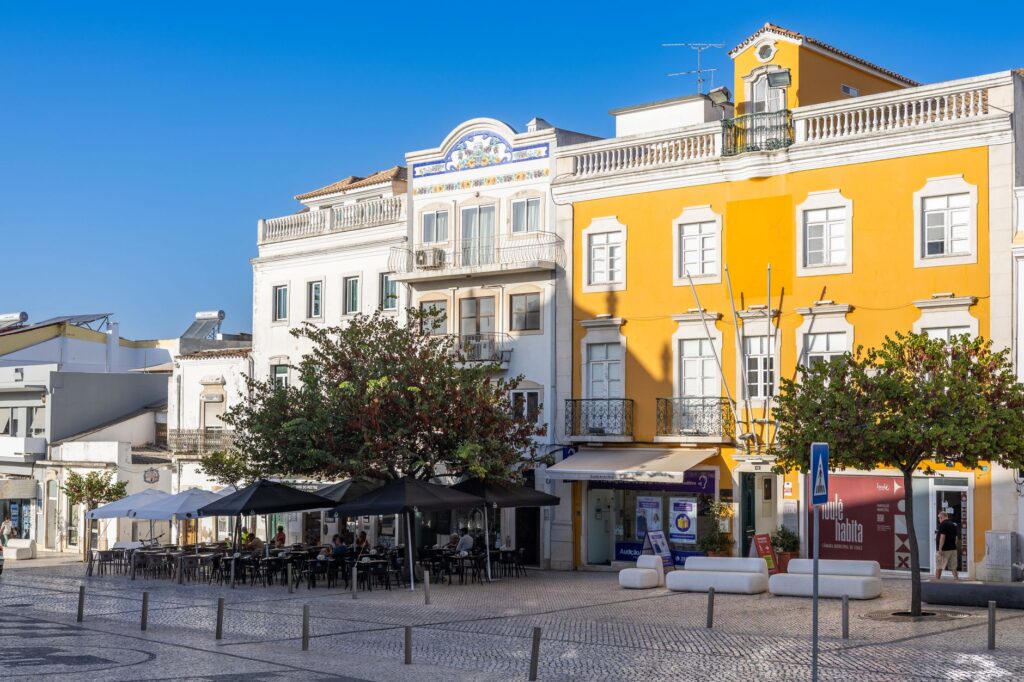
Buildings of traditional architectural value still preserved in some old centers of the municipality receive special attention from local ordinances. Protecting these constructions prevents the banalization of the urban landscape and preserves collective identity against globalizing uniformity. Restoration workshops and cultural routes promoted by local entities allow residents and visitors to understand the historical evolution of the place without resorting to commercial artifices.
The relationship between built heritage and the natural environment defines Amadora’s personality. Ancient mills and historical hydraulic infrastructures, although currently out of their original use, are silent witnesses to an era when survival depended on rigorous management of water and soil resources. Studying these elements helps us understand how past societies resolved the same challenges of scarcity and adaptation that concern modern planners today.
Local Communities and Neighborhood Participation
Amadora’s vitality rests on its associative fabric and the involvement of its residents in public life. Cultural, environmental, and sports associations act as a bridge between the administration and citizens. Through neighborhood assemblies and participatory budgets, inhabitants have the opportunity to propose and vote on environmental and landscape improvement projects in their own streets, ensuring that municipal investments respond to real needs.
This model of horizontal governance fosters a strong sense of belonging and shared responsibility. When a neighborhood actively participates in planting and maintaining a new public garden, the vandalism rate drops drastically and the social valuation of the green space increases. Social cohesion thus becomes the best protective shield for the city’s ecological infrastructure.
Environmental volunteer programs bring together hundreds of people every season to clean urban stream beds, remove invasive species, or plant native trees. These intergenerational initiatives reinforce community bonds and transmit respect for the environment to younger generations in a practical and direct way. Non-formal education in squares and parks complements school training, turning public space into an authentic open-air classroom.
Consumption Practices and Urban Circular Economy
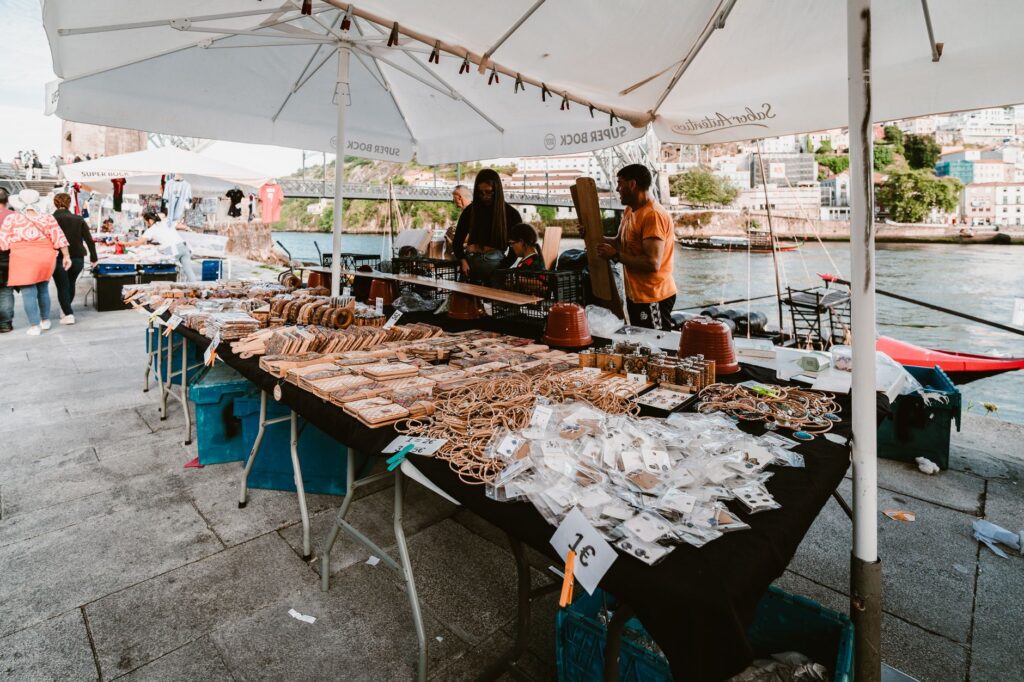
Sustainability in Amadora is also measured in the realm of circular economy and responsible consumption management. Municipal markets and proximity trade initiatives play a fundamental role in reducing the carbon footprint associated with the transport of goods. By prioritizing agricultural products from the Lisbon region and neighboring municipalities, the local primary sector is supported and food freshness is guaranteed.
The city council promotes mobile clean points and organic waste recycling campaigns that are later transformed into compost for public parks and gardens. This closed nutrient loop reduces the need for synthetic chemical fertilizers and improves moisture retention in urban soils. Small businesses and local workshops progressively adopt energy efficiency and plastic reduction protocols, driven by a clientele increasingly demanding of sustainability.
Water-saving awareness is another priority work line due to the Mediterranean climate and periods of summer drought. Automatic irrigation systems in public green areas incorporate moisture sensors and use treated wastewater in industrial and municipal processes. These technical measures, although silent, guarantee the long-term viability of urban vegetation without compromising supply for human consumption.
Practical guide
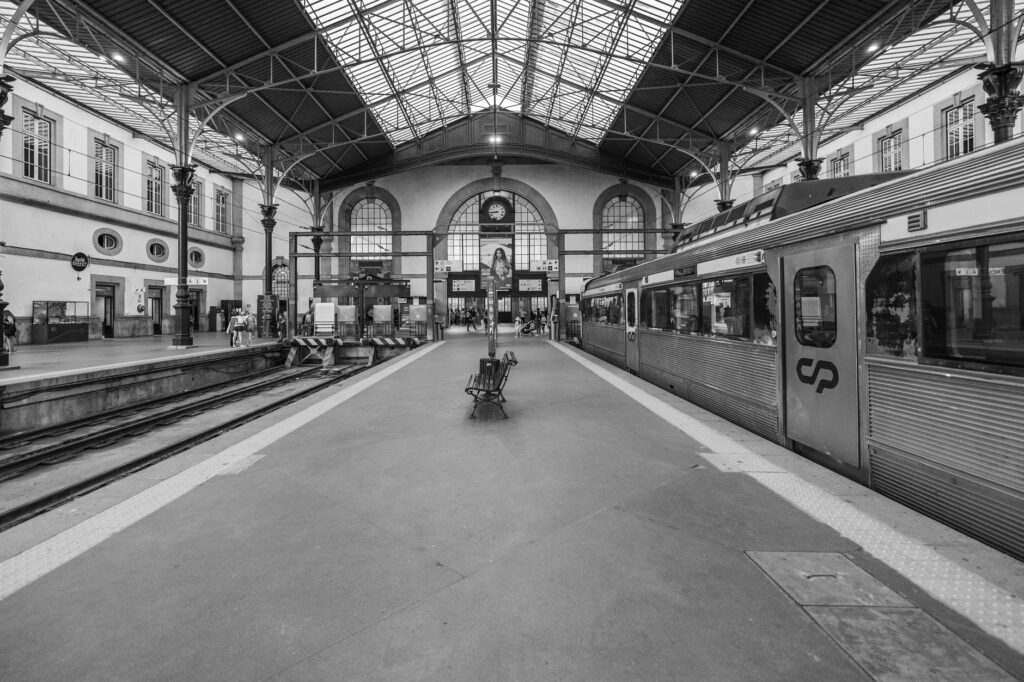
How to get there: Amadora features excellent public transport connections from Lisbon, including commuter rail lines and metro stations that facilitate daily access without the need for a private vehicle.
When to visit: Any time of year is suitable, although spring months offer optimal weather to explore urban parks and participate in outdoor activities organized by local groups.
Where to stay: The municipality offers functional hotel accommodation geared toward urban and business tourism, with easy access to major transport axes toward the capital and the coast.
Getting around: The best way to get to know the different neighborhoods and green areas is through the urban bus network and pedestrian routes signposted by the city council.
Local gastronomy: Municipal markets offer traditional products from the Lisbon region, highlighting artisan pastry and popular Portuguese cuisine in small neighborhood restaurants.
Environmental rules: It is essential to respect signage in protected parks, use designated recycling bins, and avoid any action that alters local flora or fauna.
Useful information: Municipal tourist offices provide detailed maps with ecological routes, points of historical interest, and updated cultural programming.
The Quiet Pulse of a Caring City
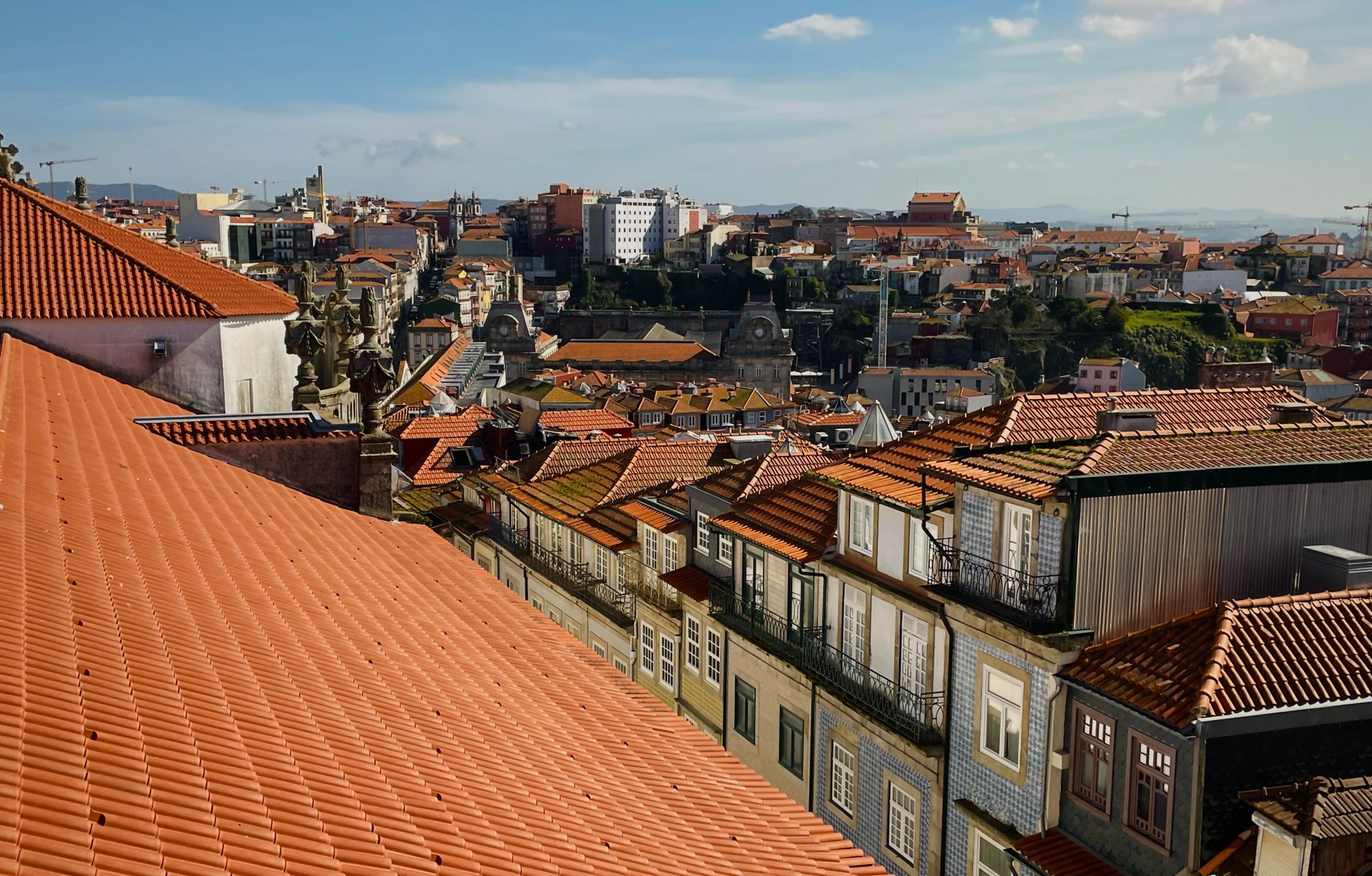
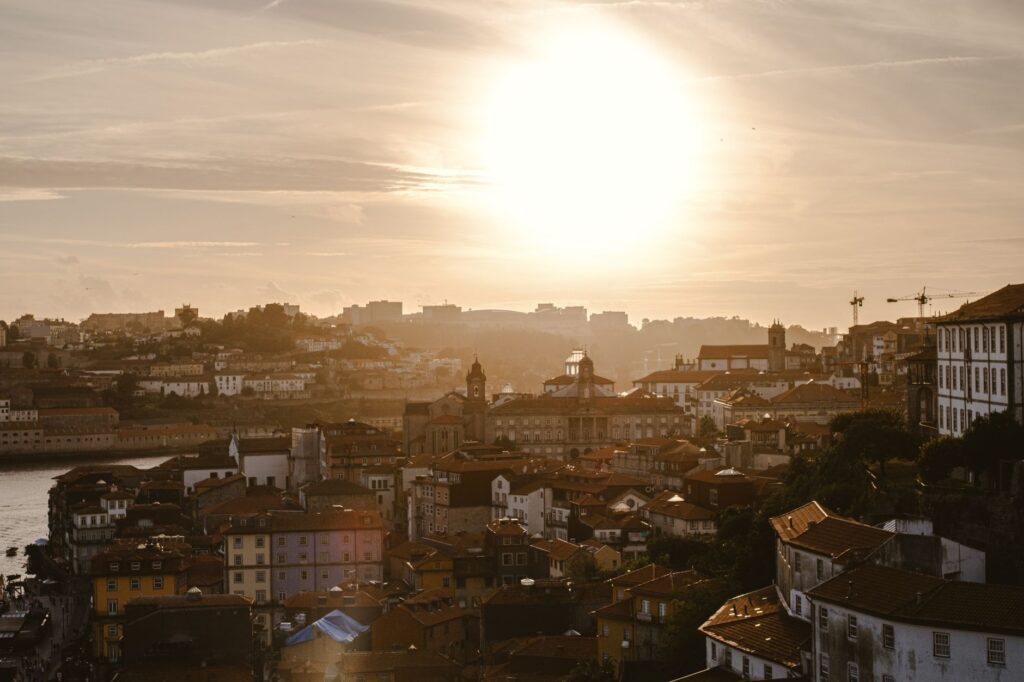
At dusk, when golden light bathes the facades and rooftops of the municipality, Amadora shows its calmest side. Far from the international tourist bustle that characterizes Lisbon’s historic center, neighborhood squares recover the leisurely pace of community life. Residents walk along tree-lined paths, children play in recently renaturalized parks, and the city proves that sustainability is not an exclusive privilege of remote natural enclaves, but a daily construction.
This fragile yet firm balance between urban development and environmental conservation defines the contemporary identity of this Portuguese territory. Amadora demonstrates that with political will, technical rigor, and citizen participation, it is possible to inhabit densely populated spaces without renouncing nature or historical memory. A constant reminder that the future of European cities is played out in the quality of their neighborhoods and the shared care of the commons.