Manurewa, New Zealand: The Town Where Community Is Woven Between Urban Parks and Markets
A Transition Territory South of Auckland
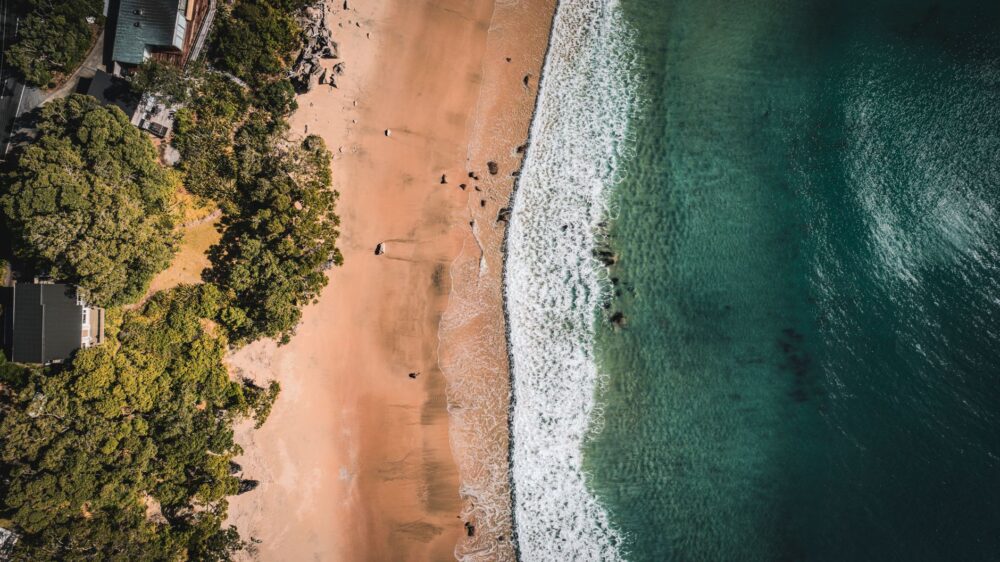
At the southern edge of the Auckland metropolitan region in New Zealand, Manurewa extends as a space where rapid urban expansion has found a counterweight in community life and the conservation of its natural areas. Far from the financial rhythm of the country’s urban center, this locality of over forty thousand inhabitants operates with its own dynamics, marked by neighborhood coexistence, civic centers, and a network of parks that shape the area’s daily identity.
The urban landscape combines low-density residential developments with open spaces where native vegetation resists the advance of infrastructure. Mornings begin early with movement toward train stations and local markets, where residents acquire fresh produce and share a space for intergenerational socialization. The geography of the place, characterized by gentle hills and proximity to tidal inlets, invites an understanding of how a suburban community manages its growth without losing its connection to its geographic environment.
Daily Life in Public Spaces and Civic Centers
The social heart of Manurewa beats in its squares, libraries, and community centers. These spaces are not mere transit points, but meeting places where cultural initiatives reflecting the demographic diversity of the area are articulated. Families of diverse backgrounds converge in parks such as the Auckland Botanic Gardens, situated nearby, or in local sports fields that host neighborhood leagues and outdoor activities every weekend.
Citizen participation constitutes a fundamental pillar in the organization of day-to-day life. Neighborhood associations and local boards coordinate workshops, exchange fairs, and educational programs aimed at social integration. This associative fabric allows local traditions to intertwine with new cultural expressions, generating a dynamic and cohesive environment where life unfolds at a human and accessible scale.
Natural Heritage and the Pulse of Urban Parks
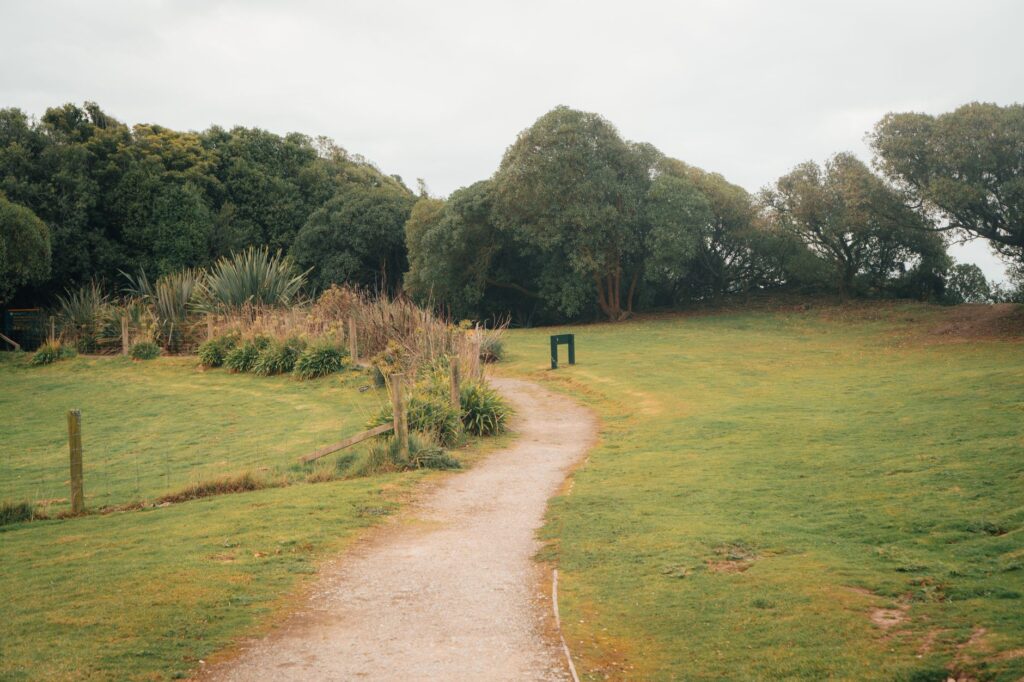
Manurewa’s relationship with its natural environment is manifested in the preservation of reserves and wetlands that act as green lungs and refuges for native fauna. These spaces fulfill a dual function: protecting local biodiversity and offering inhabitants a place for recreation and disconnection from urban bustle. The trails winding among native trees allow visitors to observe local birds and understand the importance of ecological conservation in densely populated environments.
Local authorities and volunteer groups dedicate constant efforts to the restoration of riverbeds and secondary forest areas. These collective actions foster environmental education among new generations, ensuring that natural heritage remains accessible and protected for the future. Walking along these paths reveals a facet of New Zealand where commitment to sustainability is practiced on a micro and daily scale.
Markets, Local Commerce, and Neighborhood Gastronomy
Commerce in Manurewa is sustained by a network of small establishments, weekly markets, and proximity shopping centers that reflect the multicultural character of its inhabitants. In these spaces, traditional ingredients, regional agricultural products, and a culinary offering blending South Pacific, Asian, and European influences can be found. Each market stall functions as a cultural exchange point where flavors tell stories of migration and rootedness.
Supporting local commerce is a conscious decision made by residents to maintain the economic vitality of neighborhoods. Artisanal bakeries, family-run grocery stores, and neighborhood cafes are the settings where daily conversations are woven. This decentralized economic model reduces dependence on large supermarkets and strengthens community autonomy in the face of global market changes.
Sustainable Mobility and the Daily Transport Network
Getting around Manurewa and connecting with the rest of the Auckland region involves the constant use of an integrated public transport network consisting of trains and buses. Local railway stations are neuralgic points where thousands of workers and students begin their morning commute toward employment and education centers. Contemporary urban planning seeks to improve pedestrian and cyclist accessibility, reducing the impact of private vehicles on residential streets.
The efficient use of collective transport responds not only to environmental sustainability criteria but also structures the community’s time. Daily hopes and rhythms are tuned to the schedules of the trains, turning shared commutes into a space for reading, rest, or silent social exchange. This connectivity allows residents to enjoy the opportunities of the metropolis without giving up the tranquility of inhabiting a suburb with its own identity.
Educational Institutions and Youth Development
Educational institutions in Manurewa fulfill an essential role in social cohesion and youth development. Primary schools, secondary schools, and technical training centers not only impart academic knowledge but also act as cultural integration centers promoting respect for diversity and Maori and Pacific Island heritage. School programs frequently incorporate community projects connecting students with the history and needs of their environment.
The transmission of knowledge between generations can be observed in community workshops, sports activities, and traditional celebrations held throughout the year. Elders share stories about the landscape’s evolution and the demographic transformations of the locality, ensuring that collective memory remains alive. This historical continuity strengthens the sense of belonging and helps young people build their identity on solid foundations.

Urban Conservation and Community Volunteering
The commitment to the future of Manurewa is reflected in urban regeneration projects and environmental volunteer programs driven by the residents themselves. These initiatives include planting native species in public parks, cleaning up creeks, and creating community urban gardens that promote food sovereignty and ecological education.
Participation in these activities is open to anyone interested in understanding the inner workings of the locality. Through working side by side in the soil, residents and temporary visitors establish meaningful bonds based on a common purpose: leaving a more habitable and balanced environment for future generations.
Reflecting on Slow Time and Everyday Details
In an era dominated by haste and hyperconnectivity, Manurewa offers the opportunity to experience the value of slow time and attention to everyday details. Walking without haste through its residential streets, observing the routine of the parks on autumn afternoons, or chatting with local shopkeepers allows one to tune into the real pulse of a New Zealand community that values tranquility and common well-being.
This leisurely approach to life does not imply isolation, but a conscious choice to prioritize human relationships and emotional balance over the demands of the modern pace. In the end, the experience of exploring this space leaves a lasting impression on the importance of building livable, inclusive, and grounded communities.
The true measure of a community is not found in its size, but in the ability of its inhabitants to care for one another and preserve their environment.
Practical Guide
- How to get there: It is easily accessible from central Auckland using the Southern Line commuter train network, with a journey taking approximately thirty minutes.
- Local transport: It is advisable to use the Hop Card for combined payment on urban trains and buses operating in the southern zone of the metropolitan region.
- Accommodation: The offer consists mainly of small family accommodations, guesthouses, and short-stay residential rental options.
- Gastronomy: Explore local markets and small family-run establishments to taste culinary specialties from diverse Pacific cultures.
- When to go: The spring and summer months in the Southern Hemisphere from October to March offer the best weather conditions to enjoy parks and outdoor activities.
Manurewa demonstrates that on the periphery of large metropolises in New Zealand it is possible to preserve a warm human fabric, where daily life becomes the true heritage to protect.