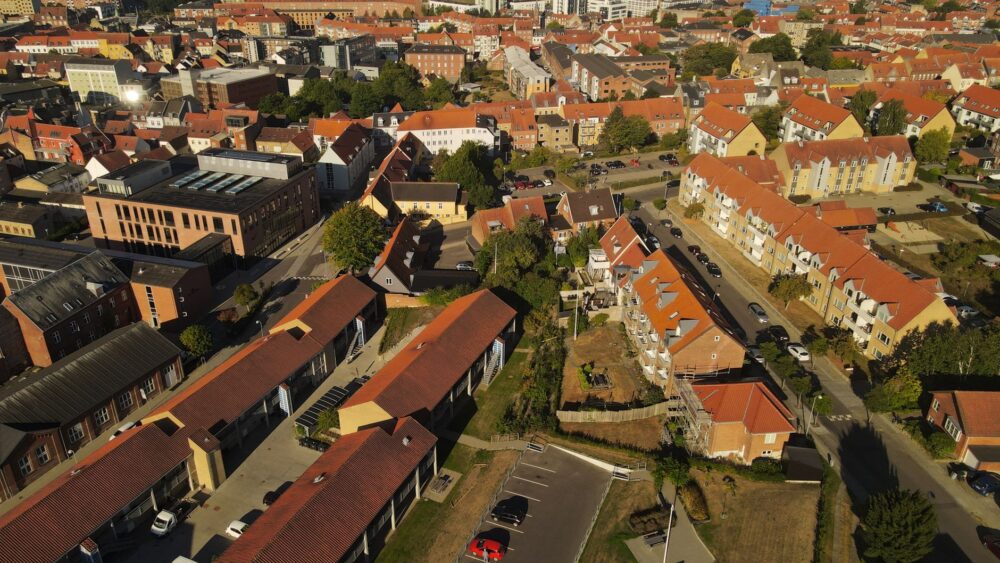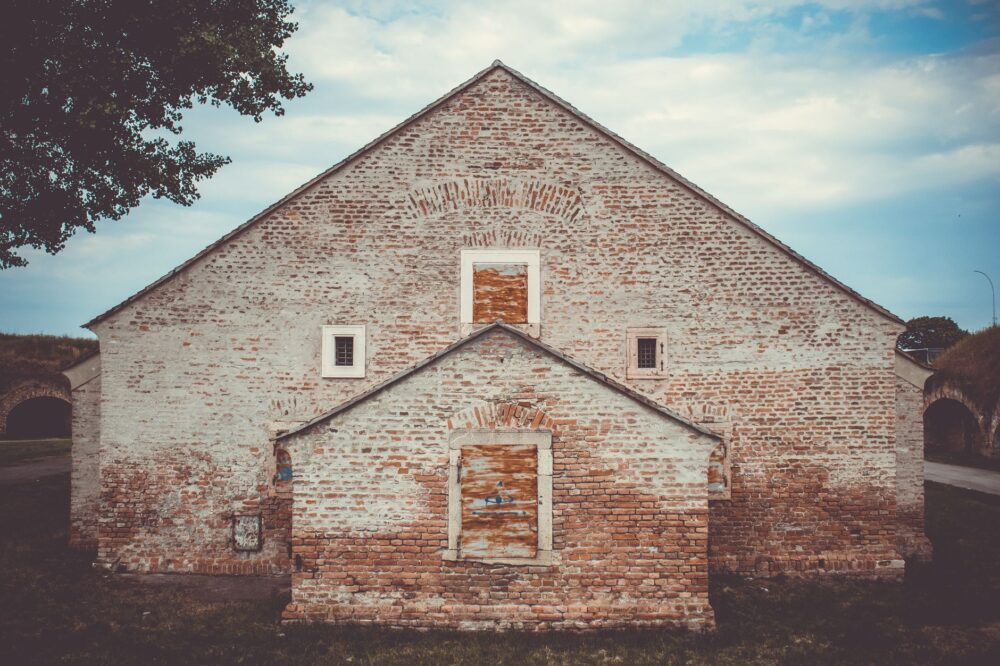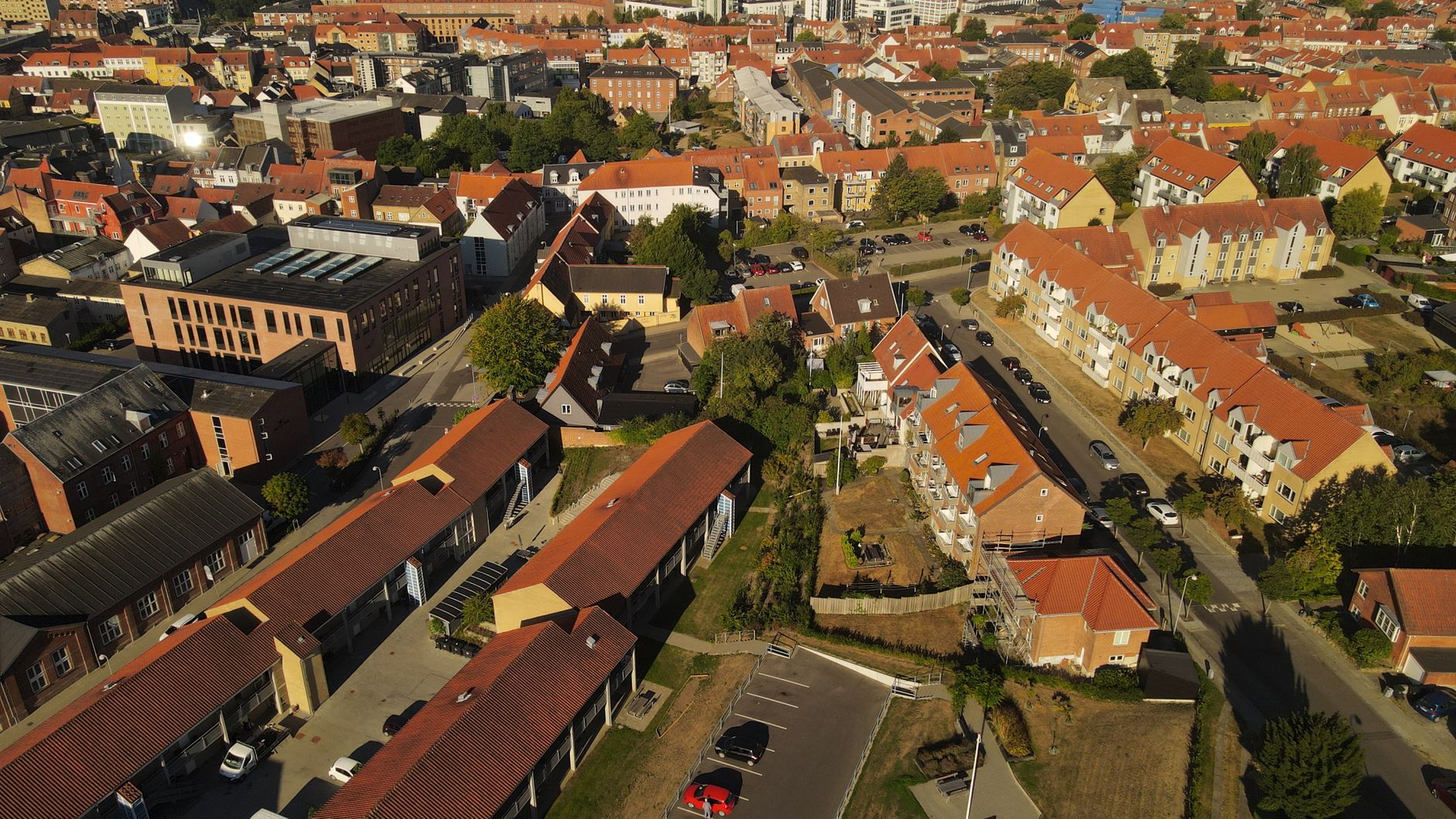

Avedøre is not a tourist destination. It is a locality in the municipality of Hvidovre, in the Capital Region of Denmark, with just over 53,000 residents and an identity built between the sea, industry and neighbourhood life. Anyone looking for starred restaurants will not find them here. Anyone hoping to understand how the outskirts of Copenhagen feed themselves will.
The cooking of Avedøre is not explained by a central market or a codified culinary tradition. It is explained by routine: the local supermarket, the bakery that opens early, the fish counter when it exists, recipes passed from one generation to the next, and the coexistence of a classic Danish pantry with the cooking of those who arrived from other countries to work in the port and in local industry.
A fishing village that became a neighbourhood
For centuries, Avedøre was a coastal settlement tied to fishing and subsistence farming. Its position facing the Øresund, the strait separating Denmark from Sweden, shaped its relationship with water: fish was both food and trade. With the expansion of Copenhagen and the arrival of heavy industry in the twentieth century, the village became a residential locality within the municipality of Hvidovre.
That transformation left marks on the table. The fishing tradition did not disappear entirely: herring, salmon and smoked fish remain part of everyday Danish eating, even if they now arrive mainly through modern distribution. The cooking of Avedøre is, in this sense, a transitional cuisine: it preserves gestures from its maritime past while organising itself around the infrastructure of the present.
The real pantry of a neighbourhood without a central market
Unlike Frederiksberg, with its historic stalls, Avedøre has no municipal market serving as a gastronomic heart. Its pantry is spread across chain supermarkets, small corner shops, bakeries and specialised stores serving a diverse population.
That dispersion does not mean an absence of identity. It means that daily shopping happens in short trips, on foot or by bicycle, and that cooking is organised around what is nearby. Rugbrød, the dense rye bread that anchors the Danish lunch, is bought in bags; pålæg, the cold cut or cheese placed on top, is chosen according to the day. This is a cuisine of repeated gestures rather than grand occasions.
The cooking of Avedøre is not visited: it is practised. It is the sum of small decisions made daily in a neighbourhood that does not wait for the visitor.
The Danish lunch, explained from the outskirts
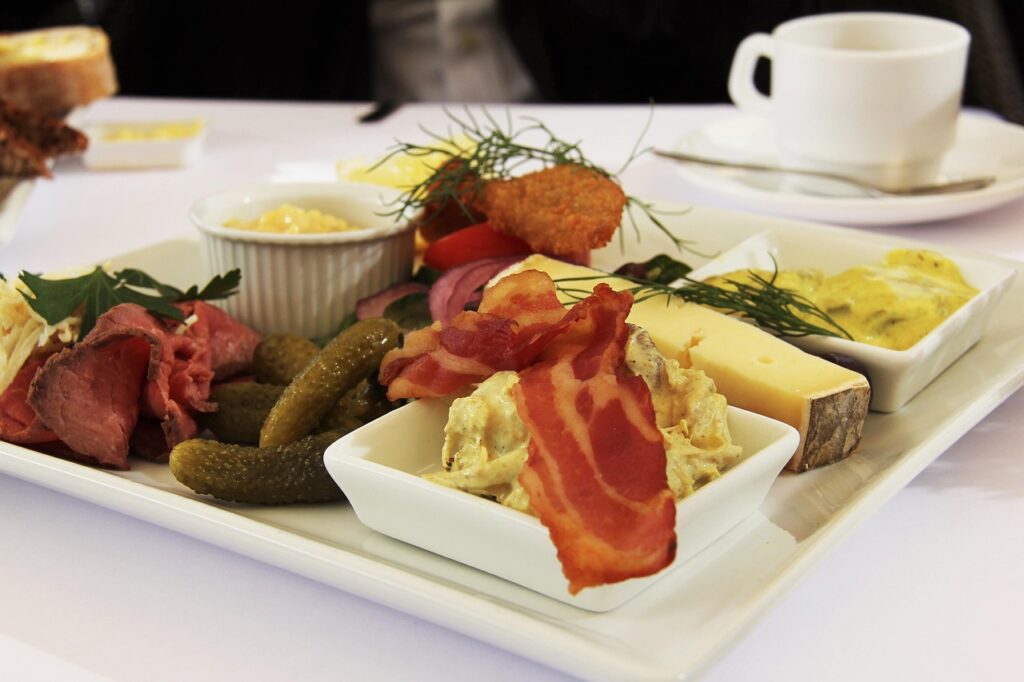
Smørrebrød, a slice of rye bread with butter and a topping, is the most recognisable form of the Danish lunch. In Avedøre it is prepared at home, bought in bakeries or served in workplace canteens and takeaway shops. It is not a restaurant dish: it is an everyday structure.
The most domestic version includes boiled egg, pickled herring, liver pâté or cheese with jam. The more elaborate version, with shrimp or roast beef, appears at celebrations and in a few places that keep the tradition alive. That gradation — from the everyday to the festive — explains how a society organises its food without needing grand gastronomic infrastructure.
The bakery as a meeting point
In Denmark, the neighbourhood bakery serves a function beyond selling bread. It is a place to pass through, to exchange a few words, to share a routine. In Avedøre, bakeries open early and serve those heading to work, those taking children to school and those simply looking for a kanelsnegl, the cinnamon roll that accompanies mid-morning coffee.
That social function is hard to document with figures, but it is visible in the layout of the neighbourhood: the bakery sits near the station, the supermarket and the schools. Everyday food rests on that proximity, not on excellence.
When the world’s cooking arrives in the neighbourhood
Avedøre, like much of the Copenhagen metropolitan area, has received residents of diverse origins. That diversity is reflected in the food on offer: shops selling Middle Eastern products, takeaway places and a daily coexistence between the Danish pantry and other culinary traditions.
This is not fusion or a showcase. It is simply that neighbours shop where it suits them and cook what they know. The food identity of Avedøre is not a single one: it is the sum of several pantries sharing the same postcode. That coexistence, without drama, is one of the most interesting features of contemporary Denmark.
The sea as memory, not as display
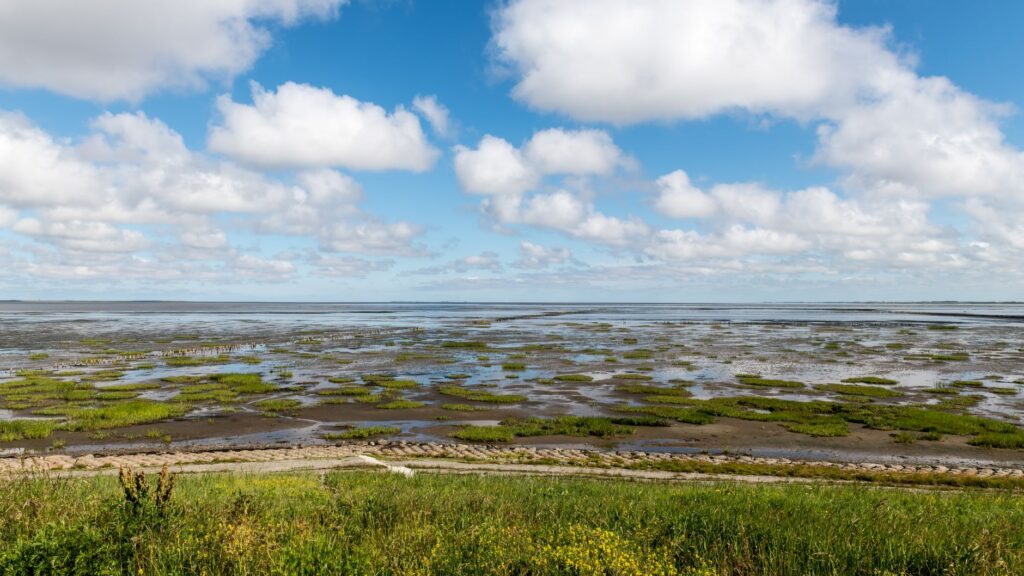
Proximity to the Øresund still shapes the landscape of Avedøre, even though fishing is no longer the main activity. The waterfront path, the green spaces and the view towards Sweden are part of daily life. On the table, that memory appears in the consumption of fish, especially in season and in simple preparations.
Fiskefrikadeller, fish cakes, are an example of how a maritime tradition adapts to domestic cooking. They are made with minced fish, fried and served with bread or potatoes. They require no great resources or sophisticated technique: they require memory and routine.
Eating in Avedøre: what the visitor should understand
Avedøre does not offer a food scene designed for tourism. Anyone arriving in search of author restaurants will have come to the wrong place. Anyone arriving to understand how a Danish middle- and working-class neighbourhood eats will find clues in its bakeries, supermarkets and takeaway shops.
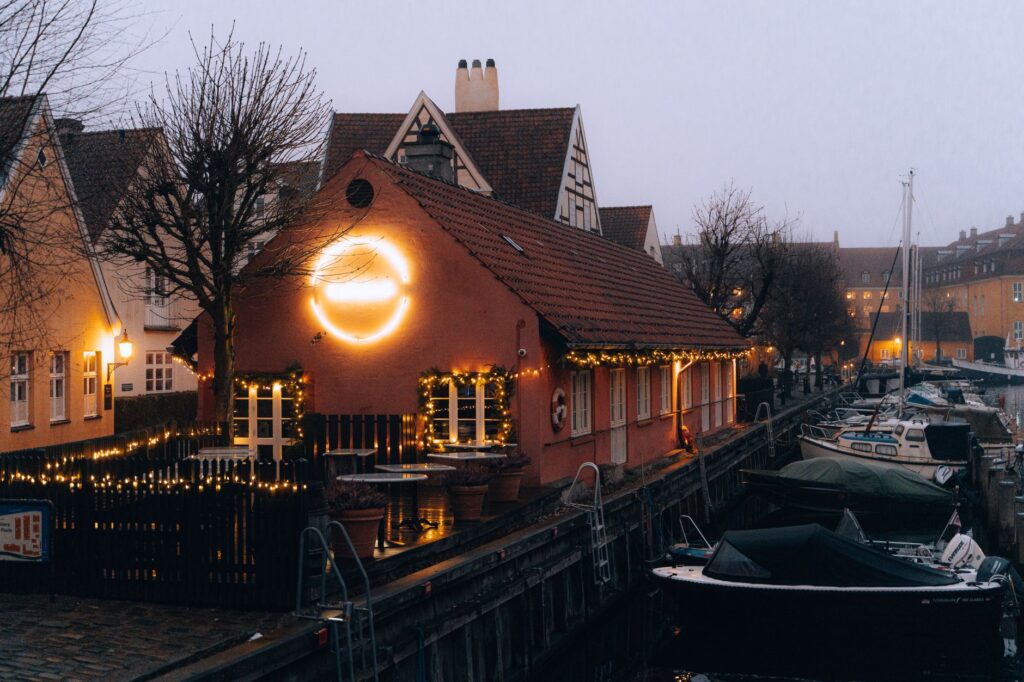
The responsible decision for a visitor, in this context, is not to demand of a residential neighbourhood what it does not set out to offer. Shopping at local businesses, respecting opening hours and understanding that everyday cooking is not a spectacle are part of an travel ethic that more and more travellers share.
In Avedøre, food is not explained on a menu. It is explained in the bakery queue, in the home fridge and in the memory of a village that was a port before it was a suburb.
Heritage and context: what remains to be told
The history of Avedøre is documented in local archives and in the memory of its residents, but it is not part of the usual food narratives. That absence is itself a fact: the cooking of the metropolitan outskirts rarely appears in guides, even though it feeds millions of people every day.
Reconstructing that history requires local sources, municipal archives and conversations with those who live there. It is not about inventing a tradition, but about recognising the one that exists: a cuisine of routine, proximity and coexistence that explains Denmark better than many restaurants.
Practical guide
- Getting there: Avedøre lies in the municipality of Hvidovre, south of Copenhagen. It can be reached by S-train from the city centre, by bus or by bicycle along the metropolitan cycle routes.
- When to go: Spring and summer allow visitors to enjoy the green spaces and the waterfront. Autumn and winter are seasons for indoor cooking, with dense breads and stews.
- What to buy: Rye bread from local bakeries, smoked fish when available and seasonal produce in neighbourhood supermarkets.
- What to expect: A residential neighbourhood, not a tourist destination. The food offer is everyday and dispersed.
- Budget: Prices are those of Denmark, a country with a high cost of living. Check current prices before travelling.
- Language: Danish is the local language; English is widely used in shops and transport.
- Travel ethic: Respect residential spaces, shop at local businesses and do not treat the neighbourhood as a backdrop.
Avedøre does not promise a memorable food experience. It promises something harder to find: the chance to observe how a real neighbourhood feeds itself, with its routines, its limitations and its memory. That is, perhaps, the most honest way to travel.