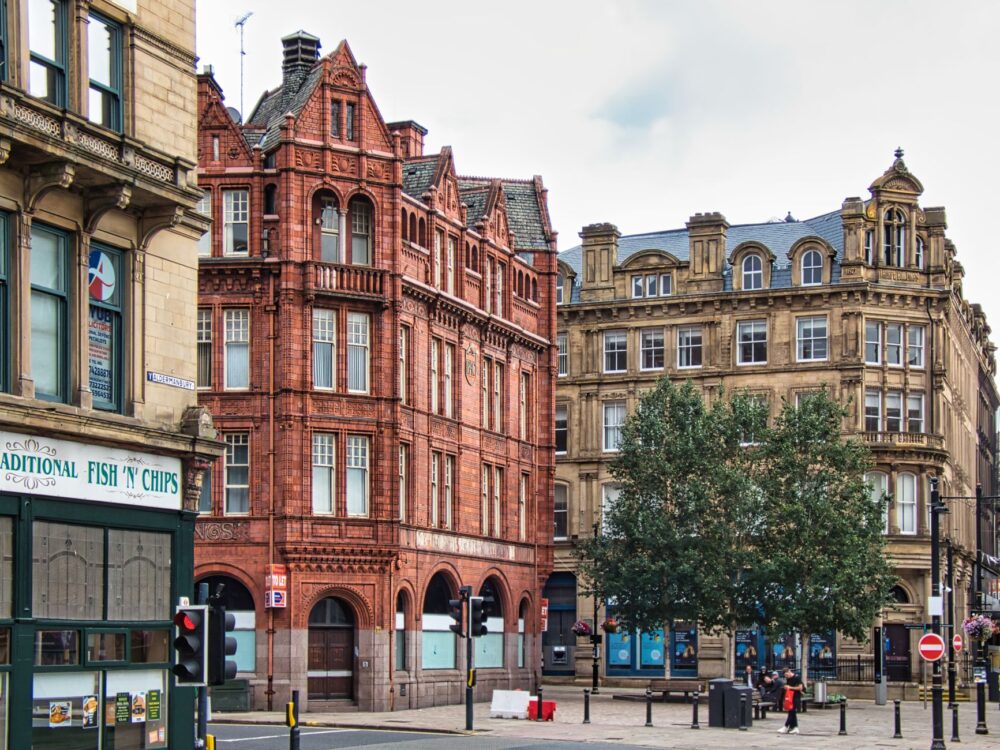
Leeuwarden is not a city to be rushed. Capital of the province of Friesland, in the north of the Netherlands, its historic centre unfolds between canals, bridges and a street pattern that invites slow walking. That pace has an immediate culinary consequence: here, shopping is not improvised but planned. The market, the bakeries and the producer shops set the rhythm of a domestic kitchen that values what is close at hand.
The question guiding this report is simple: what does a family in Leeuwarden bring to the table in an ordinary week? The answer combines Frisian tradition, agricultural landscape and a growing sensitivity towards local produce. There are no grand gestures or showpiece cooking: there is a functional, seasonal pantry closely tied to the territory.
A small city with a recognisable pantry
With just over 120,000 inhabitants, Leeuwarden is the right size for daily shopping to still make sense. The centre concentrates much of the offer: market stalls, butchers, fishmongers and bakeries that supply residents and visitors from nearby municipalities. The city is the administrative seat of the province and a service hub for a vast agricultural region, which translates into an abundant and relatively accessible pantry.
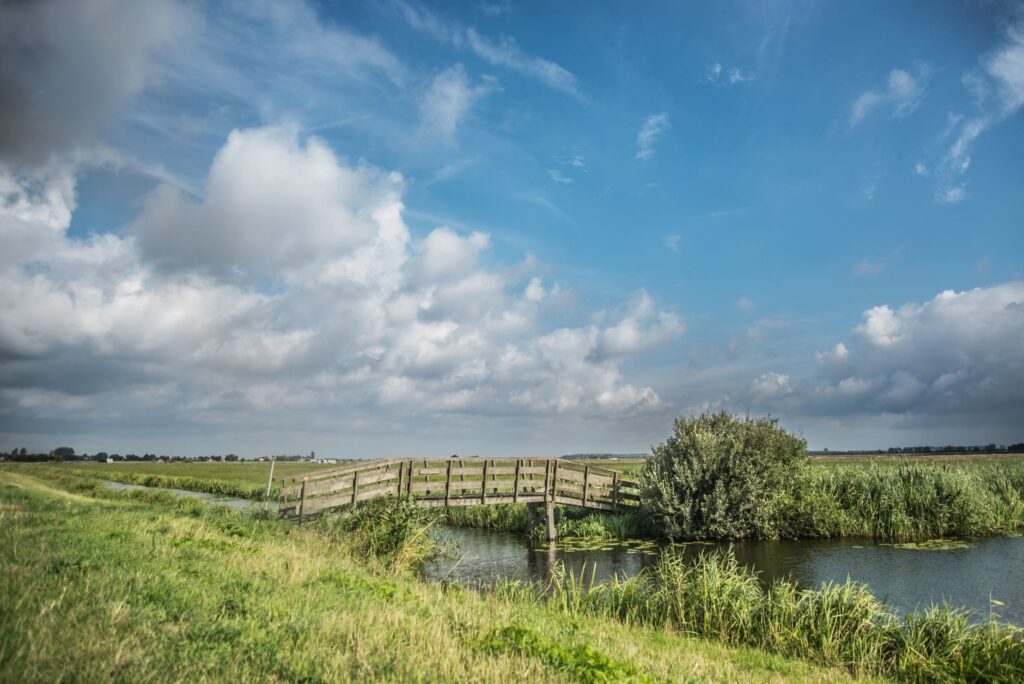
The Frisian landscape, with its polders, canals and livestock farms, explains much of what is eaten. Milk and its derivatives carry obvious weight; so does freshwater and estuary fish. Add to that a seasonal horticulture that fills market stalls for much of the year.
In Leeuwarden, the weekly shop is not improvised: it is planned around what the market offers and what the season allows.
Why the Frisian capital eats the way it does
Friesland has long been a province shaped by water and grass. The low, flat land, drained over centuries and crossed by canals, is better suited to pasture and to certain crops than to extensive arable farming. That physical reality has left a deep mark on the regional diet: dairy cattle, grassland and water define the raw materials more than any fashionable trend does.
The result is a cuisine that is less about recipes than about supply. A household in Leeuwarden does not build its week around exotic ingredients but around what the surrounding countryside can deliver consistently. Understanding this helps the visitor read the city’s food landscape correctly: the interesting thing is not a single signature dish but the ordinary logic of provisioning.
There is also a cultural layer. Friesland keeps its own language alongside Dutch, and that sense of distinct identity extends to the table. Local products are not presented as curiosities for outsiders but as everyday markers of belonging. For a traveller, this means the most authentic encounters often happen in unremarkable settings: a stall, a counter, a neighbourhood shop.
The market as a starting point
Producer markets are the gateway to the local pantry. Stalls selling vegetables, fruit, cheese, bread and fish sit side by side, with a strong presence of growers from the province itself. The offer changes with the seasons and the agricultural calendar, so regular visitors notice clear differences between spring, summer and autumn.
For visitors, the advice is simple: arrive early, observe what is being sold and in what quantity, and buy according to what will actually be consumed. The market is not a showcase for tourists but a real supply space, and that character is precisely what makes it interesting.
It also pays to watch how local shoppers behave. Quantities bought, the order in which stalls are visited and the questions asked at the counter reveal more about the local pantry than any menu. Market etiquette here is quiet and practical: queue, ask, pay, move on.
Dairy, bread and cheese: the Frisian base
Friesland’s dairy tradition is one of the pillars of local cooking. Cow’s cheese, butter and fresh products appear on most tables, and bakeries offer rye and wheat breads that accompany both breakfast and dinner. It is common to find local varieties that do not always reach wider commercial circuits.
Frisian cheese deserves special attention. It is not just a pantry product: it is part of the region’s identity and appears in markets, specialist shops and fairs. Tasting different varieties and asking about their origin is a simple way to understand the territory.
Bread plays a similarly practical role. A loaf bought in the morning is expected to last and to work across several meals, from breakfast to a light evening plate. This is a pantry built on staples that keep, not on fragile luxuries, and it explains why bakeries remain such a stable feature of neighbourhood life.
Freshwater and estuary fish
Leeuwarden’s position, surrounded by canals and close to the Wadden Sea coast, gives access to freshwater and estuary fish. Herring, smoked fish and other seasonal species appear in fishmongers and market stalls. Preparation tends to be simple: smoked, pickled or grilled, without elaborate techniques.

For those cooking at home, it is worth asking about provenance and preservation method. Smoked fish, for example, is a common product in the Frisian pantry and keeps well for a few days.
Fish also illustrates how the city’s geography reaches the table. The canals are not decorative scenery but part of a working waterscape, and the presence of fish in the shops is a reminder that Leeuwarden sits within a watery system that extends well beyond its streets.
Seasonal vegetables and nearby gardens
Seasonal horticulture has a growing weight in the local offer. Cabbages, roots, pulses and leafy greens appear on stalls according to the calendar, and their quality depends largely on proximity. In the cold months, the pantry relies on preserved products: fermented cabbage, roots and dried pulses.
This seasonality forces menus to adapt and, at the same time, offers an opportunity for visitors: cooking with what is available is a way to understand how daily life is organised in the region.
For a visitor staying in self-catering accommodation, this is a practical advantage. Buying vegetables by the season rather than by habit keeps costs reasonable and produces better results in a simple kitchen. It also aligns the traveller’s shopping with the rhythm local households already follow.
Sweets, pastries and table traditions
Frisian baking has a discreet but constant presence. Biscuits, pastries and seasonal sweets accompany coffee and family celebrations. Many of these products are made in small workshops and sold in bakeries and specialist shops.
This is not spectacular patisserie but a domestic tradition kept alive day to day. Trying one of these sweets in a neighbourhood bakery is a simple way to approach local culture.

The coffee table matters here. Offering something sweet alongside a drink is a social gesture as much as a culinary one, and it explains why small bakeries survive in a retail landscape dominated by larger formats. They serve a habit, not a trend.
Buying with judgement: responsible decisions
Visitors who want to shop with judgement in Leeuwarden have several options. The first is to prioritise markets and producer shops over large supermarkets. The second is to ask about provenance and seasonality. The third is to match quantities to what will actually be consumed, avoiding impulse purchases.
Opening hours also matter: markets tend to be held on specific days and small shops may have reduced hours. Checking ahead avoids unnecessary trips.
Responsibility here is mostly a matter of restraint. Buying less but better, choosing unpackaged goods where possible and carrying a reusable bag are modest decisions that fit the scale of the city. They also respect the fact that these shops serve residents first, and that visitors are guests in a working food system rather than its main audience.
Leeuwarden’s pantry is best understood when you shop slowly, ask about origin and respect the season.
Where and how to try local cooking
Beyond shopping, visitors can approach local cooking through restaurants and cafés that work with nearby produce. The offer is varied and not always labelled as traditional food: it often appears within everyday menus, without grand claims.
For those seeking a more direct experience, markets and food fairs offer the chance to taste products at the stall itself. It is a simple way to discover flavours without booking a restaurant.
It helps to adjust expectations. The pleasure of eating in Leeuwarden lies in freshness and simplicity rather than in elaborate presentation. A plate built on cheese, bread, fish or seasonal vegetables tells the visitor more about Friesland than a long tasting menu would.

Practical guide
When to go
Spring and autumn are good seasons to visit Leeuwarden if the aim is to buy seasonal produce. Summer concentrates more outdoor activity, while winter reduces the supply of fresh vegetables and shifts the pantry towards preserved products.
Getting around
The historic centre is easy to explore on foot or by bicycle. To reach markets and neighbourhood shops, check opening hours in advance and plan short trips.
What to buy
- Frisian cheese and local dairy products.
- Rye bread and bakery pastries.
- Seasonal smoked or pickled fish.
- Vegetables and roots according to the agricultural calendar.
Useful tips
Bring a reusable bag, ask about provenance and match purchases to what will be consumed. Avoid last-minute buying and respect the hours of small shops.
If you are travelling with limited storage or no kitchen, buy in small quantities and favour products that keep for a day or two. Ask at the counter how a product is normally used at home; stallholders and bakers are usually the best source of practical advice, and it costs nothing to ask.
A table best understood on foot
Leeuwarden does not offer grand-gesture gastronomy but a domestic kitchen built on landscape, season and proximity. Understanding its pantry takes time, questions and a willingness to shop slowly. Those who do discover a city that eats from its surroundings and keeps simple but consistent traditions alive.
In the end, the best way to know Leeuwarden is to walk its markets, step into a neighbourhood bakery and observe how the daily shop is organised. There, in that routine without spectacle, lies the true culinary identity of the Frisian capital.