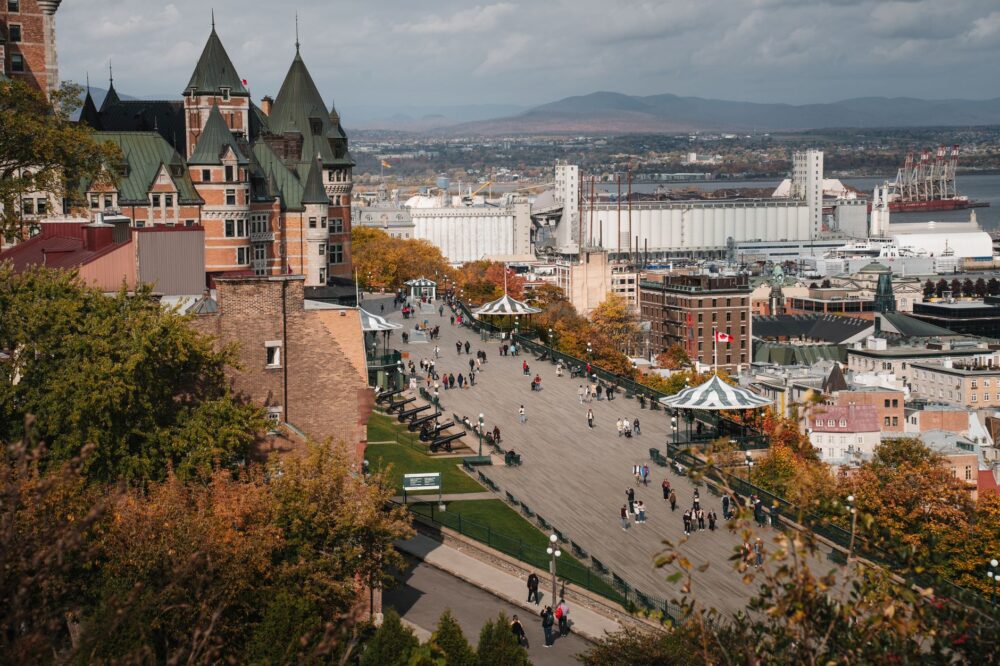
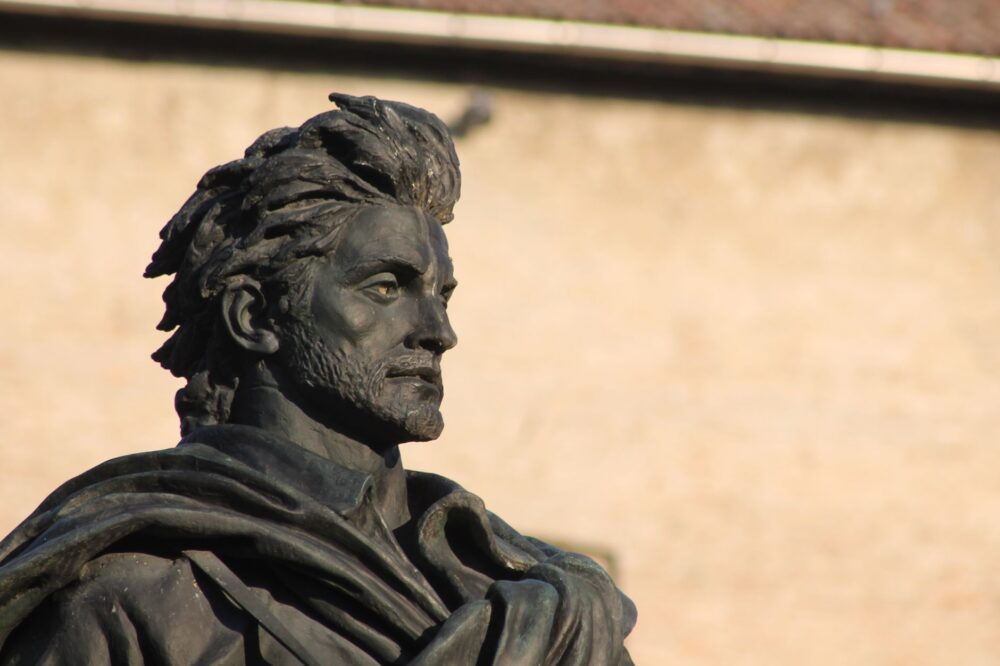
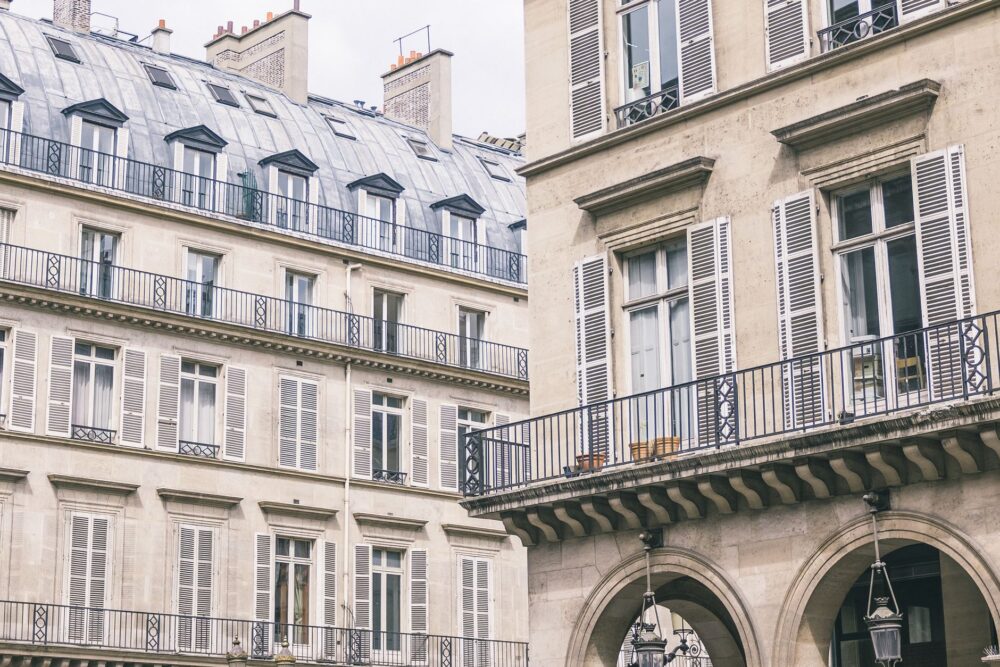
Zagreb is best read from its centre. The Centar district of the Croatian capital gathers within a few square kilometres the old hilltop core of Gornji grad, the nineteenth-century grid of Donji grad and a sequence of squares, parks and markets that work as the city’s living room. For a traveller, it is one of those stops where transport is solved on foot and where every stretch offers a change of scale: from a shopping street to a museum facade, from a vegetable stall to a park bench.
The plan here is simple and verifiable: order the walk into stages, point out what can be done on foot and what is better handled by tram, and remember that Centar is not a stage set but an inhabited district, with residents who use daily the same spaces visitors come to see.
A district you understand from the map
Centar is one of the administrative units into which Zagreb is organised and occupies the central band of the city. Its shape mixes two urban logics: the upper town, with irregular streets and historic buildings, and the lower town, laid out on a regular grid from the nineteenth century onwards. That coexistence explains why the walk changes rhythm without the need to travel far.
The useful fact for visitors is that most points of interest sit within a walkable radius. The main station and the central square work as reference points, and from there the layout opens in several directions. It pays to think of the day in blocks of two or three hours and let the tram cover the longer stretches rather than trying to cover everything in a single walk.
Centar is not a collection of isolated monuments: it is a system of spaces the city uses every day.
The Donji grad grid and the art of walking in a straight line
Donji grad is the lower part of the centre and follows an orthogonal plan with regular blocks. Its wide avenues and parallel streets make orientation easy, something rare in European old towns. Walking here is an exercise in perspective: facades line up, boulevards set the pace, and the buildings of the late nineteenth and early twentieth centuries share height and architectural language.

This sector concentrates cultural institutions, theatres, galleries and university buildings. For the traveller, the advantage is that visits can be combined without long transfers. A practical rule: pick one longitudinal street as an axis and make short detours to the sides. That avoids constant zigzagging and leaves time to stop at the details of the facades.
- Walk the main boulevard in one direction and return along a parallel street.
- Save the side streets for singular buildings and accessible courtyards.
- Use squares as rest points and as places to reorient yourself.
Gornji grad: the upper town and its stairways
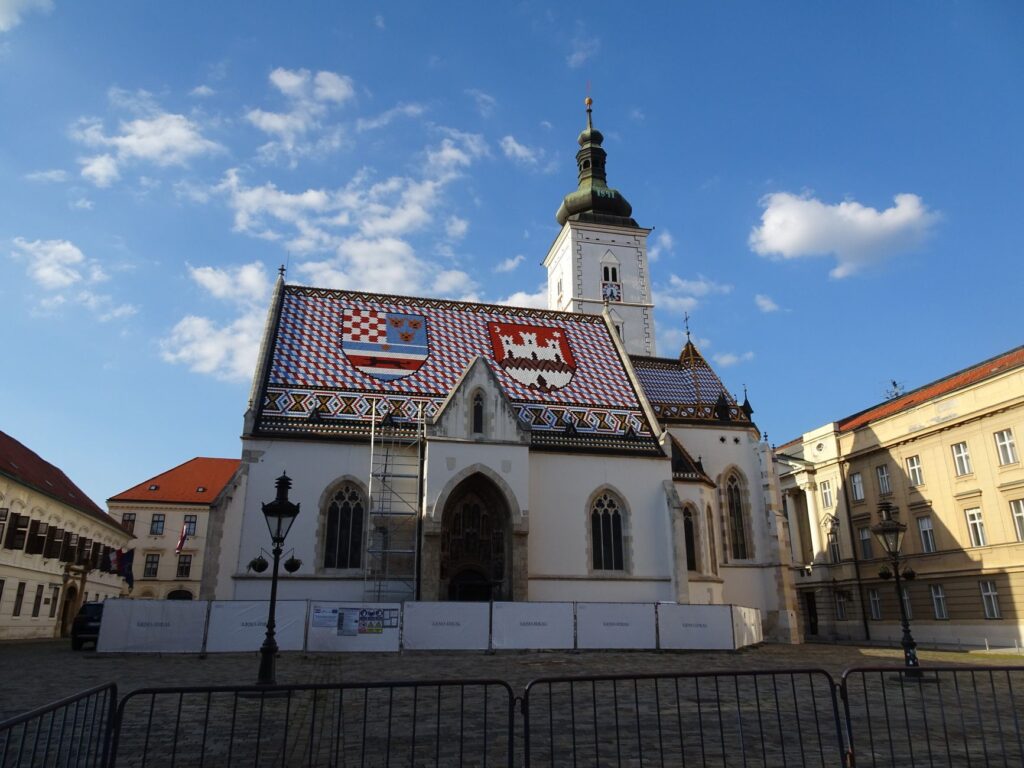
The historic core sits on a rise and preserves a medieval layout. Here streets narrow, slopes appear and stairs become part of the route, so the walk demands a little more physical effort. This is the area of historic gates, churches and institutional buildings, and also the one that best preserves the memory of the original settlement.
For those travelling with reduced mobility or with a pushchair, it is worth planning the ascent and descent via the mechanical access points available and saving the stairs for short sections. The upper town rewards pause: viewpoints open onto rooftops and onto the grid of the lower city, and inner courtyards act as quiet refuges.
The upper town is enjoyed slowly: every step changes the view and every alley returns a different version of the same neighbourhood.
Dolac and the markets: the centre’s pantry
Dolac market is one of the places where the district shows its most everyday face. Set beside the historic core, it works as a fresh-produce market and as a meeting point. Stalls of fruit, vegetables and local products bring colour to the route and reveal the relationship between the city and its agricultural hinterland.
The practical advice is to visit in the morning, when activity is highest, and to respect the rhythm of the stalls: buying is the best way to take part, even if it is just a piece of fruit. Around the market you will find bakeries, cheese sellers and prepared-food counters that allow a pause without leaving the centre.

What to look for and what to avoid
Pay attention to seasonality and to the labels indicating origin. Avoiding the busiest hours makes shopping easier and improves the experience. The market is not only a tourist attraction: it is an infrastructure that supplies the neighbourhood and deserves the same respect as any local shop.
Linked parks: the centre’s green sequence
Zagreb organises part of its public space as a succession of parks and gardens running through the district. That green continuity allows long stretches on foot without leaving the shade and offers alternatives when the heat builds. Parks work as connectors between neighbourhoods and as settings for daily life: walks, play, reading and rest.
For visitors, the green sequence is also a navigation tool. Following the parks allows movement between points of interest without constantly checking the map. Benches and fountains are useful landmarks for fixing direction and for short stops.
- Use the parks as corridors to cross the district.
- Alternate sunny and shaded stretches in summer.
- Respect play areas and neighbourhood resting spaces.
The tram as an extension of the walk
Zagreb’s tram network is one of the city’s signatures and a practical tool for travellers. In Centar, lines connect the station, the main squares and outer neighbourhoods, and cover distances that would be long on foot. Using the tram does not break the logic of the walk: it completes it.
The recommendation is to combine it with walking rather than replace it. A tram ride widens the radius of the route without excessive fatigue and shows the city from another height. Validate your ticket according to the current system and check the stop maps, which usually indicate lines and directions.
Accessibility and pace
Main stops usually carry visible information and newer vehicles make boarding easier. Even so, allow time for transfers and avoid peak hours if travelling with luggage or reduced mobility. The tram is above all a transport for residents: giving way and staying calm at busy times is part of the experience.
Museums, courtyards and places of shade
Central Zagreb brings together a varied museum offer that lets you alternate the walk with indoor visits. District museums range from art and history to more specialised collections, and many occupy historic buildings with notable courtyards and staircases. The advantage of having them in Centar is that they can be combined with the urban route without long transfers.
A useful rule is to save museum visits for the middle of the day, when heat or rain makes the street less pleasant, and keep the first and last hours for walking outside. Checking opening times in advance avoids wasted journeys, since opening days vary by institution.
Eating in the centre: the scale of the neighbourhood
Centar’s food offer combines markets, bakeries, cafes and restaurants of different registers. Proximity to Dolac market explains the presence of fresh produce in many places, and the Central European tradition shows in the pastry shops and neighbourhood taverns. Eating in the centre is also a way to support the local economy.
For travellers, the advice is to alternate: a seated meal in a traditional restaurant and a light pause in a bakery or at a market stall. Look for places frequented by residents and avoid the midday rush if you want calm. Asking about the dishes of the day is usually a good way to eat well without complications.

An inhabited district: responsible tourism
Centar is, above all, a place where people live. The same spaces visitors walk through are used to go to work, take children to school or do the shopping. That coexistence calls for attention: keep quiet in residential areas, do not block pavements and treat markets as shops rather than as stages.
Responsible tourism in a central district comes down to small decisions: buy from local businesses, use public transport, avoid crowds during the busiest neighbourhood hours and do not assume every public space is designed for visitors. The best way to know Centar is to use it as naturally as its residents do.
Practical guide
Getting there and getting around
The main station and the central square work as gateways to the district. The tram connects the main points and widens the radius of the walk. For short stretches, walking is the most efficient option and the one that best shows the city.
How much time to allow
A full day covers the lower town, the market and part of the upper town. Two days allow you to add museums and extend the route towards the parks. Allow time for pauses: the centre invites you to stop.
Accessibility
The lower town is more favourable for wheelchairs and pushchairs than the upper town, where slopes and stairs condition the route. Checking available mechanical access and planning the ascent makes the visit easier.

When to go
Spring and autumn offer pleasant temperatures for walking. In summer, avoid the middle hours and use the shade of the parks. In winter, museums and covered venues keep the plan alive.
Budget and shopping
The tram and the markets help keep spending in check. Buying at stalls and neighbourhood shops supports the local economy and improves the experience. Carry cash for the markets and check displayed prices.
Closing: a square at the end of the day
As evening falls, the squares of the centre return to their role as shared space. Benches fill, trams pass with their metallic rhythm and facades change colour in the low light. It is the moment to sit down and retrace the route: the Donji grad grid, the stairs of the upper town, the market and the parks.
Centar is not exhausted by a list of sights. Its value lies in continuity: a district you can walk, that lets itself be crossed and that keeps a life of its own beyond tourism. Those who travel it slowly take away more than an itinerary: they take away the sense of having used the city the way those who live in it do.