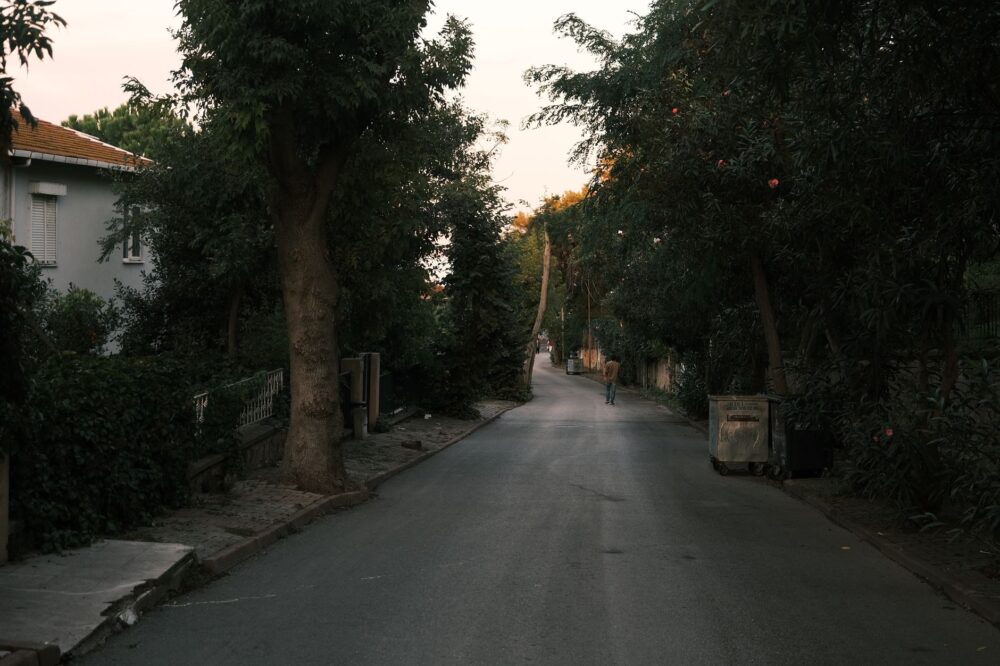
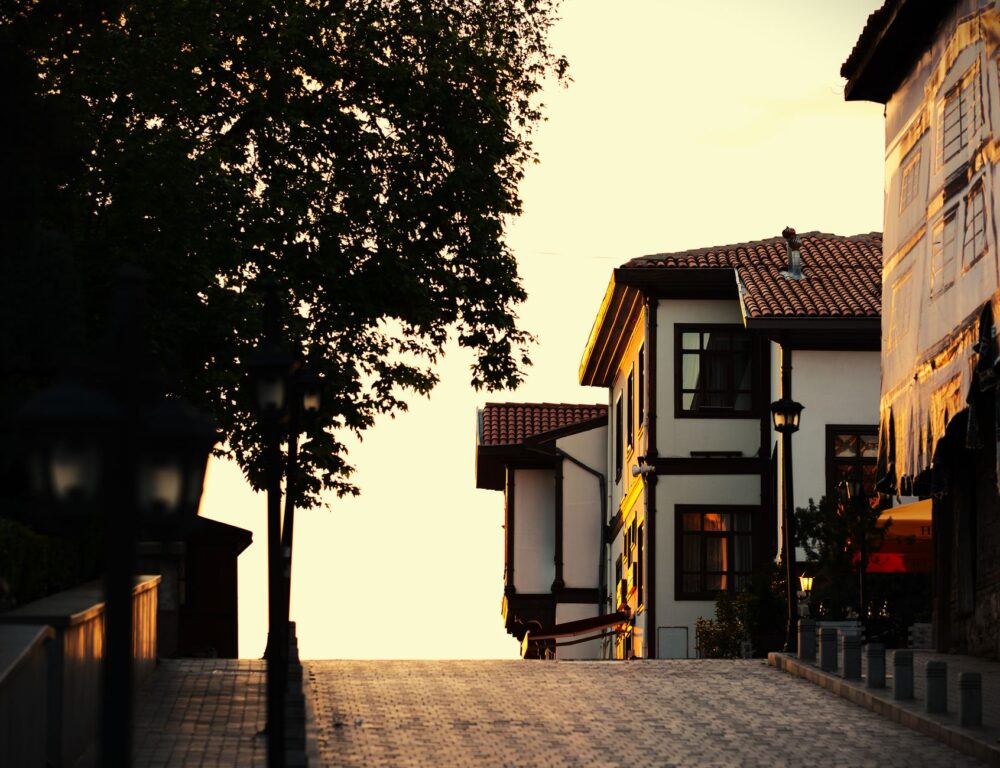
Some journeys end when we return home, and some never end at all. Not because they stretch across the calendar, but because they stay in us in a way we cannot quite name. A smell, an afternoon light, a brief conversation in a square: the memory of a journey rarely arranges itself like an album. It settles instead like a sediment, a thin layer of meaning laid over what we already were. Here we like to think that travel is, at heart, a way of remembering forward: we learn to look at what we have not yet lived with the attention of someone who already misses it.
Memory is not an archive
When we talk about remembering a journey, we tend to imagine an orderly archive: dates, names, photographs. But the traveler’s memory works differently. It does not hold so much what we saw as the way we were there. We remember a city by the temperature of its light, by the way someone explained a street to us, by the silence of a museum in the middle of the morning. That memory is not documentary: it is affective, and that is why it resists being fully told.
Perhaps that is why the best travel memories do not translate well into speech. They remain in gestures, in small decisions, in the way we learned to wait. Memory is not an archive we consult: it is a way of being in the world that travel has gradually refined.
What we leave without noticing
There is a trace left by the traveler that cannot be seen and yet carries weight. We are not speaking only of the material footprint, which also matters, but of the footprint of the gaze: the way we arrive in a place, the haste with which we cross it, the attention we grant it. A territory does not receive in the same way someone who observes it with curiosity and someone who uses it as a backdrop. The difference lies not in the number of steps but in the quality of presence.
That is why we are drawn to a simple and demanding idea: travel as care. To care for a place means, first of all, not taking for granted that we already know it. It means accepting that every territory holds a memory of its own that does not belong to us, and that our task is not to correct it but to listen to it.
To travel with memory is to accept that the place remembers us as much as we remember it.
Hospitality as a mirror
Hospitality is one of the oldest forms of culture, and also one of the most fragile. It does not consist in offering much, but in offering with attention. Those who receive us well do not necessarily give us the best: they give us what they have, with the dignity of someone who knows that receiving is also a way of telling one’s story. Much of the meaning of travel is played out in that reciprocity.
When we are received with hospitality, something rearranges itself within us. We learn that not everything is for sale, that some gestures have no price, and that trust is built slowly. That lesson does not stay in the place: it travels with us and returns with us, and it makes us a little more attentive in our own home.
Looking again at the familiar
There is an exercise we consider essential, and it has to do with memory: looking again at what we think we know. Travel does not always require distance. Sometimes it is enough to pause in our own city, in our own neighbourhood, with the disposition of someone arriving for the first time. The traveler’s gaze is not a privilege of the distant: it is a form of attention we can practise anywhere.
That gaze carries a certain humility. It recognises that we do not know everything about a place, even if we were born there. And it accepts that memory is also built by looking again, patiently, at what was already there.
The journey that stays
In the end, what remains of a journey is not only what we saw, but what we learned to see. The traveler’s memory is selective and generous: it keeps what taught us something, even if we did not know at the time that we were learning it. And with the years it returns to us the certainty that travel is not about accumulating places, but about refining the way we are in them.
We like to think that this is the trace that truly matters: the one that stays in us and makes us more careful with the world. Because the journey we remember is not the one most told, but the one that changes our gaze the most. And perhaps there, in that transformed gaze, lies the most honest way of thanking a place for what it gave us.