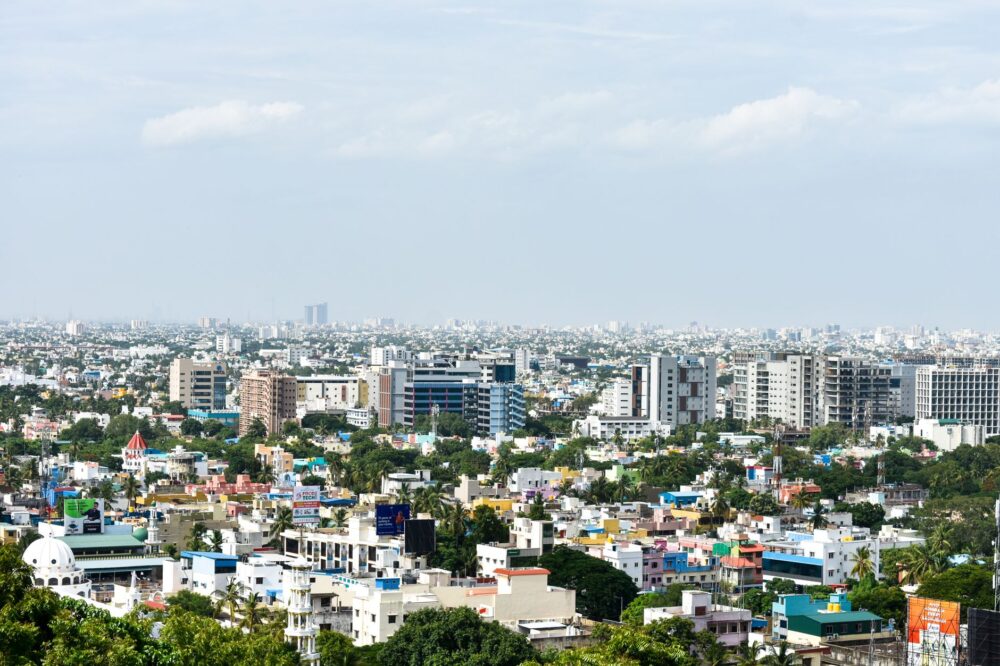
Sakai rarely appears on Japan’s must-see lists, and that may be why it keeps a relationship with food that is hard to find in the big cities. In this city in Osaka Prefecture, the table is not built as a spectacle but as a consequence of daily life: low-rise neighbourhoods, local markets, knife workshops and a stock-based cooking culture learned at home before it is learned in a restaurant.
Understanding Sakai through its food means looking less at the menu and more at the system behind it. Here, local identity is cooked with unassuming ingredients, precision tools and an idea of hospitality that does not need to announce itself. The city sits within the Osaka metropolitan area, and that position matters: it shares the region’s pantry and its rail rhythms while keeping a scale that still feels domestic.
A city eaten from the neighbourhood
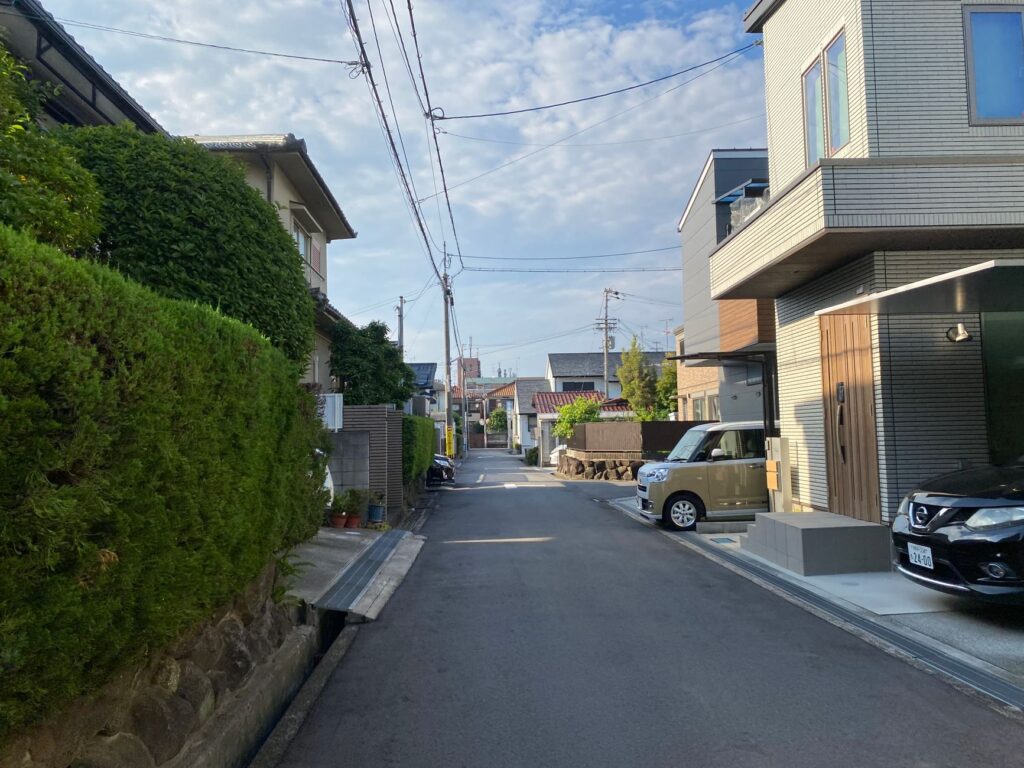
Sakai is organised into districts with distinct characters, and that fragmentation shows in its cooking. Neighbourhood markets work as everyday pantries: fish from the nearby Osaka coastline, seasonal vegetables, tofu, pickles and prepared foods that save time for people coming home from work. This is not a gourmet scene; it is domestic logistics.
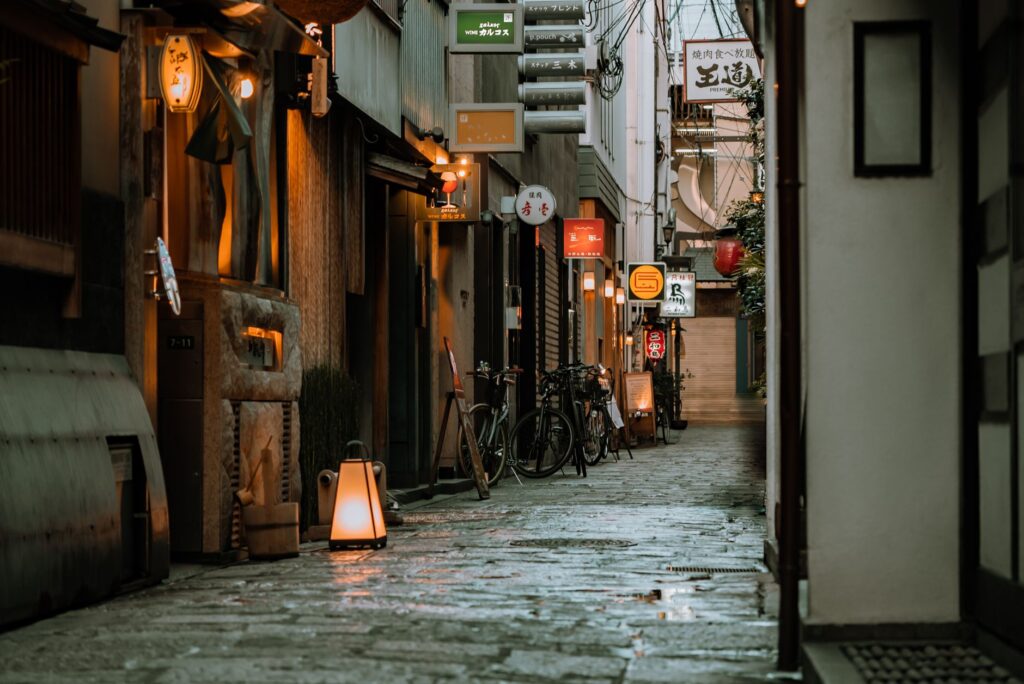
That neighbourhood scale explains why the food experience in Sakai feels more like a routine than a visit. Travellers looking for iconic dishes will instead find a repertoire of home cooking: soups, rice, grilled fish and pickled vegetables. The city’s administrative structure, with its wards and its seat within Osaka Prefecture, reinforces the idea of a place made of parts rather than a single postcard centre. Each district has its own shopping streets, its own rhythm of opening hours, and its own relationship with the stations that connect it to the rest of the region.
For a visitor, this means that walking is a method. Moving between a market, a knife shop and a small restaurant in the same morning is not a tour itinerary but the way the city itself works. The distance between them is short, and the logic that links them is the same one that links a pantry to a stove.
In Sakai, the pantry is not visited: it is used. Cooking begins at the market stall and ends at a table without a tablecloth.
Dashi as a shared grammar
If one thread links Sakai’s cooking to the wider Kansai region, it is dashi, the base stock that gives depth to soups, stews and sauces. In Kansai it is traditionally made with kombu seaweed and dried bonito flakes, and preparing it at home is one of those routines passed on without a written recipe.
The result is a cuisine of subtle notes, less sweet and less assertive than in other parts of Japan. For visitors, that difference shows in the delicacy of the dishes and in the constant presence of stocks that do not seek the spotlight. Dashi is not a dish in itself; it is the condition that makes other dishes possible, which is why it is a useful way to read a menu even when the language is unfamiliar.
There is also a practical dimension to this grammar. A stock made with kombu and bonito speaks of a coastal region with access to seaweed and dried fish, and of a household economy that values extracting flavour from few ingredients. When a bowl of soup tastes deeper than its visible contents suggest, that is the stock doing its work.
Context tip: when a local dish seems simple, it probably is, and that is where its value lies. Sakai’s cooking is not explained by piling on ingredients but by the quality of the stock and the produce.
Sakai knives: the craft that feeds the table
Sakai’s reputation in knife-making is one of its most solid cultural assets. Workshops and specialist shops maintain a tradition of forging and sharpening that supplies both professional kitchens and homes. For travellers interested in food, this ecosystem offers an unusual entry point: understanding how cutting is thought through before thinking about the dish.
Visiting a knife shop in Sakai is not a fast-consumption experience. It requires watching, asking about the intended use and accepting that the seller may guide the choice. It is a lesson in culinary humility: the right tool depends on the produce, not on whim. A knife designed for fish is not the same as one designed for vegetables, and the shape of a blade often answers a specific kitchen task rather than a general preference.
This craft also explains a broader idea about food heritage in the region. A knife is a tool that only makes sense in use, and the workshops that produce and maintain it depend on cooks who sharpen, care for and eventually replace their blades. The visitor who understands this sees the shop not as a souvenir counter but as part of a chain that begins with steel and ends on a cutting board.
A useful warning: Japanese knives require care. Buying one without the intention to maintain it can turn a good souvenir into an object forgotten in a drawer.
Markets and corner shops: the real pantry
Daily life in Sakai can be read in its markets and small shops. People buy in small quantities, ask about freshness and accept seasonality. Fish stalls, tofu shops and pickle sellers form a network that sustains home cooking. This network is not designed around visitors; it is designed around the hours of people who live nearby.
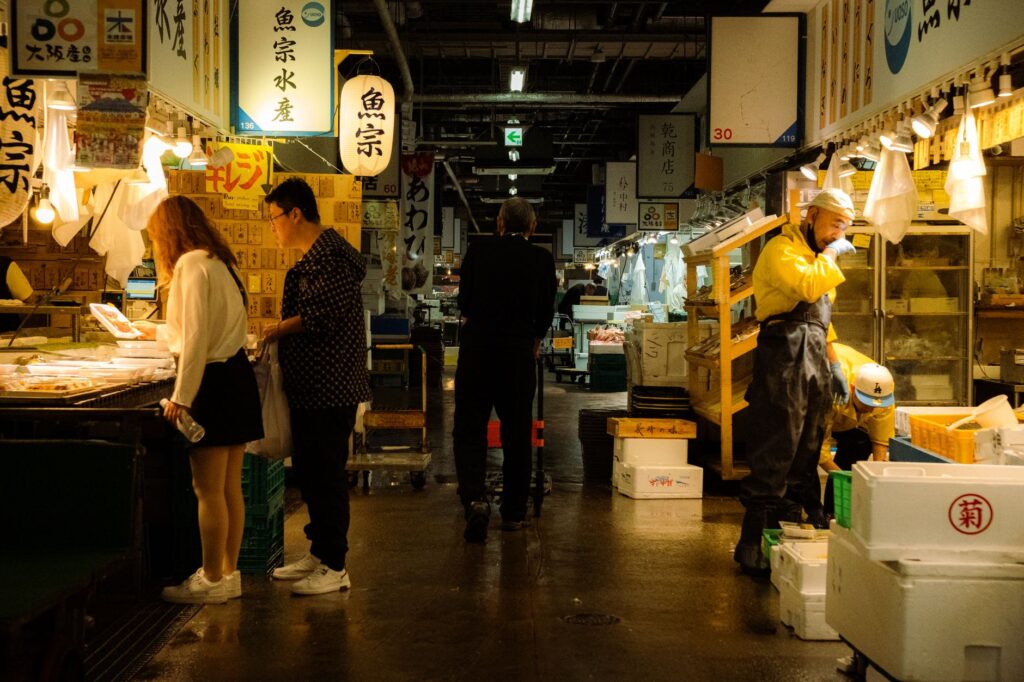
For the responsible visitor, the rule is simple: buy what you will consume, do not stockpile, and respect the neighbourhood’s rhythms. Sakai’s pantry is not designed for mass tourism; it works because a community uses it every day. A market that loses its local customers to a tourist flow stops being a market and becomes a display, and that is precisely what a careful traveller should avoid encouraging.
- Visit markets in the morning, when the offer is widest.
- Ask about seasonal produce before choosing.
- Avoid photographing stalls without permission; courtesy is part of the experience.
- Carry small change and a bag, and do not handle produce you do not intend to buy.
The neighbourhood table: small restaurants and honest cooking
Sakai has plenty of small-scale restaurants: neighbourhood taverns, noodle houses and home-style places with set daily menus. These are not fine-dining spaces, and they do not pretend to be. Their value lies in consistency and in the relationship with regular customers.
That scale lets travellers understand a Japanese idea of hospitality that is not based on ceremony but on discreet attention. The menu may be limited; the execution is careful. For those travelling on a budget, these places also offer value that is hard to match. A set menu at midday is often the most direct way to eat what the city eats, because it is built around what was available that morning rather than around a fixed carte.
There is a social dimension too. Small restaurants in residential districts function as meeting points, and the boundary between staff and regulars is thinner than in larger establishments. The visitor who enters with a greeting and accepts the house rules is not buying an experience; they are being allowed to share a routine for the length of a meal.
Sakai’s cooking does not compete for originality: it competes for consistency. And that consistency is its identity.
Food heritage and responsible choices
Talking about heritage in Sakai means talking about continuity. Knife-making, stocks and markets are not museum pieces but living practices that depend on someone using them. Visitors can support that continuity by shopping in local businesses, choosing seasonal produce and avoiding dynamics that turn the neighbourhood into a backdrop.
It is also worth remembering that Japanese food culture has rules of courtesy that are not always obvious: do not eat while walking, do not leave unnecessary leftovers, do not demand out-of-place adaptations. Respecting them is not an external imposition; it is how the experience becomes reciprocal. These rules vary between contexts, and reading the room is part of the learning: a market stall, a noodle counter and a knife workshop each have their own expected behaviour.
Responsibility also means accepting limits. Not every workshop is open to visitors, not every shop welcomes browsing without purpose, and not every neighbourhood is prepared for a flow of travellers. Asking first, accepting a no, and keeping visits short are simple ways to protect the very thing that makes Sakai interesting.
What people eat in Sakai: dishes and produce to orient yourself
Sakai’s cooking is best understood as a local variant of Kansai cuisine. Fish dishes, mild miso soups, rice and pickled vegetables form the base. In season, produce from the nearby coast gains presence in markets and restaurants. The region’s coastal position and its proximity to Osaka’s urban market shape what arrives at the stalls.
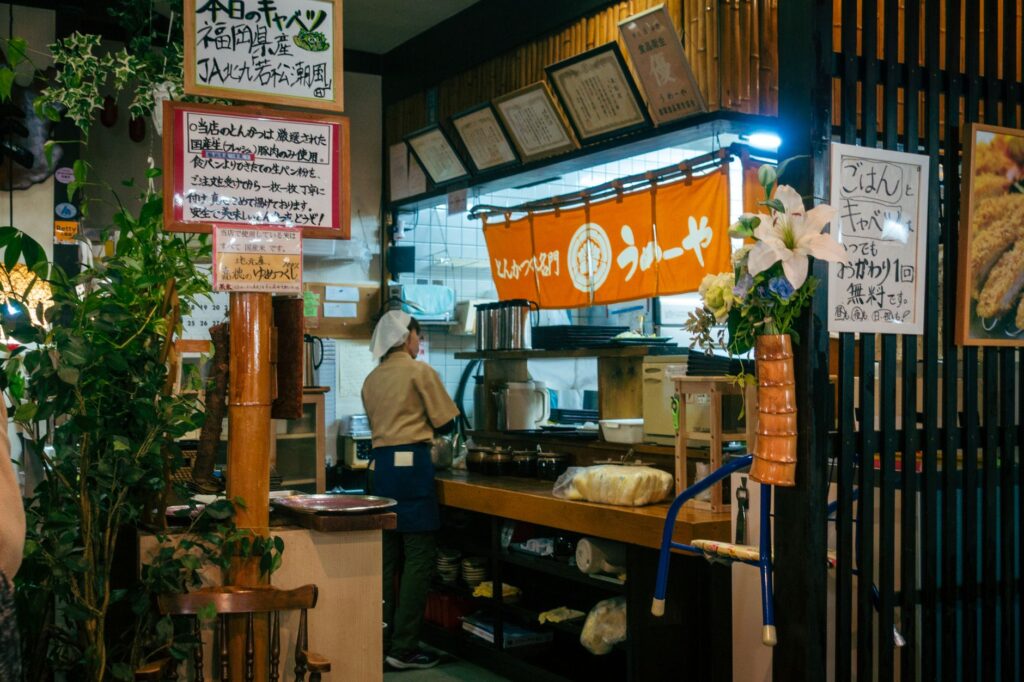
Visitors should not expect a closed list of exclusive specialities. The richness lies in the combination: a well-made stock, fresh produce and preparation without excess. That is Sakai’s culinary lesson, and also its limit: anyone looking for culinary spectacle would do better to look elsewhere.
A useful way to orient yourself is to think in terms of categories rather than names. Rice and pickles set the frame; fish and vegetables provide the seasonal content; soups and simmered dishes carry the stock. Once that structure is clear, a menu becomes readable even when the vocabulary is new, and choices become easier to make with respect for what the kitchen actually does well.
How to move through the city without disturbing it
Sakai’s districts are connected by rail and by a street grid that rewards walking, but the practical point is not transport for its own sake. It is about pacing. A morning at the market, a midday set menu and an afternoon visit to a knife shop is already a full day, and leaving space between stops is what allows the city’s rhythm to be noticed.
Travellers should check routes and timetables on official sources before setting out, because services and opening days can change. It is equally useful to check closing days for shops and markets, since small businesses often keep irregular schedules. Planning around those constraints is not an inconvenience; it is a way of aligning with how the neighbourhood actually works.
Finally, language matters. Japanese is the local language, and outside tourist circuits English may be limited. A translation app, a few greetings and patience with slow conversations go a long way, and they signal the kind of visitor who is there to share a routine rather than to consume a scene.
Practical guide
Getting there: Sakai is connected to Osaka through the region’s rail and metro network. Check routes and timetables on official sources before travelling, as services can change.
When to go: spring and autumn offer pleasant temperatures for walking through neighbourhoods and markets. Summer in the Osaka region is hot and humid; winter is mild but with short days.
Where to shop: neighbourhood markets and specialist knife shops. Check opening hours and closing days before setting out.
Budget: set daily menus in neighbourhood places are usually an economical option. For knives, price depends on material, size and finish; comparing and asking for guidance is part of the process.
Etiquette: greet staff on entering, do not eat while walking, do not photograph without permission and accept the establishment’s rules. Courtesy is part of the journey.
Language: Japanese is the local language. Outside tourist circuits, English may be limited; carrying a translation app and learning basic greetings improves the experience.
Responsibility: buy only what you need, avoid unnecessary plastic and respect the neighbourhood’s daily life. Sakai is not a theme park; it is a city where people eat every day.
Closing: a table without pretension
In the end, Sakai’s food leaves a modest and lasting impression: that of a city that cooks because it has to, with well-cared-for tools and well-made stocks. There is no grand tourist narrative, and perhaps that is the most valuable thing. Travellers who approach with curiosity and respect will find honest, neighbourhood cooking that needs no decoration to explain itself.