

In Las Palmas de Gran Canaria, Spain, the food day does not begin in a single square. It begins on several fronts at once: the Vegueta market opens with crates of fruit from the mid-altitude farms, the port moves fish that is sold almost at the quay, and neighbourhood bakeries light their ovens before the sun heats the seafront avenue. The city, with more than 380,000 inhabitants according to available geographic records, is the capital of the island of Gran Canaria and one of the two capitals of the Canary Islands region.
The question guiding this report is not which signature dish to try, but how an island city of nearly 400,000 people is supplied, and what role the visitor plays in that chain. The answer lies in a network of municipal markets, small shops and nearby producers that sustain a cooking tradition of Atlantic identity, marked by bananas, fish, gofio and local potato varieties.
A supply map between the coast and the summit
Gran Canaria is an island of vertical contrasts. In a few kilometres the landscape moves from sea level to summits above 1,900 metres, and that difference translates into a diverse pantry. Canary Islands bananas, with protected designation of origin, reach the capital from farms on the northern slope and the mid-altitude areas. Old potatoes, grown in volcanic soils and on high terraces, appear in markets with specific names that vary by variety and season.
Fish follows another logic. The fleet operating from the port of Las Palmas and other points on the island supplies fishmongers and restaurants with species the visitor rarely finds at home: vieja, salema, bocinegro and other catches sold according to the day’s auction. There is no fixed menu; there is an availability that changes with wind and season.

Canarian cooking cannot be explained without the boat and the garden: two pantries that meet on the same table.
Vegueta: the market as the city’s archive
The Vegueta market, in the historic centre, works as a living archive of what the island produces. Its aisles combine fruit and vegetable stalls with butchers, fishmongers and small shops selling cheese and honey. For the visitor, the practical recommendation is to arrive early and walk through without rushing, observing which products are in season and which come from other islands in the archipelago.
The building is part of the city’s urban heritage, and its surroundings include the cathedral of Santa Ana, the Canarian Museum and colonial houses that recall the historical weight of the port. The relationship between the market and the neighbourhood is not decorative: many residents shop here daily, and that routine is what keeps the stalls alive.
- Recommended time: early morning, when fresh produce arrives.
- What to observe: the variety of potatoes, Gran Canaria cheeses and the fish of the day.
- Responsible shopping: bring a reusable bag and ask about the origin of the product.
Banana and potato: two symbols with agricultural history
The Canary Islands banana is one of the most recognisable products of the island pantry. Its cultivation is concentrated in low and mid-altitude areas, and its presence in the capital’s markets is constant. For the visitor, the difference from imported bananas lies in flavour and texture, but also in the production model: small family farms selling through cooperatives and local markets.
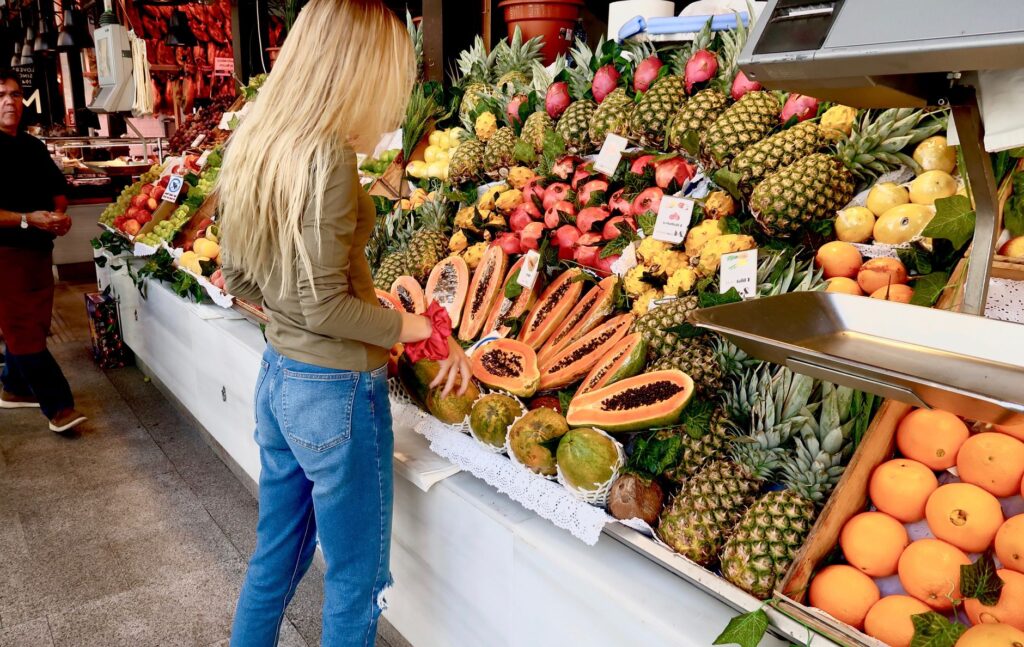
Old potatoes have an almost ceremonial status in Canarian cooking. They are grown in volcanic soils and eaten boiled, with mojo, or as a side dish for fish. In the markets of Las Palmas they appear with names the visitor can learn to recognise, and their season varies throughout the year. Buying them is a way of understanding that the island pantry does not depend only on imports.
Gofio and the memory of grain
Gofio, flour made from toasted cereals, is one of the elements that best summarises Canarian cooking. It is eaten at breakfast, in soups and in desserts, and its presence in the capital’s shops is common. Its history goes back to the diet of the pre-Hispanic populations of the islands and to the later adaptation of cereal to island life.
For the visitor, gofio is also a gateway to home cooking. There is no need to look for a fine-dining restaurant to try it: it appears in neighbourhood bars, in simple breakfasts and in family recipes passed down through generations. Its humility is part of its cultural value.
Gofio is not a souvenir: it is an everyday food that connects today’s pantry with the island’s agricultural history.
The seafront avenue and the fish that comes from the Atlantic
Las Palmas de Gran Canaria’s relationship with the sea is not only scenic. The port is a key infrastructure for the island’s supply and for fishing activity. In the city’s fishmongers, that connection can be traced: local species, seasonal catches and a sales rhythm that depends on the auction.
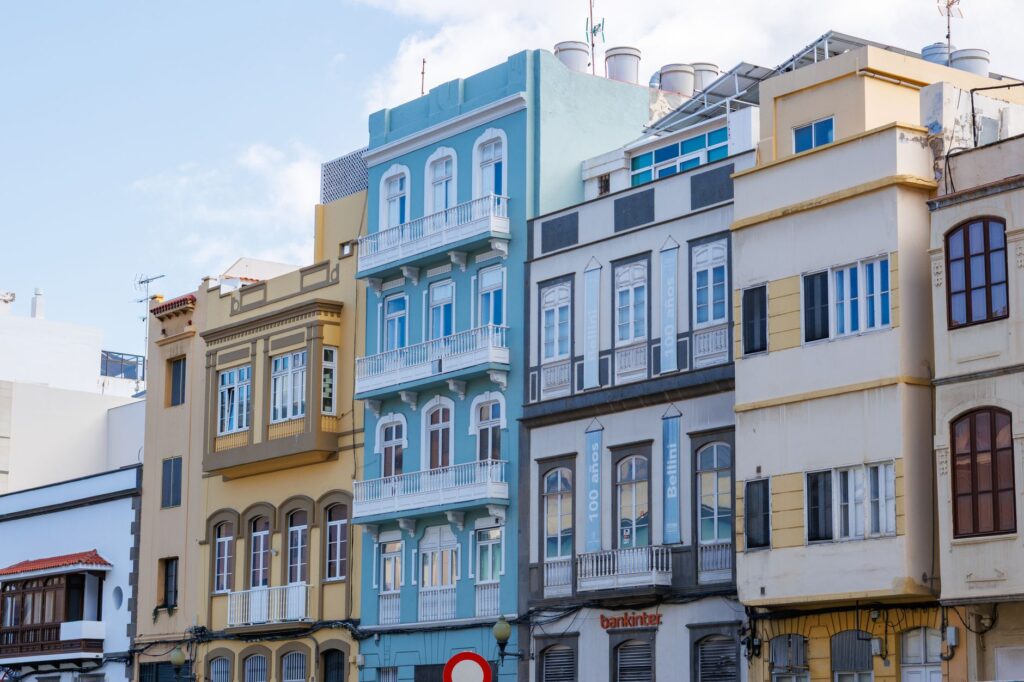
Visitors who want to understand this chain can walk through the port area and neighbourhood fishmongers, always respecting working spaces. It is not about seeking a tourist experience, but about observing how an urban pantry works, dependent on the sea and on island logistics.
Cheese, honey and oil: the pantry of the mid-altitudes
The mid-altitude areas of Gran Canaria produce goat and sheep cheeses, honey and olive oil in small quantities. These products reach the capital through markets, specialised shops and fairs. Their presence is a sign of the island’s agricultural diversity, which is not limited to sun-and-beach tourism.
For visitors interested in gastronomy, the recommendation is to look for these products in municipal markets and neighbourhood shops, where it is possible to talk with sellers about their origin and season. It is a way of shopping more knowingly and supporting local producers.

Neighbourhood cooking: where routine is eaten
Beyond the restaurants of the historic centre and the tourist area of Las Canteras, the daily cooking of Las Palmas is found in neighbourhood bars, cafés and small dining rooms. There, simple dishes are served: fresh fish, potatoes with mojo, stews and legume dishes. These are places where visitors can eat well without looking for a fine-dining experience.
The key is observation: which dishes are offered that day, which product is in season and what regular customers recommend. Canarian cooking is generous in flavour and simple in execution, and that combination makes it accessible to any traveller.
Heritage and the visitor’s responsible choices
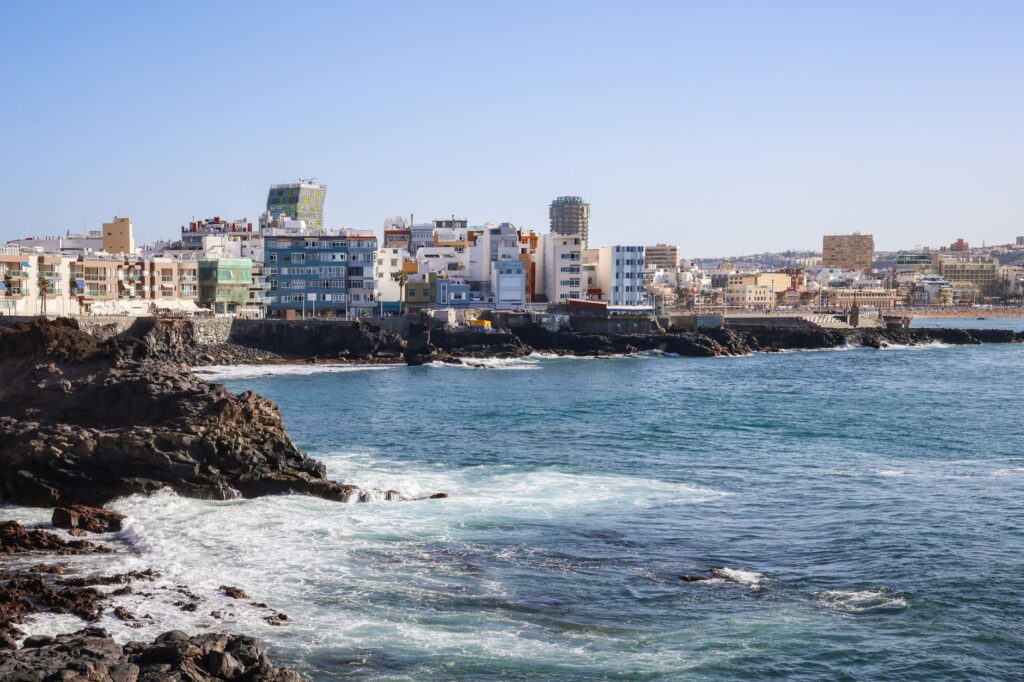
Las Palmas de Gran Canaria combines relevant historical heritage with a daily life that does not revolve around tourism. Visitors who want to understand the city should look beyond monuments and pay attention to markets, bakeries and neighbourhood shops. That gaze allows them to understand how an island city is supplied and what role gastronomy plays in its identity.
Responsible choices involve shopping in local markets, respecting stall opening hours, avoiding food waste and not treating gastronomy as mere entertainment. The pantry of Las Palmas is a complex system that deserves an attentive and respectful look.
Practical guide
To organise a gastronomic visit to Las Palmas de Gran Canaria, it is worth planning the route around market opening hours and product seasons. The Vegueta market is a good starting point, but not the only one: neighbourhood markets and specialised shops complete the map.
- When to go: spring and autumn are mild seasons; summer can be hot in the city centre.
- What to buy: Canary Islands bananas, old potatoes, gofio, Gran Canaria cheese and fresh fish.
- How to get around: public transport connects the historic centre with the Las Canteras area and the port.
- What to avoid: buying products without knowing their origin or treating them as simple souvenirs.
The gastronomy of Las Palmas de Gran Canaria is not exhausted by a list of dishes. It is a way of understanding the relationship between a city, its island and the Atlantic. Visitors who approach with curiosity and respect will find a living, changing pantry, deeply tied to its territory.


