Cần Thơ sits at the heart of the Mekong Delta in southern Vietnam, roughly three metres above sea level. The city does not present itself as an alpine trekking destination but as a low-lying territory of paths, canals, orchards and rural lanes where heat and humidity matter as much as the landscape. Planning a walk here means accepting that scale: short distances, a slow rhythm and logistics that lean on the river as much as on asphalt.
Anyone arriving in search of summits has misread the geography. Anyone willing to walk among rice fields, cross footbridges and understand how water organises life will find an experience demanding in its own way. The key is not altitude but consistency, hydration and respect for an ecosystem that supports more than a million and a half people.
A delta explored on foot and by boat
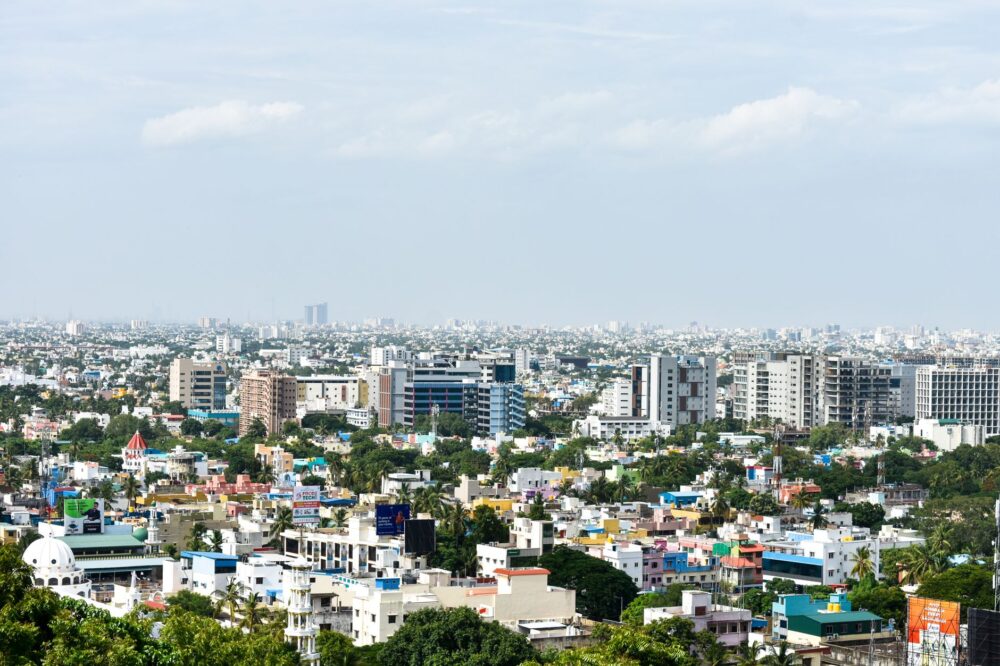
Cần Thơ is the main city of the province of the same name and one of the great centres of the delta. Its urban fabric spreads across districts such as Ninh Kiều, beside the Hậu River, and peri-urban areas where greenery takes over. For walkers, that mix is an advantage: it allows urban stretches to be combined with forays into orchard and canal country without long transfers.
Hiking here is closer to an extended stroll than to an ascent. Paths are usually flat, sometimes dirt, sometimes concrete, and often follow watercourses. That horizontality is deceptive: sun and humidity turn a two-hour walk into a real effort. Difficulty is measured not in elevation gain but in climate exposure and the quality of the surface.

What to expect from the weather before setting out
The area has a tropical monsoon climate, with a wet season and a drier one. Temperatures remain high year-round and relative humidity is usually elevated. That means the body sweats more and dehydrates sooner than you notice. Walking at midday, especially in the wet season, is a decision best avoided.
Rain can arrive suddenly and turn a dirt path into mud. It is not an extreme hazard, but it shapes footwear, pace and expected duration. Realistic planning means leaving margin: not chaining long stretches without turn-back points and always carrying rain protection.
In the delta, the calendar of water matters more than the clock: anyone who walks without watching the sky and the canal ends up improvising too much.
Real difficulty: short stretches, accumulated effort
Most routes accessible from Cần Thơ are of low technical difficulty. There are no climbs or exposed passages, but there is an accumulation of hours in the sun, uneven paths and narrow bridge crossings. For a regular walker, a day of ten to fifteen kilometres can be reasonable if split into two blocks with a rest.
Those without experience should start with five to eight kilometres and assess how the body responds. Progression matters more than total distance. Flat terrain invites pushing too hard, and that is precisely the most common mistake: underestimating the effect of heat on joints and circulation.

Safety: water, shade and orientation
Safety here revolves around three axes: hydration, sun protection and orientation. Carrying enough water is essential; shops exist in urban centres but can be scarce on rural stretches. Shade is a limited resource on many routes, so a wide-brimmed hat and light long sleeves protect more than they seem to.
Orientation requires attention. Secondary paths branch frequently and are not always signposted. A map downloaded to your phone and a power bank are useful, but it is also worth asking residents and confirming direction before heading into orchard areas. This is not hostile territory but a friendly maze where detours are easy.
Access: arriving and moving around the city
Cần Thơ has an international airport, Cần Thơ (code VCA), connecting to some domestic and regional destinations. Most travellers arrive overland from Ho Chi Minh City on a route that crosses the delta. Once in the city, cycling or walking through central districts is viable; to reach rural areas, combining local transport with walking stretches is advisable.
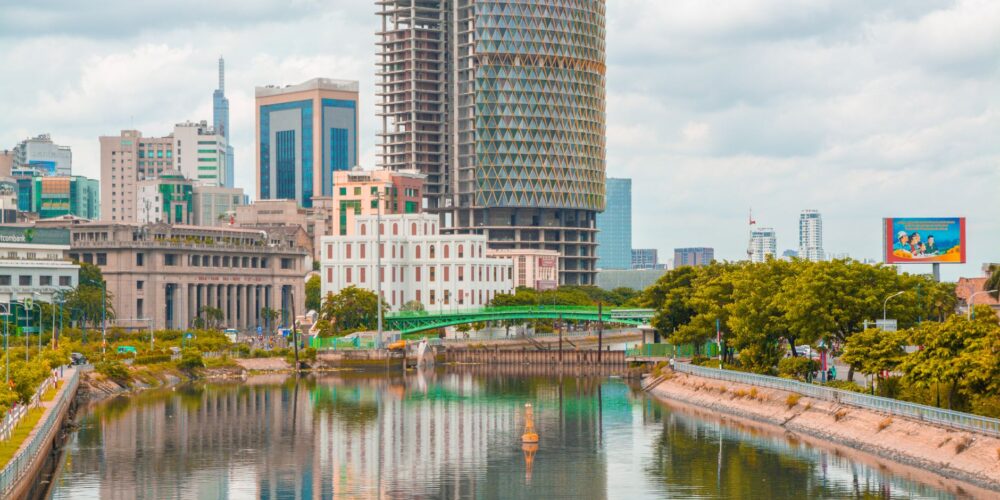
The Hậu River is a constant reference. Landings and piers allow crossings to the opposite bank and access to areas where the land route is interrupted. That intermodality is part of the experience: here you walk, but you also sail, and both are planned together.

Heritage: what you see while walking
Cần Thơ preserves a heritage tied to river trade and delta life. Floating markets, though now more visitor-oriented than in the past, remain a gateway to local culture. On land, pagodas, communal houses and old wharves tell a story of exchange between Vietnamese, Chinese and Khmer communities.
Walking the surroundings reveals domestic architecture, family orchards and small workshops. That heritage is not always museumised; it is in use. Visitors should therefore remember they are passing through spaces of work and dwelling, not a stage set.
Low impact on the trail and the community
Responsible hiking in the delta means leaving no waste, not intruding on private property and not altering watercourses. Rural paths are also access routes to farmland; stepping off the trail can damage crops. The rule is simple: follow the established path and, where none exists, ask before improvising.

Noise and attitude matter. Many areas are residential and life unfolds early. Walking quietly, greeting people and not photographing individuals without consent are basic gestures. The most lasting impact is not from boots but from the gaze.
A good route through the delta is measured by what it respects, not by what it covers.
Kit and physical preparation
Kit should suit heat and humidity. Light footwear with good grip, technical socks, quick-drying clothing and sun protection are the base. A small pack with water, a light rain jacket and a basic first-aid kit complete the essentials. Mountain gear is unnecessary, but foresight is not.
Physical preparation can be done at home with progressive walks and endurance work. Heat acclimatisation takes days, not hours; anyone arriving from a temperate climate should reduce intensity during the first days. Sleeping well and eating light helps more than is often admitted.
Practical guide
When to go
The dry season usually offers more comfortable walking conditions, though heat does not disappear. The wet season brings heavy rain and harder paths. In any case, walk early and avoid the central hours of the day.

What to bring
- Enough water for several hours and rehydration salts.
- Hat, sunglasses and sweat-resistant sunscreen.
- Light footwear with grip and quick-drying socks.
- Light rain jacket or poncho.
- Phone with a downloaded map and a power bank.
- Insect repellent and a basic first-aid kit.
Safety and logistics
Plan routes with clear turn-back points and confirm path conditions with residents or local guides. Do not cross canals at unauthorised points or walk rural areas at night. Respect local authority instructions and access rules for protected areas.
Budget and bookings
Prices vary by season and type of service. Book accommodation in advance around public holidays and confirm the conditions of local transport. Do not assume schedules or fares: always verify with official sources or your accommodation.
A walk remembered for its water
At the end of the day, what remains is not a summit or an elevation figure but the memory of water: the Hậu River at dawn, narrow canals, the sky reflected in a rice field. Cần Thơ is walked with the feet but understood with the gaze fixed on the delta. Preparing the outing with care is the best way to make that memory complete and to keep the territory as it is.