
Ibagué does not announce itself with fanfare. It introduces itself, rather, through the sound of a piano drifting out of a conservatory, the rhythmic tap of an instrument workshop and the aroma of coffee threading through cool Andean mornings. The capital of Colombia’s Tolima department, home to more than half a million people, has built its character on an unusual mix: the discipline of a music school with international reach and the persistence of crafts that shape daily life. For the attentive traveler, Ibagué offers something increasingly rare: an identity that is not displayed behind glass but practiced in streets, workshops and rehearsal rooms.
This story proposes a reading of the city along two intertwined axes: music as living heritage and craft design as a form of memory. It is not an exhaustive itinerary but an invitation to look closely at what often goes unnoticed. The guiding question is simple: how do people inhabit a city when its identity rests on practices that demand time, hands and a good ear?
A capital between mountains and valleys
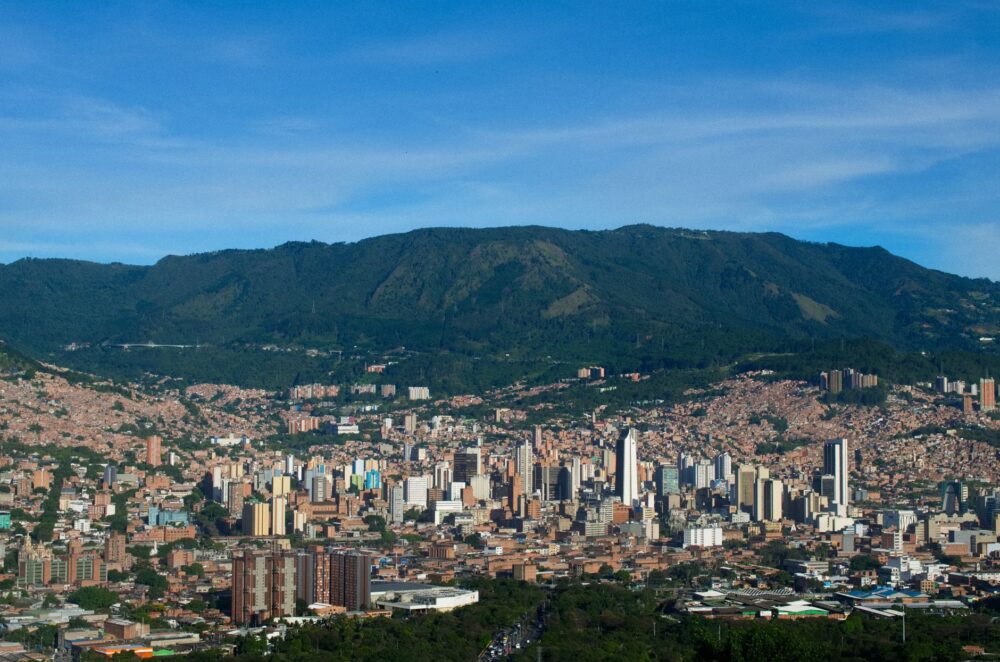
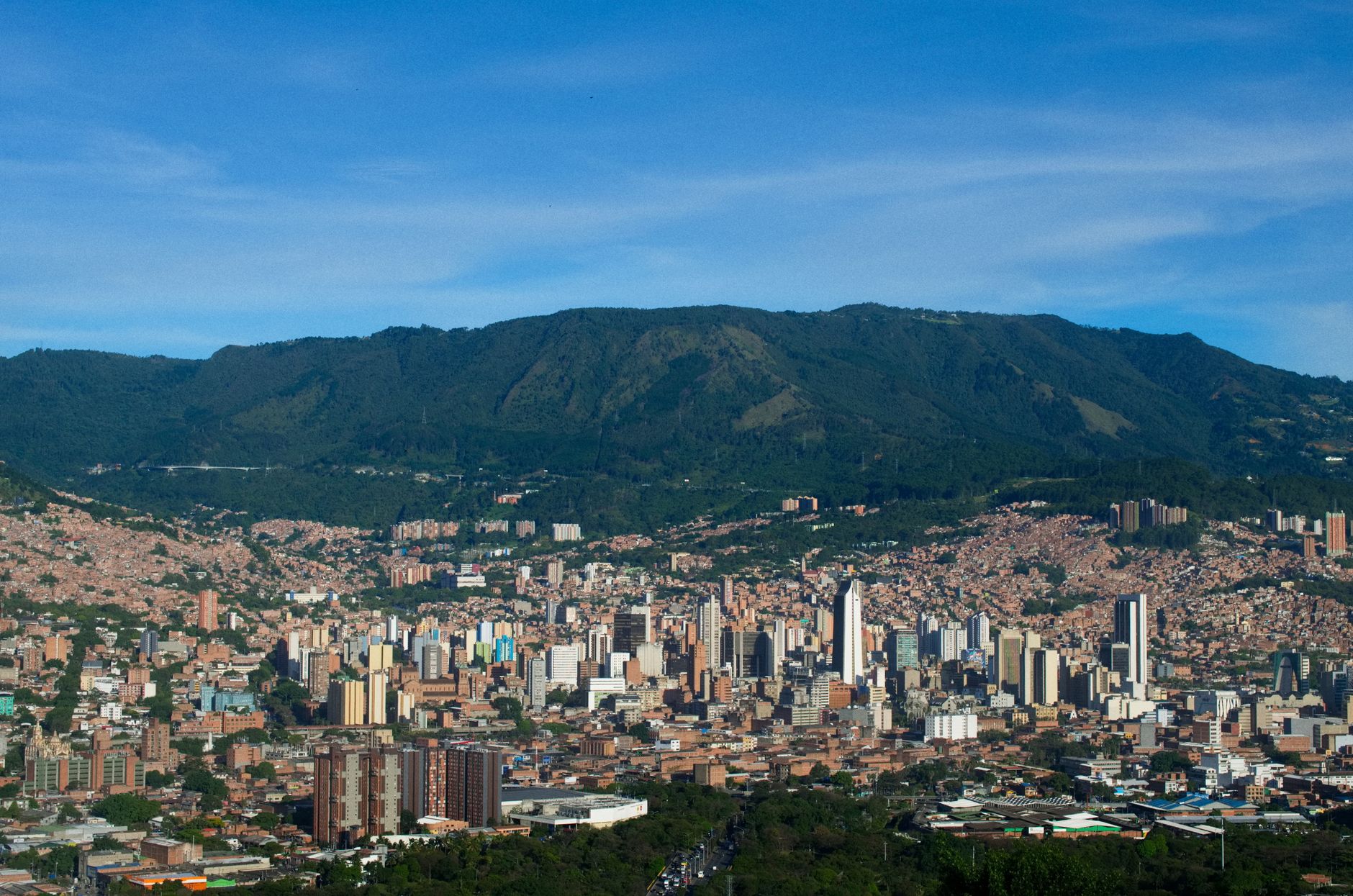
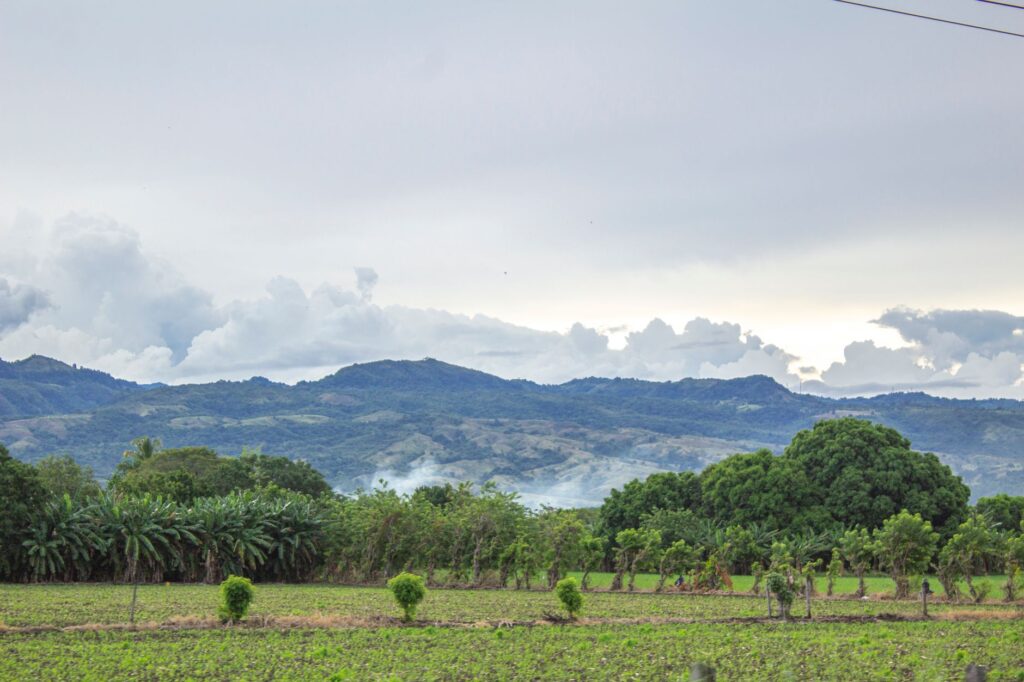
Ibagué spreads across a plateau at roughly 1,100 meters above sea level, flanked by the branches of the Central Cordillera and brushed by air descending from the Nevado del Tolima. That geography is no mere backdrop: it shapes the climate, the crops, the rhythms of daily life and even the timbre of the instruments made in the region. The city is both a gateway to southern Colombia and a refuge for traditions that found room to take root here.
The historic center preserves an orthogonal street grid that still makes it easy to navigate. Republican-era buildings, long-established shops and pedestrian activity that intensifies in the late afternoon coexist there. Walking without hurry is the best way to sense how the city manages its past: it does not turn it into a museum but folds it into everyday life.
Ibagué’s identity does not reside in a single monument but in the sum of repeated gestures: tuning an instrument, kneading a piece of clay, greeting a neighbor.
The conservatory and the city that listens
Few Colombian cities have as close a relationship with music as Ibagué. The Conservatorio del Tolima, founded in the early 20th century, has been the starting point for generations of performers, composers and teachers. Its presence has seeped into entire neighborhoods: it is not unusual to hear scales drifting through open windows or to spot young people with instrument cases waiting for a bus on any corner.

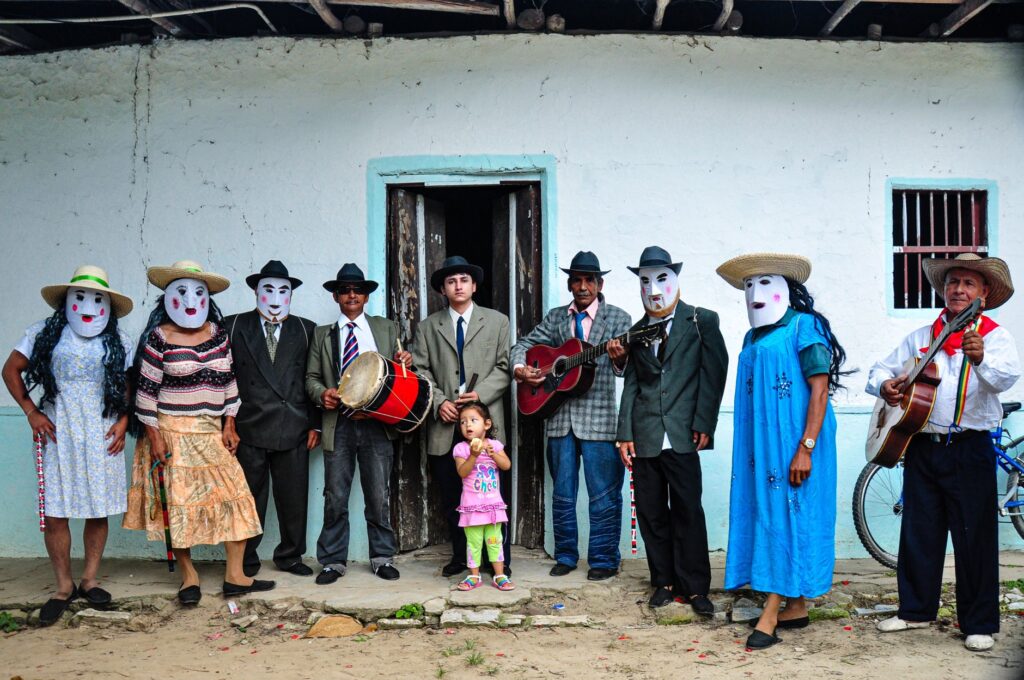
That tradition is not limited to classical music. The city is also home to bambucos, pasillos and rajaleñas, genres cultivated at informal gatherings, family parties and local peñas. The Festival Folclórico Colombiano, held annually, is the most visible expression of that attachment, but it would be a mistake to reduce Ibagué’s musical life to its event calendar. Here, music is a daily practice, a form of socializing and, in many cases, a trade.
For visitors, the advice is simple: ask about open rehearsals, attend student recitals and follow the cultural programming announced on local boards and networks. The city rewards those who listen carefully.
Workshops that resist the passage of time
Beyond music, Ibagué harbors a discreet but significant craft scene. In neighborhoods such as Belén or around the city center, small workshops keep alive trades ranging from cabinetmaking and leatherwork to utilitarian ceramics and the making of stringed instruments. Many of these spaces are family businesses that have survived economic shifts and competition from mass-produced goods.
What distinguishes these workshops is not the scale of their output but the relationship they establish with material and time. A luthier adjusting the top of a guitar, a ceramicist correcting the thickness of a bowl or a cabinetmaker selecting the grain of a piece of wood all work with a logic that allows no shortcuts. That deliberate slowness is perhaps the main draw for a traveler interested in design and material culture.
- Stringed instruments: workshops where guitars, tiples and bandolas are repaired and built.
- Ceramics and pottery: utilitarian and decorative pieces that revive traditional techniques.
- Cabinetmaking and furniture: wooden pieces with artisanal finishes adapted to the local climate.
- Leatherwork: bags, belts and wallets made with regional leather.
The market as a barometer of local life
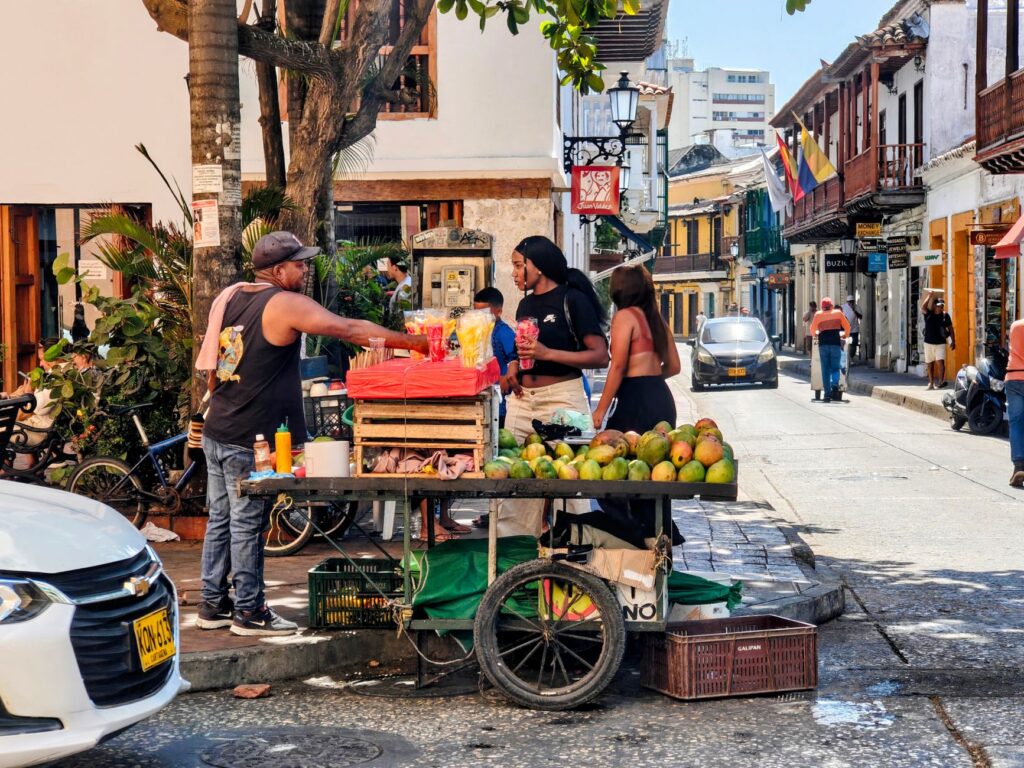
If there is one place where Ibagué’s identity becomes tangible, it is its market. The Plaza de Mercado, with its ceaseless activity, works as a privileged observatory of daily life. Produce arrives there from nearby villages and from municipalities across Tolima: fruits, vegetables, cheeses, arepas and preparations that are part of traditional cooking.
Walking its aisles reveals the relationship between the city and its rural surroundings, as well as the importance of family farming in the regional economy. This is not a space designed for tourism, and precisely for that reason it offers an honest reading of what the city is and consumes. Travelers who approach it with respect will find conversations, flavors and textures that rarely appear in conventional guidebooks.
Republican architecture and spaces for gathering
Central Ibagué preserves a set of buildings that trace its urban development from the late 19th to the mid-20th century. Houses with interior courtyards, facades with wooden balconies and institutional buildings with sober lines form a landscape that, while not monumental, has coherence and character.
Some of these properties have been rehabilitated as cultural venues, cafés or commercial spaces, while others await interventions that respect their heritage value. The tension between conservation and development is a recurring topic in local conversations and reflects a broader debate about the kind of city people want to build.
For visitors, the recommendation is to walk the founding perimeter on foot and pay attention to details: grilles, eaves, gates and courtyards that reveal a way of living adapted to the climate and to local customs.
Ibagué does not compete for the traveler’s attention with grand gestures. Its proposal is different: to offer time, craft and a human scale that invites you to stay.
Landscape, coffee and mountain roads
The city is surrounded by a landscape that is an essential part of its identity. Coffee farms, sugarcane fields and the cloud forests of the Central Cordillera form an environment that has shaped the economic and social history of Tolima. A short distance from the urban core are villages and rural districts where it is possible to learn about coffee farms and the processing of the bean.
These visits, when arranged with local operators and responsible tourism criteria, provide insight into the coffee value chain and the work of the families who produce it. This is not a fast-consumption experience but an immersion in a cycle that requires patience and knowledge.
The region’s climate, with moderate temperatures and frequent rains, also favors the existence of nature reserves and trails appreciated by ecotourism enthusiasts. The recommendation is to check access conditions in advance and hire local guides.
Design, memory and the visitor’s choices
In Ibagué, design does not present itself as an autonomous discipline but as a practice embedded in daily life. The objects produced in its workshops — instruments, furniture, ceramics, textiles — respond to concrete needs and to an aesthetic that values functionality and durability. That conception of design as craft connects with a tradition that privileges know-how over novelty.
For travelers interested in culture and design, this implies an invitation to buy differently: to prioritize locally made pieces, ask about their origin and recognize the working time they contain. Every purchase is, in a sense, a decision about what kind of city and what kind of economy one wants to sustain.
The experience of Ibagué becomes more meaningful when approached as an exercise in attention: listening, observing, asking questions and respecting local rhythms. There is no single route, but there is an attitude that turns a visit into learning.
Practical guide
Before traveling, it is worth considering a few aspects that will make the stay easier and allow for a more respectful approach to the city and its surroundings.
- Getting there: Ibagué has an airport and road connections from Bogotá and other cities in the coffee region. Travel time by land varies with road conditions.
- When to go: the climate is mild year-round, with rainy seasons. Cultural programming intensifies in certain months, so it is useful to check the local calendar before planning a trip.
- Where to stay: the historic center and nearby neighborhoods offer lodging options that allow you to explore the main points of interest on foot.
- What to visit: the Conservatorio del Tolima, the Plaza de Mercado, the historic center, craft workshops and cultural venues that program concerts and exhibitions.
- Responsible shopping: buy pieces directly from workshops or local fairs, ask about materials and avoid products that imitate traditional crafts without respecting their origin.
- Cultural respect: ask permission before photographing people or workspaces, and value music and crafts as living heritage, not as spectacle.
- Natural surroundings: if planning visits to coffee farms or trails, do so with local operators and follow safety and conservation guidelines.
Ibagué is not a city that gives itself up immediately. It requires time, curiosity and a willingness to listen. In return, it offers a rare experience: the chance to know a community that sustains its identity through daily practices, crafts passed from hand to hand and a relationship with the landscape that remains, despite everything, profoundly vital.