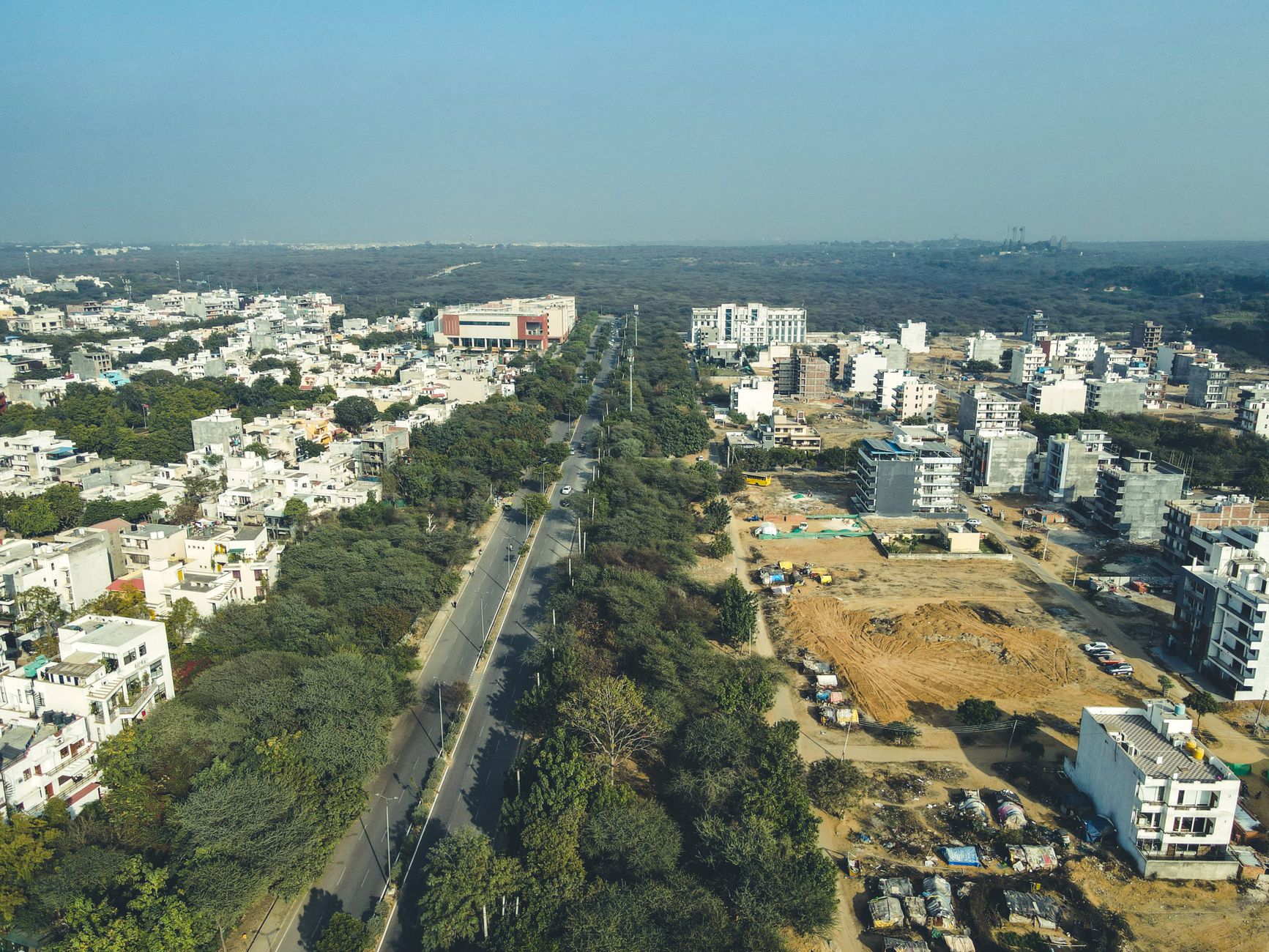

Faridabad rarely appears in India’s travel brochures. Some thirty kilometres south of Delhi, in the state of Haryana, this city of more than a million people has been built through factories, highways and internal migration. Travellers crossing it by train or car on the way to Agra or Jaipur see little more than industrial sheds, residential towers and neighbourhood markets. Yet beneath that functional surface lies a longer, more fragile story: that of a farming territory turned manufacturing engine, now trying to reconcile itself with its own heritage.
This report looks at Faridabad without idealising it or reducing it to statistics. It sets out to understand how an ordinary Indian city negotiates its identity every day between industrial progress, the memory of villages absorbed by urban growth and the daily lives of those who live there. It is written for readers who are willing to look at a place that does not perform for visitors, and to accept that some of its most interesting questions have no tidy answers.
A city that grew to the rhythm of its factories
Modern Faridabad is usually dated to the second half of the twentieth century, when the state encouraged manufacturing industries along the corridor linking Delhi with southern Haryana. Tractor plants, automotive components, light machinery and consumer goods settled in a territory that had until then been mainly agricultural. The result was a city of contrasts: workers’ colonies beside fields still under cultivation, industrial estates a few metres from old temples, and a population that arrived from Uttar Pradesh, Bihar, Bengal and southern India in search of work.

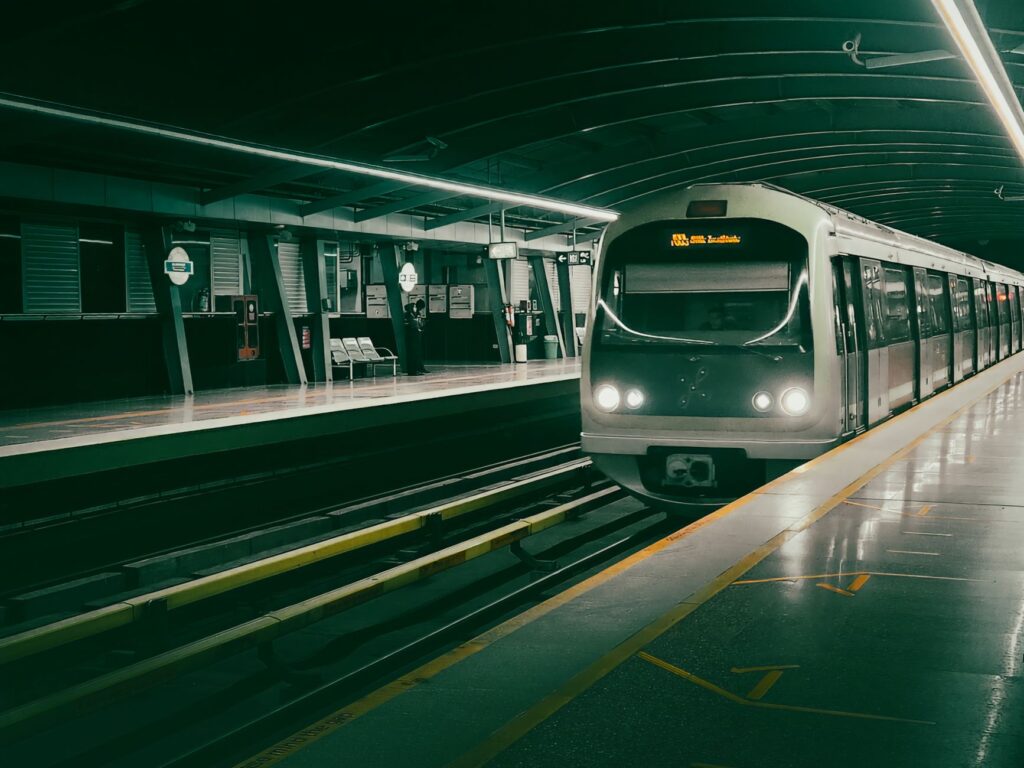
That growth was not harmonious. Faridabad expanded in sectors, with planned residential areas next to informal settlements, and a transport network that for decades prioritised private vehicles and freight trucks. The arrival of the Delhi Metro in the city, in the second decade of the twenty-first century, was a notable change for those commuting to the capital, but it also exposed the inequalities between well-connected neighbourhoods and peripheries still dependent on buses or shared cars.
The industrial character of Faridabad is not a backdrop to its life; it is the organising principle of its days. Shift changes, freight schedules and the movement of workers shape the rhythm of streets, bus stops and tea stalls. Understanding this helps the visitor read the city correctly: what looks like noise or disorder is often a working system, tuned to production rather than to leisure.
The heritage that survives among industrial sheds
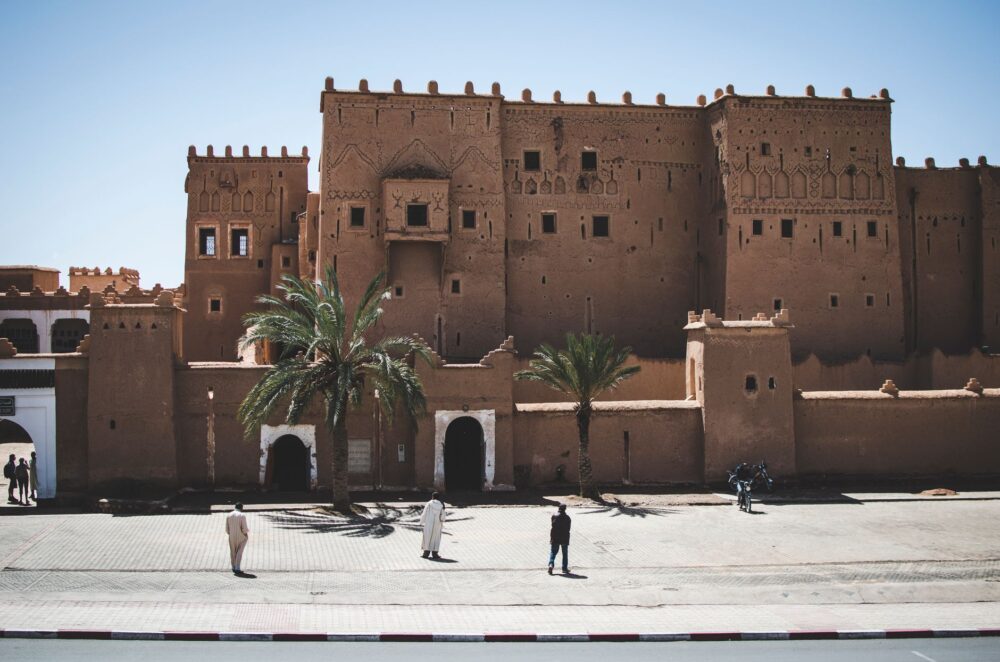
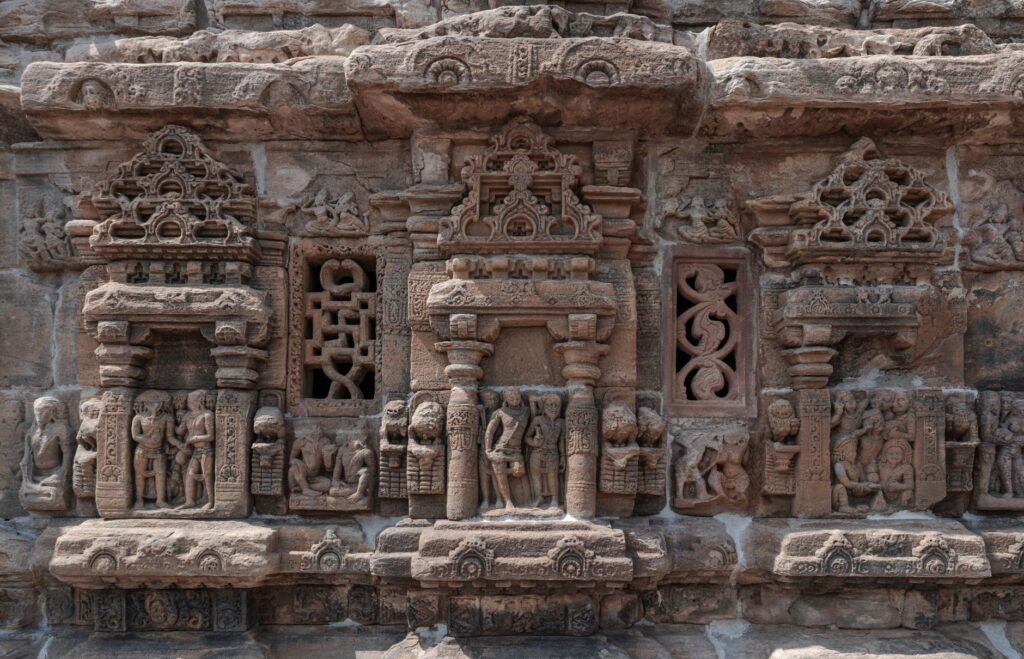
Speaking of heritage in Faridabad requires precision. This is not a monumental ensemble comparable to Delhi or Agra, but a sum of scattered traces: archaeological remains linked to ancient settlements in the Haryana region, temples from different periods, havelis in former rural cores and farming landscapes that resist urban pressure. The city is part of a region, the Yamuna basin and the Delhi surroundings, with a long history of human occupation, and some of its neighbourhoods preserve place names that recall villages predating industrial expansion.
For visitors, this means Faridabad is not toured like an open-air museum, but as a territory in transformation. Neighbourhood temples, grain markets and irrigation canals tell a less spectacular but more honest story: that of a city that has grown fast and has not yet decided which part of its past it wants to keep.
In Faridabad, heritage is not contemplated from a podium: it is crossed by bus, bought in the market and discussed at the factory gate.
This dispersed heritage also raises a practical question for anyone interested in conservation: how do you protect traces that are not enclosed in a single site? In Faridabad, preservation depends less on fences and tickets than on the daily decisions of residents, local associations and municipal authorities who must balance memory with the urgent demands of housing, water and employment.
Daily life in the neighbourhood markets
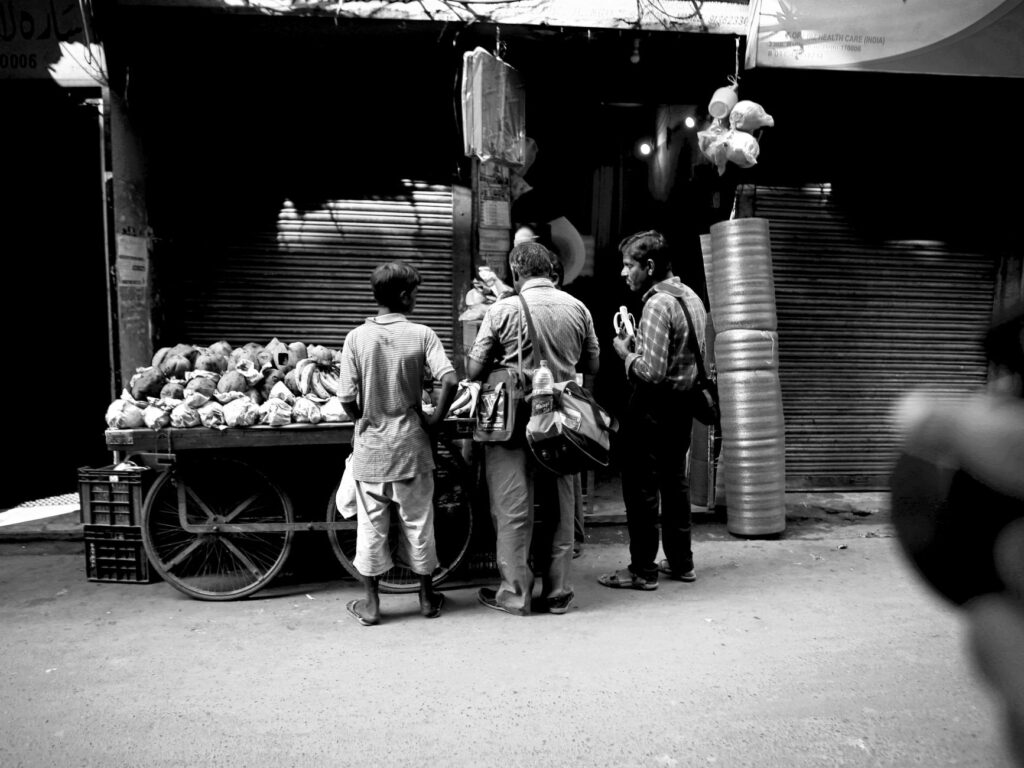
The real pulse of Faridabad is in its markets. In sectors such as NIT, Old Faridabad or the markets around the metro stations, the day begins early with vegetable stalls, fruit shops, fabric stores and small workshops. Local cooking reflects the mix of communities: parathas, chole bhature, chaat, but also dishes brought by migrants from other regions. Visitors who want to understand the city should spend time walking these markets, observing opening hours, respecting traders’ rhythms and avoiding the hottest part of the day.
Daily life also revolves around industrial work. Factory shifts shape public transport schedules, the opening of canteens and the activity of nurseries and schools. This is a city that works, and that condition defines its character more than any monument.
For a traveller, the markets are also the easiest place to practise a respectful form of curiosity. Asking before taking photographs, buying small quantities rather than treating stalls as scenery, and accepting that not every conversation needs to become a story are simple ways to move through a working city without turning it into a backdrop.
Water, climate and responsible choices
Faridabad sits in a semi-arid region, with very hot summers and rainfall concentrated in the monsoon. Water is a central issue: the Yamuna river and irrigation canals have sustained farming, but urban and industrial pressure has created pollution and waste-management problems the city still confronts. For travellers, this translates into concrete recommendations: avoid wasting water, prefer public or shared transport where possible, and choose accommodation and businesses that apply verifiable environmental practices.
Tourism in Faridabad is not mass tourism, and that is an advantage. It means visitors’ choices have a more direct and visible impact on the community. Spending in local businesses, hiring guides from the area and respecting religious and residential spaces are simple ways to travel thoughtfully.
What to see and how to get around
Faridabad does not compete with northern India’s major destinations, but it offers a useful base for exploring the region. The city has rail and metro links to Delhi, and a road network connecting it with Agra, Mathura and Delhi’s international airport. Points of interest include local temples and green spaces, as well as Badkhal Lake, historically associated with weekend leisure, although its condition depends on the season and conservation policies.
To get around, the metro is the most predictable option for arriving from Delhi. Within the city, local buses, auto-rickshaws and ride-hailing apps cover most journeys, though times vary with traffic. It is advisable to plan trips outside peak hours and to carry water.
Because Faridabad is a working city rather than a tourist circuit, it rewards a slower approach. A single neighbourhood explored on foot, with time for a market and a temple, usually leaves a clearer impression than a rushed list of stops. Visitors should also check opening conditions of green spaces and lakes locally, since these can change with the season.
An identity under construction
What is most interesting about Faridabad is perhaps its condition as unfinished work. It is not a colonial city with a recognisable historic centre, nor a global metropolis with a clear tourism brand. It is a territory that has grown by accumulation and now faces difficult questions: how to manage water, how to reduce pollution, how to integrate a diverse population and how to decide which part of its past deserves to be preserved.

For visitors willing to look beyond the usual circuits, Faridabad offers an uncommon lesson: that of an ordinary Indian city negotiating every day between development and memory, with no easy answers and no poses for tourists.
Practical guide
- Getting there: Faridabad is connected to Delhi by train and by the metro line that reaches the city. It is also accessible by road from Delhi’s international airport.
- When to travel: the winter months, from November to February, are the most pleasant. Summers are very hot and the monsoon can affect travel.
- What to bring: light, modest clothing, sun protection, a reusable water bottle and comfortable shoes for walking through markets and neighbourhoods.
- Where to stay: there are business hotels and mid-range accommodation, especially in the sectors best connected by metro.
- Local respect: ask permission before photographing people or religious spaces, and avoid visiting residential neighbourhoods as if they were attractions.
- Budget: Faridabad is cheaper than Delhi for accommodation and food, though prices vary by area and season.
- Health and comfort: carry water, plan around the heat and allow extra time for journeys during peak traffic.
Faridabad makes no promises of spectacle. It offers, instead, an honest look at the India that works, migrates and transforms. For those who travel with curiosity and without haste, that is reward enough.