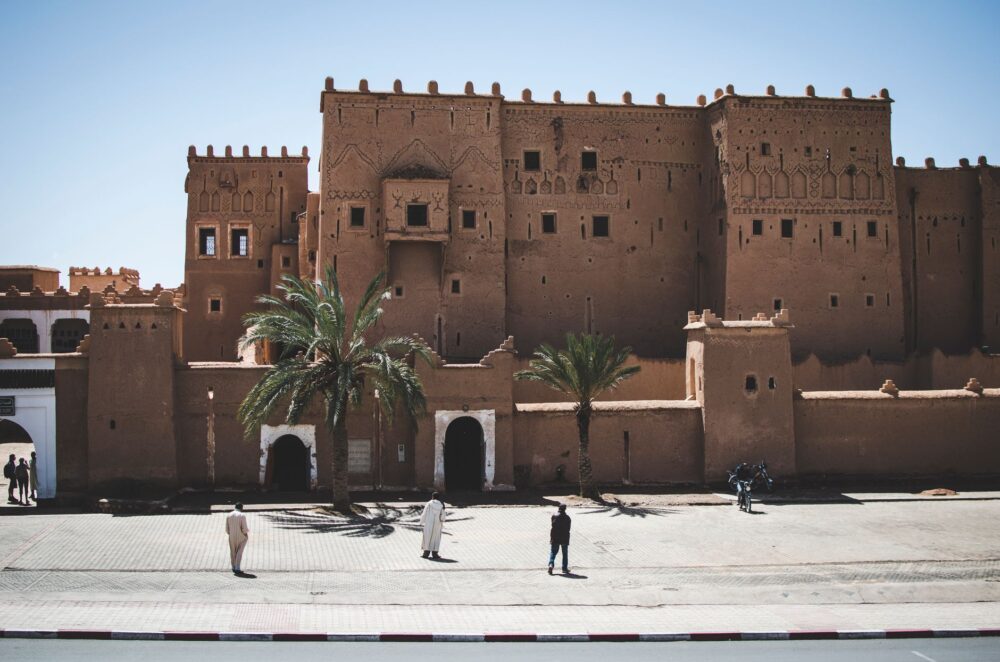
In northeastern Morocco, about fifteen kilometres from the Mediterranean Sea and with the silhouette of the Beni Snassen massif as a backdrop, the city of Berkane has built its daily life around a network of roads, railways and an airfield that connects it with the rest of the country and with Europe. With a population of around 120,000, according to available geographic data, this capital of the province of the same name, in the Eastern region, works as a discreet but essential node for those travelling between the interior and the coast.
Berkane Airport is not a major international hub, but its presence shapes the way locals plan their journeys, receive visitors and maintain ties with relatives who have emigrated. This report explores how air infrastructure, terminal architecture and the passenger experience intertwine with the landscape, history and daily life of a Moroccan city that looks towards the Mediterranean without turning its back on the mountains.
An airfield at the gateway to the Eastern Rif
Berkane lies on the coastal plain that stretches between the sea and the foothills of the Rif, in Morocco’s Eastern region. Its airport, located on the outskirts of the city, mainly operates domestic flights and some seasonal international links, making it a discreet but functional gateway to an area known for its citrus fruit and agriculture.
The location is no accident. The city sits close to the Algerian border and within reasonable distance of cities such as Oujda, Nador and Saidia, giving it a role as a territorial link. For many residents, the airport represents the difference between a journey of several hours by road and a short trip to Casablanca, Tangier or Europe.
Berkane’s air infrastructure does not compete with Morocco’s major airports: it serves a function of proximity, bringing the territory closer to national and international networks without forcing long road journeys.
The terminal building: functionality and climate
The terminal building at Berkane Airport follows an architectural principle widespread in the region: protection from heat and optimisation of passenger flows. Its design, with simple lines and a contained scale, prioritises clear routes and natural ventilation, with spaces that avoid the sense of crowding typical of large airports.
The check-in hall, security checks and boarding area follow one another in a compact sequence that reduces waiting times and makes orientation easy. Light-coloured materials and the presence of shade and light roofs help maintain a pleasant temperature during the hottest months, when the thermometer can easily exceed 35 degrees.
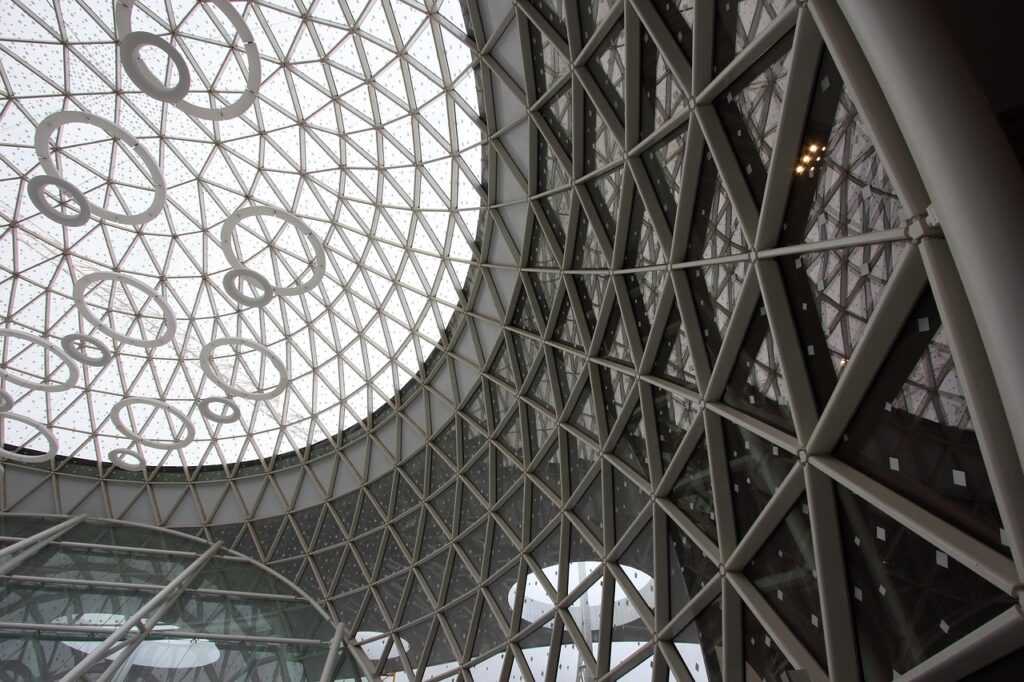
This austere yet efficient architecture reflects a way of understanding air transport as a public service rather than a showcase. Passengers arriving in Berkane find a building that does not seek to impress but to function: clear signage, limited staff and a scale that allows it to be crossed on foot in a few minutes.
The passenger experience: from counter to runway
For those travelling from or to Berkane, the experience begins long before reaching the airport. Most passengers arrive by taxi, private car or hired transport services, as the airfield has no integrated train station. The journey from the city centre is short and passes through orange groves and small agri-food industries.
Once in the terminal, the process is swift. Check-in counters open with the usual advance notice and security checks, sized to the passenger volume, rarely generate long queues. The boarding area, with sufficient seating and views of the runway, allows passengers to watch aircraft movements and anticipate departure.
Available services are basic: a café, restrooms, information points and limited internet connection. There are no large retail areas or VIP lounges, reinforcing the feel of a proximity airport, designed to resolve the journey without unnecessary distractions.
Connecting Morocco’s East with the rest of the country
The flight network operating in Berkane is mainly structured around domestic connections, with links to airports such as Casablanca Mohammed V, which serves as the country’s main hub. From there, passengers can continue to international destinations in Europe, Africa and the Americas.
This configuration makes Berkane Airport a piece of a broader chain. For residents of the province, the ability to check in at Berkane and connect in Casablanca simplifies journeys that would otherwise require long hours on the road to the economic capital or to Oujda-Angad Airport.
The connection with the rest of Morocco is not limited to the air. The national road crossing the region and the relative proximity to the railway line linking Oujda with other northern cities form a transport ecosystem where each mode plays a specific role.

In Berkane, the plane does not replace the train or the road: it complements them. The key is knowing which mode suits each journey and planning ahead, especially in high season.
The bond with the territory: orange groves, mountains and diaspora
The relationship between the airport and its surroundings is not only logistical. Berkane is known in Morocco for its citrus production, especially oranges and clementines, which are exported to Europe and other markets. The airfield, although not a significant cargo airport, forms part of the local imagination as a symbol of openness and connection with the outside world.
The Beni Snassen mountain, near the city, offers a landscape of forests, caves and viewpoints that attracts visitors from the region. Many arrive on domestic flights and combine their stay with hiking routes, visits to springs and tasting local gastronomy, based on olives, olive oil and garden produce.
Another fundamental link is human. A significant part of Berkane’s population has relatives who have emigrated to Europe, mainly in France, Belgium, the Netherlands and Spain. Seasonal flights and connections via Casablanca facilitate reunions, especially in summer and during religious holidays.
What to see and do in Berkane beyond the airport
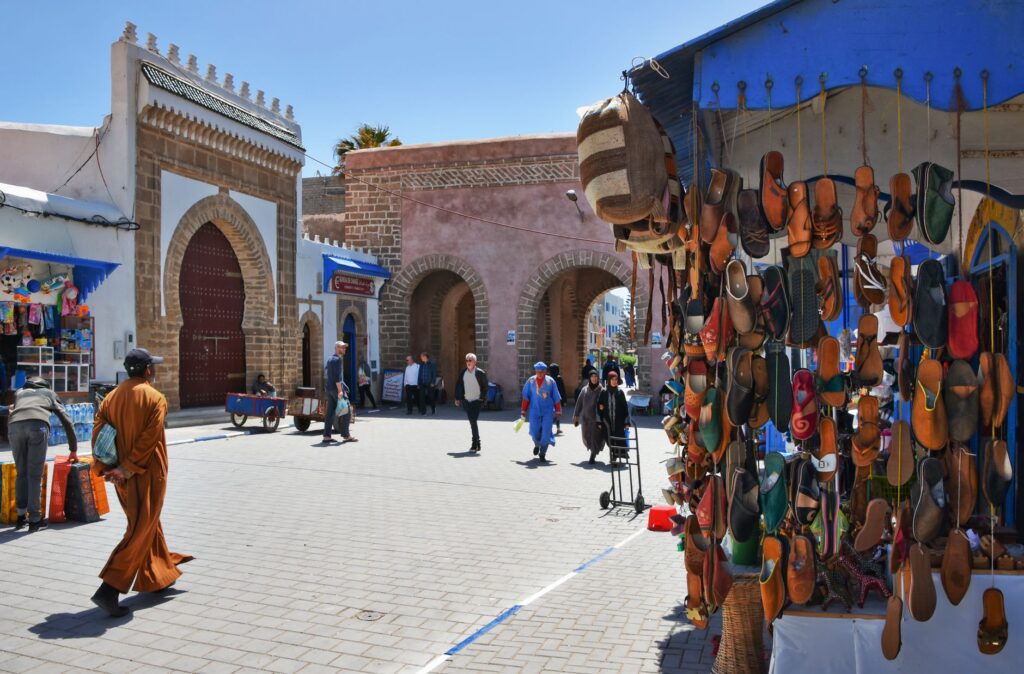
The city of Berkane, although not a mass tourism destination, offers several attractions for those who decide to stay a few days. The central market, with its offering of fruit, spices and crafts, allows visitors to approach the daily life of the region. Urban gardens and parks, such as the municipal park, are spaces of shade and rest during the hot months.
In the surroundings, the Mohammed V dam and the landscapes of the Beni Snassen invite half-day excursions. The Mediterranean coast, with towns such as Saidia and its long beach, is a short drive away, allowing city, mountain and sea to be combined in a single trip.
Local gastronomy deserves a separate mention. Dishes such as lamb tagine with prunes, harira and almond and honey sweets reflect a cuisine of Andalusian and Berber tradition, with Mediterranean influences. Souks and small inns offer an authentic culinary experience, far from the more touristy circuits.
Planning the trip: seasons, access and recommendations
The best time to visit Berkane and use its airport is spring and autumn, when temperatures are mild and rainfall scarce. Summer can be very hot, with highs exceeding 35 degrees, while winter, although mild, records cool nights.
To reach the airport from central Berkane, taxi is the most common option. A private transfer can also be arranged in advance. There is no direct rail connection to the airfield, so those arriving by train to Oujda must continue by road.
It is advisable to confirm schedules and frequencies with the airline or relevant operator, as the offering may vary by season. It is also worth carrying cash for small expenses, although most establishments accept cards.
Practical guide
- Documentation: For domestic flights in Morocco, a national identity document or passport is sufficient. For international flights, current visa and entry rules apply according to nationality.
- Transport to the airport: The journey from central Berkane is short. It is recommended to book a taxi or private transfer in advance, especially during peak hours or early morning.
- Luggage: Permitted dimensions and weight depend on the airline. It is advisable to check conditions before travelling, as the airport does not have extensive storage services.
- Terminal services: Café, restrooms, information and limited connection. There are no large shops or premium rest areas.
- Accessibility: The building is mostly single-storey, making movement easier for people with reduced mobility. It is advisable to request assistance from the airline in advance.
- Currency and payments: The local currency is the Moroccan dirham. Although cards are accepted in many establishments, it is useful to carry cash for small shops and taxis.
- Language: Arabic and Tamazight are the local languages; French is widely used in administrative and tourism contexts. Spanish and English are less frequent, although present in the hotel sector.
A closing between orange groves and runways
At dusk, when golden light falls on the orange groves surrounding Berkane, the airport recovers its most human scale. The last flights of the day take off for Casablanca or a European city, carrying workers, students and families who keep alive the connection between this Moroccan city and the rest of the world.
It is not an airport of million-strong figures or spectacular architecture. It is a place where infrastructure is measured by its usefulness, where the journey begins with a short taxi ride and ends with an on-time arrival. In that everyday gesture, Berkane confirms that connectivity does not always need big headlines: sometimes a runway, a simple terminal and the certainty that, on the other side, someone is waiting are enough.