
There is a way of traveling that has nothing to do with accumulating miles or collecting stamps in a passport. It is a way of being in the world that begins when we accept that not everything is made for us, that there are landscapes, people, and silences that do not belong to us and that, precisely for that reason, deserve our full attention. At Atlas Lume we believe that true travel is an exercise in looking, not conquering. And that gaze, when it is honest, transforms both the observer and the observed.
Looking without appropriating
The first lesson of the attentive traveler is humility. We arrive in a place with our questions, our customs, and our schedules, but the territory has its own rhythm. Looking without appropriating means resisting the temptation to translate everything into our own categories, to search for the familiar in the strange in order to make it feel harmless. It means accepting that there are codes we will not fully understand and that this is okay. Deep attention does not demand total comprehension; it demands presence.
When we walk down an old street, when we listen to a conversation in a language we do not master, when we taste a dish whose recipe we do not know, we are invited to an exercise in patience. It is not about deciphering, but about inhabiting. The gaze that does not possess becomes sharper, more generous, more capable of detecting what would otherwise go unnoticed: the kind gesture, the protecting shadow, the scent that evokes a memory that is not ours but brushes against us.
Hospitality as a mirror
Hospitality is not only a virtue of those who receive; it is also a disposition of those who arrive. Being a guest is an art that requires delicacy. It is not about invading, but about accompanying; not about demanding, but about thanking. In many territories, hospitality is offered without fuss, as a natural fact, and it often teaches us more about ourselves than about the place we visit. It shows us our haste, our rigidity, our difficulty in accepting what we do not control.
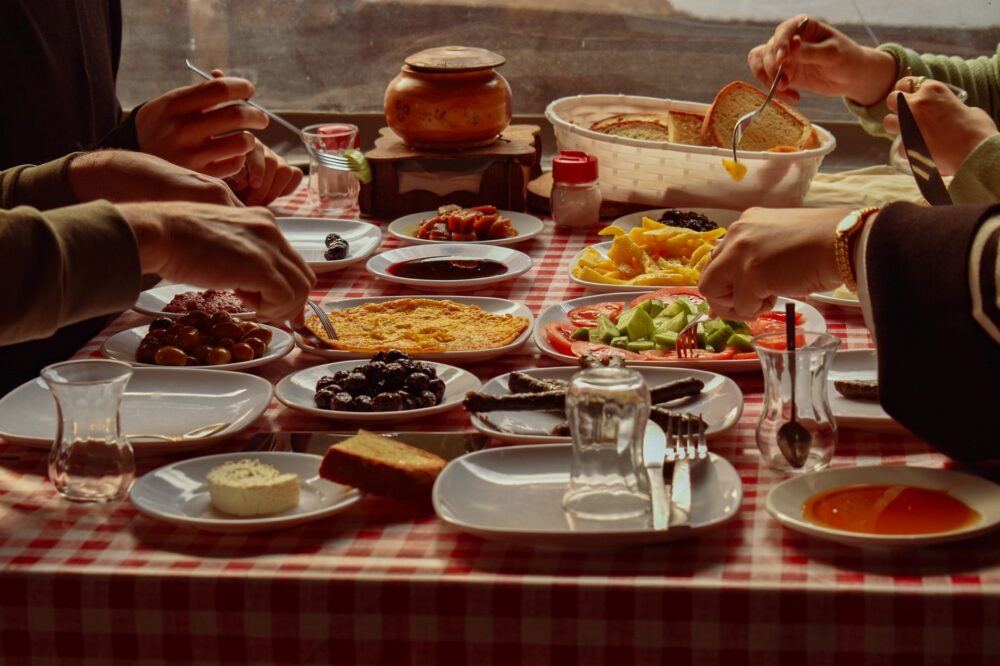
True hospitality does not seek to please the visitor, but to share what one has. Sometimes it is a simple dish, a brief conversation, a precise direction. Other times it is simply leaving space for the other to be. That way of receiving challenges us: how do we receive? How do we treat those who come to our home, our city, our life? Travel, when done with attention, returns that question to us again and again.
The memory of the road
Traveling is also a form of conservation. I do not mean preserving monuments or photographing every corner, but keeping in memory what the road has given us. That memory is not nostalgic; it is active. It helps us recognize patterns, value what is fragile, understand that many landscapes and trades are at risk. The memory of the road makes us more responsible because it links us. We can no longer speak of certain places as if they were abstract: they have a face, a voice, a history.
That memory is cultivated with attention. It is not about remembering data, but about preserving impressions: the light of an afternoon, the sound of water, the texture of a stone, the taste of a ripe fruit. They are fragments that do not serve to show off, but to understand. And understanding is the first step to caring.
The responsibility of looking
Looking is an act with consequences. Our gaze can be curious or predatory, respectful or invasive. In a world where everything is shared and displayed, the traveler’s responsibility is greater than ever. It is not enough to not leave trash; we must avoid leaving a trace of arrogance. Attention then becomes a form of ethics: looking without judging, without comparing, without reducing the world to a showcase.
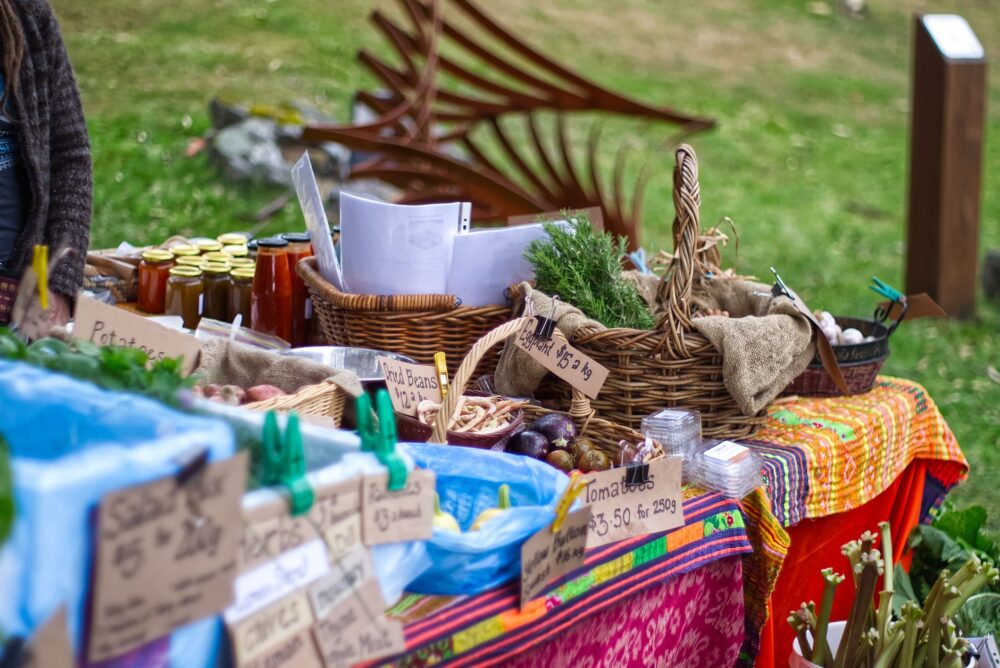
That ethic is not limited to distant destinations. It also applies to the neighborhood, the square, the market of our own city. Traveling is a school of looking that we should practice at home. Sustained attention makes us more human because it forces us to recognize the dignity of what does not belong to us. And that dignity, once seen, cannot be forgotten.
Travel as gratitude
In the end, every well-lived journey ends in gratitude. Not for what we have achieved, but for what we have been allowed to see. Gratitude is the highest form of attention: it is the recognition that we have received something we did not deserve by right, but by the world’s generosity. That gratitude is not expressed with grand gestures, but with an attitude: caring for what has been seen, speaking of it with respect, returning with fewer certainties and more questions.
In a time that pushes us toward speed and accumulation, we reclaim the slowness of the gaze. Not to idealize the past, but to inhabit the present more intensely. Traveling this way is not an escape; it is a form of rootedness in the common. It reminds us that the world is not a resource, but a shared home, and that each of us is, at once, guest and host.
«Attention is the purest form of hospitality: receiving what the world offers without demanding that it resemble us.»
May our next journeys not be measured by what we bring back, but by what we learn to look at. May attention be our lightest and most valuable luggage. And may we, upon returning, recognize in the everyday the same dignity we admire in the distant.