
Biên Hòa does not appear on Vietnam’s postcards. It lacks the silhouette of Ha Long, the glow of Hội An, the relentless rhythm of Ho Chi Minh City. Yet on the banks of the Đồng Nai River, this capital of Đồng Nai Province sustains an identity of its own: that of a city that works, produces and, at the same time, preserves corners of an older memory. For travelers who venture across the bridge from the southern metropolis, Biên Hòa offers a lesson in urban humility: here, heritage is not behind glass but in the way people use space, the river and the workshops.
The city spreads over a low plain, about six meters above sea level, and its population exceeds one million. That figure, far from being a cold record, explains its character: it is a place of transit, of internal migration, of factories that draw labor from across the delta. But it is also a city with roots. Founded in the 17th century as a trading post, Biên Hòa witnessed the Vietnamese expansion southward and, later, the war. Today, its urban fabric mixes temples, markets, pottery workshops and a nightlife that comes alive on the sidewalks.
A city understood from the river
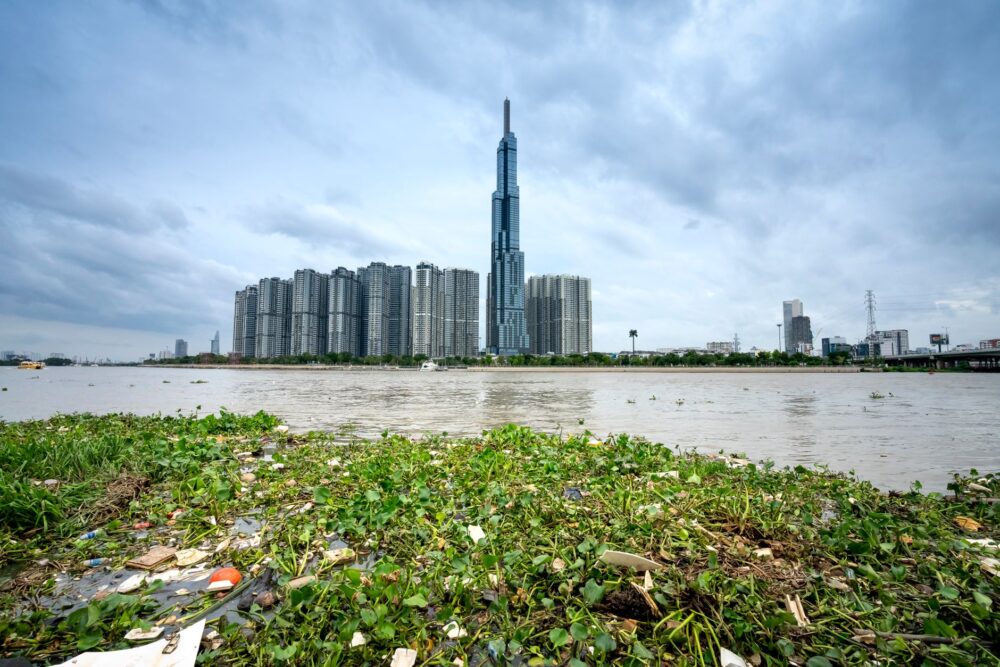
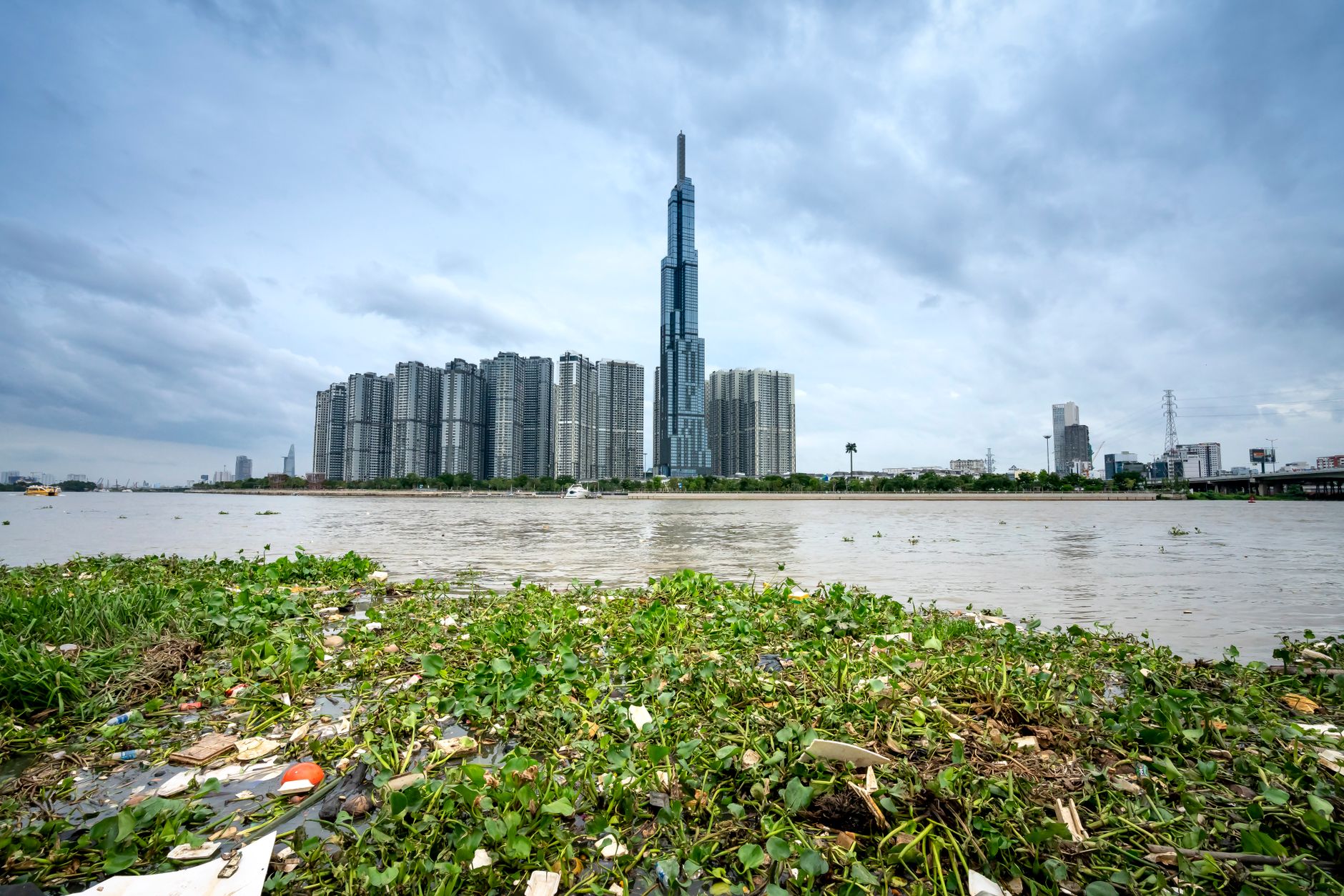
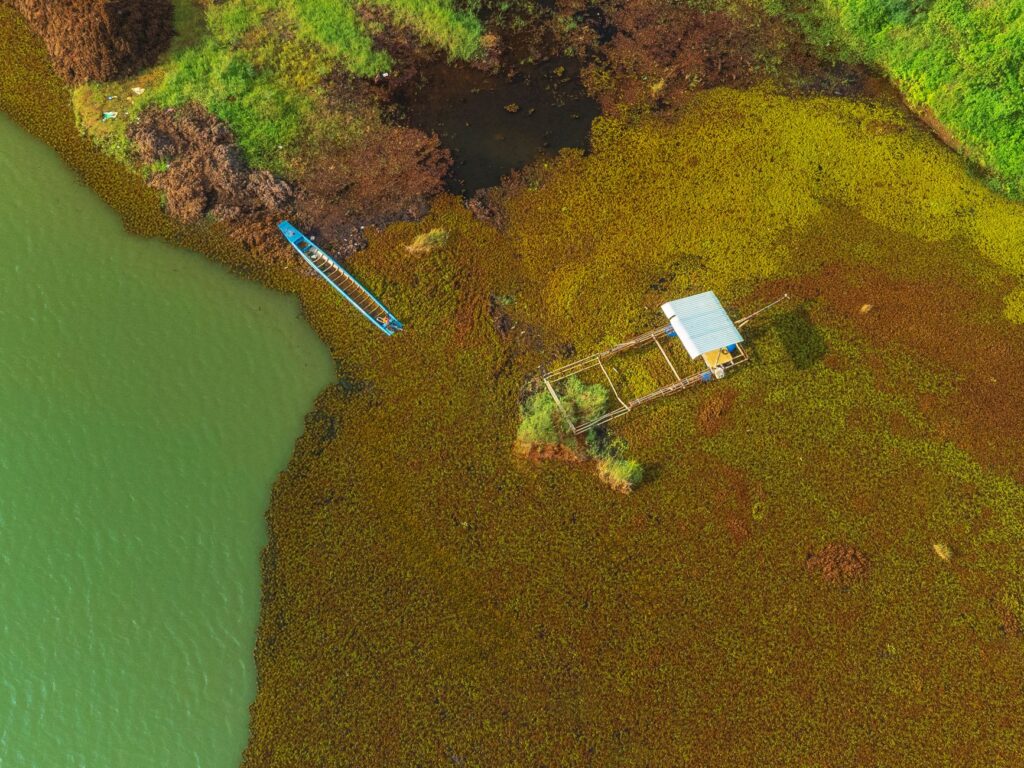
The Đồng Nai River is not a backdrop. It is the artery that has defined Biên Hòa’s history. For centuries, its waters served for transporting goods, trading ceramics and supplying the region. Today, although the railway and highway have taken prominence, the river remains a place of work: fishermen, barges and small docks maintain a discreet but constant activity.
Walking along the riverside promenade, especially at sunset, reveals that double life. On one side, administrative buildings and new hotels; on the other, wooden houses and workshops that lean toward the water. The river is the best guide to understanding Biên Hòa: follow its course and you reach the historic neighborhoods, the floating markets that still hold on and the bridges that connect the city to its past.
Biên Hòa is not to be visited in a hurry. It is a city revealed in details: the aroma of coffee in the morning, the sound of machines in the workshops, the shade of trees on wide streets.
The pottery neighborhood that survives concrete
One of Biên Hòa’s best-kept secrets is its ceramic tradition. In the Tân Vạn neighborhood, on the riverbank, kilns have been firing for centuries. Biên Hòa ceramics are known throughout Vietnam for their earth tones, glossy glazes and utilitarian shapes: vases, cups, roof tiles. During the 20th century, the area became an industrial hub, but today many family workshops struggle to survive against mass production.
Walking these streets is a sensory experience. Clay dries in the sun in open courtyards; artisans shape by hand or with electric wheels; wood-fired kilns, though less frequent, are still lit in some homes. Ceramics are not just a souvenir for tourists: they are a source of employment and a symbol of local identity. Some workshops offer visits and direct sales, a way to support the family economy without intermediaries.
Markets, temples and life on the sidewalk
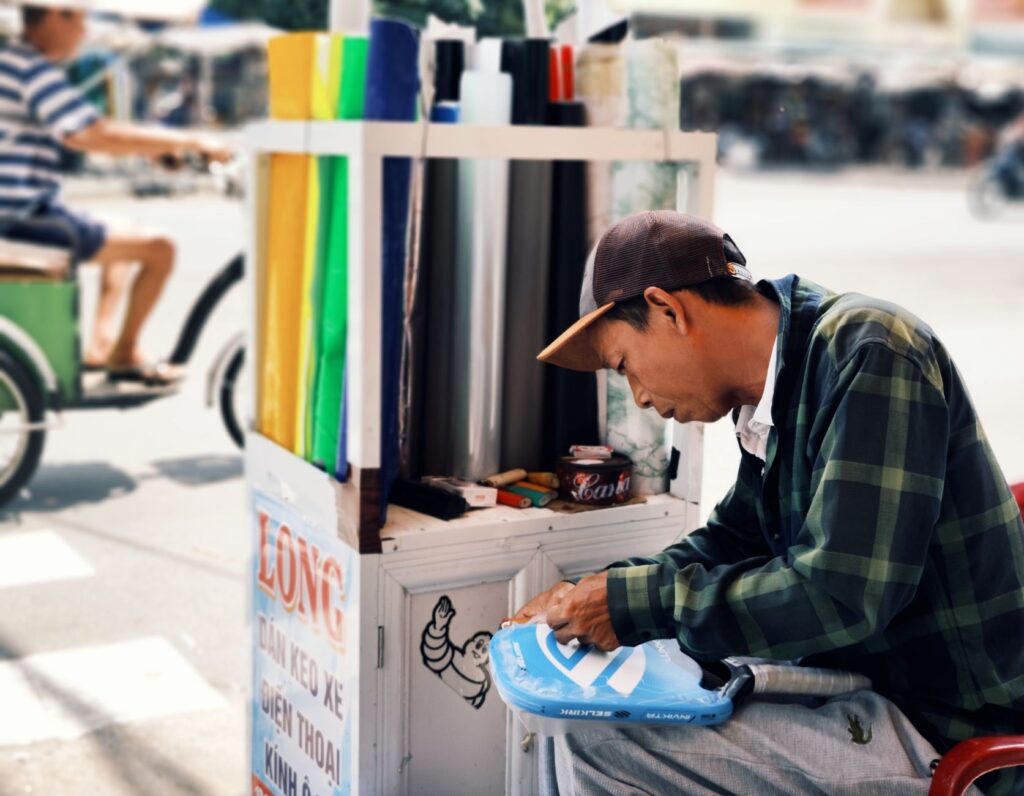
The central market of Biên Hòa, known as Chợ Biên Hòa, is a good starting point for any visitor. It occupies a full block and is organized by aisles: vegetables, fresh fish, meat, clothing, utensils. Early in the morning, the bustle is constant; vendors offer tropical fruits, aromatic herbs and prepared foods. It is a place to observe, taste and understand the rhythms of the city.
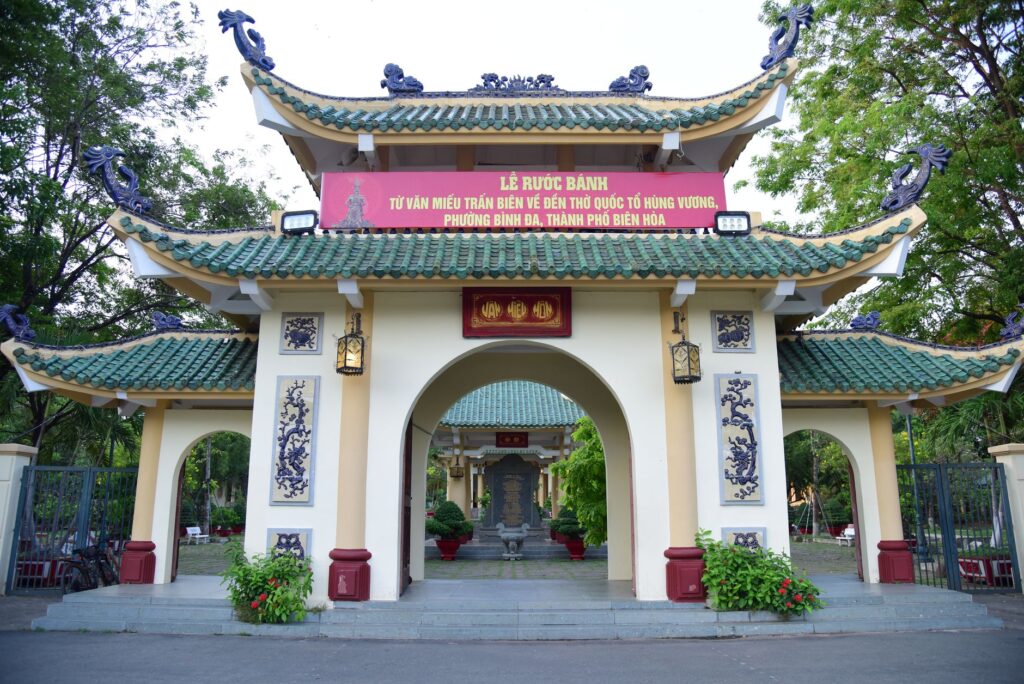
A few minutes’ walk away, Bửu Long Temple or Long Thiền Pagoda offer a contrast of calm. The religious architecture of Biên Hòa combines Vietnamese, Chinese and Khmer influences, with curved roofs, carved columns and shaded courtyards. In these spaces, daily life pauses: the faithful pray, monks sweep, visitors may enter with respect and without haste.
Industrial heritage: factories that tell another story
Biên Hòa was one of the first industrialized cities in southern Vietnam. In the late 19th and early 20th centuries, ceramics, textile and paper factories were established here. Some of those buildings still stand, though many have been transformed or abandoned. The old Tân Vạn ceramics factory, for example, retains its brick kilns and wooden sheds, a testimony of industrial archaeology that few visitors know.
This is not monumental heritage but a working landscape. Chimneys, warehouses and river docks speak of an era when the city was an economic engine. For travelers interested in social history, exploring these remains offers a different perspective on Vietnam, far from the usual tourist circuits.
Neighborhood gastronomy: flavors that don’t seek applause
Food in Biên Hòa is honest and direct. Street stalls serve phở, bánh mì, cơm tấm and other classics, but there are also local specialties. Bánh xèo, a crispy crepe filled with pork, shrimp and bean sprouts, is prepared in large pans and eaten with fresh herbs. Bún riêu, a crab soup with tomato and tofu, is another frequent dish in the markets.

To taste these flavors, simply sit on a plastic stool and order. Prices are modest and the service is familiar. The best food in Biên Hòa is not in white-tablecloth restaurants but on the sidewalks, where the smoke of grills and the aroma of condensed milk coffee set the pace of the day.
Surroundings: nature and memory within easy reach
Biên Hòa is an excellent base for exploring Đồng Nai Province. About 30 kilometers away is Cát Tiên National Park, a tropical forest reserve with remarkable biodiversity. Also nearby is Trị An Lake, an artificial reservoir offering boat rides and viewpoints. For those who prefer history, the Óc Eo archaeological site, though farther, reveals the presence of ancient civilizations.
Closer in, the village of Tân Vạn and its pottery workshops, or the fruit gardens on Bửu Hòa Island, allow half-day excursions. Public transport is limited, but you can hire a taxi or motorbike by the hour. Cycling is also an option for the more adventurous, though traffic can be intense.
Practical guide
Getting there: Biên Hòa is about 30 kilometers east of Ho Chi Minh City. You can arrive by public bus (line 601 or similar) from Mien Dong bus station, by taxi or by motorbike. The journey takes between 45 minutes and an hour, depending on traffic. There is no airport in the city; the nearest is Tan Son Nhat in Ho Chi Minh City.
When to go: The dry season, from December to April, is the most comfortable. Temperatures range between 25 and 35 degrees Celsius. The rainy season, from May to November, brings intense but short downpours.
Where to stay: There are budget and mid-range hotels in the center, near the market. For more comfort, some resorts on the banks of the Đồng Nai River offer a pool and restaurant.
What to bring: Light clothing, sunscreen, mosquito repellent and comfortable shoes. If visiting temples, covering shoulders and knees is recommended.

Budget: Biên Hòa is cheaper than Ho Chi Minh City. A street meal costs between 1 and 2 dollars; a basic room, between 10 and 20 dollars. Taxi or motorbike transport is affordable.
Local respect: When visiting pottery workshops or temples, ask permission before photographing. Avoid touching displayed pieces without authorization. In markets, bargain politely.
A city that doesn’t ask permission to exist
Biên Hòa does not compete with Vietnam’s major destinations. It doesn’t need to. Its appeal lies in its authenticity, in the way daily life unfolds without artifice. Travelers who come here seeking something different will find a city that works, that remembers and that, in its own way, invites you to stay a little longer than planned. At the end of the day, when the sun sets over the Đồng Nai River and the workshop lights come on, Biên Hòa reveals its true nature: that of a place that does not exhibit itself but gives itself to those who look with attention.