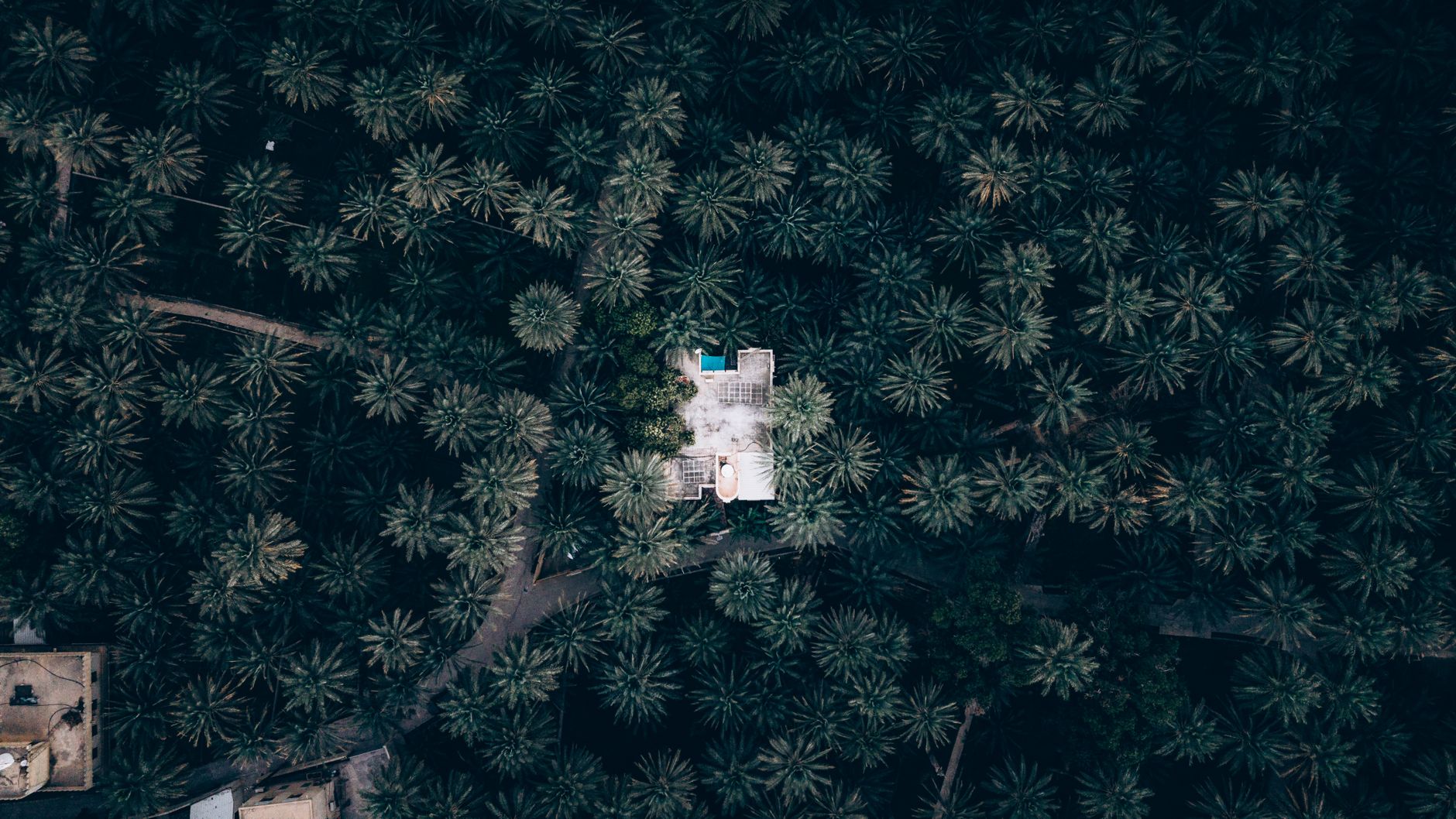

Adam is a town of some 17,000 people in the Ad Dakhiliyah Governorate of Oman. Its name, written in Arabic as أدم, designates a place where the desert is not an emptiness but a territory worked for centuries. Here, water from springs and limestone outcrops has sustained an oasis of date palms, lime trees, and seasonal crops. The town sits about 284 meters above sea level, on a stony plain that stretches toward the Hajar Mountains. The highway linking Muscat and Salalah cuts through this landscape, making Adam a mandatory stop for travelers and goods. But reducing Adam to a service station would be a mistake. The town retains a historic center with a restored fort, a traditional market, and a network of irrigation channels (falaj) that still functions. This report proposes a unhurried visit, attentive to daily life and to the traces of a past that is not exhibited as a spectacle but inhabited.
First-time visitors usually arrive by car from Muscat (about 150 kilometers) or Nizwa (about 60 kilometers). The road is good, and the journey offers views of arid mountains and small settlements. Entering Adam, the first thing that strikes you is the contrast between the surrounding aridity and the oasis’s greenery, which extends on both sides of the road. There are no large hotels or mass tourism infrastructures. Adam is, above all, a living town where people work, study, and celebrate their festivals. That does not mean there is nothing to see, but what there is requires a slower, more respectful gaze.
An Oasis in the Heart of Oman
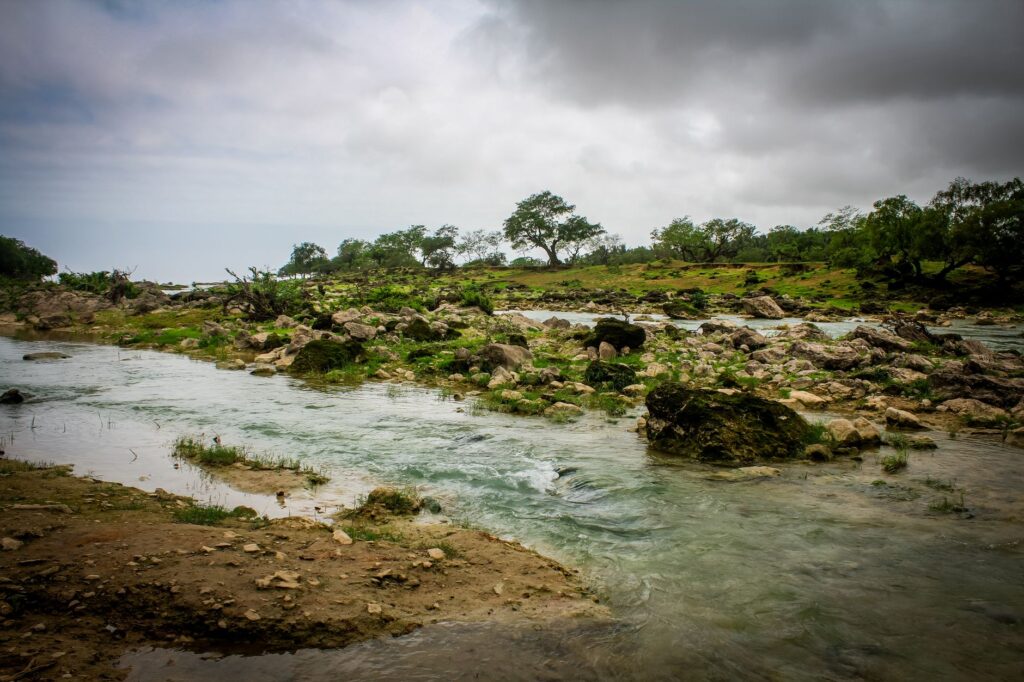
The oasis of Adam is the heart of the town. It is a traditional irrigation system that taps spring water and distributes it through channels (aflaj) among cultivated plots. Date palms are the main crop, but you also see lime trees, mangoes, and vegetables. Walking the paths that border the plantations is one of the most rewarding experiences Adam offers. There is no fixed schedule or entrance fee; you simply walk between the adobe walls that separate the plots and observe the farmers at work. Remember that these are private lands, and you must ask permission before entering any property. The best time to visit the oasis is early morning or late afternoon, when the heat is milder and the light is softer.
The aflaj system of Adam is one of many in Oman recognized by UNESCO as World Heritage. These channels are not just a feat of hydraulic engineering but a social institution: their maintenance and water distribution are managed through community agreements dating back centuries. Visitors may observe the channels but must not hinder their operation or throw objects into them. The preservation of this system depends on everyone’s cooperation.
In Adam, water is not a decorative resource: it is the thread that stitches together community, economy, and memory.
The Fort and the Memory of Defense
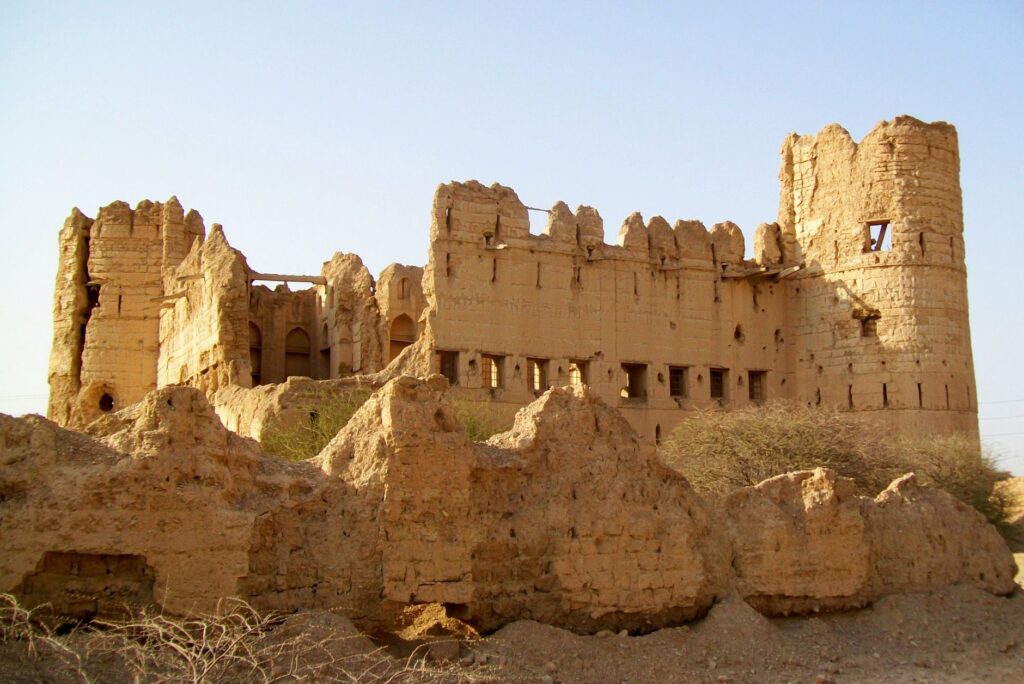
In the center of Adam stands a restored fort that dominates the plain. Its origins date to pre-Islamic times, though the current structure largely dates from the 17th and 18th centuries, when Oman was under the Yaruba dynasty. The fort was part of a network of fortifications protecting trade routes and inland settlements. Today it is a monument open to the public, though with limited hours. The visit allows you to walk its walls, towers, and rooms, and offers an excellent panorama of the town and oasis. Admission is free or symbolic, but it is best to check locally, as hours may vary. The fort is not a theme park: it is a historic building restored according to conservation criteria. Silence and respect are expected.
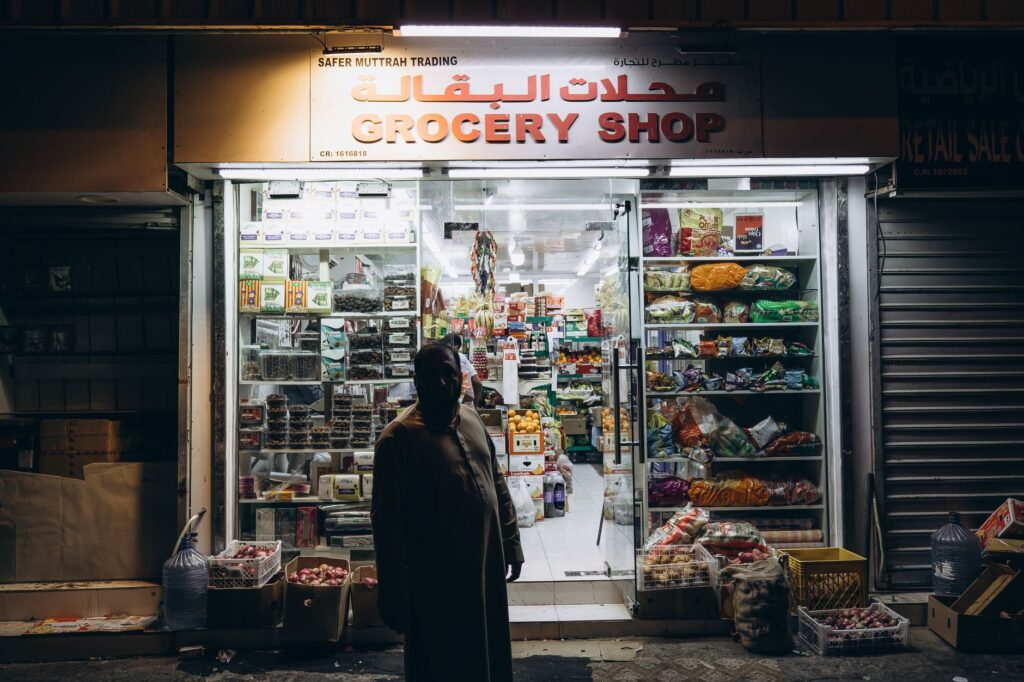
Next to the fort, the traditional market (souq) of Adam is another point of interest. It is not a tourist bazaar full of souvenirs but a market where residents buy fruit, vegetables, spices, and basic goods. The stalls of dates and limes are especially interesting. The souq opens in the morning and late afternoon, and closes during the midday hours. It is a good place to buy local products and to chat with vendors, provided you do so respectfully and without interrupting their work. Do not photograph people without their consent.
Daily Life in Adam
Adam is not a museum town. Its streets are full of life: children going to school, men heading to the mosque, women shopping. The main mosque, with its white minaret, is the spiritual center of the town. Non-Muslims may not enter, but they can admire its architecture from the outside. Respect for local norms is essential: dress modestly, keep quiet during prayer, and do not enter areas reserved for worshippers.
The cuisine of Adam is that of Oman: rice with lamb (majboos), grilled fish, dates, and cardamom coffee. There are no luxury restaurants, but there are small establishments where you can eat well and cheaply. Travelers can try halwa, a typical Omani sweet, and kahwa coffee, served with dates. Food is shared and eaten with the right hand. It is customary to accept an invitation to coffee or tea, but do not insist if it is declined.
Surroundings: Routes and Landscapes
Adam is an excellent base for exploring the Ad Dakhiliyah region. Nearby are Nizwa, with its famous fort and livestock market, and Bahla, with its oasis and UNESCO-listed fortress. You can also visit Wadi Ghul canyon, known as the Grand Canyon of Oman, and the archaeological site of Bat, with its Bronze Age tombs. All these excursions require your own or a hired vehicle, as public transport is limited. Roads are in good condition, but it is advisable to carry water, sunscreen, and a map or GPS, because mobile signal can be patchy in mountainous areas.
For travelers interested in archaeology, the Adam area contains several sites still under study. They should not be visited without authorization, as they may be protected. The best way to approach them is through local guides or the tourism offices in Nizwa.
Culture and Traditions
The culture of Adam is that of Oman: hospitable, conservative, and proud of its history. Religious festivals such as Eid al-Fitr and Eid al-Adha are celebrated with great participation. During Ramadan, meal and activity schedules change, and visitors should refrain from eating, drinking, or smoking in public during the day. Traditional dress is common: men wear the dishdasha and turban, and women the abaya and hijab. It is not mandatory for tourists to dress this way, but you should wear clothing that covers shoulders and knees, especially in public and religious places.

Traditional music and dance, such as the sword dance and drumming, are performed on special occasions. If travelers are lucky enough to coincide with a celebration, they may attend as spectators, but always keeping a respectful distance and without invading the participants’ space.
Practical Guide
To visit Adam, fly to Muscat International Airport (MCT) and rent a car. The drive to Adam takes about an hour and a half via Highway 15. You can also reach it by bus from Muscat, but schedules are limited. The best time to travel is from October to March, when temperatures are milder. In summer, the heat is extreme, and outdoor activities should be limited to early morning or late afternoon.
Accommodation in Adam is scarce. There are a few simple hotels and guesthouses, but most travelers stay in Nizwa, which offers more options. It is advisable to book in advance, especially in high season. As for food, there are small restaurants and cafes in the center, but do not expect a wide culinary offer. Always carry cash, as not all establishments accept cards.

Respect for local customs is essential. Dress modestly, greet with a soft handshake, and do not photograph people without permission. During Ramadan, avoid eating or drinking in public during the day. Do not litter and do not enter aflaj or private properties without authorization. If you visit the fort or the souq, do so calmly and without rushing.
A Closing Among Palm Trees
At sunset, when the sun sets behind the mountains and the oasis turns golden, Adam reveals its true nature: a place where time is measured by harvests and prayers, not by clocks. The traveler who stops here does not find a spectacular destination but a lesson in adaptation and community. In a world that rushes, Adam reminds us that water follows its course, the palm gives shade, and hospitality is offered without asking anything in return. That is, perhaps, the best guide to understanding Oman.