
Acapulco de Juárez is far more than a high-season destination. Set on the coast of Guerrero in southern Mexico, this port city of more than 650,000 residents has long been a symbol of Mexican tourist modernity and, at the same time, a territory where local culture speaks with a force that goes beyond hotels and seaside avenues. To look at Acapulco carefully is to discover a complex urban fabric made of historic neighborhoods, markets, workshops and viewpoints that tell a story different from the one usually found on postcards.
This report proposes a journey through the Acapulco that is lived every day: the one of artisans working wood and textiles, of architects in dialogue with the tropical climate, of cooks keeping alive a cuisine of sea and mountain. It is not about denying the difficult present the city faces, but about recognizing that its cultural identity remains a living heritage, capable of offering visitors a deep experience if approached with respect and curiosity.
A bay that orders urban life
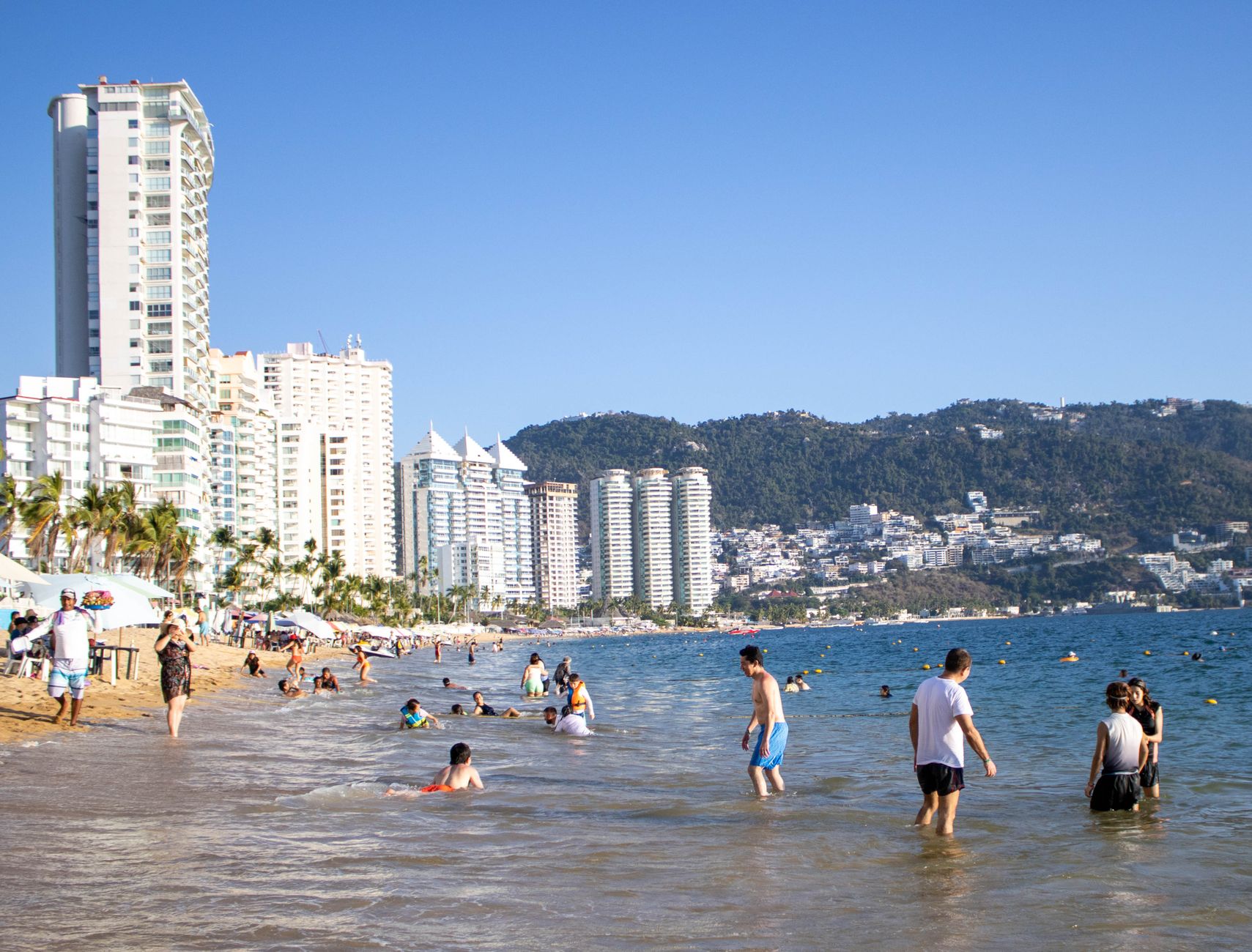
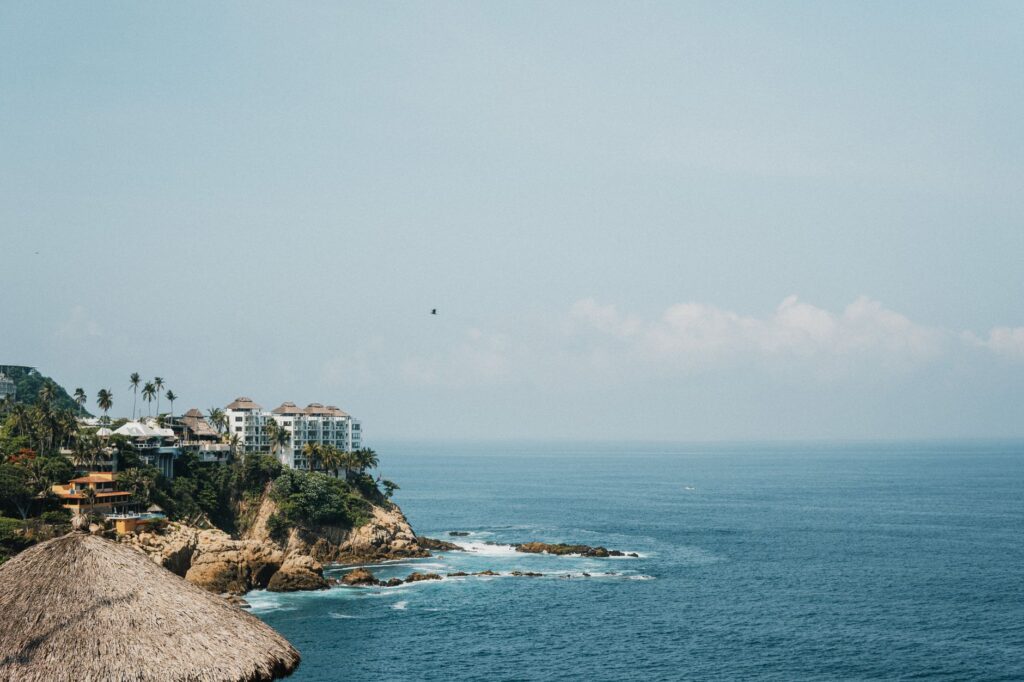
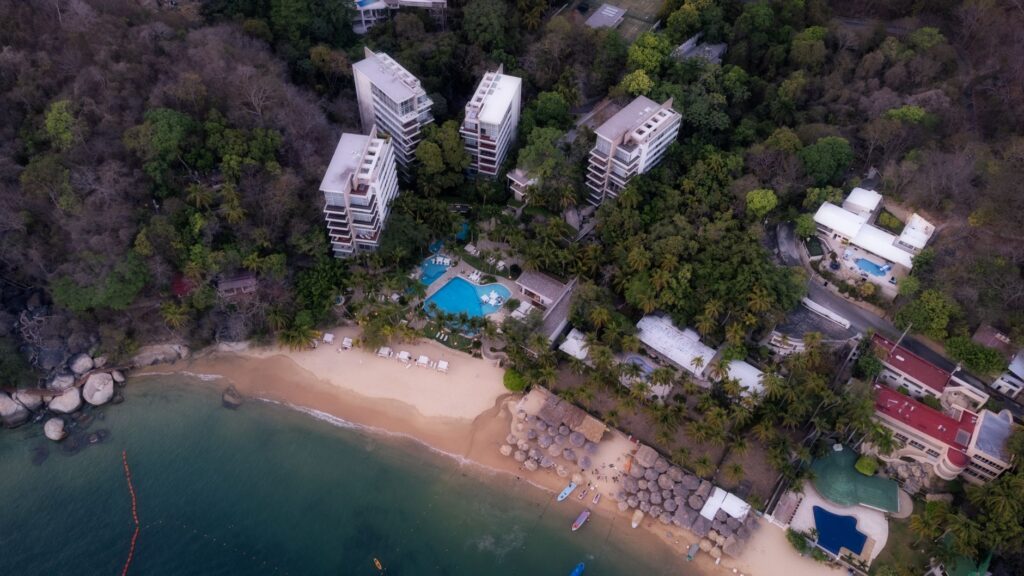
Acapulco’s geography is defined by its bay, a natural semicircle that has shaped both the city’s growth and its collective imagination. From the viewpoints on the surrounding hills, it is possible to understand how the port is organized in layers: the tourist strip of the Costera, the traditional neighborhoods climbing the hillside, and the settlements spreading toward the periphery. That steep topography explains why local urban design relies on terraces, stairways and alleys, and why the relationship with the sea is never uniform.
The waterfront, known as the Costera Miguel Alemán, works as a backbone connecting areas of very different character. Walking it without haste reveals a mix of architectures: from the large hotels of the 1950s and 1960s, now subject to various forms of conversion, to small shops and stalls that keep a human scale. That coexistence of scales is one of the most interesting features of the Acapulco landscape.
The bay is not just a scenic backdrop: it is the infrastructure that organizes work, leisure and the memory of several generations.
The port’s modern heritage
Acapulco holds a singular place in the history of twentieth-century Mexican architecture. During the middle decades of the last century, the city became a laboratory where architects and designers experimented with forms adapted to the tropics: open volumes, lattice screens, terraces and materials designed to let the breeze through. Many of those buildings are still standing, though they do not always receive the care they deserve.
Recognizing that heritage does not mean idealizing the past, but understanding that the city was a space of innovation and cultural exchange. Today, some of those buildings have been transformed into homes, offices or commercial spaces, raising questions about how to conserve without freezing, and how to integrate architectural memory into contemporary life. For visitors interested in design, tracing these remains requires an attentive eye and a willingness to read between the lines.
Fuerza Aérea and Barrio de la Fábrica: names that hold history
Beyond the coastal strip, Acapulco preserves neighborhoods whose names refer to specific episodes of its development. The Fuerza Aérea colony, for example, evokes the military presence that marked a stage of the city, while Barrio de la Fábrica alludes to former productive activities. These place names are small capsules of memory that help reconstruct an urban history rarely publicized.
Walking through these areas means accepting that not everything is signposted for tourism. Yet that very lack of staging allows daily life to be observed more clearly: corner stores, schools, improvised courts and conversations on street corners. This is an Acapulco that does not offer itself as spectacle, but sustains much of the city’s identity.
Craft and popular design: the work of hands
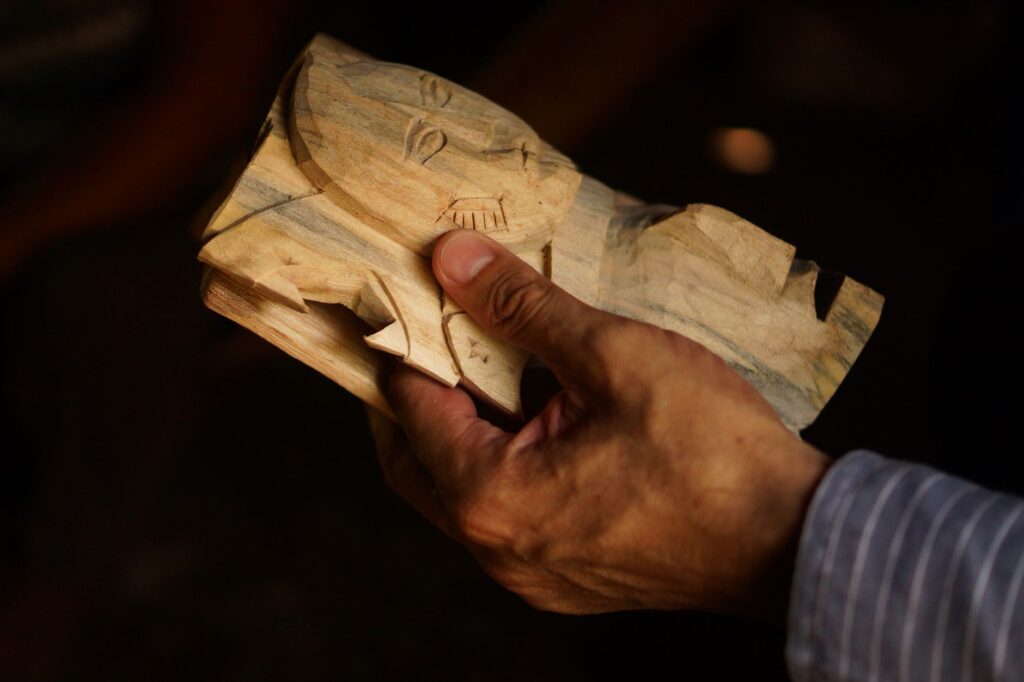
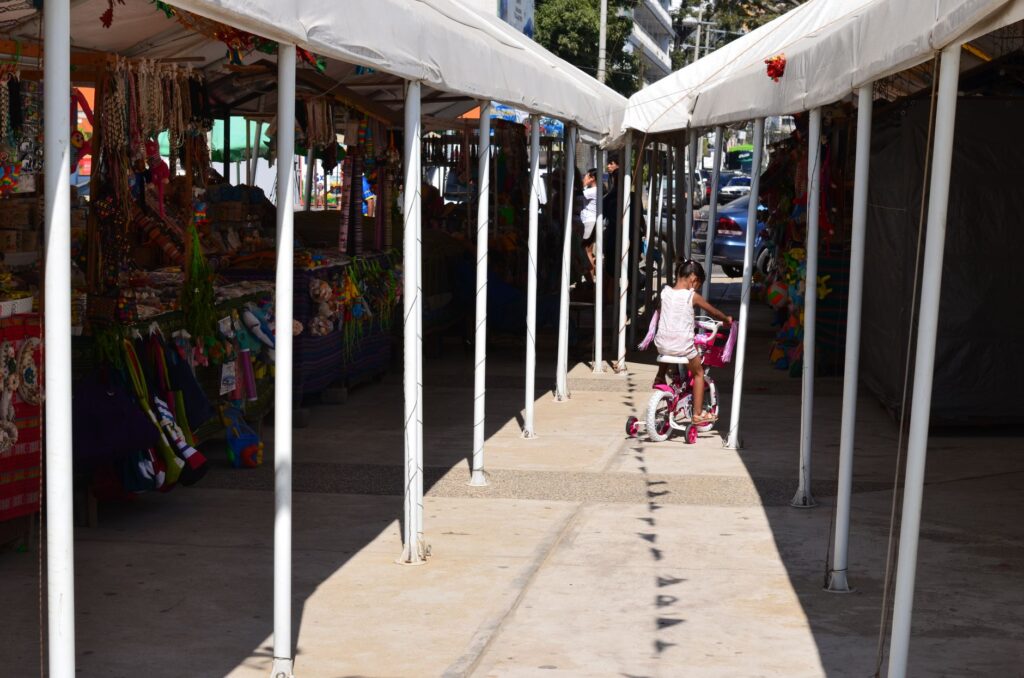
Acapulco and Guerrero craftwork is a diverse field that includes textiles, wood carvings, ceramics and work in shell and conch, among others. Many of these pieces are produced in family workshops where techniques are passed from one generation to the next, with adaptations responding both to tourist demand and to the needs of daily life.
For visitors, approaching these workshops requires a respectful attitude: asking before photographing, valuing the time invested and avoiding aggressive bargaining. Buying a piece directly from the artisan not only ensures a better relationship with the object, but also helps that knowledge continue to exist. Acapulco’s popular design is not an ornament for tourism: it is a form of economy and cultural expression.
- Look for workshops that allow you to observe the process, not just the final product.
- Ask about the origin of materials and the time required for production.
- Avoid acquiring pieces that imitate local techniques without a link to the community.
Cuisine of sea and mountain
Acapulco’s cooking combines products from the ocean with ingredients from the Guerrero sierra. Pescado a la talla, ceviches, fish tacos and stews with local herbs are part of a repertoire that changes with the season and the market. Municipal markets, such as La Diana or the Central, are good places to observe that diversity without intermediaries.
Beyond restaurants, street food offers an accessible way to understand local flavors. However, it is wise to check hygiene conditions and choose stalls with high turnover. Acapulco’s cuisine does not need grand stages: it expresses itself best in family-run fondas and in kitchens that open early to welcome port workers.
Beaches, viewpoints and a complex relationship with the sea
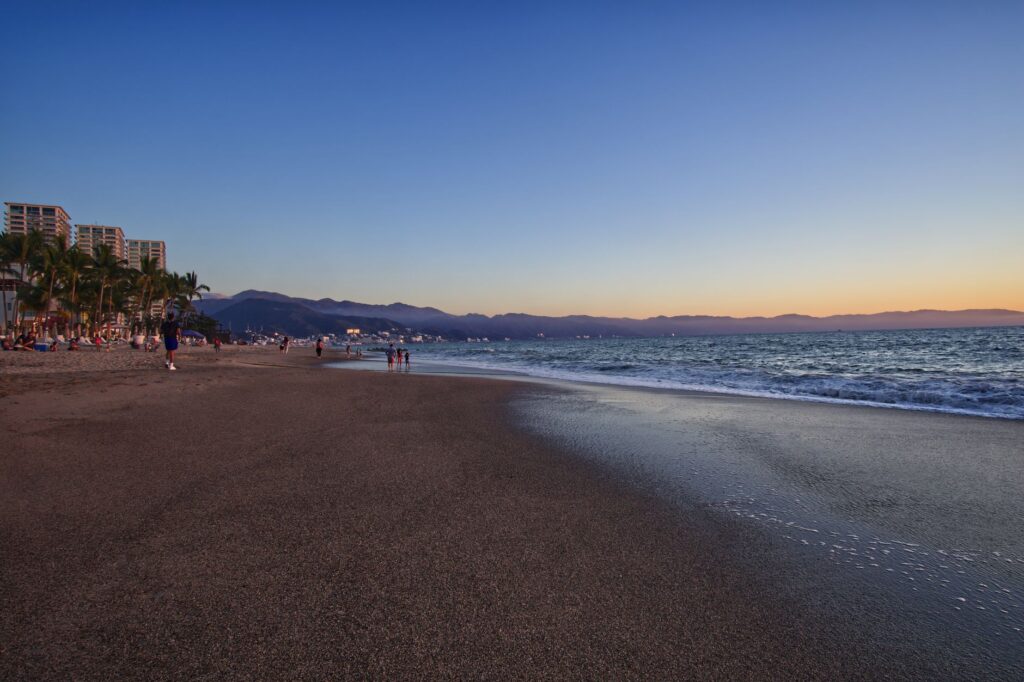
Acapulco has beaches of very different characteristics. Some, like Caleta and Caletilla, have calmer waters and a long family tradition; others, like Revolcadero or Pie de la Cuesta, present swells that demand caution. The diversity of the coast is also a warning: not all beaches are suitable for swimming at all times, and it is the visitor’s responsibility to check before entering the water.
Viewpoints, for their part, offer perspectives that help grasp the scale of the bay and the city. Some are well known and busy; others, less visited, allow for quieter contemplation. In all cases, it is wise to respect local indications and leave no waste, because the landscape we admire is also the environment where a community lives.
The best tribute to the Acapulco landscape is to treat it as an inhabited place, not as a stage set.
What responsible travel means in Acapulco
Acapulco faces social and security challenges that cannot be ignored. Checking reliable sources, choosing adequate accommodation and transport, and avoiding unreferenced areas are basic steps for any trip. But responsibility is not limited to self-protection: it also means not reproducing stereotypes, not treating the city as a mere party backdrop and not ignoring the realities of those who live there all year round.
Supporting local cultural initiatives, buying in neighborhood markets and workshops, and joining activities that directly benefit communities are concrete ways for tourism to contribute to the life of the city. Acapulco does not need an invented identity: it already has one. What it needs is to be looked at with attention and respect.
Practical guide
The best time to visit Acapulco depends on the purpose of the trip. The dry season, roughly from November to May, usually offers more stable conditions for exploring the city and the beaches. The rainy season, from June to October, brings heat and rainfall, but also greener landscapes and a less crowded city.
- Getting around: public transport and taxis cover much of the city; agree on fares before boarding or use apps when available.
- Accommodation: options range from traditional hotels in the Golden Zone to smaller places in central neighborhoods; choose according to the experience you seek.
- Safety: check official and local sources, avoid nighttime travel through unknown areas and maintain a prudent attitude.
- Heritage: respect historic spaces, do not damage buildings or graffiti, and ask before photographing people or workshops.
- Shopping: favor local workshops and markets, and value craftwork for its process, not only its price.
Acapulco de Juárez is a city that has been told many times, but rarely from the perspective of its daily life. Looking at it calmly, listening to those who inhabit it and recognizing its tangible and intangible heritage is a fairer and richer way to travel. The port is still there, with its bay and its hills, waiting for anyone willing to read it with attention.