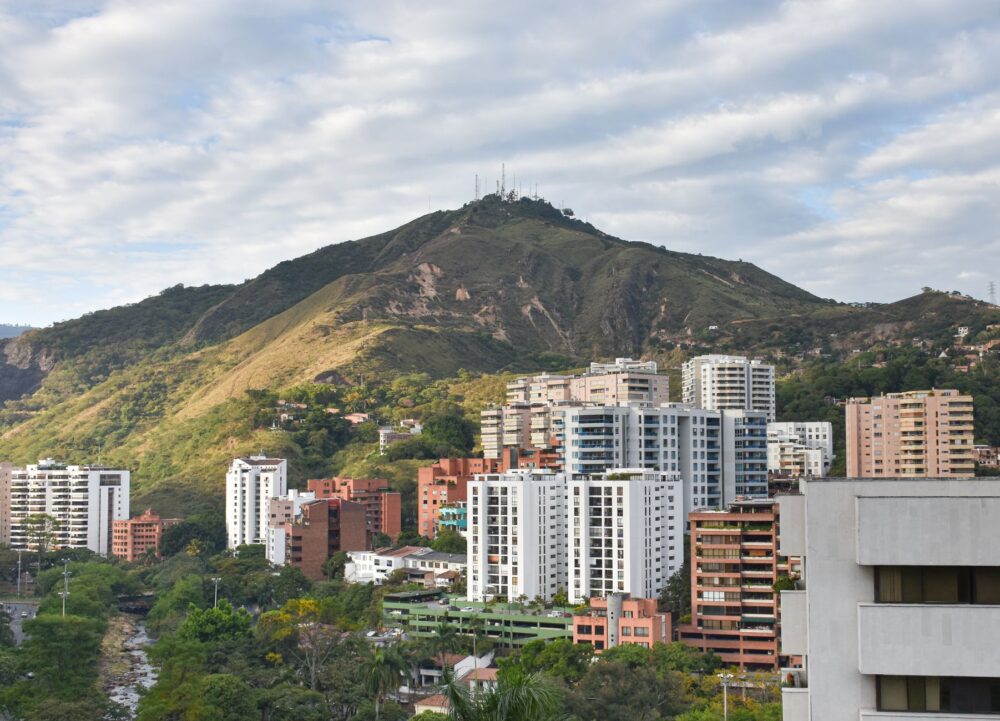
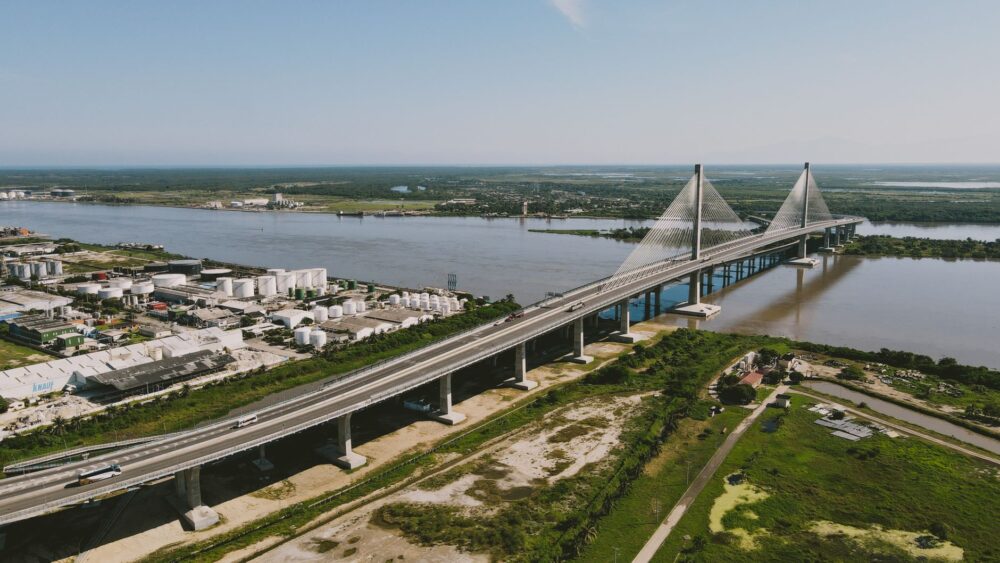
Villavicencio, capital of the department of Meta, in the heart of Colombia’s Eastern Plains, is far more than the gateway to one of the country’s largest natural regions. With a population exceeding 500,000 and an elevation of about 427 meters above sea level, the city blends commercial bustle with a cultural life nourished by llanero traditions, historical memory, and a thriving art scene. For visitors seeking to grasp the soul of this land, art and culture are not ornaments: they are the key to reading its past and present.
This report proposes a journey through the spaces where art is produced, exhibited, and discussed. From murals that have transformed facades into testimonies of the armed conflict to festivals celebrating joropo and contrapunteo, Villavicencio offers a dense and authentic cultural experience. This is not a guide to superficial attractions, but an invitation to look closely, listen to the stories told in hushed voices, and recognize the role of art in shaping a regional identity.
The Art That Tells the Story of Displacement
For decades, Villavicencio has been a receptor for populations displaced by the armed conflict that ravaged Colombia. That reality has left a deep mark on its urban landscape and artistic production. Collectives of young muralists have found in the walls of neighborhoods like La Esperanza, San Isidro, and the historic center a canvas to narrate what many keep silent. The murals are not mere decorations: they are visual documents speaking of dispossession, resilience, and hope.
A notable example is the Murales por la Memoria project, an initiative that for several years has brought together local and national artists to intervene walls with themes of peace and reconciliation. These works, some of large format, have become landmarks for self-guided tours. Walking these streets is to enter a public conversation about the recent past, a conversation that is not always comfortable but is essential to understanding contemporary Colombia.
“The mural is the voice of those who have no voice,” says a local artist who prefers to remain anonymous. “Here we paint what hurts us and what brings us joy. It is our way of healing.”
Visitors interested in this dimension of local art can begin their tour at Parque Los Fundadores, where some of these interventions converge, and continue to Calle 40, a corridor that has become an open-air gallery. It is advisable to do so calmly, preferably accompanied by local guides who can contextualize each work and avoid superficial interpretations.
Joropo, Contrapunteo, and the Music That Defines the Plains
If there is an art that identifies Villavicencio and the Eastern Plains, it is music. Joropo, with its 6/8 rhythm, its harp, maracas, and cuatro, is much more than a musical genre: it is a way of life, a way of being in the world. In Villavicencio, joropo is heard on radio stations, danced in homes, and celebrated in festivals that draw thousands.

The International Joropo Festival, held annually in mid-year, is the crowning event. For several days, the city fills with concerts, workshops, dance competitions, and contrapunteo, a sort of poetic-sung duel where two copleros improvise witty and sharp verses. The festival is not just a spectacle for tourists: it is a platform for new generations to connect with a tradition at risk of dilution in globalization.
For travelers seeking a more intimate joropo experience, there are peñas and bars in neighborhoods like El Barzal and La Grama that host live music sessions. There, among harp and maracas, one can hear veterans and young musicians share the stage. Admission is usually affordable and the atmosphere is family-friendly. It is advisable to ask about the dates of these peñas, as they are not always fixed.
Theater and Dance: Stages of an Identity in Motion
Villavicencio’s theater scene has grown steadily over the past two decades. Teatro La Vorágine, located in the city center, is the main venue and has hosted local, national, and international productions. Its programming ranges from classics to experimental works addressing themes like violence, memory, and llanero life.
Alongside theater, dance holds a central place. The Ballet Folclórico del Llano and other independent groups work to keep traditional joropo choreographies alive while exploring fusions with contemporary dance. Their performances, often in plazas and parks, bring art closer to diverse audiences and reaffirm the link between body and territory.
For those wishing to attend a show, it is recommended to check the cultural agenda of the Secretaría de Cultura del Meta or the social media of the collectives themselves. Prices vary and many activities are free. It is important to remember that theater and dance in Villavicencio are not a luxury: they are a felt need of a community that has made art a tool of resistance and celebration.
Gastronomy: The Art of Llanero Cooking
Villavicencio’s culture is also savored. Llanero gastronomy reflects life on the savanna: hearty, generous, and deeply tied to the land. Dishes like ternera a la llanera (beef slowly roasted over embers), pisillo de chigüiro (when permitted and regulated), and hayaca made of corn are part of the region’s culinary heritage.
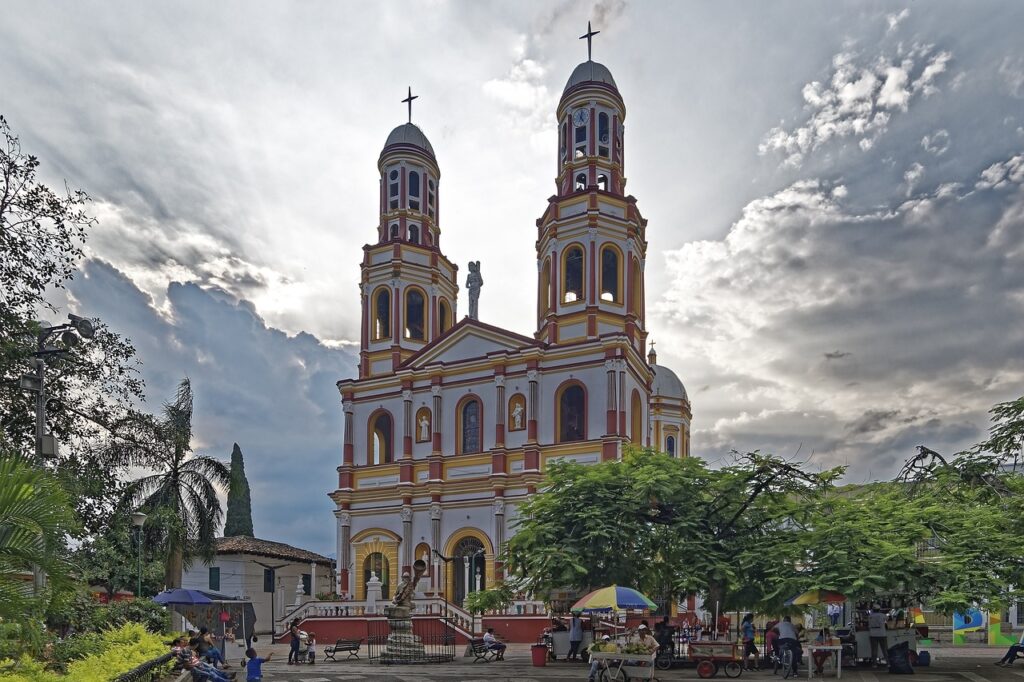
Local markets, such as the Mercado Central, are the best place to discover these flavors. There, among fruit and spice stalls, one can find arepas de maíz pelado, llanero cheese, and juices from exotic fruits like copoazú or arazá. The experience of eating at the market is also a cultural act: one shares a table with vendors and travelers, and hears stories that do not appear in conventional guides.
For a more formal meal, several restaurants in the center and neighborhoods like Caudal have elevated traditional cuisine with contemporary presentations. However, travelers should be careful not to fall into easy exoticism: llanero cooking is much more than a curiosity; it is a system of knowledge passed down from generation to generation.
Crafts: Hands That Weave Memory
The crafts of Villavicencio and its surroundings are another vehicle of identity. Weavers and artisans work moriche palm, caña flecha, and clay to create pieces ranging from hats and baskets to decorative figures. Many of these techniques come from Indigenous and peasant communities that have inhabited the region for centuries.
The Centro Artesanal del Meta, located near the main park, brings together dozens of artisans who offer their products directly to the public. Buying here is not just taking home a souvenir: it contributes to the local economy and recognizes the value of work that competes with industrial production. It is advisable to ask about the origin of each piece and avoid products that, due to their low price, could be imitations.
Additionally, workshops and itinerant fairs offer the opportunity to see artisans in action. Participating in a weaving or ceramics workshop can be an enriching experience for the whole family. These activities are usually announced on the social media of the Corporación Cultural del Meta.
Architectural Heritage: Between Memory and Modernity
Villavicencio’s historic center preserves buildings dating from the late 19th and early 20th centuries. The Catedral de Nuestra Señora del Carmen, with its neoclassical style, is one of the most recognizable landmarks. Around it, bahareque houses with clay tile roofs resist the onslaught of modernization.

However, the city’s architectural heritage faces real estate pressures and lack of maintenance. Some mansions have been demolished to make way for apartment buildings, sparking debates about the need to preserve urban memory. Visitors can contribute to valuing this heritage by choosing to stay in boutique hotels occupying restored houses and participating in historical tours organized by local guides.
A walk along Carrera 33 and Calle 37 allows one to appreciate the republican architecture still standing. It is a reminder that Villavicencio was not always the bustling city of today, but a small village that grew to the rhythm of colonization and trade.
Festivals and Events: The Cultural Calendar
In addition to the Joropo Festival, Villavicencio has a diverse cultural agenda throughout the year. The Feria Internacional del Libro de Villavicencio (FILVI) brings together writers, publishers, and readers around llanero and national literature. Holy Week has its own religious and cultural manifestations, with processions and sacred music.
In October, the Festival de la Canción Llanera summons performers from across the region. And in December, Christmas celebrations include parades, lights, and activities for the whole family. Checking the official agenda before traveling is essential to avoid missing the most relevant events.
It is important to note that many of these festivals are popular and free, making them accessible to visitors on tight budgets. However, it is advisable to arrive early at the most crowded events and respect coexistence rules.
Practical Guide
How to get there: Villavicencio is connected by road to Bogotá (approximately 3 hours via the road to the Plains) and by air through Vanguardia Airport (VVC), which receives domestic flights. The bus terminal offers services from several cities in the country.
When to go: The best time to visit is during the dry season, from December to March and July to August, to avoid heavy rains. The Joropo Festival is usually held in June or July, so it is advisable to verify exact dates.
Where to stay: There are options for all budgets, from hostels in the center to chain hotels in commercial areas. Staying in the center facilitates access to the main cultural attractions.
What to bring: Light clothing, sunscreen, insect repellent, and comfortable walking shoes. If planning to attend outdoor events, a hat and water are essential.
Recommendations: Hire local guides for urban art and heritage tours. Respect communities and avoid removing archaeological or natural artifacts. Shop at local businesses to support the region’s economy.
A Closing to Look at the Horizon
Villavicencio is not a city that gives itself easily. Its art, its music, and its people demand an attentive gaze and a heart willing to listen. In every mural, in every joropo verse, in every plate of ternera a la llanera, there is a story that speaks of resistance, joy, and an identity that refuses to disappear. Travelers who take the time to know it will discover that, beyond stereotypes, the plains are a complex and fascinating territory, where art is perhaps the most honest way of saying who they are.