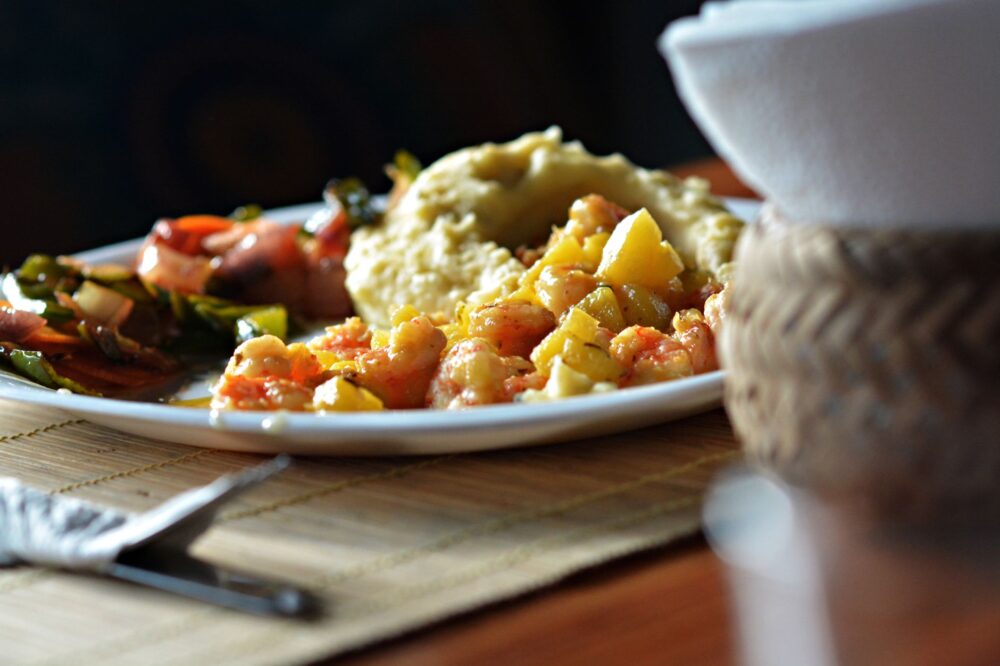
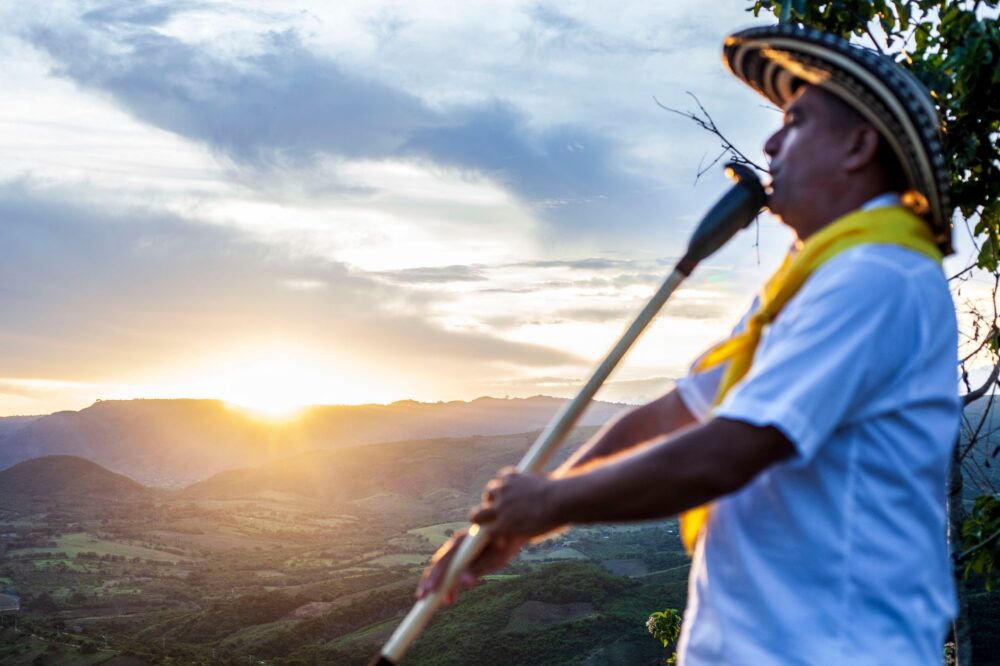
There is a way of traveling that does not stop at the shop window or at the list of starred restaurants. It begins on a roadside, continues through a small vegetable garden, and ends in a kitchen where someone lights the fire without hurry. Gastronomy, when looked at carefully, is not an ornament of the journey: it is one of its oldest grammars. It tells us what grows there, what is celebrated, what is feared and what is shared. Eating somewhere else is, in the end, accepting a lesson in applied geography.
The landscape as larder
Before a dish exists, there is soil, altitude, rain and season. The landscape is not the background of the picture: it is the provider. Sea salt, olive oil, mountain cheese or slowly fermented bread carry centuries of adaptation with them. When we travel and eat, we should remember that we are tasting a territory, not just a recipe. The landscape’s larder is not improvised: it is inherited, cared for and, sometimes, lost.
Cooking is remembering out loud
Every kitchen keeps a memory. We are not talking about decorative nostalgia, but about transmitted technique, about measurements made by eye, about names that only make sense in a particular home. When we sit at someone else’s table, we enter that memory without having lived it. It is a privilege and also a responsibility. Asking with respect, listening without correcting and thanking what is offered are minimal gestures that turn a meal into a true exchange. Hospitality is not a service: it is a form of trust.
The traveler who does not sow
Those who travel eat, but they do not always sow. That asymmetry should unsettle us just enough to act with care. It is not about turning every trip into a mission, but about not walking over what feeds us. Choosing local producers, respecting seasonal rhythms, avoiding waste and not demanding what a place cannot give are concrete ways of giving something back. The traveler’s responsibility begins where the menu ends and the community that sustains it begins.
Mobility, season and slow time
Contemporary mobility has accustomed us to eating anything at any time. The gastronomy of a territory, by contrast, forces us to wait. Some fruits appear only for a few weeks; some dishes only make sense when it is cold. Traveling with time means accepting that limitation as part of the learning. Haste impoverishes the palate and also the gaze. Eating slowly is a way of being present, and being present is the only way to truly understand a place.
The table as shared territory
When a table is shared, the journey stops being individual. It becomes conversation, translation, clumsy laughter and comfortable silence. Gastronomy has that virtue: it creates a common space where differences do not disappear, but become manageable. There is no need to invent an experience or embellish it. It is enough to recognize that the other offers us something we do not manufacture ourselves: their way of inhabiting the world. And that, in times of so much noise, is a serene form of culture.
Returning with a changed larder
We return from a journey with more than photos. We return with flavors that stay, with the names of people who cook, with the awareness that a dish is an agreement between climate, work and affection. The larder we bring back does not fit in a suitcase: it is a different way of looking at what we eat at home. Perhaps that is the most useful lesson: traveling to understand that no territory is a stage set and that no food is neutral.
Eating somewhere else means accepting that the world has its own rules, and that the best way to learn them is to sit down, wait and give thanks.
May our next journey make us not only consumers, but attentive guests. May we learn to look at the landscape before ordering the dish, and may we leave the table a little better than we found it. In the end, traveling is that: learning to be without imposing, to taste without possessing and to remember that the most honest larder is always walked through.