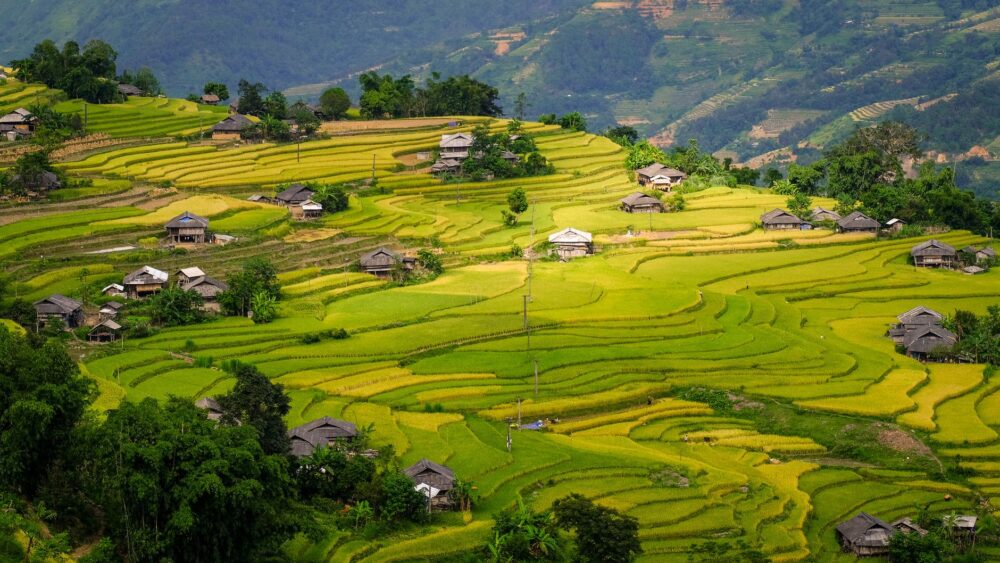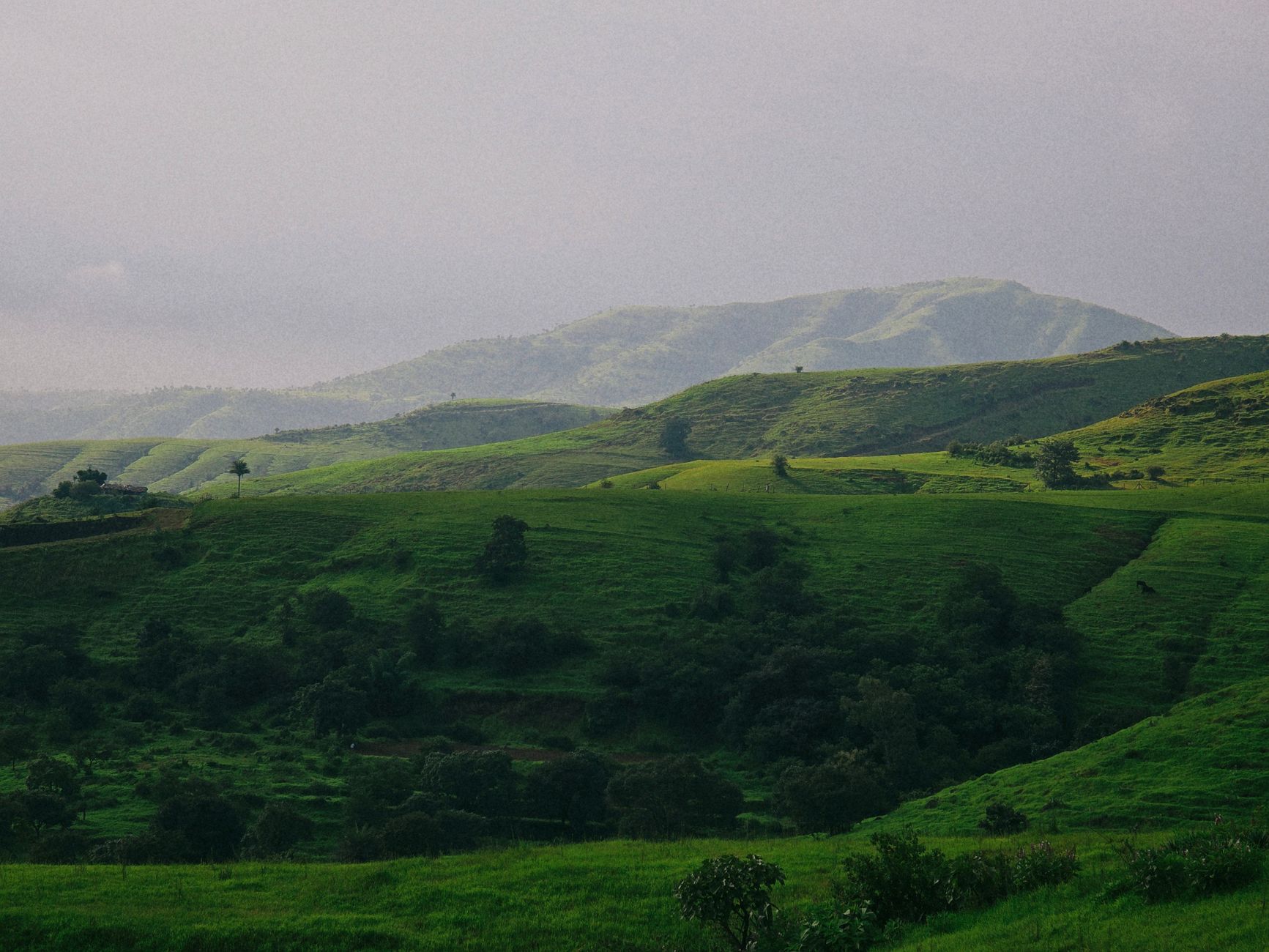

Pune, in the Indian state of Maharashtra, is known for its cultural and university life, but its geography offers something less publicized: a ring of hills, plateaus, and ancient forts that serve as hiking terrain throughout the year. At around 554 metres above sea level, the city combines a milder climate than many Indian cities with reasonable access to routes ranging from short walks to multi-hour ascents. Hiking here does not require remote expeditions, but it does demand realistic preparation: understanding difficulty, choosing the right season, respecting access rules, and walking with minimum impact.
This feature is not a travel diary or a list of feats. It is an editorial guide for those who want to walk in Pune with judgment: what to expect from the terrain, how to plan safety, what heritage lies along the way, and why prior preparation makes the difference between a pleasant hike and a day of avoidable discomfort.
The terrain: hills, plateaus, and basalt forts
The landscape around Pune is dominated by basalt formations, the result of ancient volcanic flows that now appear as rounded hills, stepped plateaus, and vertical cliffs. That geology defines local hiking: there are stretches of loose dirt and rock, steps carved into stone, and ridges exposed to sun and wind. It is not high mountain terrain, but it is not an urban park either. Difficulty varies by route and, above all, by season.
The city’s moderate altitude does not eliminate effort. Many routes gain several hundred metres in just a few kilometres, which demands accustomed legs and constant hydration. The heat and humidity of the months before the monsoon can turn a simple climb into a physical challenge. Preparation begins by accepting that the local climate is a difficulty factor as important as elevation gain.

In Pune, the shortest route can be the most demanding if you choose the wrong time of day.
When to walk: seasons and time windows
The calendar marks three main periods. From June to September, the monsoon brings intense rain, slippery trails, and lush vegetation; walking then requires good-grip footwear, rain protection, and caution with rocks and swollen streams. From October to February, the weather is drier and milder, with cool mornings and pleasant afternoons: it is the preferred season for longer routes. From March to May, heat intensifies and outings should be concentrated in the early hours.
In any season, the time window matters. An early start allows you to move with lower temperatures, soft light, and fewer people at popular spots. Sunset also offers good conditions, but reduces the safety margin if the route runs long. Start in daylight and return in daylight is a simple rule that prevents most incidents.
Representative routes and their level of demand
The belt of hills and forts around Pune offers options for different levels. Some routes are short, popular ascents, ideal for beginners; others combine several kilometres, accumulated elevation gain, and rocky sections that require attention. Difficulty does not depend only on distance: a few-kilometre trail with sustained slope and irregular steps can tire you more than a longer but gentler walk.
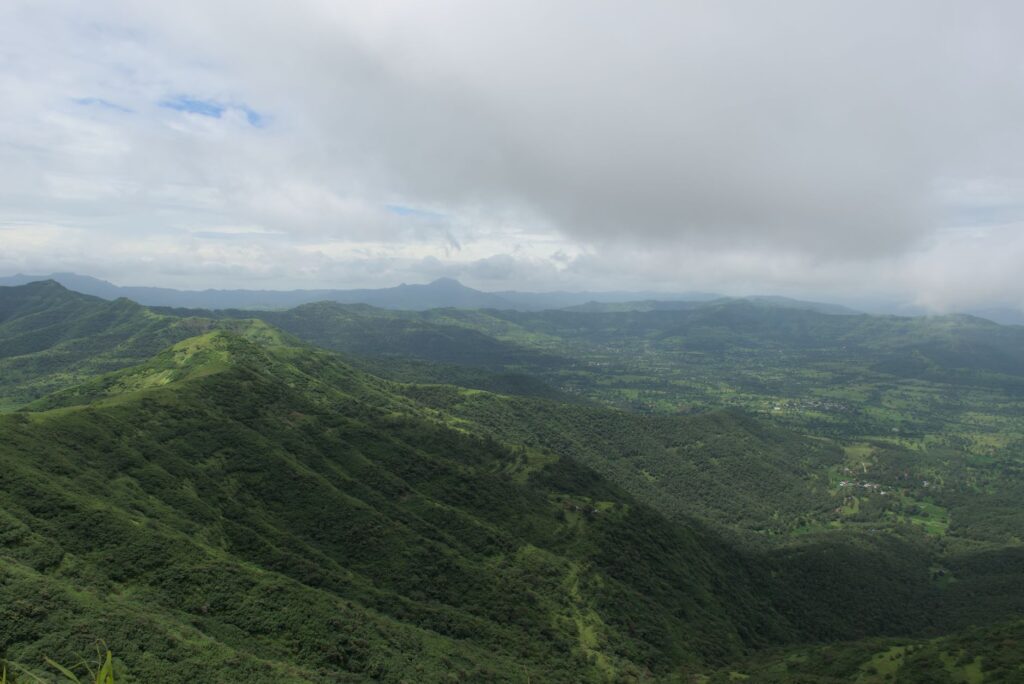
To choose, it helps to research the current state of the path, the existence of exposed sections, and the availability of shade. Not all routes have water sources or rest points. During the rainy season, some sections can become dangerous due to mud or falling rocks. The right route is the one that matches the group’s fitness, not the one that appears on a generic recommendation list.
Heritage along the way: forts, gates, and viewpoints
Many hiking routes in Pune lead to ancient basalt fortifications. These forts are not just viewpoints: they are testimonies to a strategic past, with walls, gates, cisterns, and remnants of defensive structures. Walking through them carries added responsibility. Do not climb fragile walls, remove stones, or leave inscriptions. Heritage is preserved by walking carefully and observing without altering.
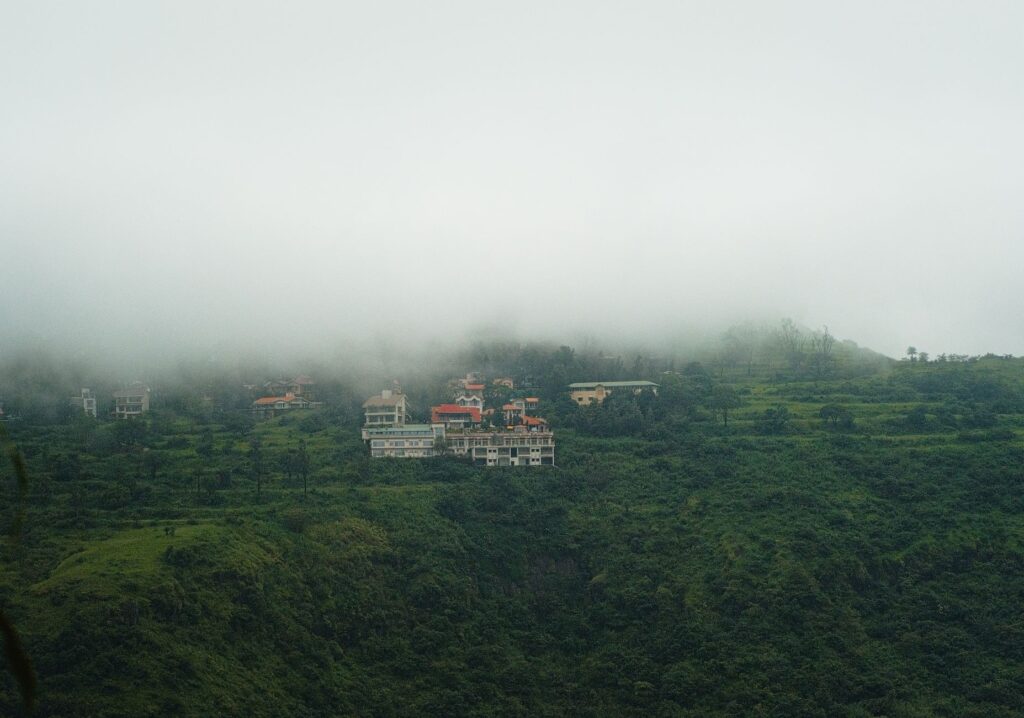
Natural viewpoints offer broad views of the city, nearby reservoirs, and neighbouring hills. On clear days, the panorama rewards the effort. During the monsoon, mist and vegetation completely change the experience, though they also increase risks. Taking photographs is fine; taking a fragment of history is not.
Physical and mental preparation before setting out
Hiking in Pune does not require expedition-level training, but it does require basic fitness. Walking regularly, climbing stairs, and doing leg and core exercises help you enjoy more and tire less. The pack should be light: enough water, sun protection, a snack, a light layer for mornings, and a minimal first-aid kit. Footwear is key: grippy sole, good support, and already broken in before the outing.

Mental preparation also counts. It helps to accept that the pace will be slower than planned, that there will be uncomfortable sections, and that the priority is returning safely. No summit is worth a twisted ankle on a trail without coverage.
Safety: groups, coverage, and contingency plans
Walking accompanied is the first safety measure. On less-travelled routes, telling someone your itinerary and expected return time is essential. Mobile coverage can be patchy in some sections, so you should not rely on your phone for navigation. Carrying a downloaded map or offline image of the route helps.
Heat and dehydration are frequent risks. Falls on wet or loose rock are also common. During the rainy season, take extra care with streams, mud, and reduced visibility. If the group includes people with little experience, choose a shorter route with an easy exit. Safety is not an accessory: it is part of planning from the first minute.
Access and logistics: how to get there and what to expect
Pune has an airport and good road and rail connections with other cities in Maharashtra and across India. From the city, many hiking routes are accessible by car, taxi, or local transport to the trailhead. Logistics are simple compared with remote destinations, but you should plan the return: in hill areas, public transport can be limited depending on the hour.
Improvising access to restricted areas or private property is not recommended. Respecting local signs, asking before entering unmarked areas, and following established paths are part of responsible hiking ethics. The best access is the one that creates no conflict and leaves no trace.
Minimum impact: leave the trail better than you found it
Responsible hiking in Pune involves simple principles: leave no waste, do not feed animals, do not collect plants or stones, do not light fires, and keep noise low. On heritage routes, do not touch ancient structures or write on them. Trash should return with whoever generated it, including organic remains that can alter the local ecosystem.
It is also important to respect local communities. Many routes pass through or border villages and farmland. Asking permission when necessary, closing gates, and not trespassing on private property are gestures that keep access open for everyone. Minimum impact is not a trend: it is the condition for these trails to remain walkable.
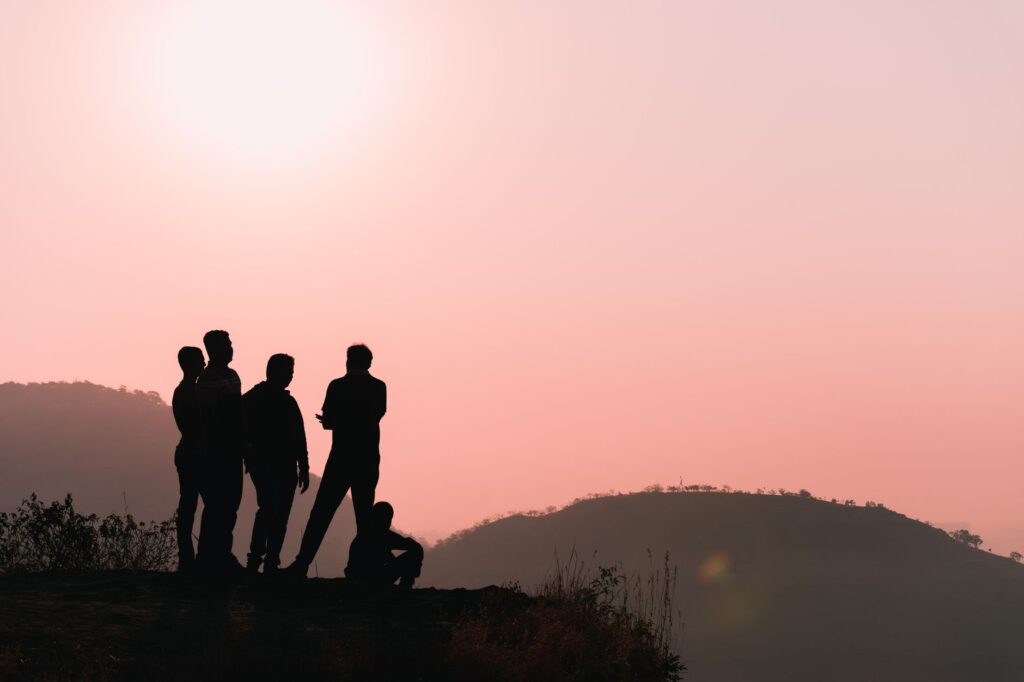
The mountain does not need to be conquered; it needs to be left as it is.
Practical guide
Before setting out, review these points:
- Best season: October to February, with cool mornings and lower humidity. Avoid the central hours in March, April, and May.
- Footwear: hiking boots or shoes with grippy soles, already worn in before the route.
- Water and food: carry more water than you think you need and a light snack. Water sources are not guaranteed on all routes.
- Protection: hat, sunglasses, sunscreen, and a light layer for wind or rain.
- Safety: walk in a group, tell someone your route and return time, and carry a downloaded map.
- Heritage: do not climb ancient walls, remove stones, or leave inscriptions.
- Waste: everything you carry returns with you, including organic remains.
- Local respect: greet people, ask permission if crossing property, and close gates.
With these guidelines, hiking in Pune stops being an improvised activity and becomes a safe, informed experience that respects the environment and its history.