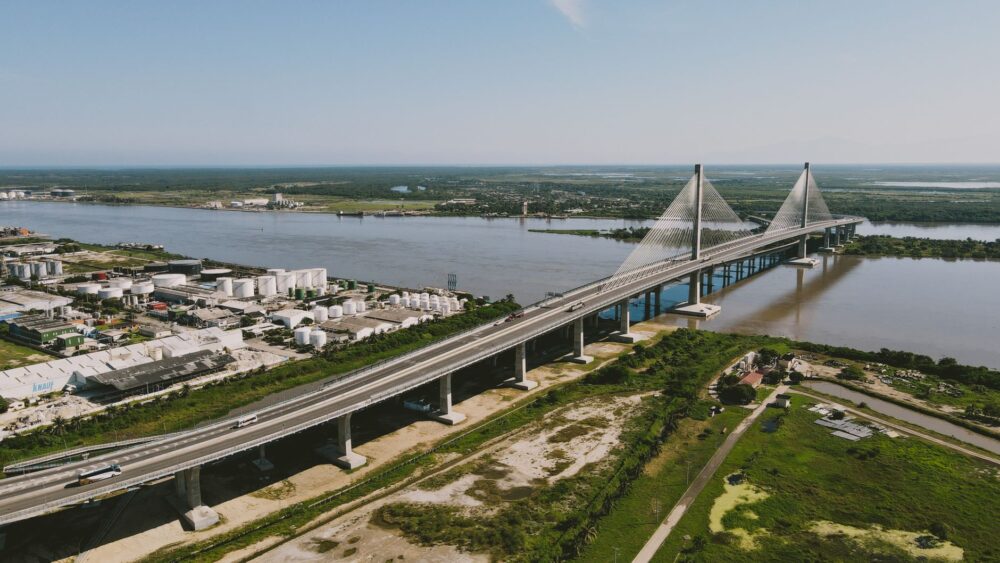
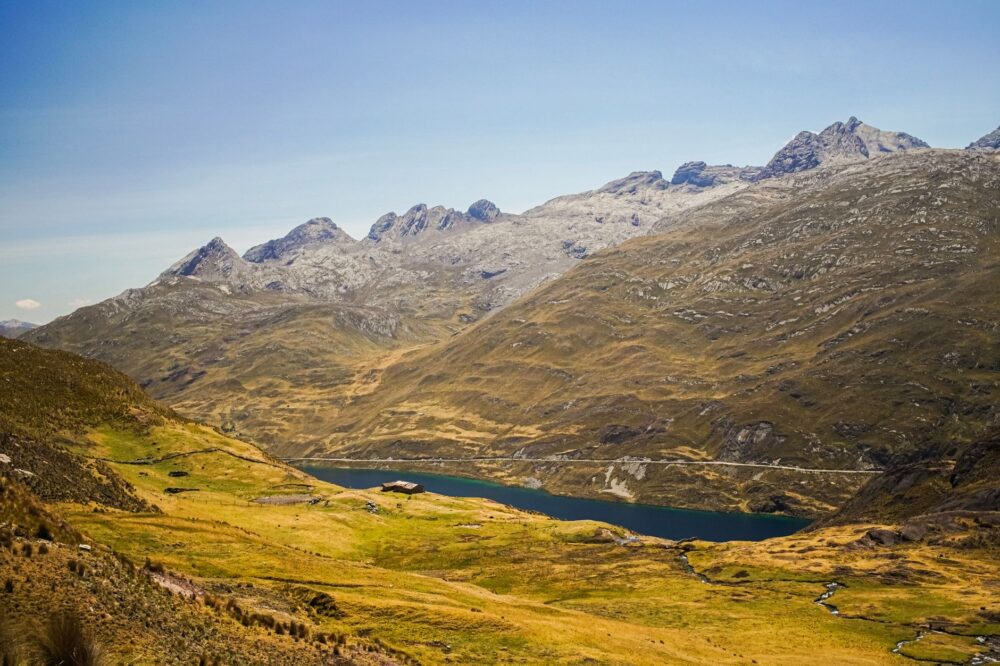
Dosquebradas doesn’t appear in Colombia’s most repeated postcards. It lacks the colonial silhouette of Salento or the coffee-capital air of Armenia and Manizales. Yet at 1,448 meters above sea level, this city of more than 200,000 inhabitants—the second largest in the department of Risaralda—has a personality of its own: a territory built among streams, hillsides, and an early industrialization that marked its character.
Its name says it all: two streams, two watercourses that cross the urban area and for decades were the axis of daily life. Today, those streams are still there, sometimes channeled, sometimes hidden beneath pavement, but always present in the memory of those who grew up hopping from stone to stone. To visit Dosquebradas is to glimpse an urban Colombia that rarely appears in tourist brochures, yet offers an authentic and deeply human experience.
A geography that orders life
Dosquebradas spreads over rolling terrain, with neighborhoods climbing the hillsides and streets adapting to the topography. The city is part of the Metropolitan Area of the Central West, alongside Pereira and La Virginia, but maintains a distinct identity. While Pereira expands into the valley, Dosquebradas clings to its mountains.
The Otún River, which borders the municipality, and the Dosquebradas and La Víbora streams—among others—have witnessed urban growth. The city went from being a corregimiento of Pereira to becoming a municipality in 1970, and since then its development has been tied to industry, especially manufacturing and food processing.
«Here water is not an ornament: it is the origin. Older people still remember when the streams were the laundry, the playground, and the shortest path.»
That relationship with water has left visible traces. Some stretches of the streams have been recovered as public spaces, with trails and green areas inviting walks. They are not grand theme parks, but modest corners where the community takes ownership of the landscape.
The neighborhood as a unit of identity
In Dosquebradas, life is organized by neighborhoods. Each has its own history, its own church, its own corner store, and its own soccer team. Neighborhoods like La Badea, Santa Mónica, El Japón, or Pinares are worlds within the city, with their own dynamics and strong social cohesion.
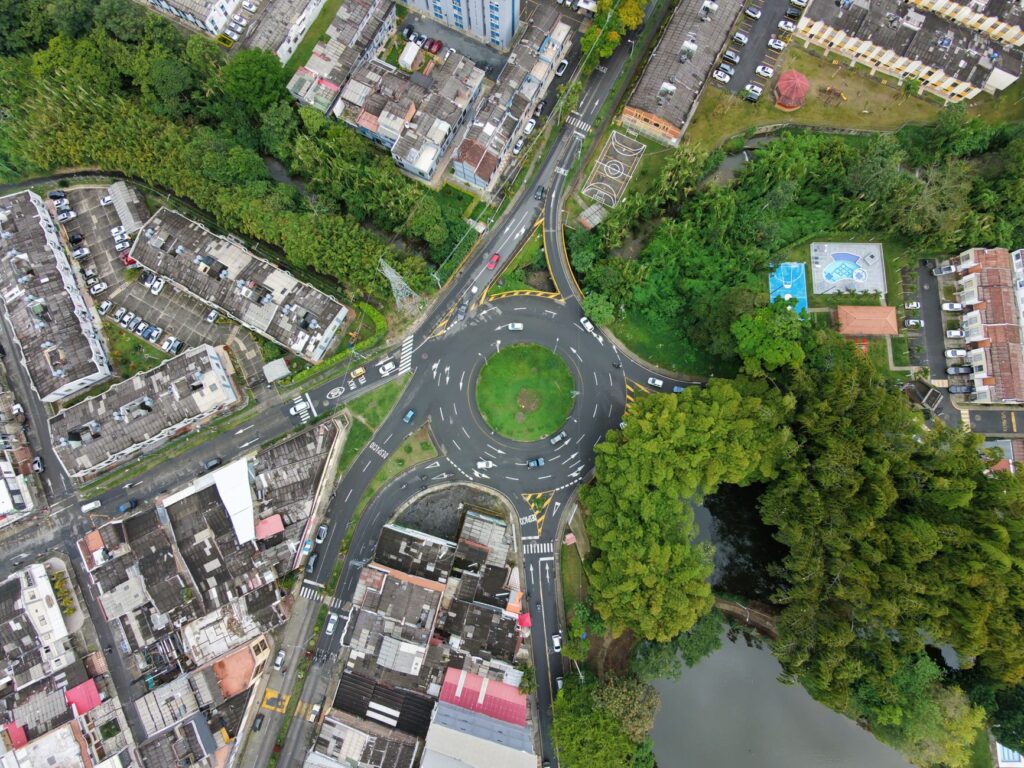
Walking through their streets means finding one- or two-story houses, many with grilles and well-tended front gardens, and a mix of popular architecture and more recent constructions. Local commerce—bakeries, hardware stores, hair salons—competes with the large supermarkets that have arrived in recent decades.
Daily life unfolds between work in industry, commerce, and services, and intense community activity: community action boards, youth groups, senior clubs. That social network is perhaps Dosquebradas’s most valuable heritage.
Industrial heritage and working-class memory
Unlike other Colombian cities that base their appeal on colonial heritage, Dosquebradas reclaims its industrial past. The installation of factories in the second half of the 20th century—especially in food and beverage—transformed the local economy and attracted migrants from other regions of the country.
That legacy is felt in the architecture of some old plants, now repurposed or abandoned, and in the memory of the workers who made the city an industrial hub. There is no grand museum to tell the story, but there are conversations, photographs, and an identity recognized in effort and discipline.
«Dosquebradas is not a city of monuments; it is a city of people who made things with their hands.»
For visitors interested in industrial heritage, a visit to the areas where factories once clustered can be revealing. You won’t find explanatory signs, but you will find the trace of an era when factory work defined the city’s rhythm.
Nature and landscape: the green that surrounds
One of Dosquebradas’s great attractions is its natural setting. The city is surrounded by mountains, and from many points, beautiful landscapes unfold. La Badea hill or Alto del Nudo offer panoramic views of the valley and the cordillera.
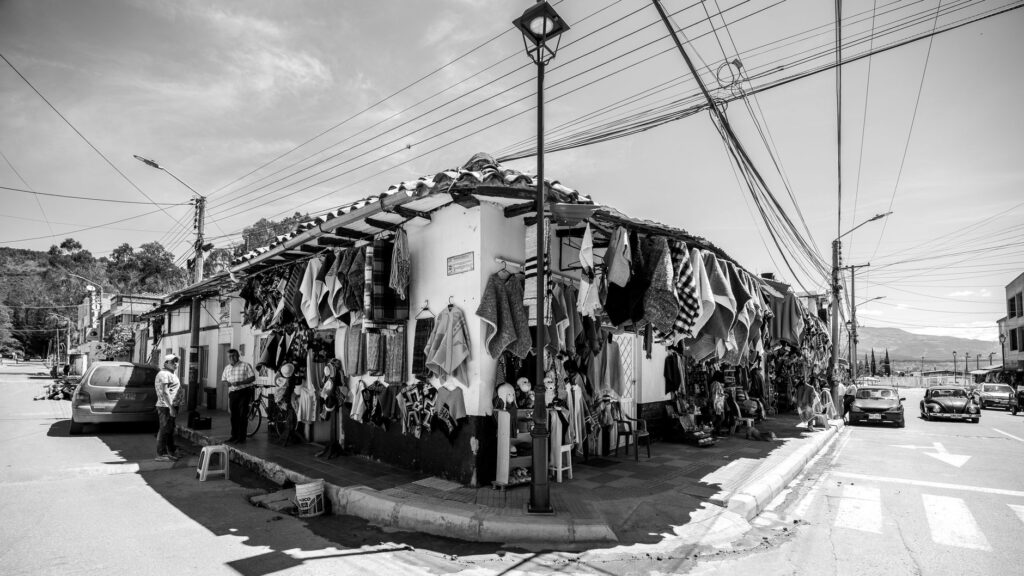
Ecotourism enthusiasts find hiking routes, coffee farms, and nature reserves in the surroundings. Nearby is Ucumarí Regional Natural Park, a protected area preserving Andean forests and rich biodiversity. Also the Otún Quimbaya Flora and Fauna Sanctuary, though administratively in Pereira, is close and a common destination for locals.
Within the urban area, parks like Parque de la Independencia or the Linear Park offer spaces for recreation and contact with nature. The temperate climate, with temperatures ranging between 17 and 24 degrees Celsius, invites walking and enjoying the outdoors.
Gastronomy: mountain flavors and tradition
Dosquebradas’s cuisine reflects its history: a mix of peasant traditions, paisa influences, and contributions from other regions. Typical dishes include the bandeja paisa, corn arepa, sancocho, and the fritangas sold on street corners.
But there is something more: baking. Dosquebradas has a tradition of bakeries and pastry shops that compete with those in Pereira. On weekends, many families go out to buy fresh bread, cakes, and homemade desserts. It is not a haute cuisine destination, but a place where you eat well at reasonable prices.
For travelers, a must-stop is the local market, where you can find regional fruits—mango, papaya, granadilla, lulo—and bakery products. There is also a growing offering of cafes and restaurants committed to local ingredients.
Architecture and urbanism: the city that adapts
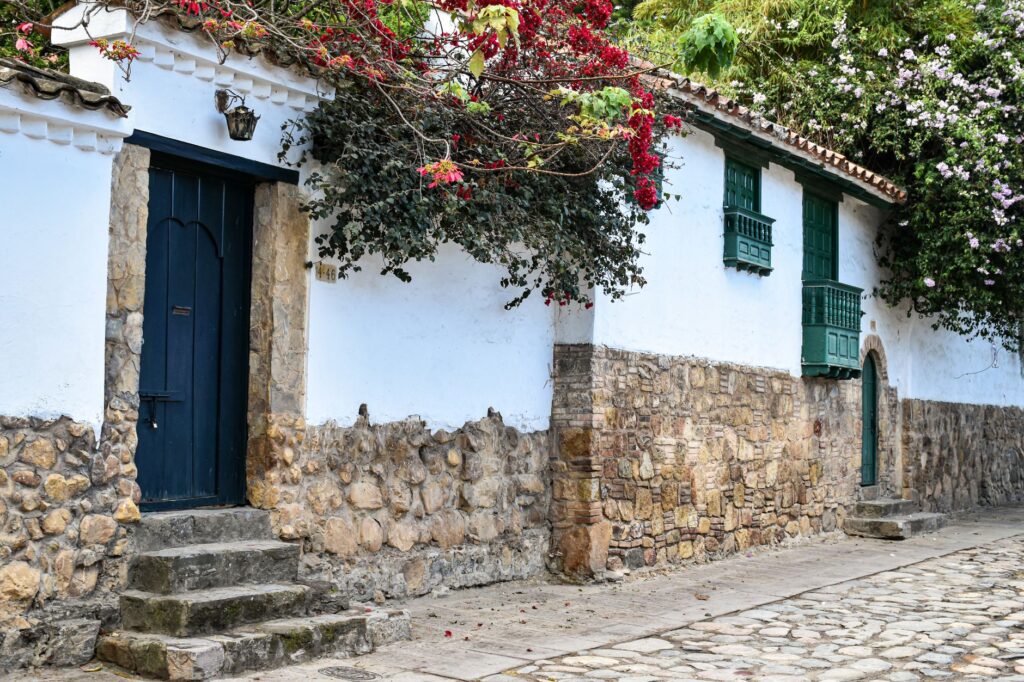
Dosquebradas’s architecture is functional and diverse. One- or two-story homes predominate, many built in exposed brick, with clay or zinc tile roofs. In older neighborhoods, you see houses of rammed earth and wattle-and-daub, witnesses to traditional construction techniques.
Urban growth has been rapid and sometimes disorderly. However, there are examples of contemporary architecture seeking to integrate with the landscape, such as some apartment buildings and shopping centers. The city has no declared historic center, but its urban fabric tells the story of its expansion.
One interesting aspect is how the city has dealt with its topography. Streets wind, stairs are common, and natural viewpoints become meeting points. That adaptation to the terrain is, in itself, a heritage trait.
Culture and nightlife: local rhythms
Dosquebradas’s cultural offering is modest but active. There are cultural centers, public libraries, and periodic events such as music, theater, and dance festivals. The House of Culture is a reference point for workshops and artistic performances.
Nightlife concentrates in neighborhood bars and clubs, where vallenato, salsa, merengue, and popular music play. It is not a city of large clubs, but of informal spaces where people gather to dance and talk.
For visitors, a night in Dosquebradas can be an authentic experience: sharing a beer at a corner store, listening to stories of the city, and feeling the warmth of its people.
Practical guide
Getting there
Dosquebradas is connected by road to Pereira (about 10 minutes), Armenia (45 minutes), and Manizales (1.5 hours). The nearest airport is Matecaña International Airport in Pereira, with domestic and international flights. From there, you can take a taxi or bus to Dosquebradas.
Where to stay
Hotel offerings are limited compared to Pereira, but there are options in the center and residential neighborhoods. Many visitors prefer to stay in Pereira and visit Dosquebradas as a day trip.
What to do
- Walk through Parque de la Independencia and the Linear Park.
- Visit natural viewpoints, such as La Badea hill.
- Tour traditional neighborhoods and talk with their inhabitants.
- Taste local cuisine in markets and bakeries.
- Hike in the surroundings, such as Ucumarí Regional Natural Park.
When to go
The climate is temperate year-round, with rainy seasons (April-May and October-November). The best time to visit is between December and March, when rains are less frequent.
Responsible tips
Respect community spaces, support local commerce, and do not leave trash on trails. Remember that Dosquebradas is a living city, not a theme park: its beauty lies in its people and their daily life.
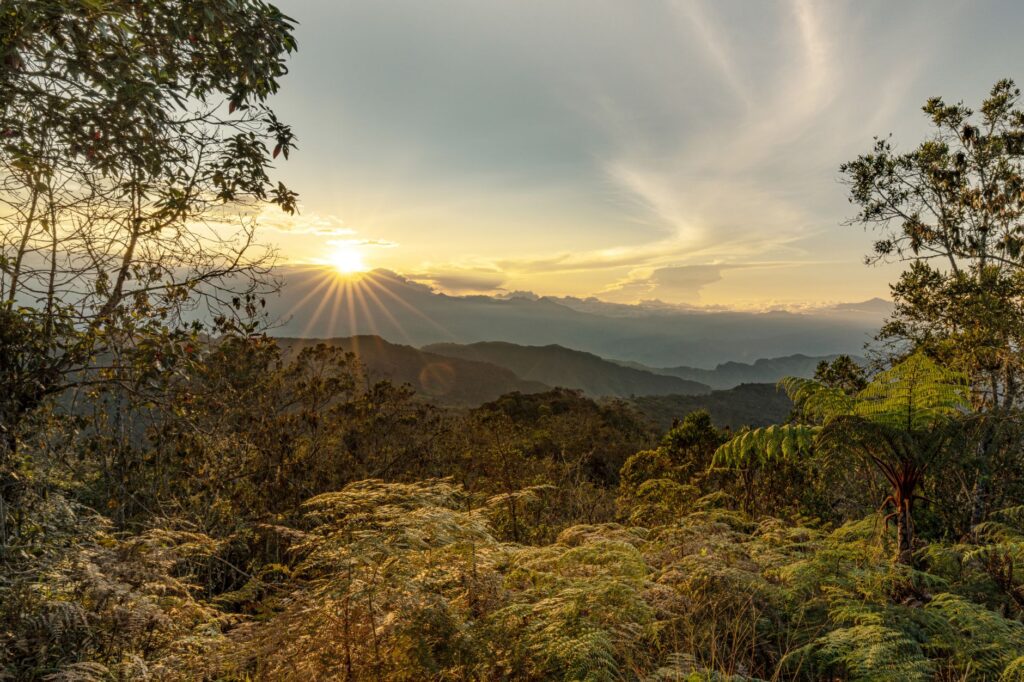
At the end of the day, when the sun sets over the mountains and neighborhood lights come on, Dosquebradas reveals its true essence: a city that, without pretension, offers a genuine experience of urban Colombia. It is not a destination for those seeking spectacular monuments, but for those who want to understand how life is lived in a mountain city, with its lights and shadows, its streams and its people.