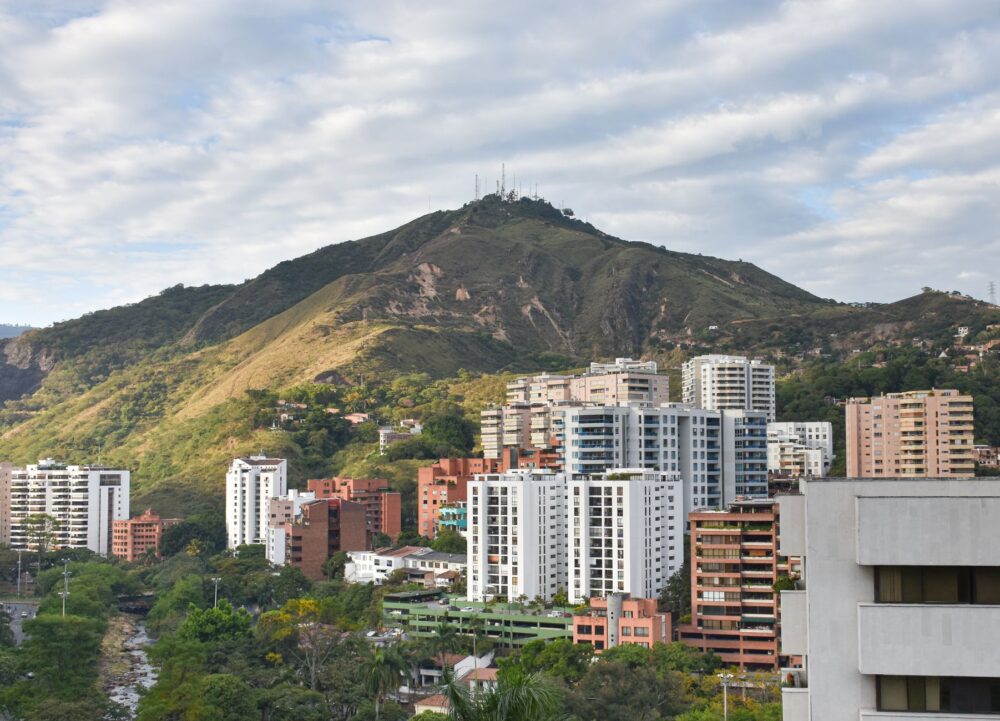
Barrancabermeja does not appear in standard travel brochures. It is a city of work, heat and river, located in the department of Santander, in the heart of Colombia’s Magdalena Medio. Its name, which refers to the reddish bluffs overlooking the river, anticipates what visitors will find: a port city where daily life is organized around the Magdalena, the country’s oldest refinery and a working-class memory that has shaped its identity for more than a century.
With around 191,000 inhabitants, according to available geographic data, Barrancabermeja is the second most populous city in the department of Santander. It is not a postcard destination, but a place to observe, listen and understand how a community has built its history between water, crude oil and river trade. This report proposes a unhurried look at its heritage, its daily life and the responsible decisions a visitor can make to approach it without distorting it.
A city born facing the Magdalena
The Magdalena River, Colombia’s most important waterway, has been the country’s main inland communication artery for centuries. Barrancabermeja occupies a strategic point in that geography: a place where the river widens and where, since colonial times, ports were established for the transport of goods and people. The city grew as a river settlement long before oil transformed its fate.

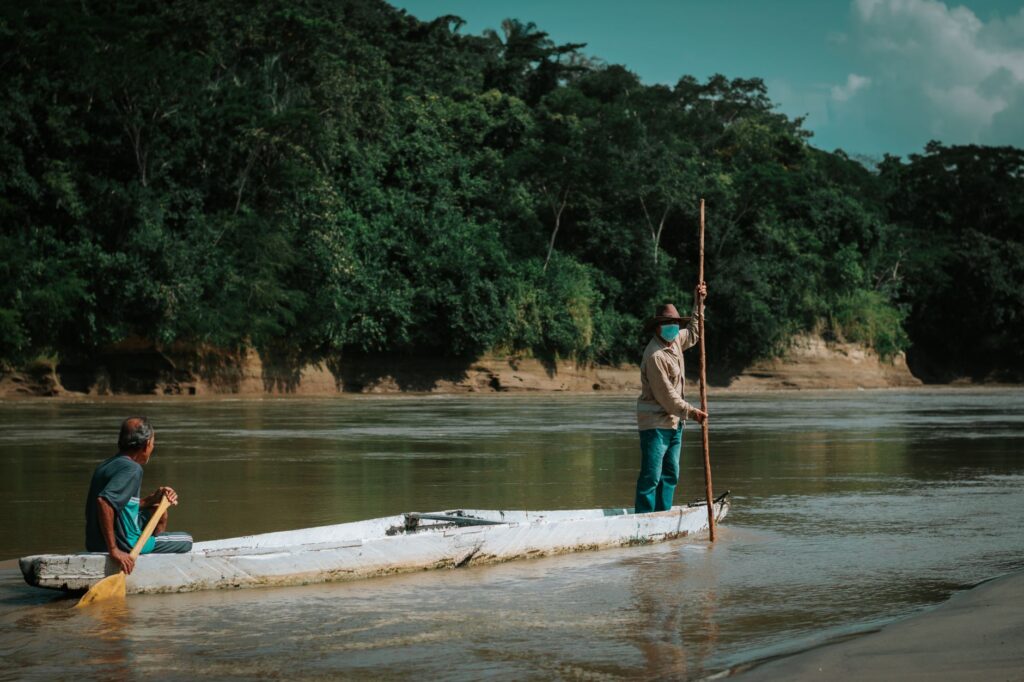
Today, the malecón and the areas near the river remain gathering spaces. There is no need to look for grand monuments: simply walking along the bank and watching the comings and goings of boats, fishermen and transporters keeps the city’s relationship with the water alive. It is a living heritage, made of routines rather than display cases.
Barrancabermeja cannot be understood without the Magdalena: the river is not a landscape, it is a daily infrastructure that orders the work, trade and memory of its inhabitants.
The weight of oil on local identity
The history of Barrancabermeja changed radically in the early 20th century with the discovery and exploitation of hydrocarbons in the area. The refinery, one of the oldest in Latin America, turned the city into an industrial hub and attracted workers from different regions of the country. That process left a deep mark on local culture: unions, working-class neighborhoods, social clubs and a collective awareness of the value of labor.
For visitors, that legacy is felt in the architecture of certain districts, in the presence of industrial facilities that are part of the urban landscape and in stories that residents share naturally. It is not about romanticizing industry, but about recognizing that the city is, to a large extent, a product of it. Understanding that link is key to interpreting Barrancabermeja without prejudice.
The market, a thermometer of daily life
If there is one place where the city shows its true pulse, it is the market. In Barrancabermeja, markets and food halls concentrate the diversity of the region: river products, fruits from inland Santander, spices, crafts and prepared food. Walking through them calmly reveals the mix of traditions that converge in the Magdalena Medio.
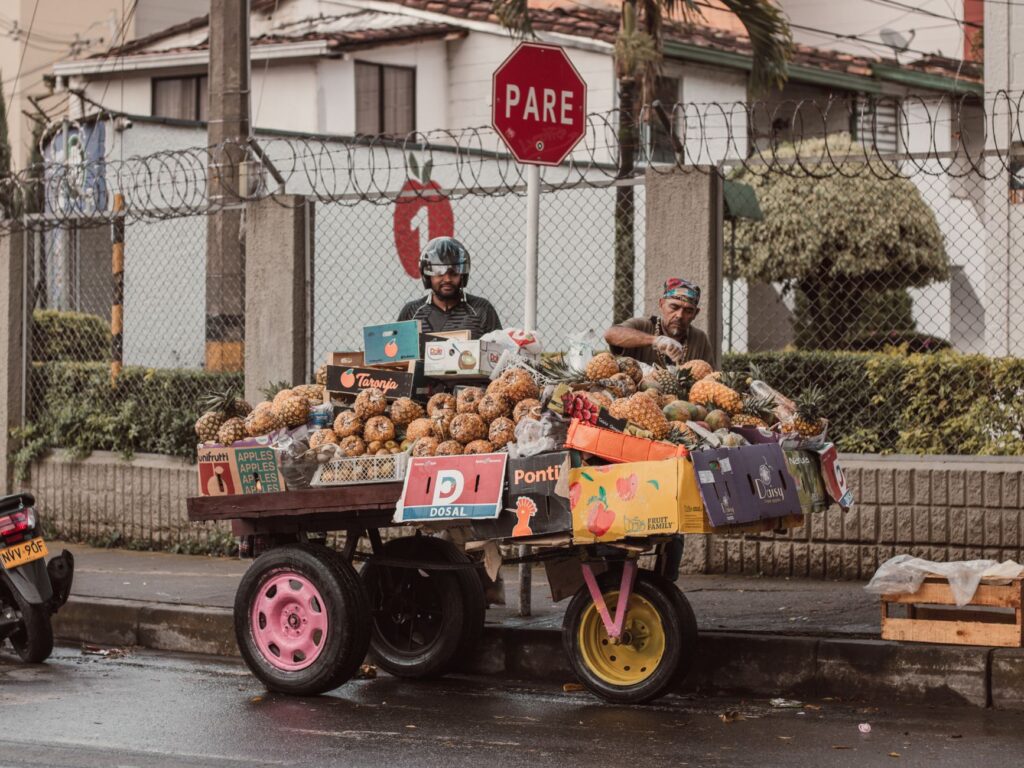
Local gastronomy reflects that mix. Dishes such as river fish, prepared in various ways, or the arepas and soups typical of the Santander region coexist with influences from other parts of the country. Eating at a market stall is not a tourist act: it is a way of sharing a space that belongs to those who inhabit it every day.
Neighborhoods, working-class memory and discreet heritage
Barrancabermeja does not have a monumental historic center comparable to other Colombian cities. Its heritage is more diffuse: mid-20th-century houses, union headquarters, sports facilities and infrastructure built during industrial growth. That ensemble, often overlooked, tells the story of a community that organized to claim labor rights and basic services.
Walking through neighborhoods around the industrial zone reveals that memory in its purest state. There are no explanatory signs or marked routes; there are buildings still in use and neighbors who can tell what it meant to grow up in a city marked by oil activity. Visitors interested in that history will find in spontaneous conversations and attentive observation a valuable source of context.

The Magdalena Medio as a cultural region
Barrancabermeja is the gateway to the Magdalena Medio, a subregion that shares cultural traits beyond departmental borders. Music, oral tradition and certain culinary customs circulate along both banks of the river, connecting Santander with other neighboring departments. That crossroads condition explains the mix of accents, customs and flavors perceived in the city.
For those traveling with cultural interest, the best strategy is to dedicate time to listening. The city has local radio stations, sports spaces and an intense neighborhood life expressed in the streets at dusk, when the heat gives way. That is when Barrancabermeja shows its most everyday and least spectacular side, but also its most authentic.
Barrancabermeja’s heritage is not in display cases: it is in its neighborhoods, its markets and the memory of a community that learned to organize around work and the river.
What to see and do without falling into invasive tourism
The range of visits in Barrancabermeja is limited compared to consolidated destinations, and that is precisely what makes it interesting for a curious traveler. Possible activities include walks along the malecón and the Magdalena riverbank, visits to local cultural spaces and tours of the market. There are also community initiatives that seek to show the city’s history from the perspective of its inhabitants.
It is important to remember that Barrancabermeja has experienced episodes of violence in the past, and that perceptions of safety can vary by area and time. As in any city, it is advisable to check updated local sources, avoid unknown areas without guidance and act prudently. Respect for residents’ daily lives must come before any photographic urge.
River and inland gastronomy
Barrancabermeja’s cuisine combines what the river provides with what arrives from inland. Fresh fish, grilled or in stews, is one of the great attractions for those who want to eat well without pretension. Add to that typical Santander preparations, such as arepas de maíz pelado, cabrito and envueltos, which appear on family tables and at popular stalls.
Trying local food is one of the most direct ways to approach a city’s culture. In Barrancabermeja, that means sitting without haste, accepting the rhythms of the place and understanding that hospitality is not always expressed with grand gestures, but with the willingness to share what there is.
Practical guide
Barrancabermeja has Yariguíes Airport, which connects the city with Bogotá and other domestic routes. It is also possible to arrive overland from Bucaramanga and other cities in Santander, although travel times can be long. The climate is hot and humid year-round, with temperatures often exceeding 30 degrees Celsius, so light clothing, sunscreen and constant hydration are recommended.
- Best time to visit: months with less rainfall usually offer more comfortable conditions for exploring the city and the riverbank.
- Local transport: taxis and ride-hailing apps are common options; agree on fares or check the price before getting in.
- Accommodation: options are concentrated in the urban area, with choices for different budgets; booking ahead in high season is advisable.
- Safety: check with residents and local authorities about recommended areas and avoid nighttime travel through poorly lit areas.
- Cultural respect: ask permission before photographing people, especially in markets and residential neighborhoods.
- Money: carrying cash is useful for markets and small shops, although digital payments are increasingly widespread.
A city to look in the eye
Barrancabermeja does not try to please everyone. It is a city of contrasts, with an industrial past that weighs and a present seeking to redefine itself. For travelers willing to leave prefabricated itineraries behind, it offers something uncommon: the chance to see a Colombia that works, remembers and continues building its identity on the banks of the Magdalena.
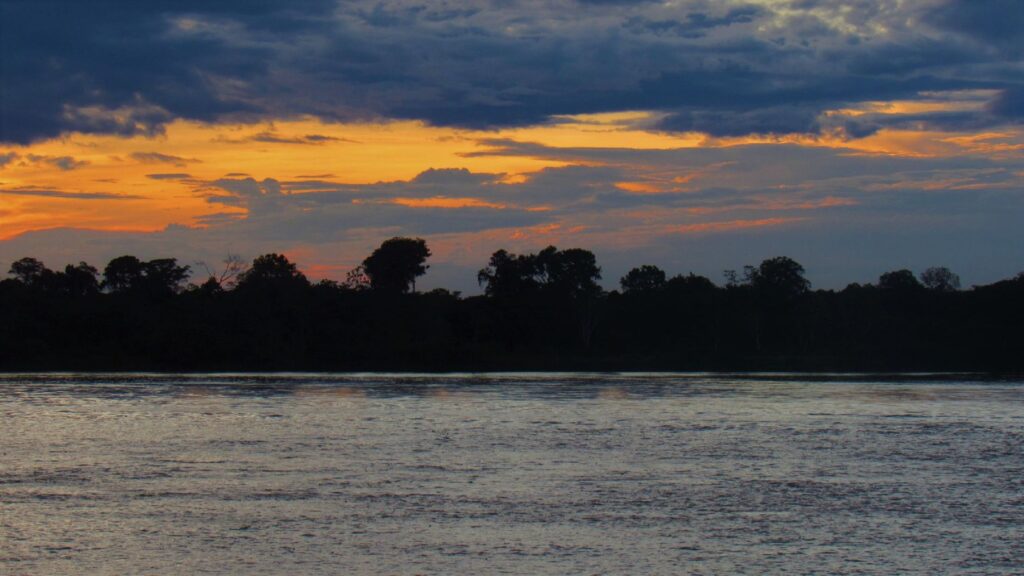
At the end of the day, when the sun sets over the river and the streets recover some coolness, the city shows its calmest face. There are no grand staging, only life continuing. And perhaps that is precisely what makes it worth visiting.