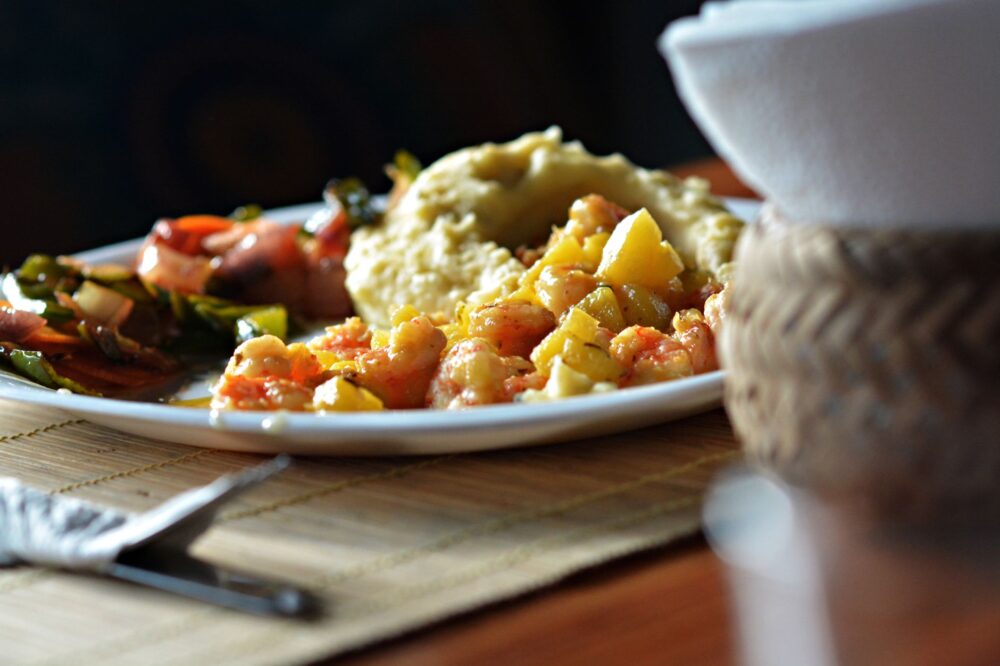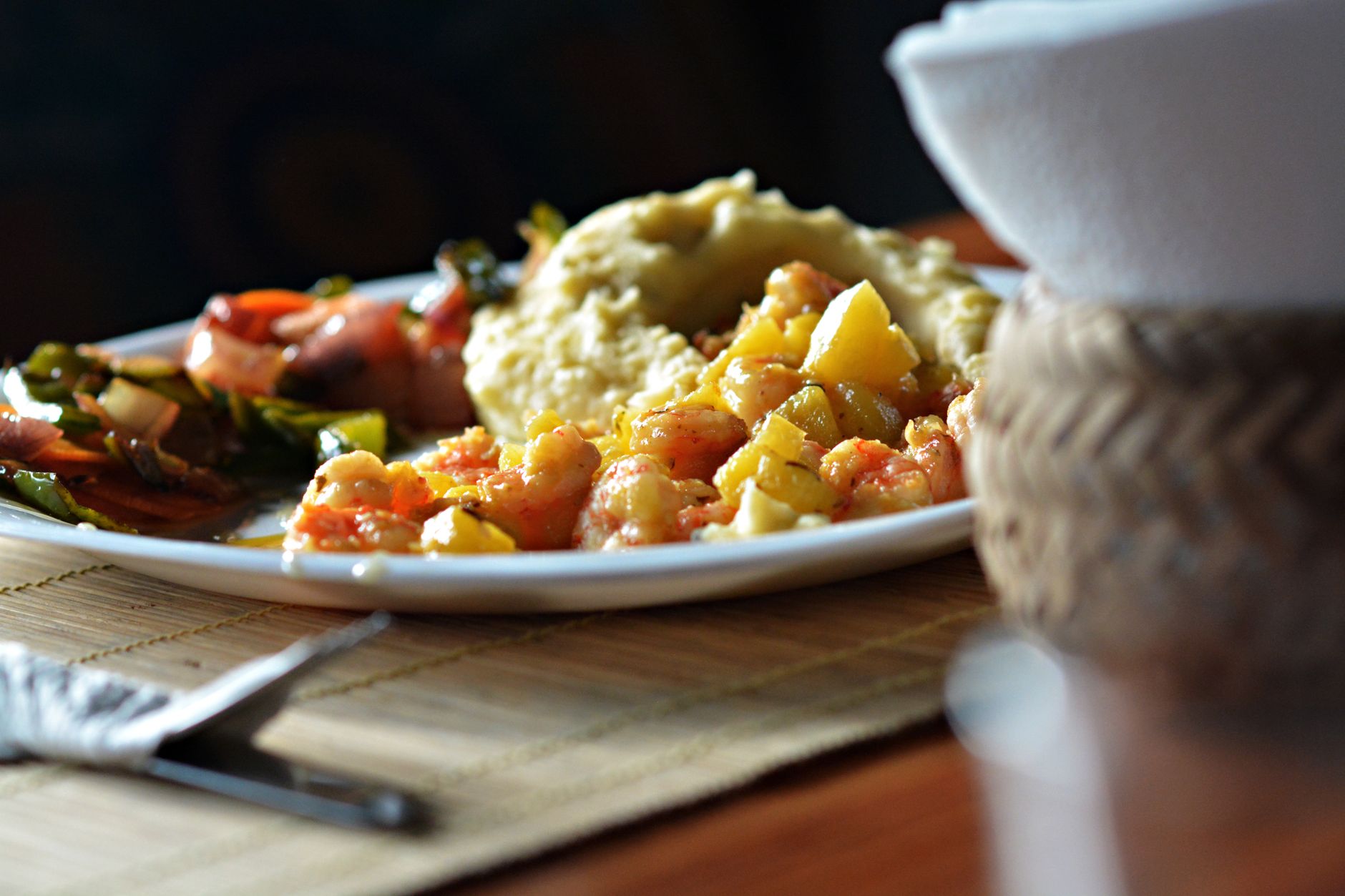

Some journeys are remembered for a landscape, others for a conversation, and some, the most persistent, for a flavor. I am not speaking of banquets or picture-perfect dishes, but of that simple food cooked in a home, a market, or a roadside inn that, without intending to, sums up an entire place. Traveling is also sitting at the table, and doing so attentively is one of the deepest ways of looking at the world.
Cuisine as Landscape
What we eat is born from a specific territory. Climate, soil, seasons, and water shape a larder that cannot be transplanted without losing something. When we travel and taste a stew, a fruit, or a bread, we are reading a landscape with our palate. That reading is slow and requires curiosity: asking what it is, where it comes from, who prepares it, and why it is cooked that way.
Cuisine is not an ornament of travel but one of its grammars. It speaks to us of migrations, exchanges, scarcities, and abundances. A dish can tell centuries of history without the need for a museum. That is why paying attention to what we eat is a way of respecting the place that welcomes us.
The Palate as Memory
Gustatory memory is capricious and powerful. Years later, a scent of woodsmoke or spices can return us to a specific street, a shared table, a conversation we thought forgotten. That persistence shows that travel is not only archived in photographs but in the body. Flavor becomes an intimate archive of the territory.
Recognizing this makes us more humble. We understand that we do not travel only to see, but to be transformed by what we taste. And that transformation cannot be bought: it is received with gratitude and kept without noise.
Hospitality at the Table
There is a hospitality that is not announced and is served on a plate. It is the kind that offers what there is, without calculation, with the generosity of one who shares their home. In many places, the table is the first threshold one crosses, before any monument. Being received this way demands a response: eating with respect, thanking with sincere words, and not turning the experience into a mere anecdote.
Gastronomic hospitality reminds us that the traveler is not a customer or a conqueror, but a guest. And guests, when they truly are, take care of what is offered to them.
Eating Without Taking
Traveling to eat demands an ethic. Not everything is for sale, not everything can be replicated, and not everything should be photographed. There are cuisines that rest on fragile balances: local products, short seasons, hands that work without haste. Our curiosity must not become pressure or a passing trend that displaces those who live from it.
Eating without taking means choosing with judgment, paying a fair price, valuing the small, and not demanding what the territory cannot give. It also means understanding that authenticity is not a spectacle, but a way of life that deserves continuity.
The Table as Conversation
The table is a place of encounter. There, generations, languages, and silences cross. Sharing a dish is accepting a different rhythm, learning to wait, to listen, and not to impose. In that everyday gesture, a form of coexistence is practiced that travel should carry with it.
You do not need to master the local cuisine to sit at the table. It is enough to arrive with attention and without pretension. The conversation begins when we stop watching the clock and accept that flavor has its own time.
What Remains on the Plate
At the end of the journey, fewer photos remain than we expected and more flavors than we noted. The memory of freshly made bread, a soup that comforted, a fruit ripened in the sun. Above all, the awareness that the world is better understood when the table is shared.
Traveling to understand a cuisine is traveling to understand a way of being in the world. It is accepting that culture is also served warm, that memory has a taste, and that the best way to honor a territory is to sit at its table with respect, with hunger, and with gratitude.