In the heart of Texas, where the sun warms the limestone and the air smells of mesquite, San Antonio International Airport (SAT) is not just a transit infrastructure. It is a threshold that anticipates the character of a unique American city: mestizo, hospitable, and deeply proud of its roots. Unlike other airports that seek neutrality, SAT bets on a sensory identity. From the moment travelers disembark, the aromas of Texas barbecue and the distant chords of a mariachi compete with the gate announcement. It is a welcome that needs no signs.
This report explores how San Antonio’s airport has woven an uncommon bond with its territory. It is not a simple terminal, but a space where architecture, art, and gastronomy tell the story of a border region. Throughout these pages, we analyze its design, its cultural offerings, and the connectivity challenges it faces in the competitive U.S. air map.
An Airport with Its Own Accent
San Antonio is not just any city. With over 1.5 million residents, according to GeoNames data, it is the seventh-most populous city in the United States and a melting pot where Mexican and Anglo cultures have blended for centuries. Its airport, located about 13 kilometers from downtown, reflects that duality. The terminals, remodeled in different phases, combine red brick and steel with motifs evoking the colonial missions and the South Texas style.
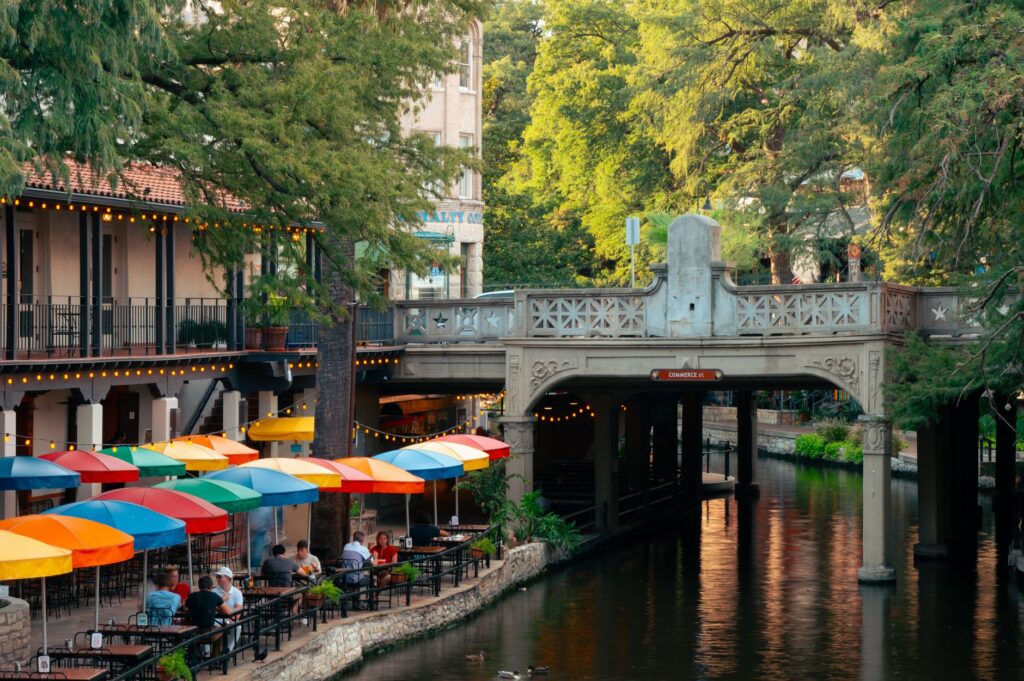
First-time visitors notice the difference. There are no glass skyscrapers or endless corridors of identical shops. Instead, there are interior courtyards with native vegetation, works by local artists, and bilingual signage that is not a simple political gesture but a daily reality. San Antonio’s airport is the only one in the United States with a live music program featuring mariachis and tejano groups, an initiative that began years ago and has become a hallmark.
“Here you don’t welcome travelers with insipid coffee, but with a barbacoa taco and a song that speaks of the land,” summarizes a sign in Terminal A, capturing the spirit of the place.
Architecture That Breathes the Desert
SAT’s design has evolved to adapt to Texas’s extreme climate. High ceilings and large windows allow natural light to flood the concourses, reducing dependence on electricity. Local materials, such as limestone and copper, appear in details reminiscent of the old Spanish missions. Terminal B, the most recent, incorporates a ventilation system that uses southern breezes to cool the environment without relying on full-blast air conditioning.
But architecture is not just functional. Around every corner are nods to the city’s history. A replica of the iconic Tower of the Americas, though smaller in scale, serves as a meeting point. Murals by artists like Jesse Treviño, who passed away in 2023, decorate the walls with scenes of life in west San Antonio. The integration of public art is so systematic that the airport organizes guided tours for residents and tourists, something unusual in facilities of this type.
Air Connectivity: Gateway to the World from South Texas
San Antonio is not a large-scale hub like Dallas or Houston, but its airport has carved out a niche. It offers direct flights to more than 30 domestic destinations and some international ones, mainly in Mexico. Airlines such as Southwest, American, and United operate a significant number of routes, while low-cost carriers like Spirit and Frontier have expanded their presence in recent years.

The city’s strategic location, halfway between the Gulf Coast and the border, makes it a natural connection point for short-haul flights. However, the airport faces challenges: competition from major Texas hubs and the need to attract transoceanic flights. In 2024, an expansion plan was announced that includes a new international terminal and the modernization of existing ones, aiming to increase capacity by 40% by 2030. Local authorities emphasize that this growth must be done without losing the human scale that characterizes SAT.
The Passenger Experience: More Than a Waiting Room
For many travelers, the airport is a necessary evil. In San Antonio, the experience has been designed to be a preview of the destination. The food offerings are a case in point. In addition to the usual franchises, there are local food stalls serving real tacos, tamales, and barbacoa. The restaurant La Gloria, with a branch in Terminal A, offers traditional Mexican dishes that are nothing short of those downtown.
Live music is another distinctive feature. Every week, local groups perform in the main lobby. They are not massive concerts, but intimate performances that surprise travelers. The program, called “Music in the Sky,” has been recognized by airport associations as a good practice for humanizing spaces. There are also rest areas with comfortable chairs, power outlets, and free Wi-Fi, and a children’s play area that replicates a small Texas ranch.
“People arrive stressed and leave with a smile. That’s priceless,” comments a tourist information employee, who prefers not to give her name.
The Bond with the City: Heritage and Culture
The airport is not an island. Its connection to San Antonio is deep. Many employees are locals, and the artworks come from city galleries and workshops. The gift shop sells products from Texas artisans, from cowboy hats to Talavera pottery. Even the public transport service, with buses connecting the terminal to downtown, reinforces that bond.
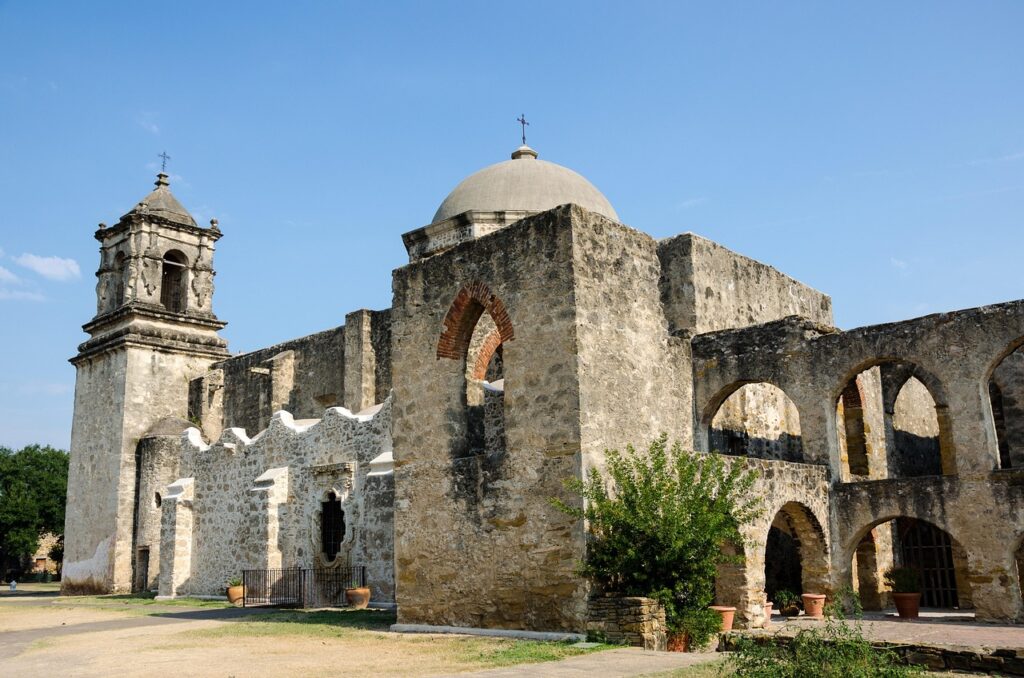
The city, declared a UNESCO World Heritage Site in 2015 thanks to its colonial missions, has capitalized on its history. The airport acts as an ambassador. In the arrivals hall, a panel explains the importance of San Antonio’s missions and offers information on how to visit them. Tourists arriving to explore the Alamo or the River Walk find in SAT a first history lesson.
Challenges and Future: Growing Without Losing the Essence
San Antonio’s airport is not without criticism. Some travelers point out that international flight offerings are limited and that the facilities, though well-kept, show signs of age in certain areas. The planned expansion seeks to address these demands, but it also raises the risk of diluting the identity that makes it unique.
Airport officials assure that growth will be done while maintaining the focus on the local experience. The plan includes more spaces for art, a greater number of musical performances, and the incorporation of sustainable technologies. The goal is that, by 2030, SAT will be recognized not only for its efficiency but for its ability to tell a story. A story that begins in the Texas desert and ends anywhere in the world.

Practical guide
If you plan to travel to San Antonio or make a stopover at its airport, here are some useful tips based on verifiable information.
- Getting there: The airport is about 13 km from downtown. You can take VIA Metropolitan Transit bus number 5, which takes approximately 40 minutes. A taxi or ride-share costs between $25 and $35 and takes about 20 minutes, depending on traffic.
- Best time to visit: Spring (March to May) and autumn (September to November) offer pleasant temperatures. Summer is very hot, with highs exceeding 35 °C.
- What to eat: Don’t miss the barbacoa at La Gloria or the tacos at Rosa’s, both present in the terminals. Prices are reasonable for an airport.
- Art and music: Check the official website for the performance schedule. Performances are usually in the afternoon, Thursday through Sunday.
- City visits: If you have a long layover, downtown San Antonio is half an hour away. The River Walk and the Alamo are must-sees. There are luggage storage facilities.
- Accessibility: The airport has services for passengers with reduced mobility, including elevators, ramps, and assistance staff. It is recommended to notify the airline in advance.
San Antonio is a city that is savored, heard, and walked. Its airport, far from being a mere transit point, is the first page of that experience. A place where architecture and culture join hands to remind us that travel can also be an act of sensory discovery.