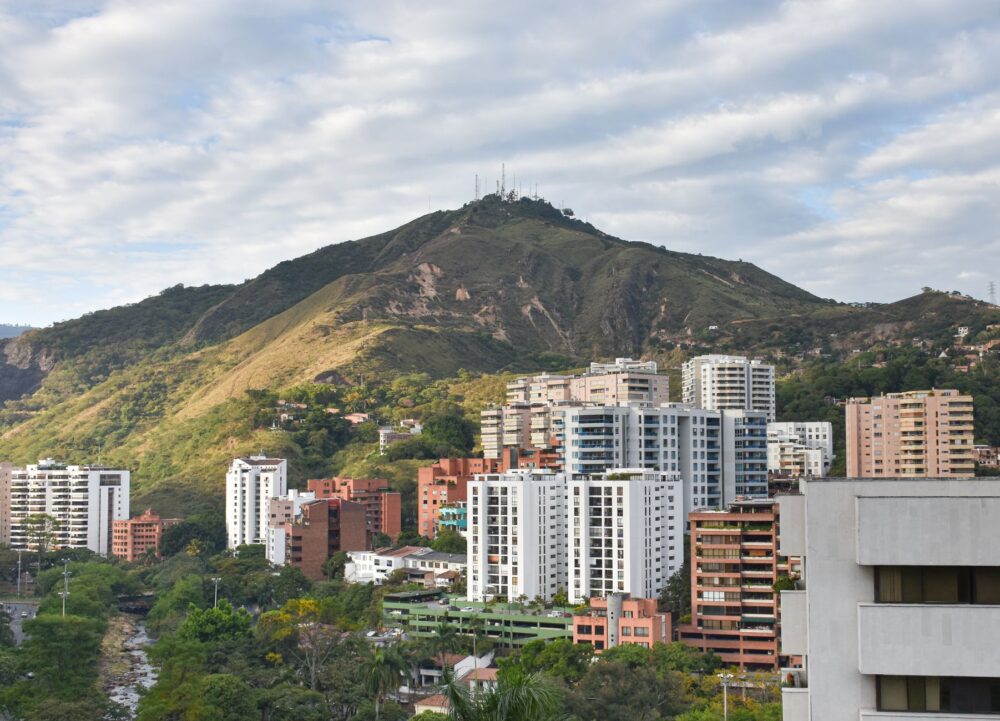
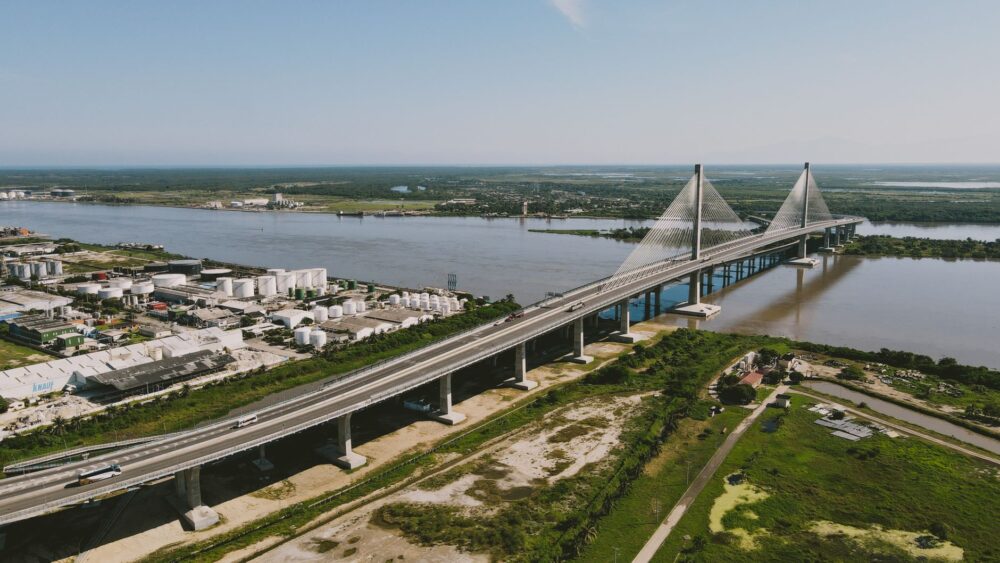
Huánuco, capital of the department of the same name in central Peru, sits at 1,898 metres above sea level, among inter-Andean valleys and ravines that descend toward the jungle. With a population of around 196,000, according to GeoNames data, the city is a crossroads where Andean heritage, colonial traces and the daily life of its markets shape a distinct character. It is not a mass tourism destination, and that is precisely why it retains a human scale that invites slow exploration.
Sustainability here is not announced with big signs: it is practised in waste management, in the defence of the water in its valleys and in the way farming communities maintain traditional crops. The traveller who arrives with respect finds a city that, without fanfare, tries to balance growth with the protection of its surroundings.
A city between the highlands and the jungle
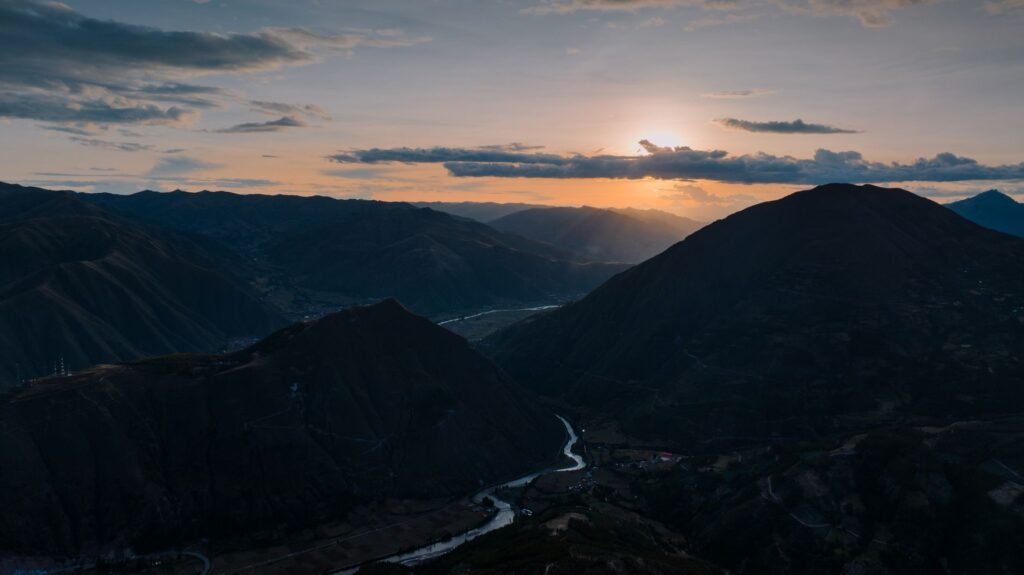
Huánuco’s location is key to understanding its identity. The city lies in a valley formed by the Huallaga River, which flows down toward the Amazon. That geographic transition—from the Andes to the high jungle—shapes the climate, agriculture and cuisine. While potatoes, maize and quinoa dominate the higher areas, coffee, coca and tropical fruits appear in the lower zones.
Travellers who climb to nearby viewpoints discover a landscape of cultivated slopes and eucalyptus groves. The morning mist clears to reveal a mosaic of plots shaped by generations of farmers. That landscape is not just a backdrop: it is the backbone of the local economy and the livelihood of many families.
Heritage you can walk through
Huánuco’s historic centre preserves churches such as San Francisco and the Cathedral, colonial in origin though rebuilt after earthquakes. Its narrow streets and red-tiled houses speak of a past dating back to the viceregal era, when the city was a mandatory stop between Lima and the jungle.
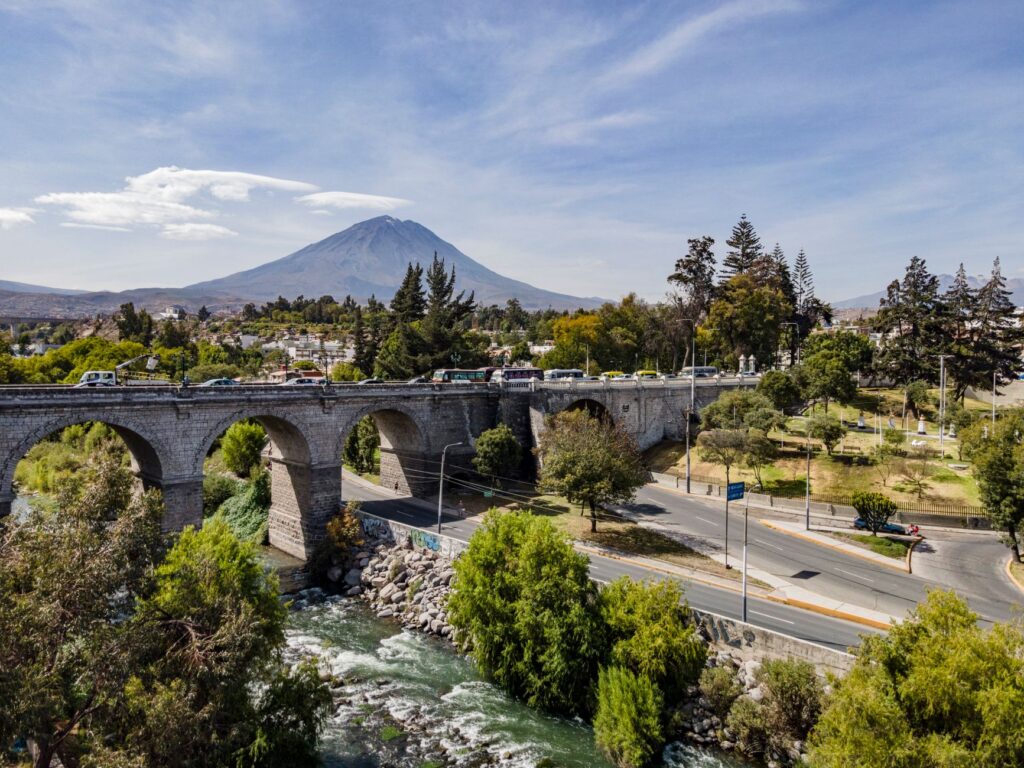
One of the local symbols is the Puente Calicanto, a 19th-century stone bridge over the Huallaga River. Walking it at sunset, when the sun reflects on the water, is one of those simple experiences that sum up the Huanuqueño pace. Nearby, the riverside promenade has become a meeting place for families and athletes.
The city is not to be visited in a hurry: it is explored on foot, letting the landscape and the people set the pace.
Markets and highland flavours
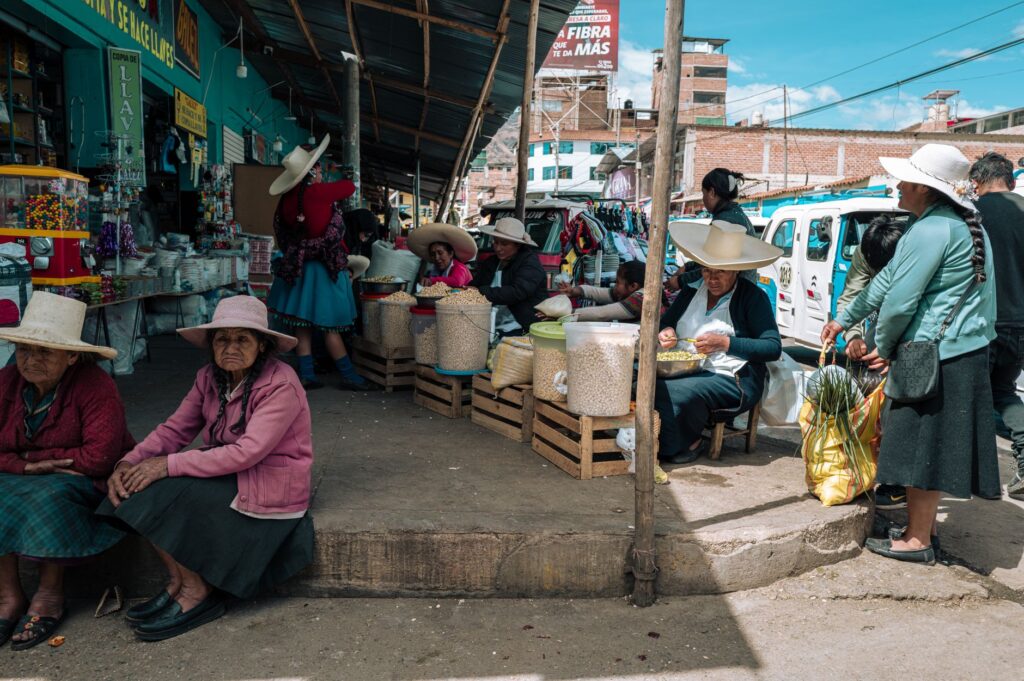
The Central Market of Huánuco is a good starting point to understand daily life. Its aisles mix products from the highlands and the jungle: native potatoes, fresh cheese, roasted coffee, bananas, herbs and spices. The vendors, many of them Quechua speakers, keep alive recipes passed from mother to daughter.
Local cuisine includes dishes such as locro de pecho, a thick meat and potato soup; picante de cuy, served with potatoes and ají; and tamal wrapped in banana leaf. The markets also offer juices from Amazonian fruits such as camu camu or cocona, rich in vitamin C and part of the daily diet.
For the responsible visitor, buying directly from producers and bringing reusable bags are small but meaningful gestures. Several stalls have already begun to reduce single-use plastics, a trend that is slowly taking hold.
Water, waste and everyday choices
As in many Andean cities, access to drinking water and waste treatment are pending challenges. The city has a sanitary landfill and recycling programmes, but coverage is still limited. In recent years, some local organisations and municipalities have promoted waste separation campaigns and riverbank clean-ups.
Travellers can contribute by avoiding unnecessary plastics, not littering in rivers or ravines, and choosing accommodation that applies water and energy-saving practices. It is not about demanding perfection, but about adding up.
Respect for the environment is not a heroic gesture: it is a sum of small, repeated decisions.
Communities that preserve seeds and knowledge
In the surroundings of Huánuco, several farming communities maintain seed banks of native potatoes and maize. These initiatives, often supported by NGOs and local universities, seek to preserve agrobiodiversity against the expansion of commercial crops. Some farms open their doors to visitors interested in these projects, always by prior appointment and respecting community rules.
Taking part in a planting or harvesting activity, even for a few hours, helps understand the effort behind every food item. That said, it is wise to research beforehand to avoid proposals that promise authentic experiences without fairly compensating host families.
Beyond the centre: valleys and lagoons
A short distance from the city are natural attractions such as Los Milagros lagoon, Las Lechuzas cave and the Conoc hot springs. These places receive visitors mainly on weekends and holidays. The recommendation is to go early, carry reusable water and leave no waste.
For those seeking longer hikes, the Ambo valley and the routes toward Carpish offer cloud forest landscapes and endemic birds. Hiring accredited local guides is essential, both for safety and to ensure money flows back into the area.
Architecture and memory
Huanuqueño architecture mixes republican and modern styles. Houses with inner courtyards and wooden balconies coexist with concrete buildings. Some historic properties have been restored for cultural uses, while others await intervention. The Provincial Municipality of Huánuco and the Ministry of Culture have worked on declaring monumental urban environments, though maintenance remains a challenge.
Walking through the Plazuela de Santo Domingo or the church of San Sebastián reveals details such as gold-leaf altarpieces and religious images that are part of popular devotion. During Holy Week, processions fill the streets with faith and colour, and the city becomes a stage for community gathering.
Getting around and when to go
Huánuco is connected to Lima by road, on a journey of approximately eight hours along a paved highway, and has the Alférez FAP David Figueroa Fernandini airport, which receives limited commercial flights. Within the city, mototaxis are the most common means of transport; it is advisable to agree on the fare before getting in. For excursions, formal transport is best.
The best time to visit is the dry season, from May to September, when rains are less frequent. In those months, hikes and valley visits are more pleasant. Nights can be cold, so bring a jacket.

Practical guide
Accommodation: there are hotels and hostels in the centre, with options for different budgets. Choose those that inform about water-saving and waste management practices.
Transport: mototaxis are inexpensive, but agree on the price beforehand. For longer trips, use formal companies.
Shopping: bring cloth bags and avoid single-use plastics. Buying in local markets directly benefits producer families.
Cultural respect: ask permission before photographing people, especially in rural communities. Learning a few words in Quechua can open doors.
Health: the altitude is moderate, but it is wise to acclimatise. Drink bottled or boiled water and eat well-cooked food.
Excursions: hire accredited local guides. Do not leave waste in caves, lagoons or rivers.
A closing view of the river
At the end of the day, the Huallaga river promenade fills with families strolling, children playing and vendors selling anticuchos and mazamorra. It is the moment when the city shows its most everyday face, far from headlines and haste. Huánuco does not pretend to be a lost paradise or a luxury destination: it is a real city, with challenges and prides, offering travellers the chance to know Andean Peru without intermediaries.
Perhaps that is why those who arrive seeking authenticity leave with the feeling of having been welcomed rather than served. And in times of mass tourism, that difference matters.