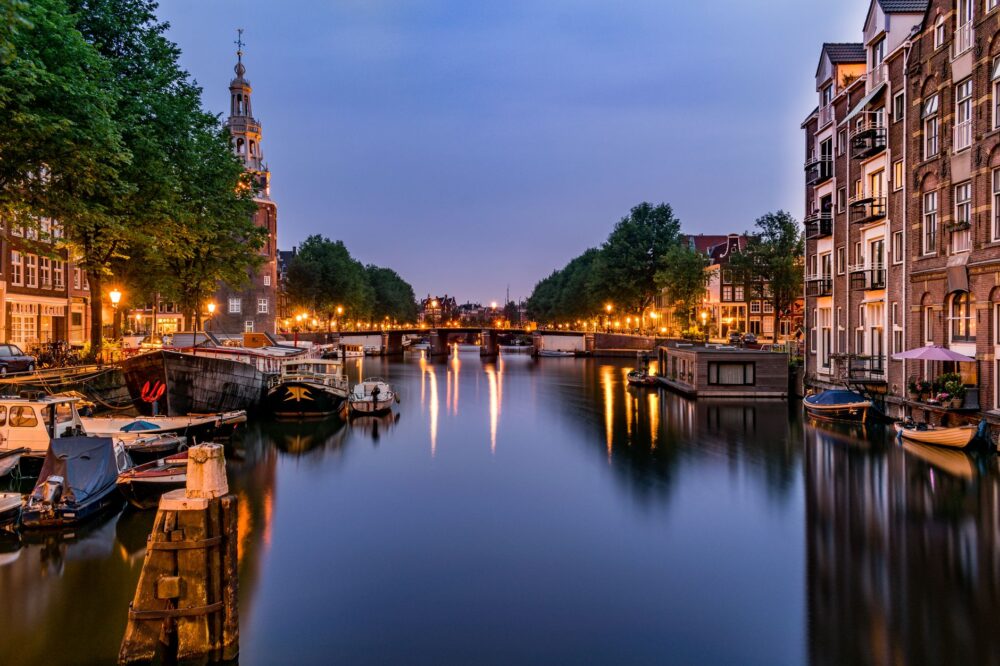
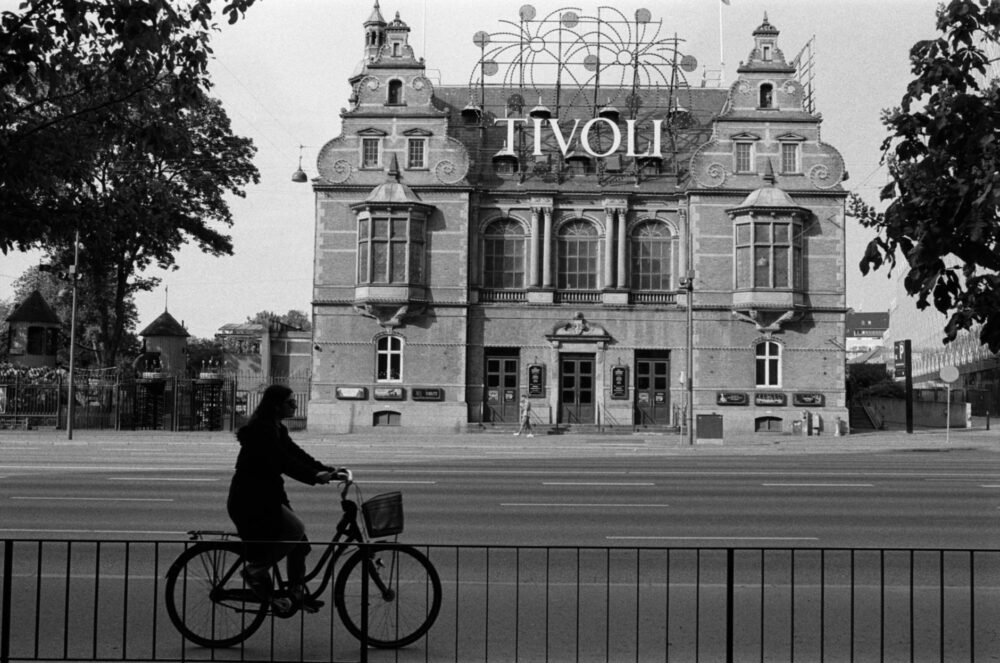
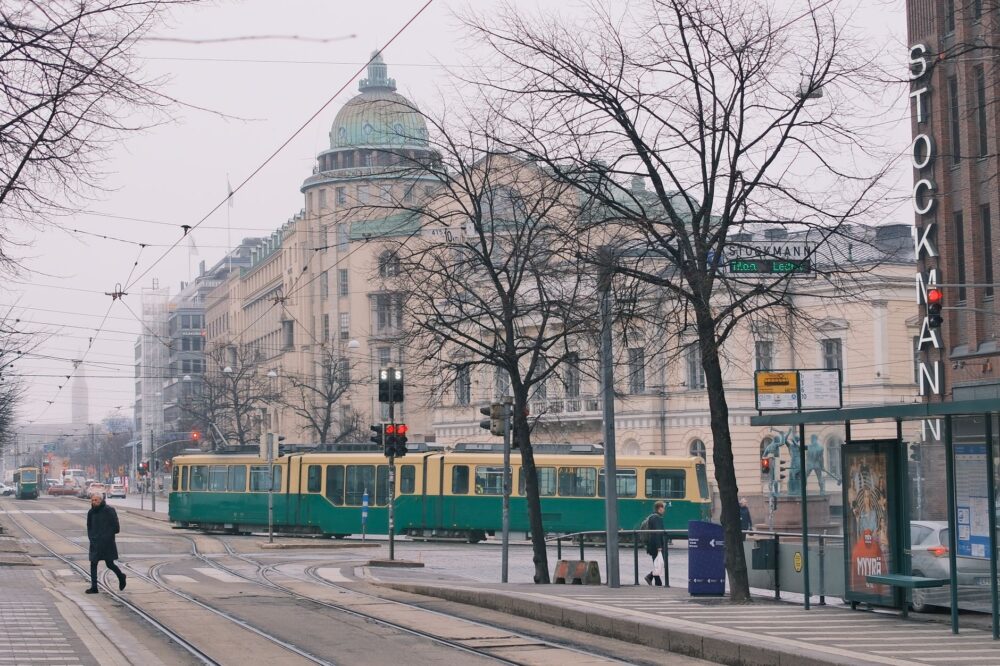
In Copenhagen, Denmark, active mobility is not a passing fad or a campaign slogan. It is an everyday infrastructure that sustains neighbourhood life, shapes the urban landscape, and redefines the experience of those who visit. Here, walking and cycling are not heroic gestures but the most natural way to get around. The city has been built and rebuilt over decades so that pedestrians and cyclists do not compete with cars but occupy centre stage. The result is an urban fabric where coexistence is practised daily, with its successes and tensions.
This report explores how Copenhagen has integrated active mobility into its DNA, what lessons it offers other cities, and what challenges remain. This is not a conflict-free paradise but a living laboratory where planning, civic culture, and design go hand in hand. In the following pages, we analyse the infrastructure, neighbourhood life, heritage, and practical keys to understanding and enjoying this city that cycles.
A history of bold decisions
Copenhagen’s transformation into a bicycle-friendly city did not happen overnight. In the 1960s and 1970s, as in so many European cities, the car dominated the streets and motorways were planned that would have cut through historic neighbourhoods. However, a series of political and citizen decisions changed course. The choice was made to prioritise public space for people, invest in segregated cycle lanes, and limit motor traffic in the centre. Today, that bet translates into a network of more than 400 kilometres of cycling infrastructure, according to municipal data, and a culture where cycling is the majority option for daily commutes.
Architect Jan Gehl, a key figure in this change, championed the idea of a human-scale city for decades. His studies on urban life influenced Copenhagen’s planning, which began to measure not only vehicle flow but also the quality of space for pedestrians. That philosophy is still alive: every new urban project considers how it will affect those who walk or cycle. Active mobility is not an add-on but the starting point.

“A city good for walking and cycling is a city good for living,” summarises the spirit that has guided Copenhagen’s transformation.
The infrastructure that makes the everyday possible
Cycling through Copenhagen is discovering a city designed for smooth flow. Cycle lanes are segregated from motor traffic, with kerbs and clear signage. At intersections, traffic lights prioritise cyclists and pedestrians, and there are “cycle superhighways” connecting suburbs with the centre. But infrastructure is not just asphalt and paint: it includes secure parking, air pump stations, and even bicycle counters that make their importance visible.
Bridges are another example. The Nørrebro Cycle Bridge, inaugurated in 2014, crosses the railway tracks and connects previously separated neighbourhoods, facilitating the movement of cyclists and pedestrians. Other infrastructures, such as the Bryggebroen bridge over the canal, have become icons of active mobility. These elements not only improve connectivity but also create new urban centres.
Beyond the bike: the pedestrian as priority
Although the bicycle grabs headlines, Copenhagen has also made progress in making the city walkable. Entire streets have been pedestrianised, such as Strøget, one of Europe’s longest shopping streets. Others have become traffic-calmed zones, where cars must move at walking pace. Public spaces, squares, and parks have multiplied, offering places to linger rather than just pass through.
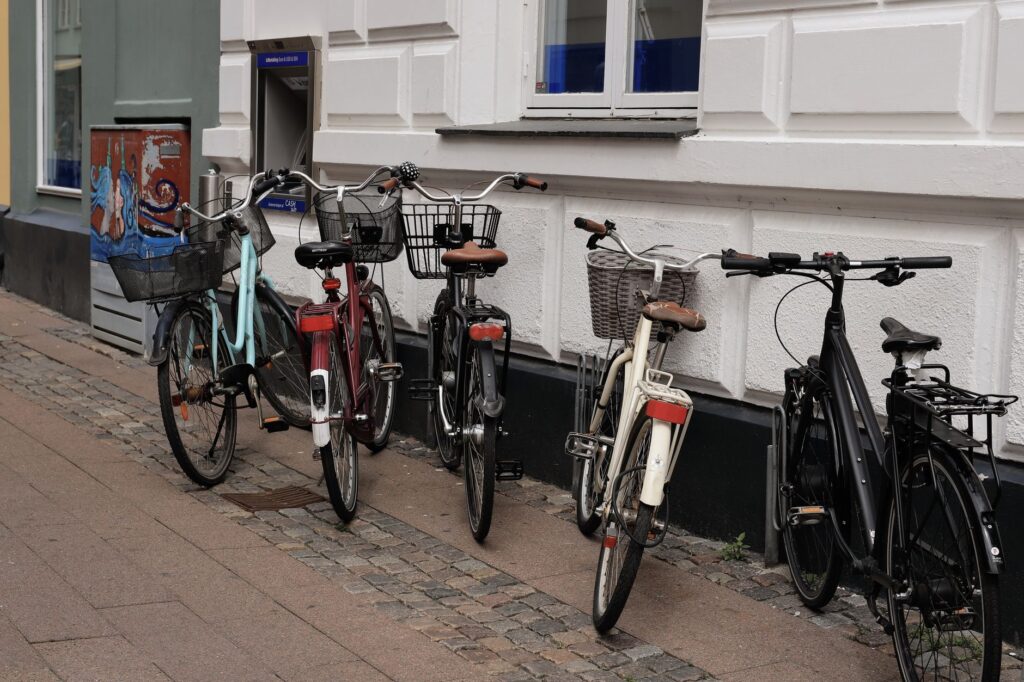
The city has measured the impact: according to municipal surveys, a large majority of residents walk or cycle daily. This reduces congestion, improves air quality, and promotes public health. Coexistence between transport modes is not without friction, but it is managed through design and road education.
Neighbourhoods that breathe active mobility
Each Copenhagen neighbourhood has its own character, and active mobility adapts to them. In the historic centre, narrow cobbled streets invite walking. In Nørrebro, a vibrant and multicultural neighbourhood, the bike is the fastest way to move between markets, cafés, and parks. In Vesterbro, a former working-class district now in vogue, cycle lanes coexist with an intense cultural life. Christianshavn, with its canals, offers scenic routes that combine water and pedals.
The Østerbro neighbourhood, more residential and elegant, has wide tree-lined avenues and a well-integrated cycling network. In Amager, to the east, new neighbourhoods are being developed where active mobility is a design requirement. Copenhagen’s diversity is reflected in how each community uses and appropriates public space.
“The bike knows no class or neighbourhood; it is the democratic vehicle par excellence,” comments a resident of Nørrebro.
Heritage and landscape: cycling through centuries
Active mobility in Copenhagen does not clash with history. On the contrary, it allows you to discover heritage in a leisurely, close-up way. Cycling through the historic centre means encountering the tower of the Church of Our Saviour, Christiansborg Palace, or the Little Mermaid. The canals of Nyhavn, with their colourful houses, are best admired from the saddle. And in the surroundings, routes such as the one leading to Valby Hill or Dyrehaven park combine nature and architecture.
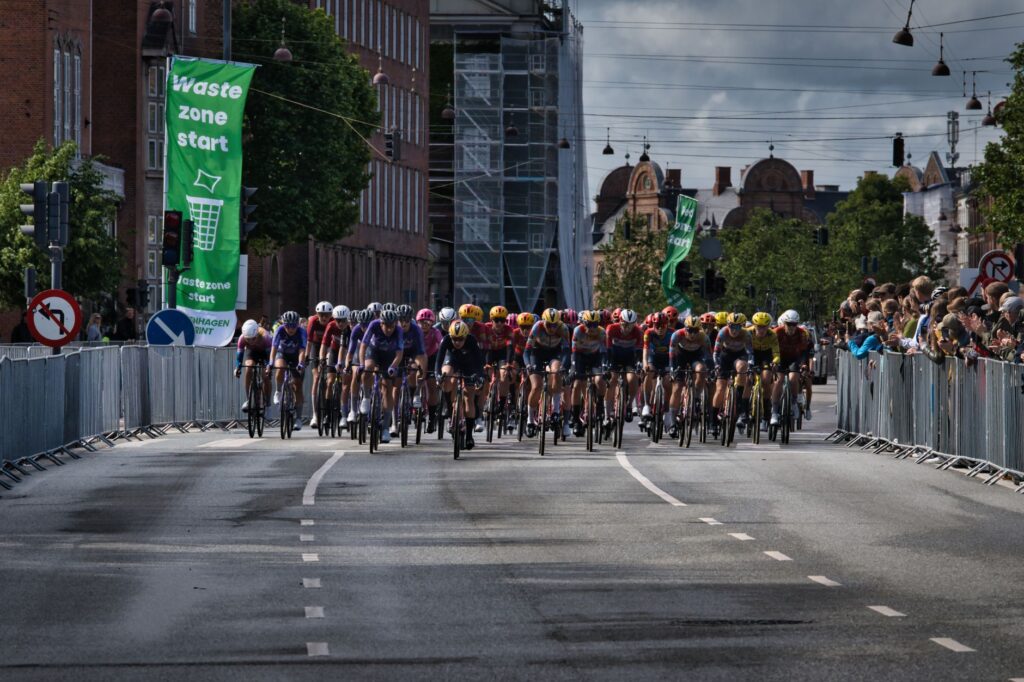
Industrial heritage has also been adapted: former factories and shipyards have been transformed into cultural and residential spaces, easily accessible by bike. The city has managed to integrate the old and the new, creating a landscape where active mobility is a way of reading history. It is not just about getting around but experiencing the environment with all the senses.
The human factor: culture and coexistence
Behind the infrastructure lies a civic culture that sustains the system. Danes learn to ride a bike from childhood, and schools include road education. Drivers are used to yielding, and cyclists respect the rules. This does not mean there are no incidents: collisions between pedestrians and cyclists, or between cyclists and cars, do occur, but they are addressed with awareness campaigns and design improvements.
Coexistence is also practised on the street. It is common to see parents with child trailers, delivery riders on cargo bikes, distracted tourists, and locals commuting. The diversity of users demands a constant effort of adaptation and mutual respect. In winter, when light is scarce and the cold bites, the city keeps cycling thanks to illuminated and maintained routes.
Sustainability: more than a word
Active mobility is a key part of Copenhagen’s sustainability strategy. The city aims to be carbon neutral by 2025, and transport accounts for a significant share of emissions. By encouraging cycling and walking, dependence on cars is reduced and air quality improves. It also promotes the local economy: cyclists and pedestrians spend more in nearby shops.
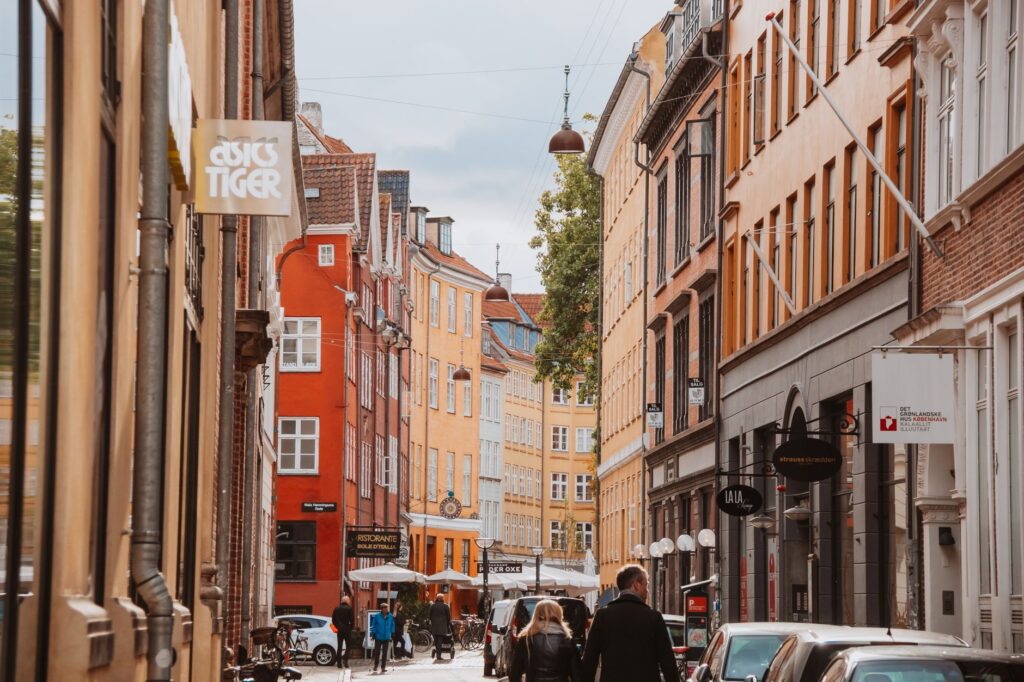
Initiatives such as CopenPay, which rewards sustainable actions with benefits like free coffee or bike rental, seek to involve visitors and residents. The city also invests in electric public transport and modal integration: you can take your bike on the metro or commuter train. Sustainability is not a slogan but a daily practice that is measured and adjusted.
Challenges and tensions of a city that cycles
Despite the achievements, Copenhagen faces challenges. Population and tourism growth puts pressure on public space. In some areas, cycle lanes become congested at peak times. Coexistence between pedestrians and cyclists in pedestrian areas generates friction. And urban expansion raises the need to connect new neighbourhoods with the centre sustainably.
Another challenge is equity: not all neighbourhoods have the same quality of infrastructure. While the centre and affluent areas enjoy extensive networks, some peripheral areas still lack safe connections. The city is working on plans to correct these inequalities. Active mobility must be accessible to all, not a privilege for a few.

Practical guide
For those visiting Copenhagen, here are some keys to moving actively and respectfully.
- Rent a bike: there are numerous rental services, from city bikes to electric ones. Many hotels offer this service.
- Respect the rules: use cycle lanes, signal your turns, and do not ride on pavements. Pedestrians have priority in pedestrian zones.
- Walk without haste: the centre is compact and easily explored on foot. Take the time to discover side streets.
- Use combined public transport: you can take your bike on the metro and commuter trains, making it easy to explore the surroundings.
- Learn about CopenPay: participate in sustainable activities and earn rewards such as coffee or museum entries.
- In winter: wear appropriate clothing and lights for your bike; main routes are kept clear and safe.
With these guidelines, the Copenhagen experience becomes richer and more responsible. The city invites you to move slowly, observe, and participate in its rhythm.
A closing note to pedal by
At dusk, when bicycle lights flicker on the avenues, Copenhagen shows its true nature: a city that has chosen coexistence over speed. The sound of bells and the creak of pedals mingles with conversations on the pavements. It is not a perfect paradise, but it is an example that another mobility is possible. The Danish capital demonstrates that the urban future can be more human, cleaner, and quieter. And it all starts with a simple gesture: taking the first step or getting on a bike.