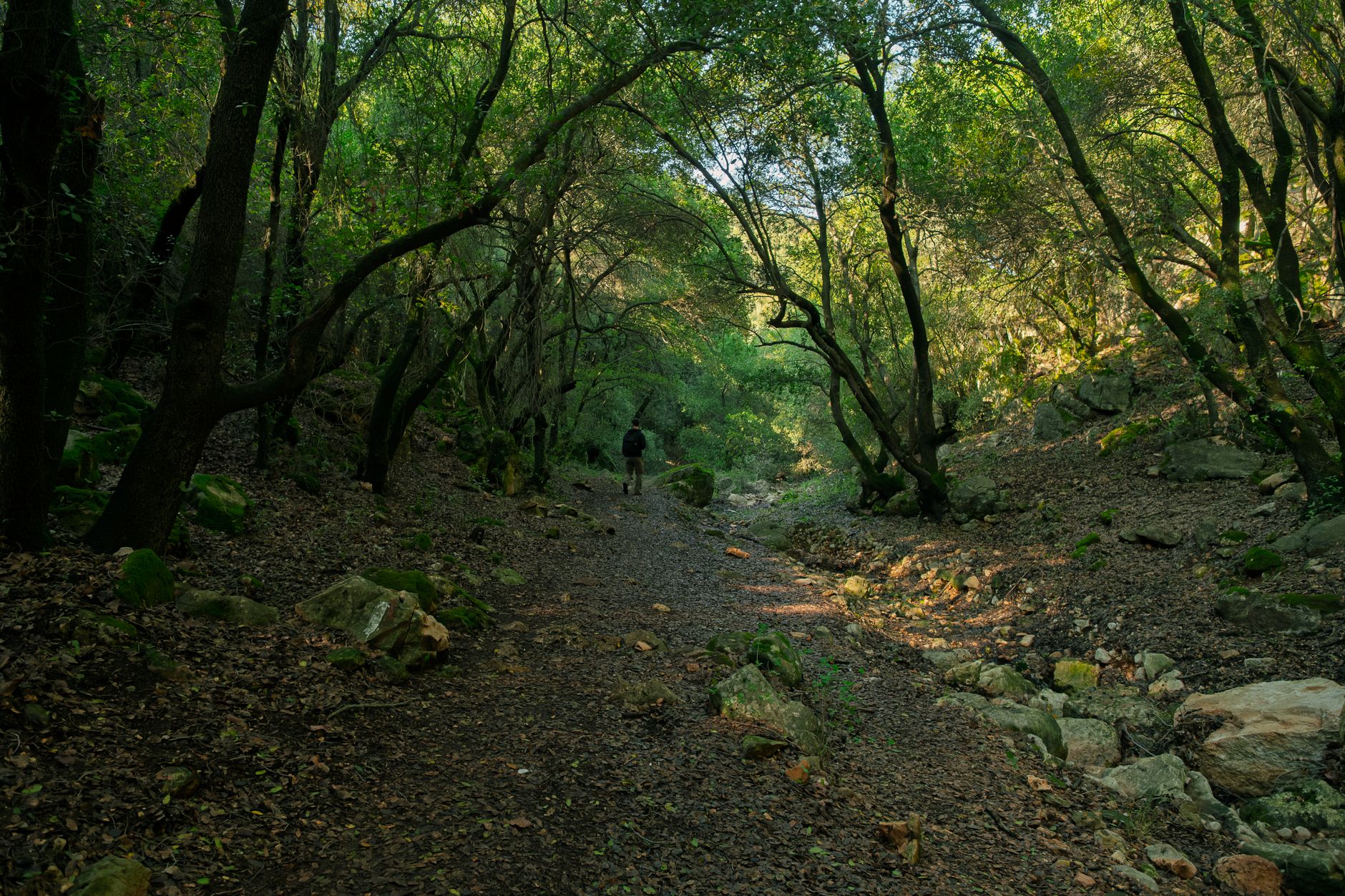

Traveling is one of humanity’s oldest and deepest experiences. It does not only move us geographically; it transforms us from within. But in a world where movement is increasingly easy and massive, it is worth asking: what do we leave behind? I am not referring only to carbon footprints, but to cultural, social, and emotional footprints. The unseen footprint is, perhaps, the most important one.
The Traveler’s Ecological Footprint
Every trip involves resource consumption: transport, accommodation, food. The global tourism industry accounts for a significant share of greenhouse gas emissions. The point is not to demonize travel, but to make it conscious. Choosing trains over planes when possible, accommodations with sustainable policies, avoiding single-use plastics. Small decisions that add up.
«We do not inherit the Earth from our ancestors; we borrow it from our children.» — Indigenous proverb
The ecological footprint is not just a metric; it is an ethic. Traveling light does not mean carrying less weight in your backpack, but leaving less weight on the environment.
Cultural Impact: Looking Without Invading
When we visit local communities, we risk turning them into showcases. The tourist gaze can objectify. Genuine hospitality cannot be bought; it is received. Respecting customs, asking permission before photographing, learning a few words of the local language, spending at local businesses. These are gestures that recognize the other as a subject, not an attraction.
The cultural footprint is subtle: a condescending look, an out-of-place comment, the appropriation of symbols without context. Avoiding it requires humility and active listening.
The Memory of the Territory
Places hold memory. A cleared forest, a polluted river, a gentrified neighborhood. The traveler can be a witness or an accomplice. Documenting without exploiting, sharing without trivializing. The memory of the territory is also built by our actions. What will this place remember of our visit? A trail of trash or a respectful exchange?
Traveling is, in a way, a form of conservation: conserving beauty, diversity, authenticity. But only if we are aware that we are visitors, not owners.
Hospitality: The Art of Being Received
Hospitality is an unwritten pact. The host offers shelter, food, and protection; the guest offers respect and gratitude. In many cultures, the guest is sacred. However, mass tourism has commodified that bond. Recovering hospitality as a value means recognizing that not everything is for sale. Sometimes, the best gift is a sincere conversation, a genuine interest in the other’s life.
Being received with dignity is a privilege. Responding with dignity is a moral obligation.
The Responsibility of the Contemporary Traveler
Today we travel more than ever. But we also have more information than ever. Responsibility is not a burden; it is an opportunity. We can choose less crowded destinations, travel in low season, support local economies, offset our carbon footprint. We can travel slowly, stay longer, go deeper instead of collecting passport stamps.
The unseen footprint is the one left on people and places. It is the smile of a grateful host, the respect of a community, the silence of an intact landscape. That footprint is not measured in kilometers, but in awareness.
Walking Without Looting
The 21st-century traveler must be an ally of the territory, not a predator. Walking without looting means not taking souvenirs that belong to the place, not imposing our culture, not demanding comforts that disrupt the local balance. It means understanding that traveling is an exchange, not a conquest.
In the end, what we remember are not the monuments, but the people. And what people remember about us is not what we bought, but how we behaved. Let us leave a footprint that is not seen, but felt: the footprint of gratitude and care.