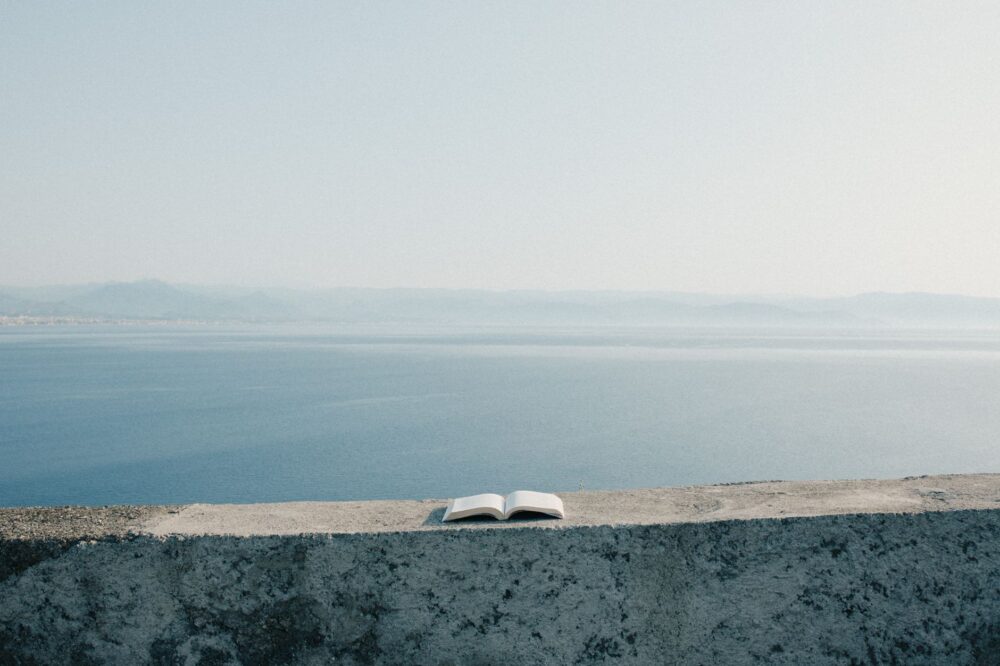

There is a way of travelling that does not seek to accumulate stamps in a passport or to prove anything to anyone. It is the one that understands that the value of a journey is not calculated in kilometres or days, but in the quality of presence. In a world that celebrates speed and display, we reclaim slowness as a form of knowledge and silence as a form of respect. This is not a nostalgic pose, but a conviction: what truly matters about a journey rarely fits into a photograph or an anecdote told lightly.
The tyranny of recording
We live surrounded by stimuli that push us to document everything. The phone camera becomes a prosthesis that stands between our eyes and the world. But there comes a moment when the obsession to capture destroys the experience itself. The traveller who only looks through a screen stops looking for real. Attention fragments, wonder is domesticated, and the territory becomes a backdrop for our own image.
We do not propose renouncing visual memory, but recovering the hierarchy of the senses. To smell, to listen, to touch, to taste. The journey then becomes a conversation with the place, not a monologue. And in that conversation, silence plays a fundamental role: the silence of one who listens without interrupting, who observes without judging, who allows themselves to be transformed without resisting.
Time as territory
There is a geography that does not appear on maps: that of time lived with intensity. When we travel slowly, time expands. An afternoon in a square can contain more stories than a week of hurried visits. Slowness is not a renunciation of experience, but a way of deepening it. It is the difference between seeing and looking, between hearing and listening, between being and inhabiting.
That slowness confronts us with our own impatience. It forces us to live with what we do not control: the weather, other people’s schedules, the unexpected. And in that coexistence we discover a form of freedom that does not depend on efficiency, but on acceptance. The journey thus becomes a school of humility and patience.
It is not about arriving earlier, but about arriving differently: with the senses open and the light luggage of one who has nothing to prove.
What is not told
There are experiences that are not shared because they cannot be translated. A scent, a light, a conversation without words with a stranger. They are moments that belong to the intimacy of the traveller and that lose their magic when they become social currency. The culture of display has taught us to measure the value of what is lived by its capacity to be told, but that measure is deceptive.
What is essential is not photographed. It is not published. It is not boasted about. It is kept in that deep memory that needs no validation from anyone. And when the journey ends, what remains is not a list of places, but a silent transformation in the way we look at the world.
Hospitality as a mirror
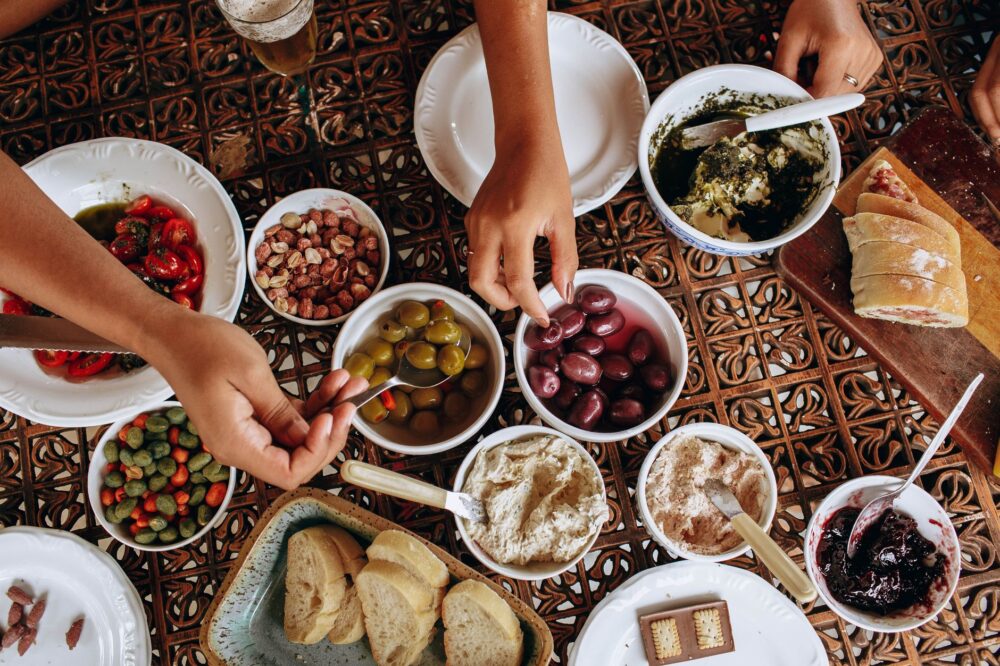
In that journey without metrics, hospitality takes on a different value. It is not a service, but an encounter. It is not bought, it is received. And the one who offers it expects nothing in return, except the respect of the one who arrives. That invisible reciprocity is what sustains coexistence between cultures and reminds us that the world is not a stage, but a shared home.
To be received with dignity is a privilege that obliges. It obliges gratitude, discretion, the responsibility of leaving no trace beyond memory. The traveller who understands this is no longer a tourist: they are a guest aware that their passage through a territory does not belong to them.
The return as part of the journey
Every true journey includes the return. Not as a failure, but as a consequence. To return is not to close a parenthesis, but to integrate what has been learned into daily life. Home becomes a different place because we are different. And that difference is not explained: it shows in the way we are, the way we listen, the way we value what once seemed obvious.
The journey that cannot be measured never quite ends. It leaves a mark on the sensibility, an open question, a curiosity that is no longer satisfied with easy answers. And in that not ending lies its greatest richness: that of having taught us that the world is larger than our certainties and more generous than our fears.