
In the Mexican city of Talavera, in the state of Puebla, clay is not bought and sold like any other commodity. It is inherited. Every workshop has its own identity, reflected in the details of shapes, decorations, colors and enamels. Talavera glazed ceramics are a craft transmitted from generation to generation, mainly orally, within the family or the workshop itself. There is no single manual: there are masters who teach with their hands and apprentices who learn by watching.
In 2019, UNESCO inscribed the artisanal processes of Talavera of Puebla and Tlaxcala, in Mexico, and of Talavera de la Reina and El Puente del Arzobispo, in Spain, on the Representative List of the Intangible Cultural Heritage of Humanity. The recognition does not set the two countries up as rivals; it underscores a technical continuity that dates back to the 16th century. In Talavera, Mexico, that continuity is lived every day in workshops where the electric potter’s wheel coexists with methods that have barely changed in their essentials: preparing clay, shaping the piece, decorating it, preparing enamels and pigments, and managing the kiln with expertise that cannot be improvised.
A craft learned by hand
The transmission of knowledge in Mexican Talavera does not depend on academies or certificates. It depends on shared time. Master earthenware artisans and ceramists have developed their skills over the years and pass them on to the next generations in artisanal workshops or in the family setting. Some ceramists carry out the whole process; others specialize in specific tasks. That division of labor does not diminish the whole: it organizes it.
Learning includes raw material extraction, material processing, decoration and firing techniques. None of that is learned in an afternoon. That is why, when a visitor enters a workshop in Talavera, they are not entering a shop: they are entering a space where time is measured in firings and seasons, not in tourist seasons.
Talavera ceramics are not explained only by what is seen in the finished piece, but by what happens before: the selection of clay, the pulse of the brush, the patience of the kiln.
The process: clay, enamel and fire
The artisanal process of Talavera retains the same pattern as in the 16th century, even though electric potter’s wheels are used today. Preparing the clay is the first step. Then comes the shaping of the piece, on the wheel or by cast. Next, decoration, which in Talavera has a recognizable chromatic repertoire and a precise geometry. After that, the preparation of enamels and pigments. And finally, managing the kiln, which requires considerable expertise.

Each stage has its own timing. Firing cannot be rushed without risking the piece. Decoration cannot be done without understanding how the enamel will react to heat. That internal logic of the craft is what makes Talavera a living heritage rather than a relic. Knowledge is not only in the final object, but in the decisions made at every stage.
Workshops with their own identity
Each workshop in Talavera has its own signature. Some lean toward traditional shapes; others introduce contemporary variations. Some work with more restrained palettes; others opt for intense contrasts. That diversity does not break tradition: it keeps it active. UNESCO notes that ceramic production remains a key identity symbol in both countries, and in Talavera, Mexico, that is visible in the way workshops relate to their city.
Visitors in a hurry often see only glossy surfaces. Those who slow down discover that behind each piece there is a chain of gestures: hands that knead, brushes that trace, kilns that wait. The difference between a superficial visit and a meaningful one lies in attention.
What to look for when entering a workshop
You do not need to be a ceramist to appreciate what happens in a Talavera workshop. It is enough to observe with respect. Some useful keys:
- Notice the state of the space: an active workshop has dust, tools in use and pieces at different stages.
- Ask before touching. Unfired pieces are fragile and contact can ruin hours of work.
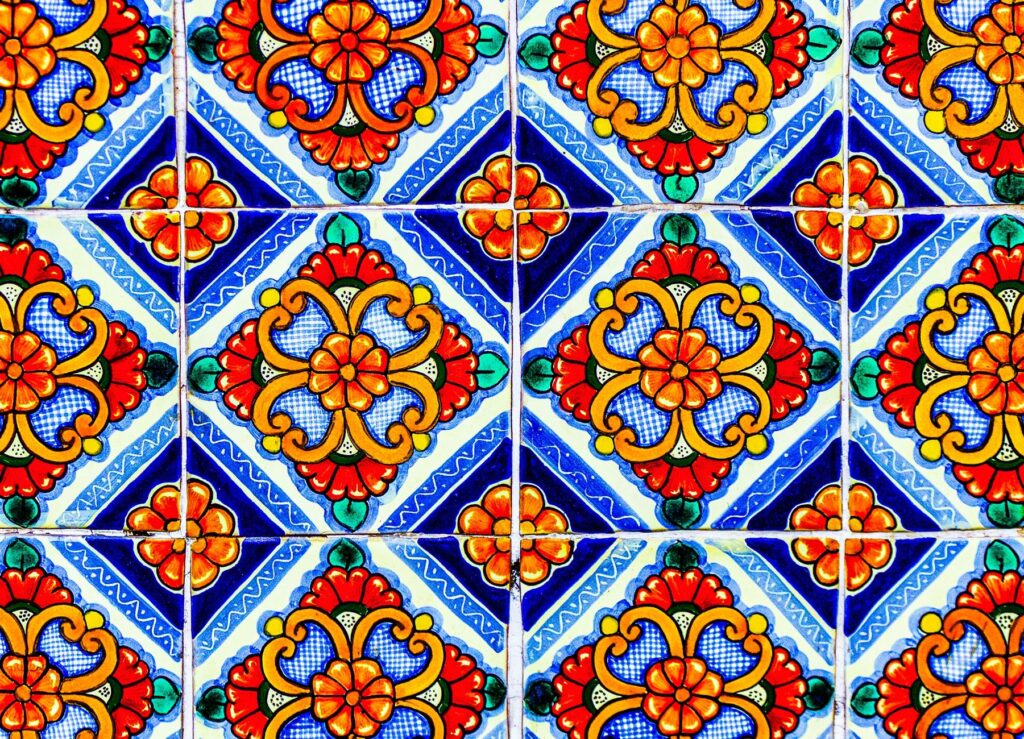
- Look at the decoration: handmade strokes have small irregularities that do not appear in industrial printing.
- Listen. In many workshops, the explanation of the process is as valuable as the finished piece.
- Do not haggle as if you were in a market. Artisanal Talavera has a cost that reflects time, materials and knowledge.
The role of the responsible visitor
Talavera in Mexico is a heritage sustained, in part, by those who buy and value it. But poorly managed tourism can become a pressure. Responsible visitor choices are not a symbolic gesture: they are a way to sustain the craft.
Buying directly from the workshop, avoiding intermediaries that precarious the work, respecting schedules and not invading the workspace are concrete gestures. So is understanding that not everything can be photographed. Some workshops allow images and others do not; asking is part of the visit.
The best souvenir a visitor can take from Talavera is not a photograph, but the understanding that each piece has passed through many hands before reaching theirs.
Training and generational succession
One of the challenges of the craft is succession. Oral transmission works when there is family or community continuity. When that continuity breaks, knowledge is lost. That is why workshops that teach young people and keep their doors open to apprentices fulfill a function that goes beyond production.
UNESCO links this heritage to sustainable development goals such as quality education, gender equality, decent work and responsible consumption. In Talavera, Mexico, those links translate into practical questions: who learns the craft? Under what conditions do they work? How is the value of what is produced distributed?
Raw materials and sustainability
The extraction of raw materials, the processing of materials and kiln management have an environmental impact. Artisanal ceramics are not immune to that reality. Workshops that work with sustainability criteria not only care for the environment: they also ensure the viability of the craft in the long term.
Visitors can contribute to that sustainability by choosing durable pieces, avoiding impulse purchases and valuing well-made work over the lowest price. Talavera is not a disposable souvenir; it is an object that can accompany several generations if cared for.
Practical guide
Before traveling to Talavera, Mexico, it is worth planning the visit with clear criteria. The city is located in the state of Puebla, and its ceramic tradition is linked to family workshops and production spaces that do not always operate as conventional tourist attractions.
- When to go: avoid the central hours of the day if you want to talk with artisans. Morning is usually better for observing work calmly.
- How to get around: the center of Talavera and its surroundings concentrate much of the workshops. Ask at your accommodation about spaces open to the public before traveling.
- What to bring: comfortable shoes and clothes you do not mind getting dirty. In an active workshop there is dust and materials.
- What to buy: utilitarian or decorative pieces that have been explained by the person who made them. Ask about the process, not just the price.
- What to avoid: touching unfired pieces, interrupting someone who is working and haggling aggressively.
- Language: Spanish is the working language in the workshops. If you do not speak it, prepare questions in advance or look for guided visits.
A city that can be read in its walls
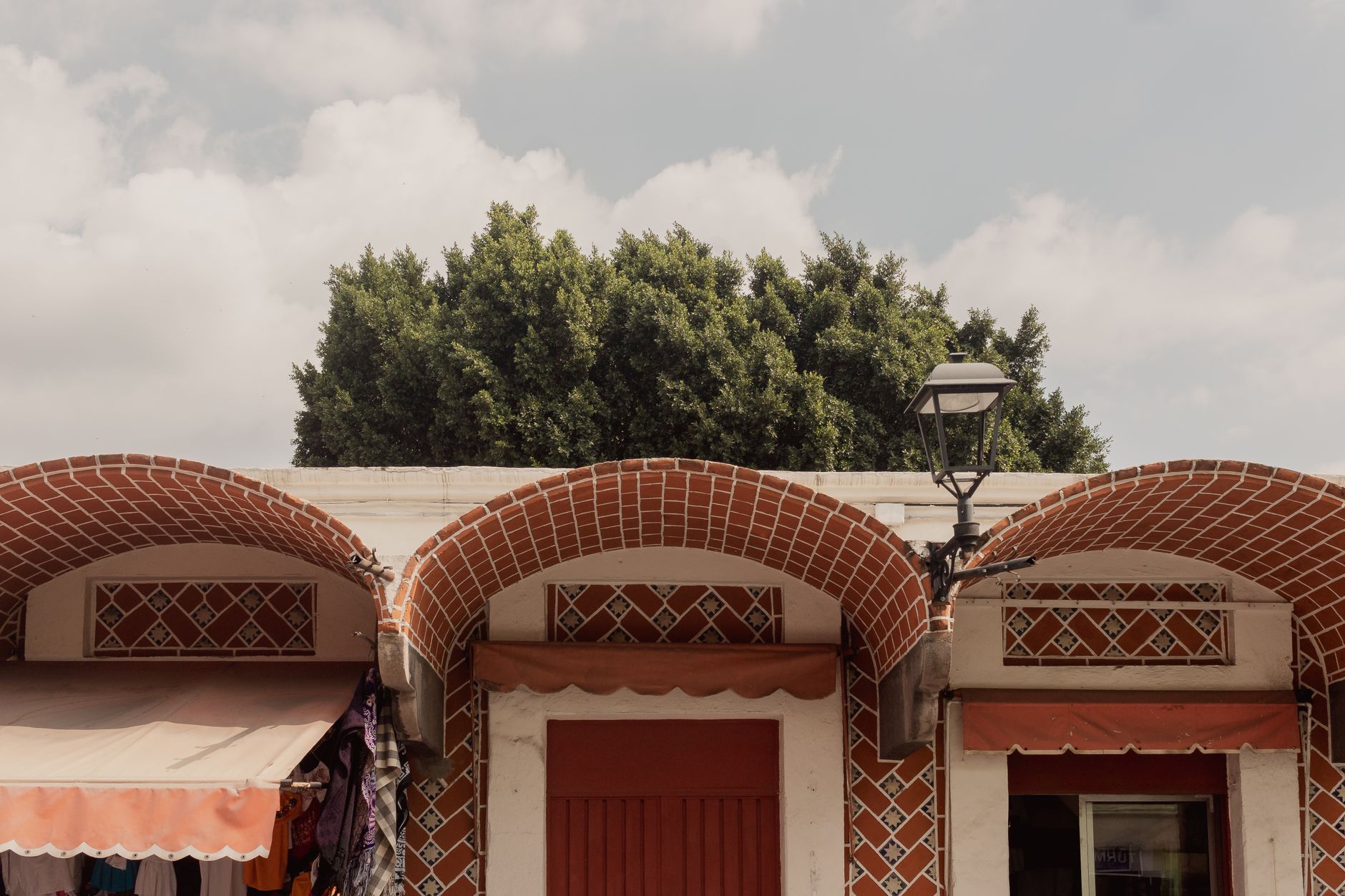
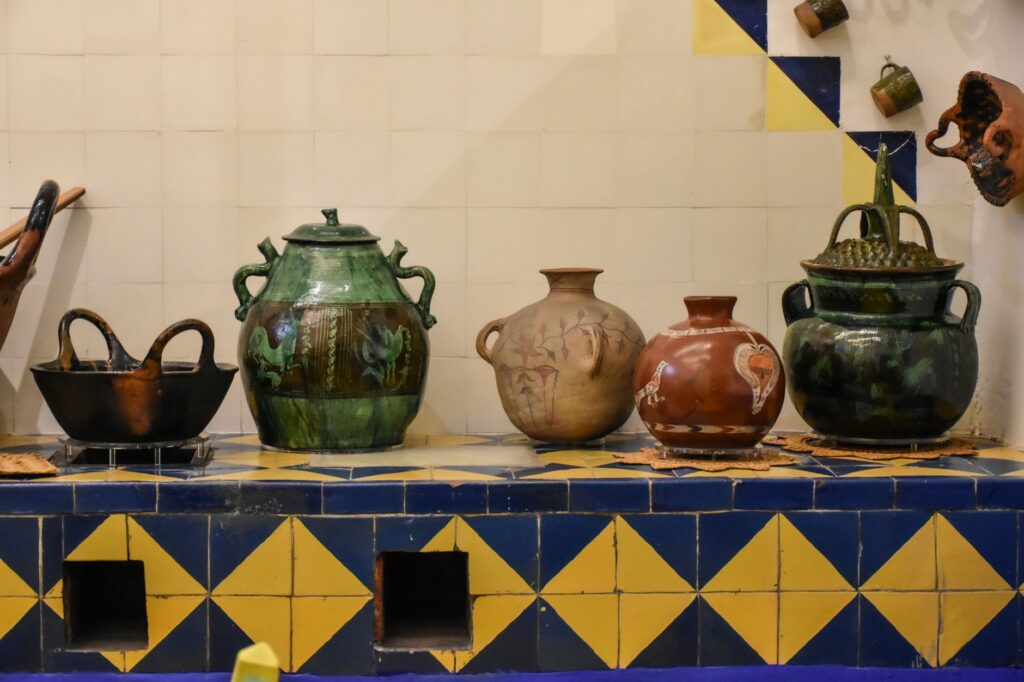
Talavera, Mexico, is not only a place where ceramics are made. It is a place where ceramics have left their mark on architecture, courtyards, facades and collective memory. Ceramics have domestic, decorative and architectural uses, and that multiple presence explains why the craft still makes sense to the community.
Walking through Talavera is reading that history in layers. The pieces seen in workshops dialogue with those integrated into buildings. Visitors who understand that relationship take away a more complete image than that of a simple display case.
The future of the craft
Talavera of Puebla and Tlaxcala shares recognition with that of Talavera de la Reina and El Puente del Arzobispo, in Spain. That connection is not an anecdote: it is proof that crafts can be both local and universal. In Talavera, Mexico, the future of the craft depends on concrete decisions: that there are apprentices, that workshops are sustainable, that visitors value the work and that oral transmission is not interrupted.
There are no guarantees. But there are signs. As long as there are hands willing to knead, decorate and wait for the fire, Talavera will remain something more than a travel memory.