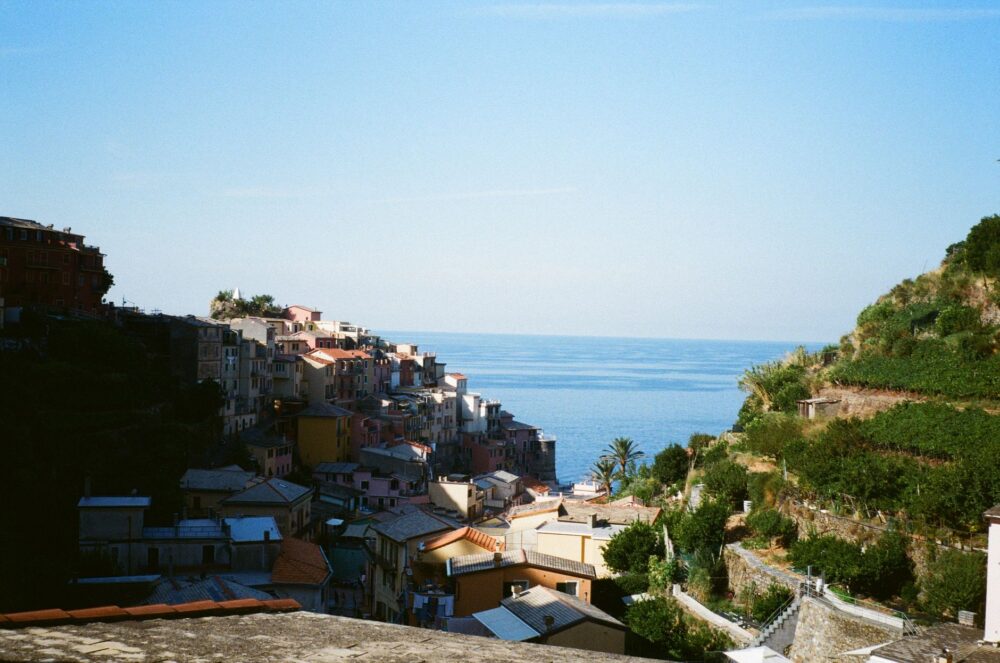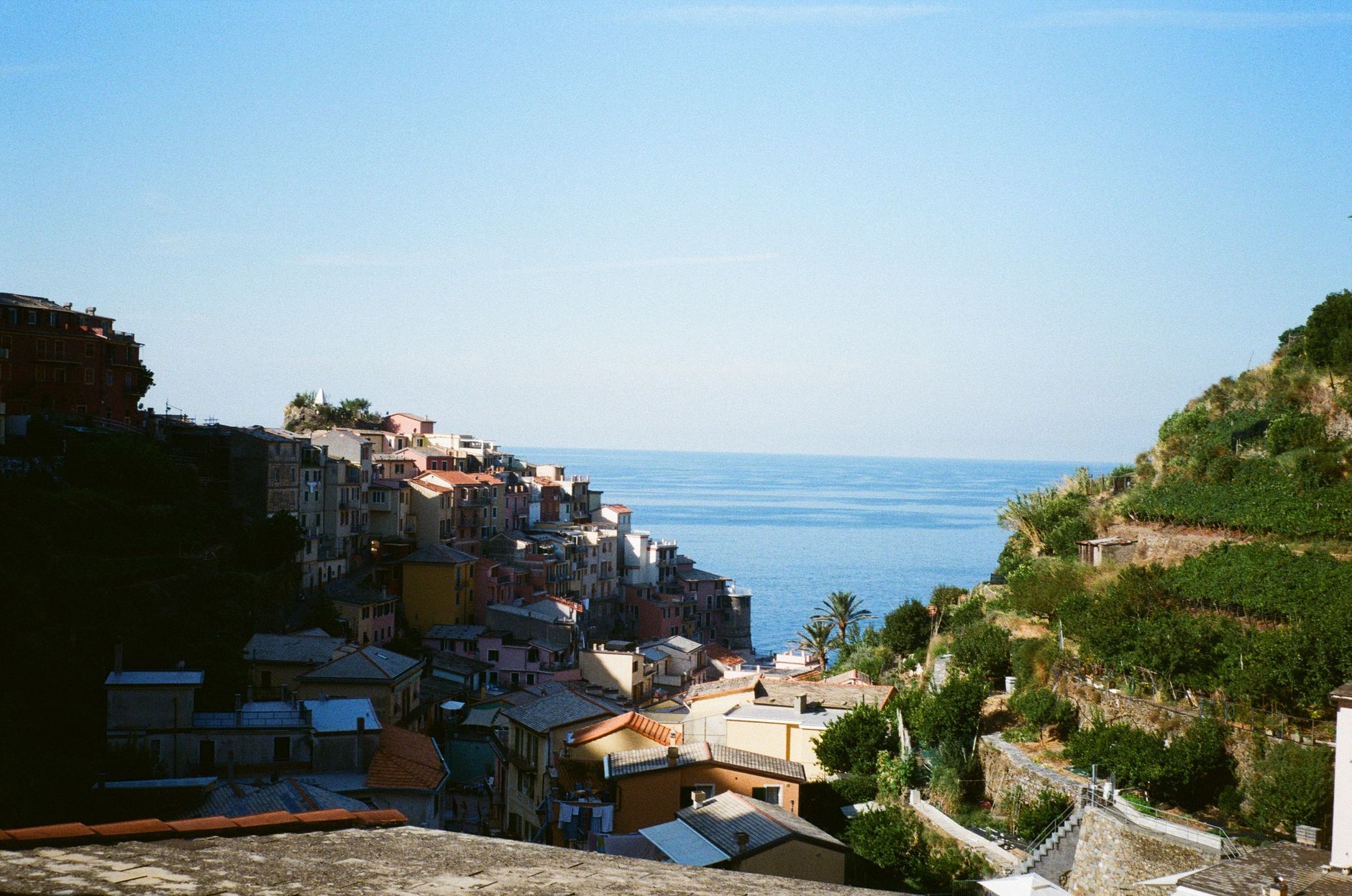

The landscape of Cinque Terre, on the eastern coast of Liguria between Levanto and La Spezia, is one of those human creations that blends into geology. For nearly a thousand years, generations of farmers have carved terraces into slopes rising more than 400 metres above sea level, held in place by dry-stone walls that, taken together, stretch for thousands of kilometres. This is not a metaphor: without those walls, the mountain collapses and the villages clinging to it lose the ground beneath their foundations.
UNESCO inscribed this territory — encompassing the five villages of Monterosso, Vernazza, Corniglia, Manarola and Riomaggiore, plus Portovenere and the islands of Palmaria, Tino and Tinetto — as a cultural landscape in 1997. The recognition highlighted something visitors rarely perceive: maintaining the terraces is a collective act, a form of cooperation that has made it possible to grow vines and olive trees on terrain that would otherwise be hostile.
A landscape built by hand, stone upon stone
The dry-stone walls of Cinque Terre are not decorative. They were mostly built in the 12th century, when Saracen raids from the sea came to an end and communities could settle permanently. Each terrace was raised with sandstone blocks and pebbles removed from the ground, fitted without mortar, with a precision that still astonishes engineers and architects today.
UNESCO calculated that, at the time of inscription, some 130 metres of wall per hectare of vineyard and between 30 and 300 metres per hectare of olive grove were in urgent need of reconstruction. That figure gives a sense of the scale of the challenge: this is agricultural infrastructure that requires constant repair, especially after heavy rain or landslides.
The terrace system does not only hold the soil. It also regulates water, creates microclimates and shelters biodiversity in the spaces between crops. In the higher parts, the natural garrigue and maquis vegetation survives intact, providing food and shelter for numerous insect and animal species.

Five villages, five ways of looking at the sea
Each village in Cinque Terre has a personality shaped by its topography. Monterosso al Mare, the northernmost, spreads along two short valleys and boasts one of the few sandy beaches in the area. Vernazza is organised around the Vernazzola stream, protected by a rocky spur that shields it from the sea’s onslaught.
Corniglia is the exception: it does not face the water directly but perches on a high promontory, forcing visitors to climb a long staircase or take the local bus. Manarola descends towards the sea in two directions, with houses that seem to hang from the rock. And Riomaggiore, the easternmost, lines its dwellings along the narrow valley of the Rio Maggiore, now covered and turned into the main street.
Beyond the five villages, Portovenere completes the ensemble. It was an important commercial and cultural centre in Roman times, and its compact layout culminates in the Doria Castle, which dominates the town. Off its coast, the islands of Palmaria, Tino and Tinetto preserve remains of early monastic settlements and a natural beauty that contrasts with the urban density of the coast.
The community as invisible infrastructure
Maintaining the terraces does not depend on a central administration or a service company. It depends on the farmers and landowners who, often on a voluntary basis, repair the walls and cultivate the vines. UNESCO describes this as a communal approach to farming: without the collaboration and cooperation of the communities, this type of cultivation would not be possible.
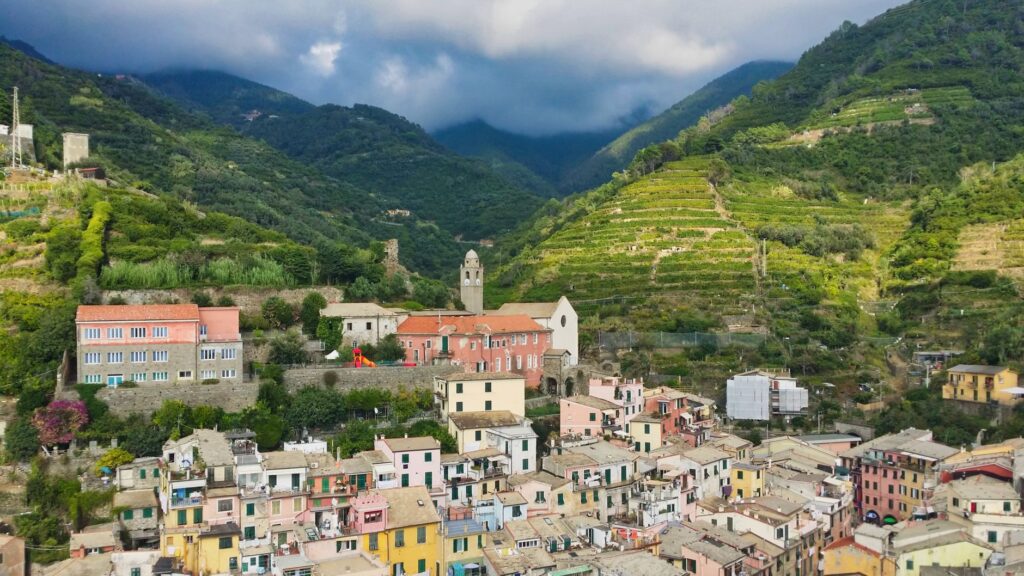
The landscape of Cinque Terre is not preserved by decree, but by the sum of everyday gestures from those who live in it.
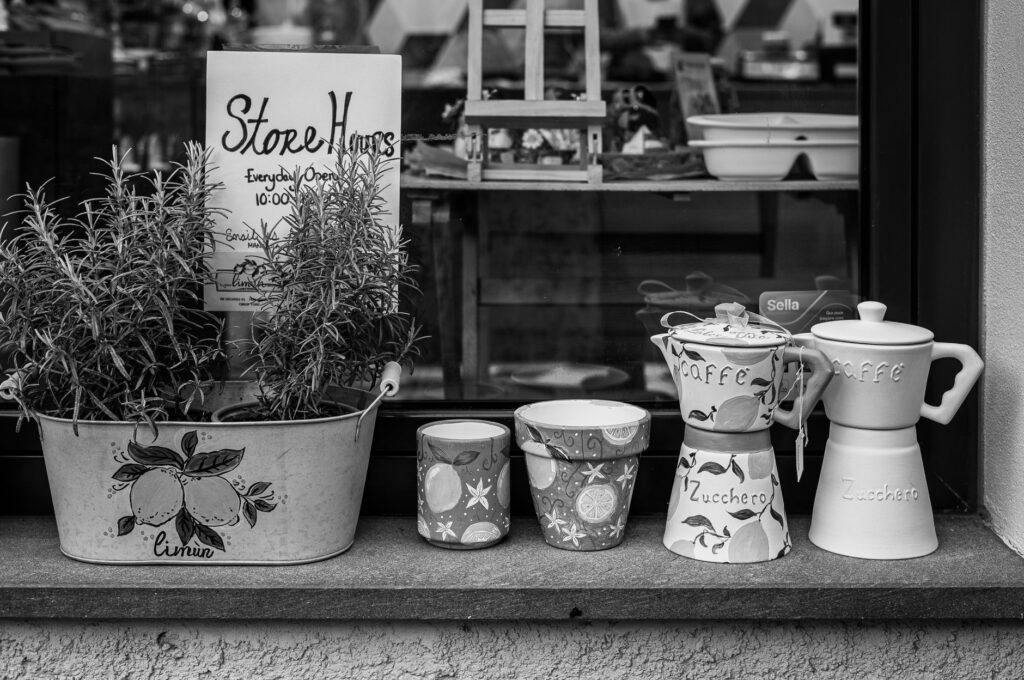
That reality has a direct consequence for the traveller. Every bottle of wine produced on these slopes, every kilo of olives or lemons, carries with it conservation work that is not visible. Buying local produce is not just a gastronomic choice: it is a way of sustaining the landscape.
The Cinque Terre National Park, created in 1999, and the Portovenere Regional Park are the main protection figures. Their management plans establish strict restrictions on construction and limit the development of tourist facilities. However, terrace maintenance still falls largely to private hands, with support programmes that operate on a voluntary basis.
The tourism that sustains and the tourism that wears away
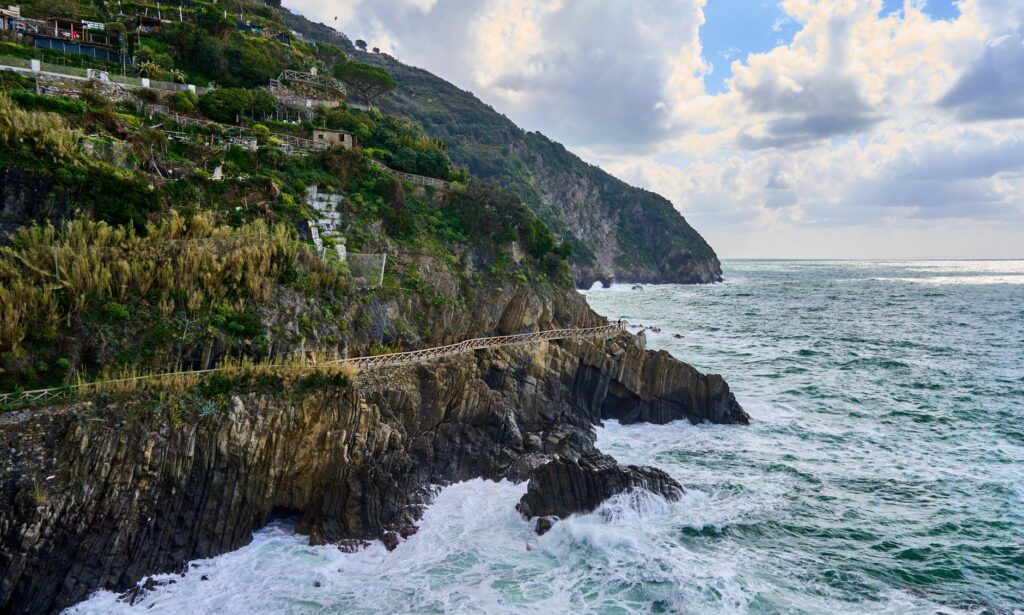
Cinque Terre receives a massive influx of visitors every year, drawn by the fame of its viewpoints and picturesque villages. That tourism is both a source of income and a threat. The trails connecting the villages, such as the famous Via dell’Amore between Riomaggiore and Manarola, have suffered closures and repairs due to landslides. The pressure on paths, trains and local services is intense in high season.
The paradox is that the very landscape that attracts millions of people requires agricultural activity that is not always profitable. Many young people have abandoned the terraces to work in the tourism sector, and some plots have been left uncultivated. UNESCO warns that abandoned terraces are highly vulnerable to landslides and that spontaneous reforestation also threatens the structure of the landscape.
Faced with this scenario, initiatives have emerged that link tourist activity with land maintenance. Recovery programmes have restored some tens of hectares to vine and olive cultivation, and communal activities for marketing wine have been strengthened. They are not definitive solutions, but they point in a direction: visitors can be part of conservation if they choose how they travel and what they consume.
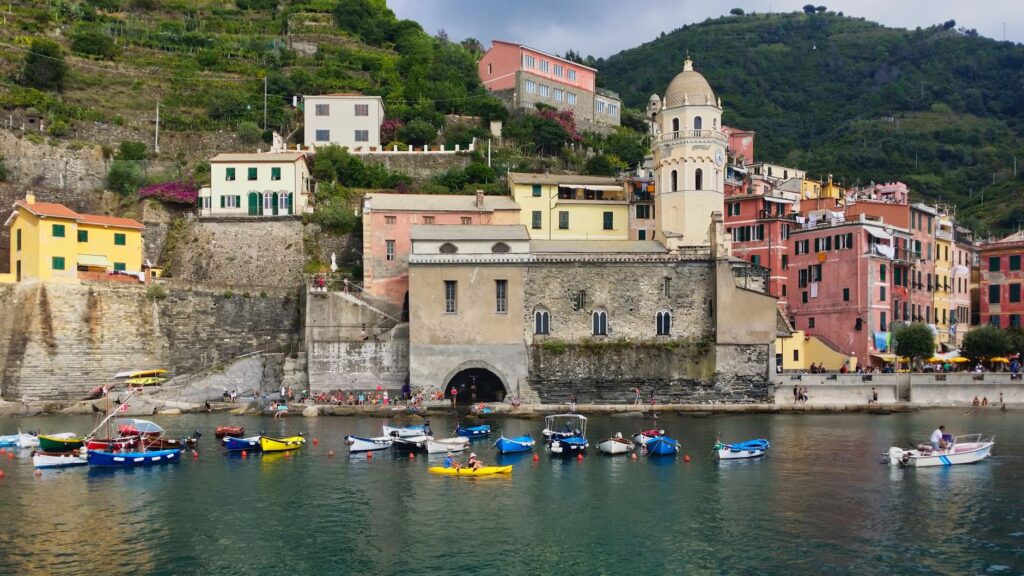
What the responsible traveller can do
The first decision is when to go. Spring and autumn offer milder temperatures, fewer crowds and a landscape in full agricultural activity. Summer concentrates the greatest pressure on trails and transport.
The second is how to move. The regional train connecting the five villages is the most efficient and lowest-impact option. Cars are restricted in most urban centres and parking is complicated and expensive. Walking between villages is possible, but requires suitable footwear and respect for the crops: the terraces are not a theme park, they are working farms.
- Choose small, family-run accommodation rather than large complexes.
- Buy wine, oil or lemons directly from local producers.
- Respect trail signs and do not leave marked paths.
- Avoid swimming in unauthorised areas and do not leave waste on the terraces.
- Visit on weekdays and outside the busiest public holidays.
The third is to understand that Cinque Terre is not a stage set. It is a living territory, with a community working to maintain it. The traveller who understands this does not only enjoy it more: they contribute to keeping the landscape standing.
A thousand-year story that is still being written
UNESCO describes this site as an outstanding example of an evolved cultural landscape. It is not an open-air museum, but an organism that changes with each generation. The walls we see today were repaired by the grandparents of today’s farmers, and will be repaired by their children or by those who take their place.
That continuity is the true attraction of Cinque Terre. Not the colours of the facades or the views from the viewpoints, but the evidence that a landscape can sustain itself for centuries if there is a community willing to do so. The challenge of the 21st century is for that community to find a balance between the pressure of tourism and the profitability of agriculture.
Travellers who arrive in these villages with curiosity and respect can be part of the solution. There is no need to be a farmer or a conservation expert. It is enough to choose the right moment, transport and consumption. And to understand that every terrace that is maintained is a silent victory against abandonment.
Practical guide
Getting there
The easiest way is the regional train from La Spezia or Levanto. All five villages have their own station, except Corniglia, which requires climbing from the station via a staircase or a local bus. From Genoa or Pisa there are frequent connections. Driving is not recommended: parking is scarce and expensive, and access to the villages is restricted.
When to go
Spring (April to June) and autumn (September and October) are the best times. The weather is mild, the trails are open and agricultural activity is visible. July and August concentrate the highest number of visitors and the highest temperatures. Winter is quiet, but some services and trails may be closed.
What to bring
Hiking shoes or trainers with good grip. Plenty of water, sun protection and a hat. If you plan to walk between villages, check the condition of the trails at tourist information offices or on the Cinque Terre National Park website.
Where to eat and shop
Local products are the best option: wine from the terraces, olive oil, lemons, honey and Genoese pesto. Markets and small shops in each village offer the chance to buy directly from producers. Restaurants with menus based on seasonal ingredients tend to have a more positive impact on the local economy.
Rules of respect
Do not leave marked trails, do not take stones or plants, do not leave waste and do not swim in unauthorised areas. The terraces are private working farms: they can be admired, but not walked on without permission. Silence and calm are part of the appeal; it is worth remembering this at the busiest viewpoints.
More information
The UNESCO website offers the complete file on the site, with details of its outstanding universal value and protection requirements. The Cinque Terre National Park publishes updated information on trails, regulations and activities. Tourist offices in each village can advise on accommodation and local transport.
Cinque Terre is not a destination to consume in an afternoon. It is a landscape to explore slowly, to understand its fragility and to contribute, with every choice, to its survival. The next time someone admires a terrace from a viewpoint, perhaps they will remember that beneath that view lie centuries of shared work. And that the future of that image depends, in part, on how they decide to travel.