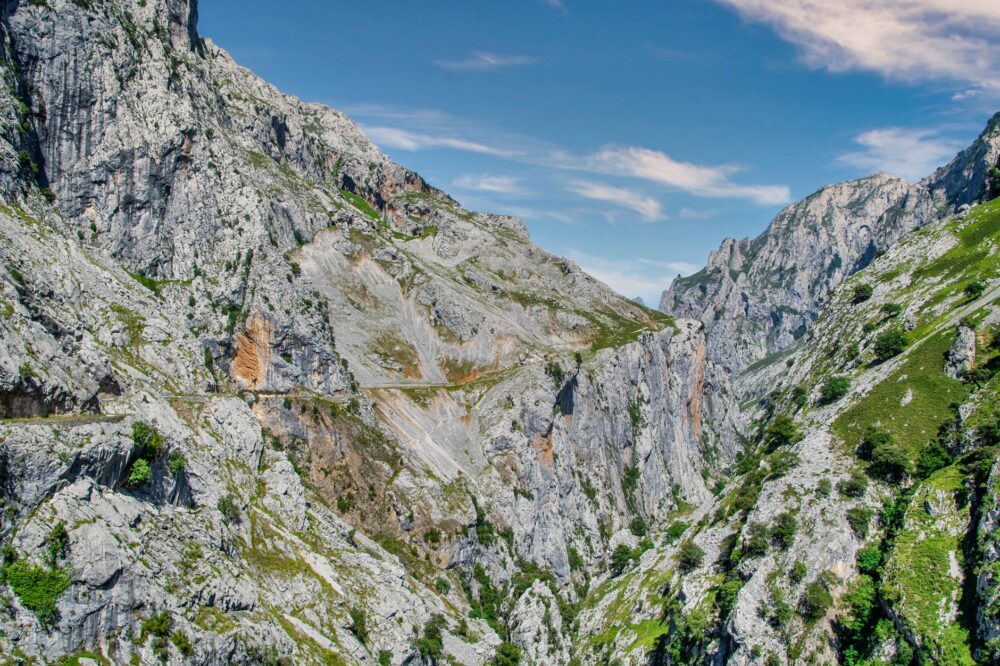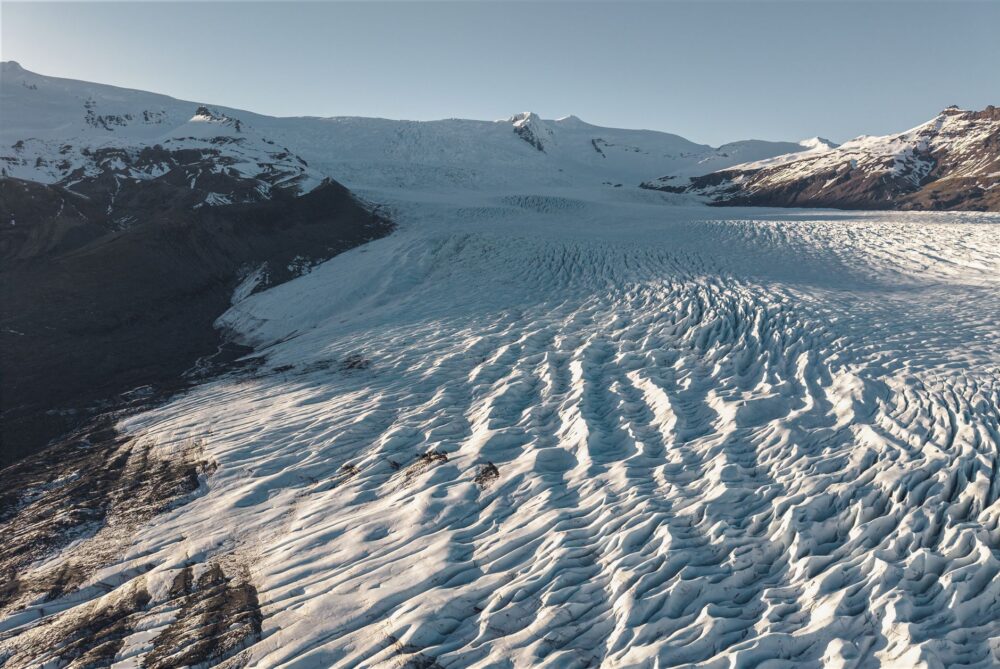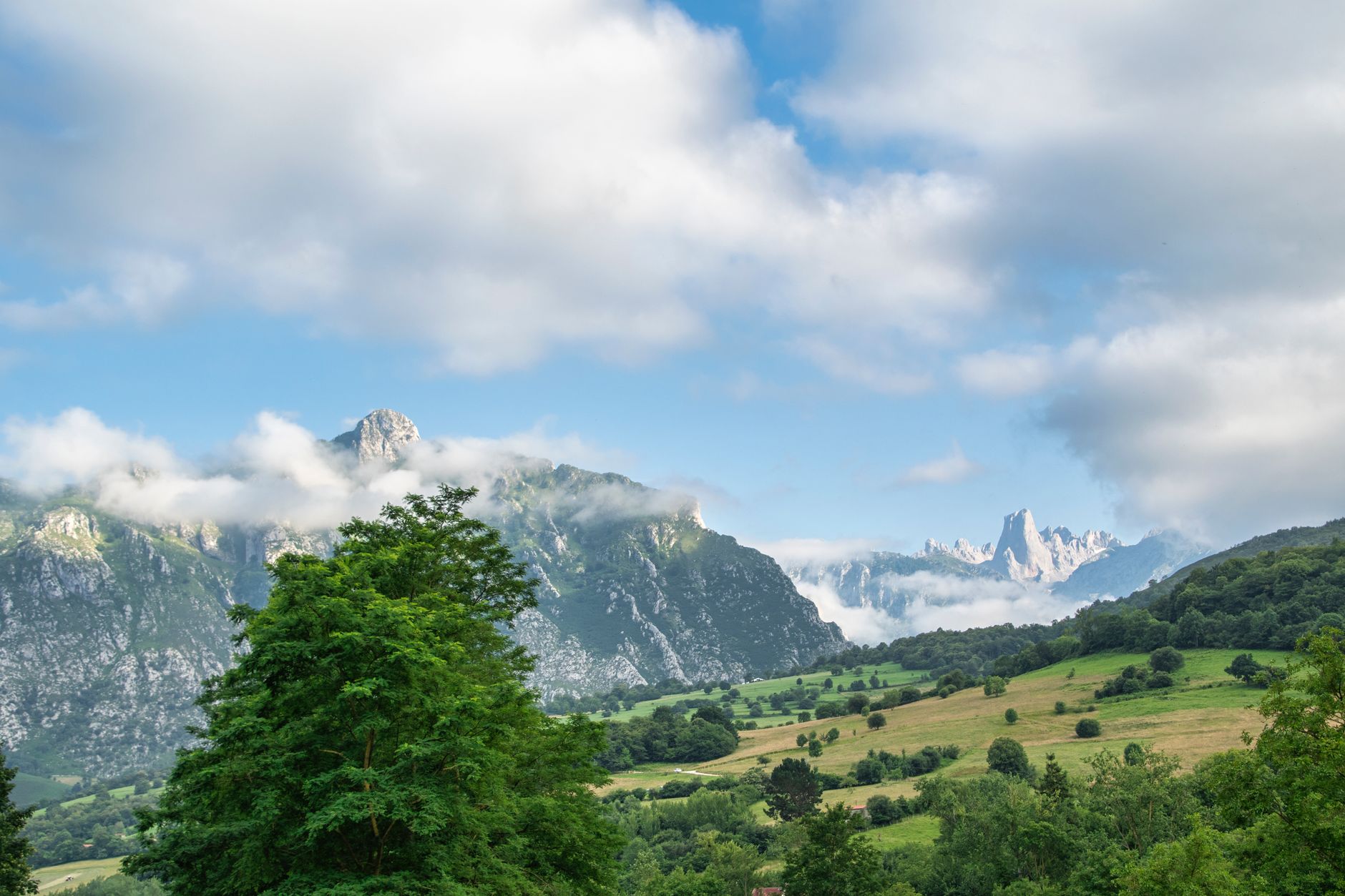

The western massif of the Picos de Europa, in northern Spain, holds a labyrinth of limestone shaped by water and time. On its Asturian slope, the village of Sotres appears as a cluster of slate roofs and cobbled streets that withstand the mist. It is not a place to pass through: it is the beginning of a way of understanding the mountains that combines the demands of the terrain with the serenity of the landscape. Walking here means entering a territory where shepherding and geology set the pace.
This report offers an approach to hiking in the Picos de Europa from Sotres, with attention to preparation, safety, and respect for the environment. No technical routes or exact coordinates are described; the aim is to understand the context of a protected area and to enjoy it without leaving a trace.
A stone village on the border of the massifs
Sotres lies in the municipality of Cabrales, at about 1,050 meters above sea level, on the boundary between the central and western massifs of the Picos de Europa. Its traditional architecture, with stone houses and wooden balconies, reflects the adaptation of its inhabitants to a humid climate and vertical terrain. For centuries, livestock farming has been the main livelihood, and even today it is possible to see herds of cows and sheep grazing in the mountain passes during the summer months.
The village is also a meeting point for hikers seeking to ascend peaks such as Picu Urriellu (Naranjo de Bulnes), although this report does not focus on that route. The network of trails departing from Sotres allows exploration of glacial valleys, beech forests, and high mountain meadows. Signage is variable, so it is essential to carry an up-to-date map and know how to interpret it.
The limestone landscape: a lesson in geology
The Picos de Europa are an exceptional example of karst relief. Limestone, formed on the seabed millions of years ago, has been fractured and dissolved by water, creating sinkholes, caves, and limestone pavements. This geological process explains the absence of surface rivers in many areas and the presence of springs on the slopes. Walking these trails is walking over a natural archive that records the history of the Earth.
The mountain is not an amusement park; it is a fragile ecosystem that demands attention and silence.
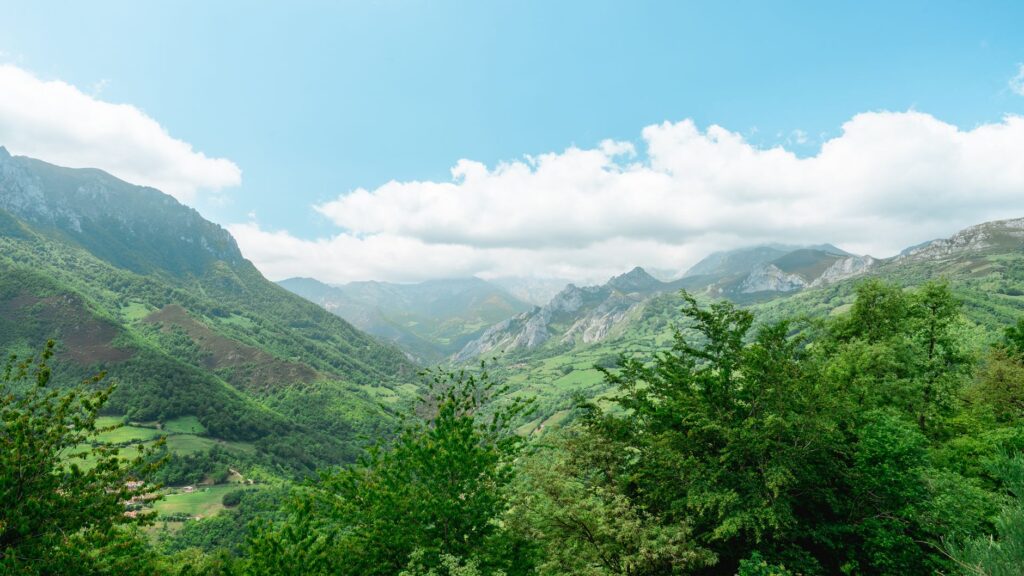
Vegetation adapts to this poor substrate: grazing pastures, low shrubs, and some endemic species such as Saxifraga paniculata. In spring, alpine flowers dot the rocks, while in autumn the beech forests tint the landscape with ochres and reds. Wildlife includes chamois, golden eagles, and griffon vultures, which soar over the cliffs.
The Atlantic mist: a companion on the trail
The climate of the Picos de Europa is influenced by the Atlantic. Mist is frequent, especially in the early morning, and can drastically reduce visibility. It is not an insurmountable obstacle, but it is a condition that requires extreme care with navigation. Compass and map are essential tools; GPS can fail in deep valleys.
Rain is another constant at any time of year. A lightweight rain jacket and waterproof boots are essential. Temperature drops with altitude, and in summer the summits can record values close to 10 degrees Celsius. Exposure to wind on the passes adds a lower wind chill.
Physical and mental preparation for hiking
The routes departing from Sotres do not require advanced alpine technique, but they do require reasonable physical fitness. Cumulative elevation gains can exceed 800 meters in a day, and the terrain is irregular, with loose stones and steep slopes. It is advisable to start with short walks to acclimatize and gradually increase distance.

The backpack should include enough water (there are no fountains on many sections), energy food, sun protection, an insulating layer, and a basic first-aid kit. It is also essential to inform someone of the planned itinerary and carry a mobile phone with a charged battery, although coverage is intermittent.
Heritage and pastoral culture
Shepherding has shaped the landscape of the Picos de Europa for centuries. Stone huts, known as majadas, dot the passes and are testimony to an activity that still continues, albeit in decline. Shepherds bring their flocks up in spring and stay until autumn, producing cheeses such as Cabrales, a protected designation of origin product.
Meeting a shepherd is an opportunity to understand life in the mountains, but it should be remembered that they are not tour guides. Their work must be respected and animals should not be disturbed. Dogs must be kept on a leash to avoid incidents with livestock.
Marked trails and classic routes
Several waymarked paths depart from Sotres. One of the best known leads to the Vega Urriellu refuge, the starting point for climbers. Another route goes to the Pandébano pass, with spectacular views of the central massif. There are also paths that descend to the La Hermida gorge or connect with the village of Bulnes, accessible on foot or by funicular.
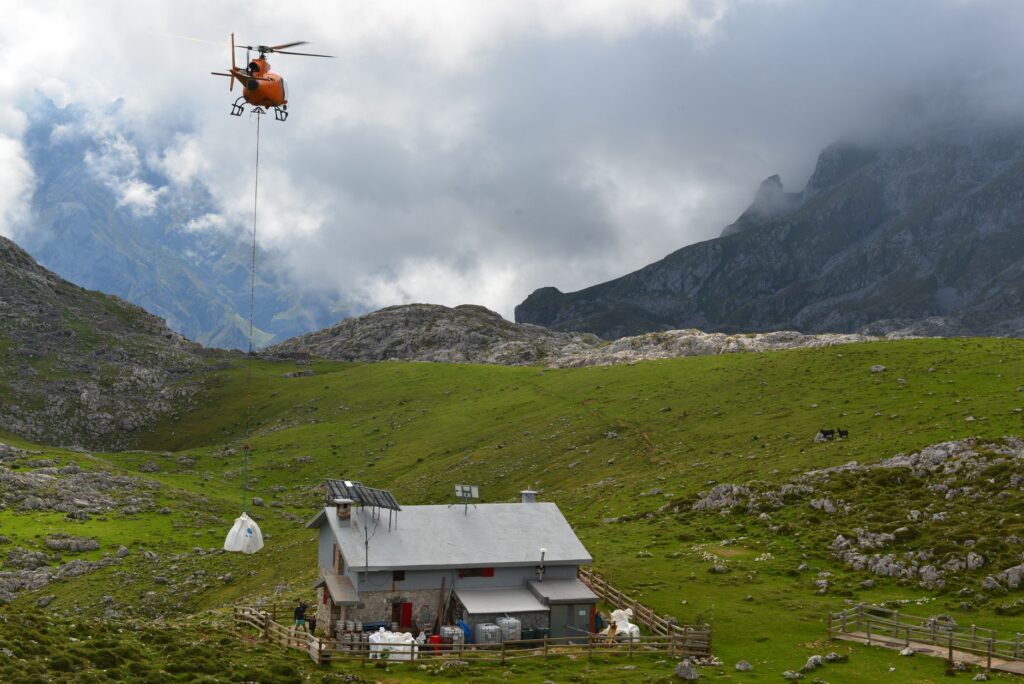
It is important not to leave the marked trails to avoid erosion and protect the flora. Waymarking with painted cairns may be sparse in some sections, so navigation must be careful. When in doubt, it is better to turn back than to improvise.
Responsible visit: rules and recommendations
The Picos de Europa are a national park, and as such, have a set of rules. Camping outside authorized areas is not allowed, nor is lighting fires. Collecting minerals, plants, or fossils is prohibited. Waste must be carried back to the village; there are no bins in the mountains.
Excessive noise disturbs wildlife. It is recommended to speak in a moderate tone and avoid using loudspeakers. Regarding photography, it is preferable not to use flash with animals and not to approach them. Litter, including organic waste, must be taken away.
Practical guide
Getting there: Sotres is about 100 kilometers from Oviedo and 20 from Arenas de Cabrales. Access by car is via the AS-264 road, which climbs from Las Arenas. There is a parking area at the entrance to the village. Public transport is limited; there is a bus service from Arenas de Cabrales in high season, but check updated schedules.
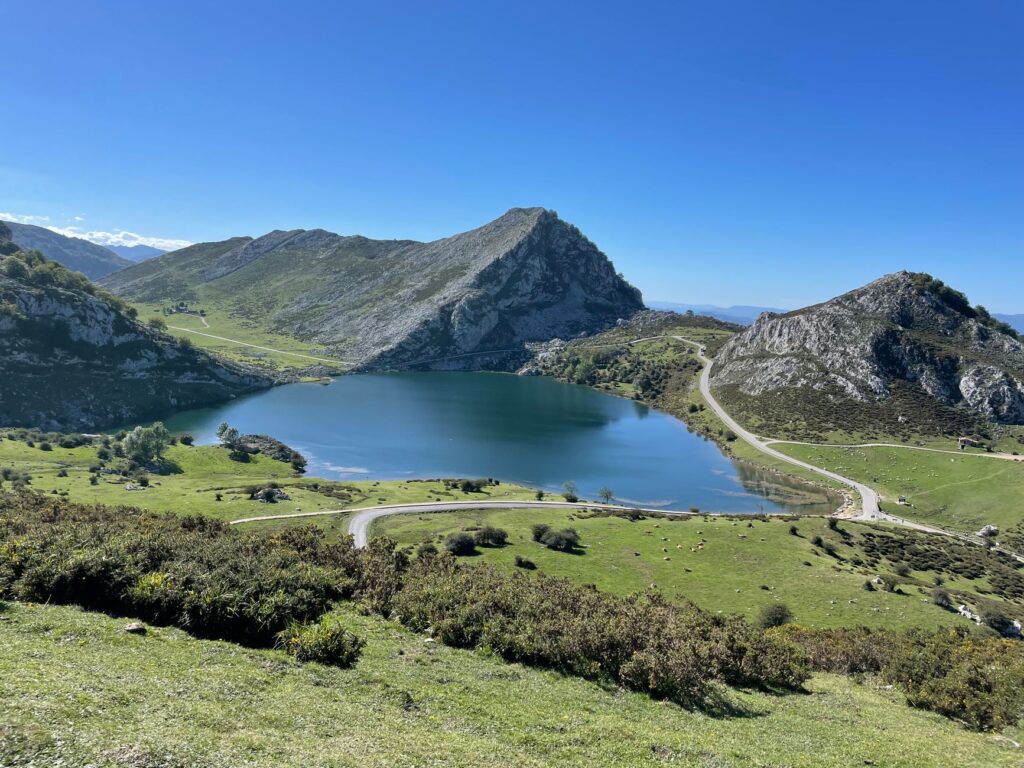
When to go: The best time for hiking is from June to September, when days are longer and the weather is more stable. July and August are the busiest months. In spring and autumn, mist and rain are more frequent, but the landscape is more solitary. Winter requires mountain experience and specific equipment.
Where to stay: Sotres has several rural houses and small hotels. There are also options in Arenas de Cabrales and nearby villages. It is advisable to book in advance in high season.
Recommended equipment: Waterproof hiking boots, layered clothing, rain jacket, hat, sunglasses, sunscreen, map and compass, water (at least 1.5 liters per person), food, whistle, headlamp, and first-aid kit.
Safety: Check the weather forecast before setting out. Avoid exposed routes if there is a risk of storms. Do not go alone in remote areas. Leave word of your route. In an emergency, call 112.
Respect for the environment: Do not leave litter, do not pick flowers or stones, do not disturb animals, close any gates you find open, and follow established trails.

The value of walking slowly
In a fast-paced world, the Picos de Europa invite a different rhythm. The mountain is not conquered; it is traversed with humility. Every step on the limestone is an opportunity to observe detail: a flower among the rocks, the flight of a vulture, the shadow of a cloud. Hiking here is not a race, but a way of inhabiting the landscape.
Mist, often considered a nuisance, can be a teacher. It forces attention to the immediate terrain, to trust the senses, and to accept that not everything can be controlled. That lesson extends beyond the mountains.
A closing among beeches and silence
At the end of the day, the return to Sotres is made in the golden light of the afternoon. The flocks descend slowly, and the sound of cowbells breaks the silence. In the houses, the smell of firewood and cheese reminds us that the mountain is also culture. Walking in the Picos de Europa means taking away a piece of that calm, and the responsibility to protect it for those who come after.