
Traveling, in its deepest sense, is not a feat or a collection of stamps in a passport. It is a way of being in the world. Every journey confronts us with the unknown and, above all, with ourselves. In a time when mobility has become an almost automatic gesture, it is worth pausing to think about what it truly means to look, to give thanks, and to care for what we encounter along the way.
The gaze that pauses
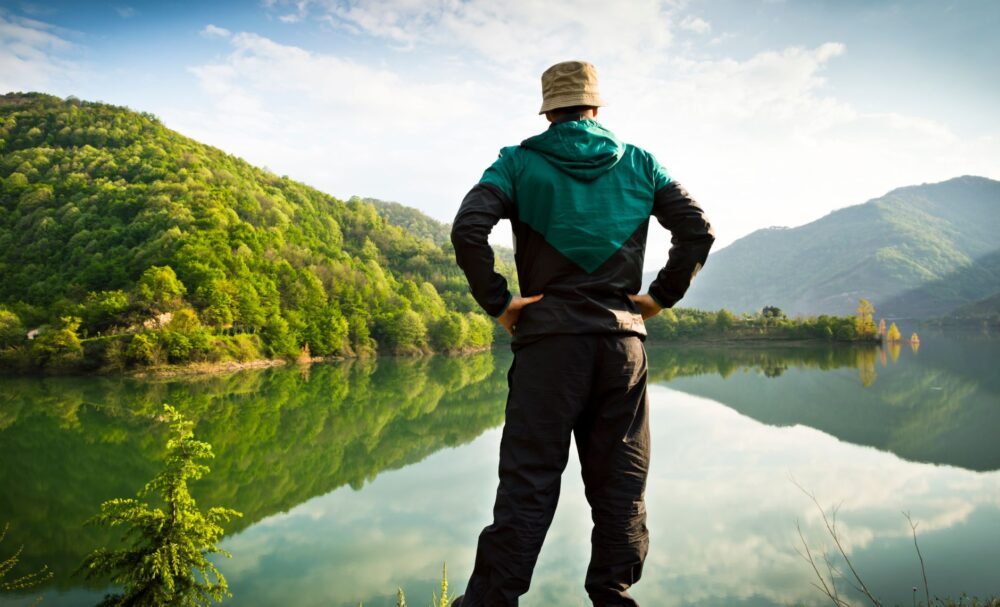
The traveler’s first responsibility is to learn to look. We are not talking about a tourist’s gaze, hurried, seeking to confirm what was already seen on a screen. We are talking about a gaze that pauses, that allows itself to be challenged by what lies before it. Looking this way is an act of humility: recognizing that the other—person, landscape, culture—exists independently of our arrival. That gaze does not possess, does not label, does not reduce. It only attends.
The territory is not a stage
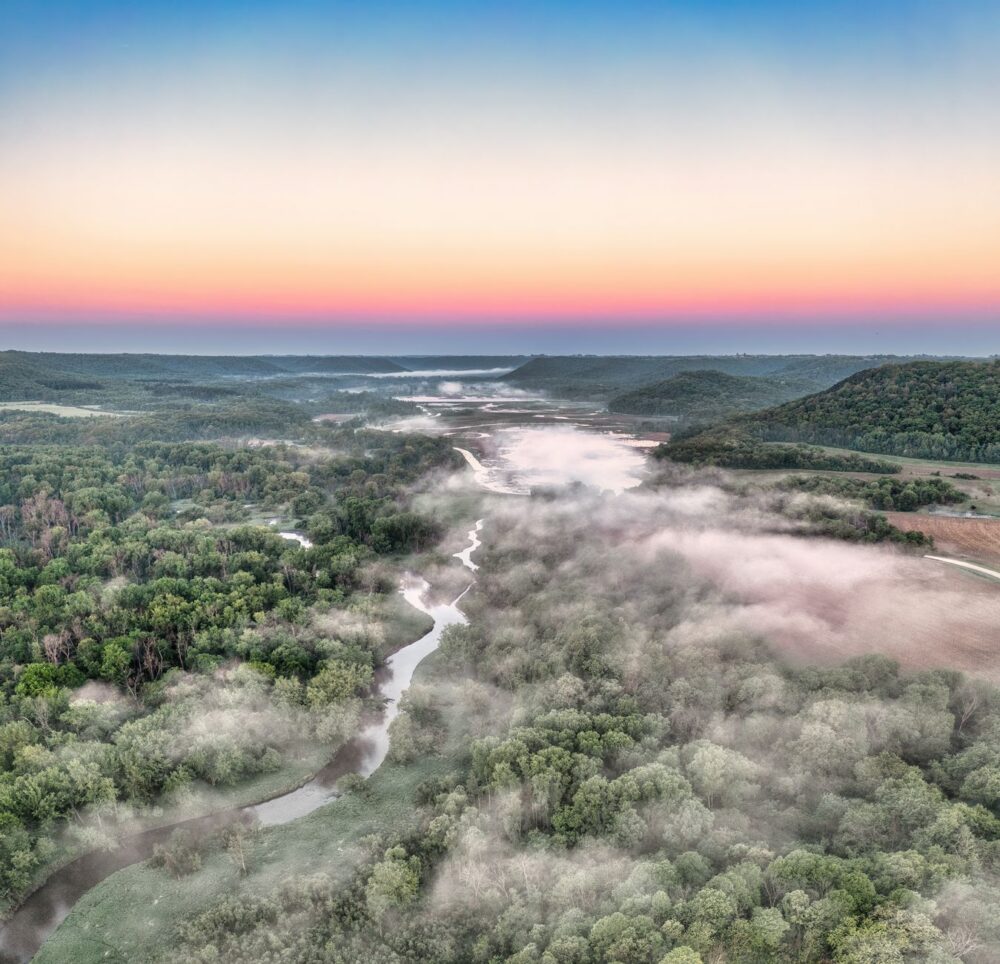
We often speak of destinations as if they were sets arranged for our enjoyment. But a territory is a living fabric: geography, history, communities, scars. When we travel, we enter that fabric, even if only temporarily. We are not spectators: we are part of what happens. That awareness changes the way we move, consume, and relate. The territory does not belong to us; it welcomes us. And welcome deserves a response.
Hospitality and gratitude
Hospitality is one of humanity’s oldest and most generous gestures. Those who receive us do not just offer a place: they entrust us with something of their world. That trust cannot be paid with money or tips; it is matched with gratitude and respect. Giving thanks is not an empty formula. It is recognizing that our journey rests on the work, patience, and kindness of others. A grateful traveler is a lighter and fairer traveler.
The memory of places
Places hold memory. Sometimes in their stones, sometimes in their silences, sometimes in the way their people tell what they lived through. When we travel, we touch that memory. We cannot always fully understand it, but we can honor it. Listening to local stories, respecting rhythms, not imposing our haste: these are concrete ways of caring for what does not belong to us but transforms us.
The footprint we leave
Every journey leaves a footprint. The question is what kind. We can leave a footprint of extraction—resources, waste, noise—or a footprint of care. Choosing the latter requires giving up certain comforts, planning with judgment, preferring the local, reducing the superfluous. This is not moralizing but an elementary ethic: the world is not our theme park. It is the home of others, and also our own.
Traveling as a form of attention
In the end, traveling well is a form of attention. Attention to what we see, what we hear, what we eat, what we give thanks for. In a world that rewards speed and distraction, pausing to look is almost an act of rebellion. But that rebellion is serene and fertile: it returns to us the capacity to wonder, to learn, to change. And perhaps that is where the true usefulness of travel lies: not in accumulating kilometers, but in returning a little more conscious, a little more humble, a little more grateful.
The traveler who looks with attention and gives thanks for what is received does not just traverse the world: they care for it. And by caring for it, they also care for themselves.
May our next journeys—near or far—be guided by that simple and demanding ethic. Look before moving forward. Give thanks before demanding. Care before departing. Because the world is not only what we see, but what we do with what we see.